Rhona Flin - Böcker
Visar alla böcker från författaren Rhona Flin. Handla med fri frakt och snabb leverans.
11 produkter
11 produkter
2 224 kr
Skickas inom 10-15 vardagar
In our high technology society, there is a growing demand for a better understanding of decision making in high risk situations in order to improve selection, training and operational performance. Decision Making Under Stress presents a state-of-the-art review of psychological theory, in research and practice, on decision making in high pressure and emergency situations. It focuses on the experienced decision makers who deal with such risks, principally on flight decks, at civil emergencies, in industrial settings and military environments. The 29 chapters cover a wide range of perspectives and applications from aviation, military, industry and the emergency services. The authors, all international invited experts in their field, are based in research centers and universities from Europe, North America and Australia. Their common interest is in the theories and methods of a new research domain called NDM (naturalistic decision making). This volume comprises the edited contributions to the Third International NDM conference, sponsored by the US Army Research Institute and the US Naval Air Warfare Center, which was held in Aberdeen, Scotland in September 1996. The NDM researchers are interested in decision making in situations characterised by high risk, time pressure, uncertain goals, ambiguous information and teamwork. The extent to which the NDM approach can explain and predict human performance in such settings is a central theme, discussed with many practical examples and applications. This book is essential reading for applied psychologists, pilots, emergency commanders, military officers, high hazard managers, safety and emergency response professionals.
2 289 kr
Skickas inom 10-15 vardagar
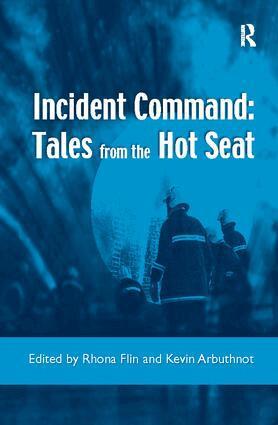
Incident Command: Tales From the Hot Seat presents a unique examination of the skills of the on-scene or incident commander who is in charge of an emergency or major incident. Experienced commanders from the police and fire services, the armed forces, civil aviation and the prison service give personal accounts of their command experiences, discuss their dilemmas and the pressures they faced, and reveal the demands of leading under extreme conditions. They share intimate details of cases where their command skills were tested, ranging from industrial fires, riots, hostage taking, warfare, peacekeeping, to in-flight emergencies. Each case ends with lessons learnt and tips for the developing commander. Additional chapters present expert accounts of the art of incident command, incident command systems, competencies for command, as well as reviews of the latest psychological research into decision making and team work under pressure. The book is an essential compelling text that captures the essence of incident command by analyzing command experiences across a range of professions.
1 570 kr
Tillfälligt slut
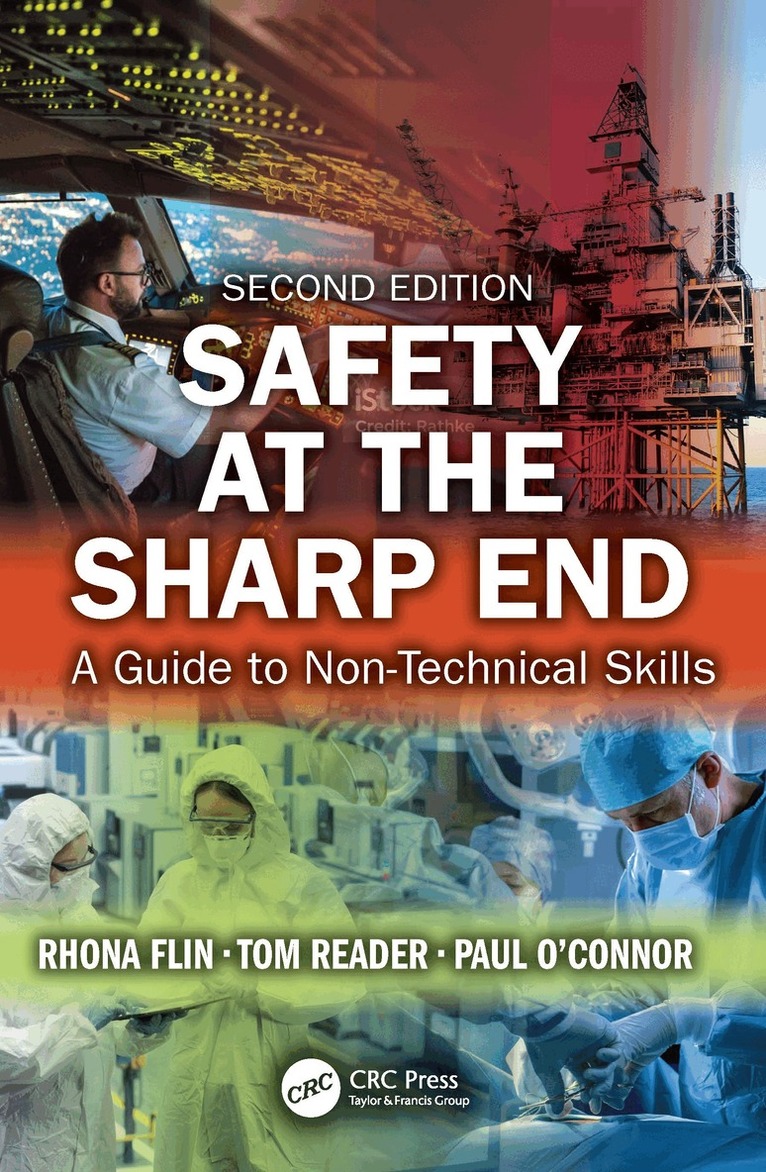
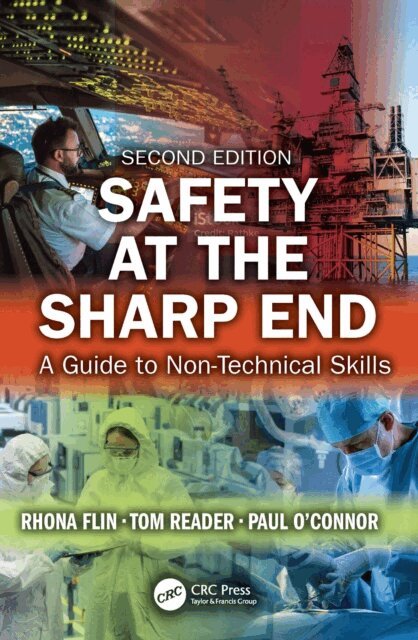
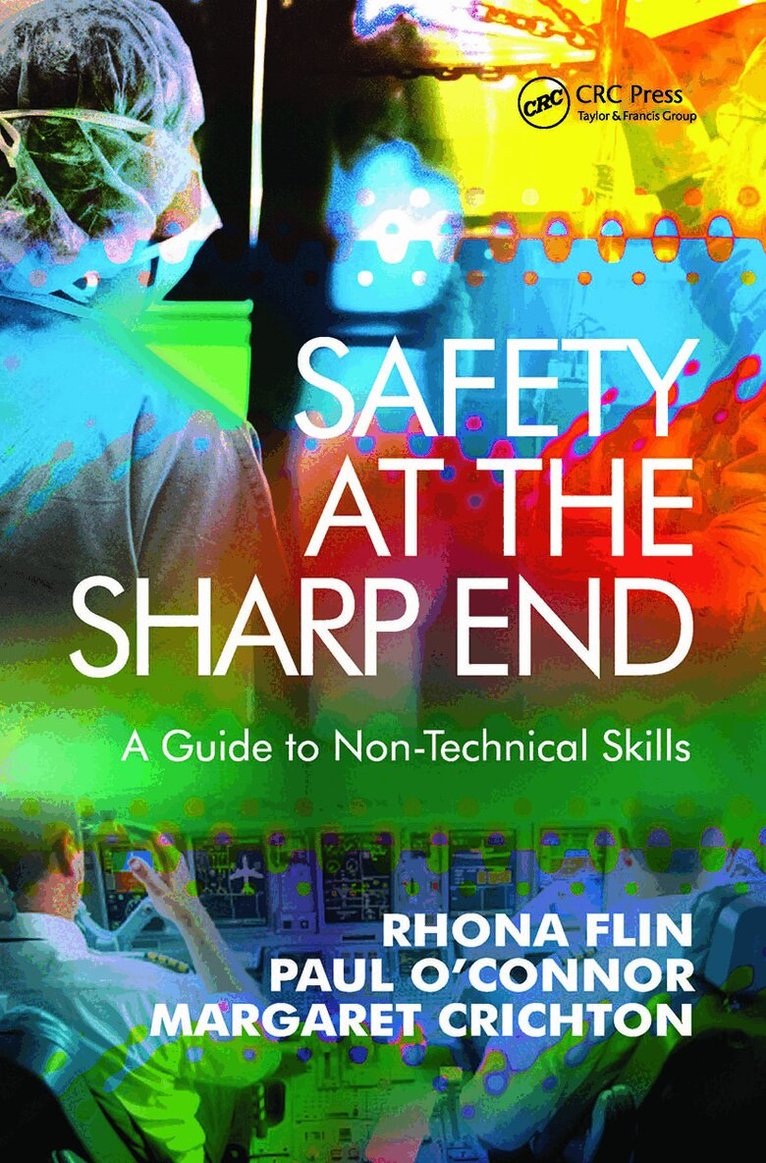
Many 21st century operations are characterised by teams of workers dealing with significant risks and complex technology, in competitive, commercially-driven environments. Informed managers in such sectors have realised the necessity of understanding the human dimension to their operations if they hope to improve production and safety performance. While organisational safety culture is a key determinant of workplace safety, it is also essential to focus on the non-technical skills of the system operators based at the 'sharp end' of the organisation. These skills are the cognitive and social skills required for efficient and safe operations, often termed Crew Resource Management (CRM) skills. In industries such as civil aviation, it has long been appreciated that the majority of accidents could have been prevented if better non-technical skills had been demonstrated by personnel operating and maintaining the system. As a result, the aviation industry has pioneered the development of CRM training. Many other organisations are now introducing non-technical skills training, most notably within the healthcare sector. Safety at the Sharp End is a general guide to the theory and practice of non-technical skills for safety. It covers the identification, training and evaluation of non-technical skills and has been written for use by individuals who are studying or training these skills on CRM and other safety or human factors courses. The material is also suitable for undergraduate and post-experience students studying human factors or industrial safety programmes.
428 kr
Tillfälligt slut
Many 21st century operations are characterised by teams of workers dealing with significant risks and complex technology, in competitive, commercially-driven environments. Informed managers in such sectors have realised the necessity of understanding the human dimension to their operations if they hope to improve production and safety performance. While organisational safety culture is a key determinant of workplace safety, it is also essential to focus on the non-technical skills of the system operators based at the 'sharp end' of the organisation. These skills are the cognitive and social skills required for efficient and safe operations, often termed Crew Resource Management (CRM) skills. In industries such as civil aviation, it has long been appreciated that the majority of accidents could have been prevented if better non-technical skills had been demonstrated by personnel operating and maintaining the system. As a result, the aviation industry has pioneered the development of CRM training. Many other organisations are now introducing non-technical skills training, most notably within the healthcare sector. Safety at the Sharp End is a general guide to the theory and practice of non-technical skills for safety. It covers the identification, training and evaluation of non-technical skills and has been written for use by individuals who are studying or training these skills on CRM and other safety or human factors courses. The material is also suitable for undergraduate and post-experience students studying human factors or industrial safety programmes.
2 426 kr
Skickas inom 10-15 vardagar
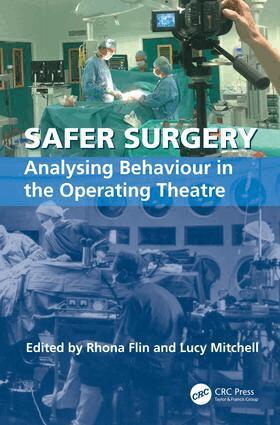
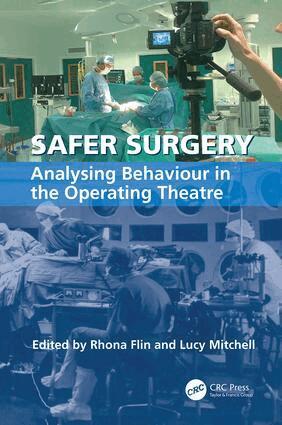
Operating theatres are very private workplaces. There have been few research investigations into how highly trained doctors and nurses work together to achieve safe and efficient anaesthesia and surgery. While there have been major advances in surgical and anaesthetic procedures, there are still significant risks for patients during operations and adverse events are not unknown. Due to rising concern about patient safety, surgeons and anaesthetists have looked for ways of minimising adverse events. Behavioural scientists have been encouraged by clinicians to bring research techniques used in other industries into the operating theatre in order to study the behaviour of surgeons, nurses and anaesthetists. Safer Surgery presents one of the first collections of studies designed to understand the factors influencing safe and efficient surgical, anaesthetic and nursing practice. The book is written by psychologists, surgeons and anaesthetists, whose contributions combine to offer readers the latest research techniques and findings from some of the leading investigators in this field. It is designed for practitioners and researchers interested in understanding the behaviour of operating theatre team members, with a view to enhancing both training and practice. The material is also suitable for those studying behaviour in other areas of healthcare or in high-risk work settings. The aims of the book are to: a) present the latest research on the behaviour of operating theatre teams b) describe the techniques being used by psychologists and clinicians to study surgeons, anaesthetists and theatre nurses' task performance c) outline the safety implications of the research to date.
752 kr
Skickas inom 10-15 vardagar
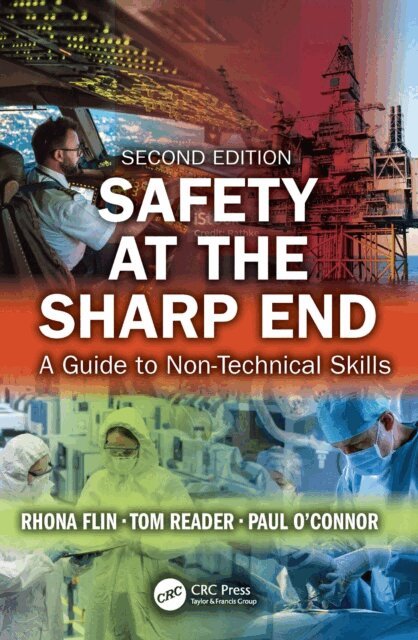
Many 21st-century operations are characterized by teams of workers dealing with significant risks and complex technology, in competitive, commercially driven environments. Informed managers have realized the necessity of understanding the human dimension of their operations if they hope to improve production and safety performance. A key aspect is the non-technical skills of the system operators based at the ‘sharp end’ of the organization. These include the cognitive and social skills required for safe and efficient performance, often termed ‘Crew Resource Management (CRM) skills’.This book is a general guide to the theory and practice of non-technical skills (NTS) for safety. Now fully updated in this new edition, Safety at the Sharp End: A Guide to Non-Technical Skills considers the growth of interest in Crew Resource Management (CRM) approaches to identifying, training and assessing CRM/NTS skills. It covers the identification, training and evaluation of NTS and has been written for use by individuals who are studying or training these skills in CRM and other safety or human factors courses. It outlines the underlying principles, as well as practical techniques and advice and has been revised to cover the latest developments by drawing on a wider sample of work settings where an NTS approach is being adopted. A full literature review is offered, and the authors have drawn upon an international network of contacts across industry, military and healthcare occupations and academic sources to deliver current practice and emerging issues. The reader will develop a thorough understanding of the theory and practice of non-technical skills for safety from this title.This book is an ideal read for professionals and those practising or studying human factors or industrial safety programmes. Its appeal will extend to those in safety-critical industries including healthcare, aviation, rail, maritime, energy production and the military. This book:• Delivers a comprehensive and accessible guide on non-technical skills (NTS) for practitioners.• Focuses on the latest scientific evidence for each skill category written in an accessible manner.• Explains the application of an NTS approach across a wide range of occupations.• Covers the authors’ extensive research and experience of collaborating with practitioners across a range of higher risk work settings resulting in practical examples throughout the text.• Details a good range of sources provided for further reading and additional information.
1 886 kr
Skickas inom 10-15 vardagar
Many 21st-century operations are characterized by teams of workers dealing with significant risks and complex technology, in competitive, commercially driven environments. Informed managers have realized the necessity of understanding the human dimension of their operations if they hope to improve production and safety performance. A key aspect is the non-technical skills of the system operators based at the ‘sharp end’ of the organization. These include the cognitive and social skills required for safe and efficient performance, often termed ‘Crew Resource Management (CRM) skills’.This book is a general guide to the theory and practice of non-technical skills (NTS) for safety. Now fully updated in this new edition, Safety at the Sharp End: A Guide to Non-Technical Skills considers the growth of interest in Crew Resource Management (CRM) approaches to identifying, training and assessing CRM/NTS skills. It covers the identification, training and evaluation of NTS and has been written for use by individuals who are studying or training these skills in CRM and other safety or human factors courses. It outlines the underlying principles, as well as practical techniques and advice and has been revised to cover the latest developments by drawing on a wider sample of work settings where an NTS approach is being adopted. A full literature review is offered, and the authors have drawn upon an international network of contacts across industry, military and healthcare occupations and academic sources to deliver current practice and emerging issues. The reader will develop a thorough understanding of the theory and practice of non-technical skills for safety from this title.This book is an ideal read for professionals and those practising or studying human factors or industrial safety programmes. Its appeal will extend to those in safety-critical industries including healthcare, aviation, rail, maritime, energy production and the military. This book:• Delivers a comprehensive and accessible guide on non-technical skills (NTS) for practitioners.• Focuses on the latest scientific evidence for each skill category written in an accessible manner.• Explains the application of an NTS approach across a wide range of occupations.• Covers the authors’ extensive research and experience of collaborating with practitioners across a range of higher risk work settings resulting in practical examples throughout the text.• Details a good range of sources provided for further reading and additional information.
915 kr
Skickas inom 10-15 vardagar
Operating theatres are very private workplaces. There have been few research investigations into how highly trained doctors and nurses work together to achieve safe and efficient anaesthesia and surgery. While there have been major advances in surgical and anaesthetic procedures, there are still significant risks for patients during operations and adverse events are not unknown. Due to rising concern about patient safety, surgeons and anaesthetists have looked for ways of minimising adverse events. Behavioural scientists have been encouraged by clinicians to bring research techniques used in other industries into the operating theatre in order to study the behaviour of surgeons, nurses and anaesthetists. Safer Surgery presents one of the first collections of studies designed to understand the factors influencing safe and efficient surgical, anaesthetic and nursing practice. The book is written by psychologists, surgeons and anaesthetists, whose contributions combine to offer readers the latest research techniques and findings from some of the leading investigators in this field. It is designed for practitioners and researchers interested in understanding the behaviour of operating theatre team members, with a view to enhancing both training and practice. The material is also suitable for those studying behaviour in other areas of healthcare or in high-risk work settings. The aims of the book are to: a) present the latest research on the behaviour of operating theatre teams b) describe the techniques being used by psychologists and clinicians to study surgeons, anaesthetists and theatre nurses' task performance c) outline the safety implications of the research to date.
766 kr
Skickas inom 10-15 vardagar
Incident Command: Tales From the Hot Seat presents a unique examination of the skills of the on-scene or incident commander who is in charge of an emergency or major incident. Experienced commanders from the police and fire services, the armed forces, civil aviation and the prison service give personal accounts of their command experiences, discuss their dilemmas and the pressures they faced, and reveal the demands of leading under extreme conditions. They share intimate details of cases where their command skills were tested, ranging from industrial fires, riots, hostage taking, warfare, peacekeeping, to in-flight emergencies. Each case ends with lessons learnt and tips for the developing commander. Additional chapters present expert accounts of the art of incident command, incident command systems, competencies for command, as well as reviews of the latest psychological research into decision making and team work under pressure. The book is an essential compelling text that captures the essence of incident command by analyzing command experiences across a range of professions.
677 kr
Skickas inom 10-15 vardagar
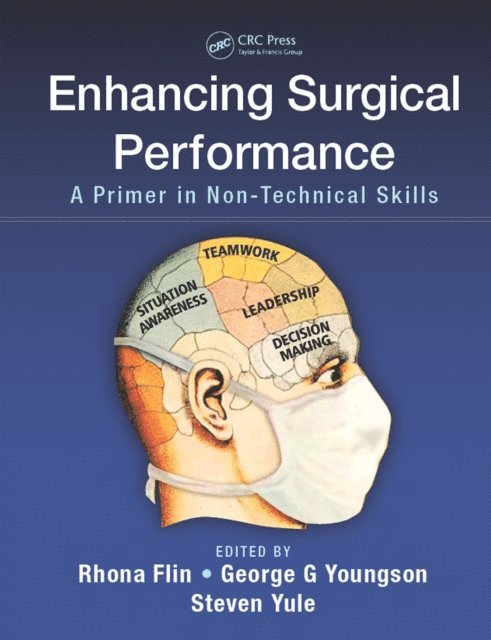
Enhancing Surgical Performance: A Primer in Non-Technical Skills explains why non-technical skills are vital for safe and effective performance in the operating theatre. The book provides a full account, with supporting empirical evidence, of the Non-Technical Skills for Surgeons (NOTSS) system and behavioural rating framework, which helps identify the key elements involved in successful operative surgery. The editors spent the last twelve years as part of the team developing and testing the NOTSS system and delivering presentations and workshops across the world. Readers will benefit by having, in one accessible handbook, a description of the NOTSS system and how it can be used for training, assessment, self-reflection and event analysis.The book also examines human error, performance limitations, and global safety initiatives in surgery. Because it encourages surgeons to reflect on their own performance and behaviour, it is suitable for surgeons in all specialties and at all levels.
667 kr
Skickas inom 7-10 vardagar
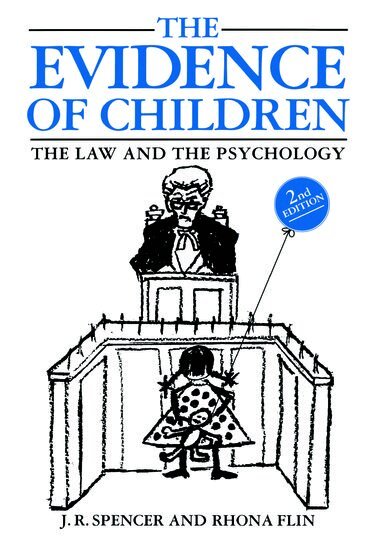
This is an account of the civil and criminal rules affecting children in England, Scotland and Northern Ireland reviewing them in the light of the findings of psychologists and social scientists and makes proposals for reform.There have been many important developments which include hearsay evidence which has become freely available in civil proceedings involving children in both England and Scotland; videotapes of earlier interviews which have become admissible in criminal proceedings in England; in Scotland the law has been changed to allow the whole of a child's evidence in a criminal case to be taken ahead of trial on commission; there has been a wave of popular concern about "ritual abuse" amd among psychologists there is increasing concern about both "repressed" and "implanted" memories.