Ring T. Cardé – författare
Visar alla böcker från författaren Ring T. Cardé. Handla med fri frakt och snabb leverans.
8 produkter
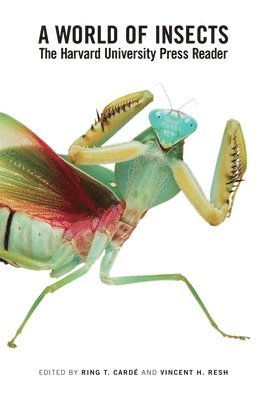
World of Insects
The Harvard University Press Reader
Av Ring T. Cardé, Vincent H. Resh
Häftad, 2012
314 kr
Lägg i varukorg
As we follow the path of a giant water bug or peer over the wing of a gypsy moth, we glimpse our world anew, at once shrunk and magnified. Owing to their size alone, insects’ experience of the world is radically different from ours. Air to them is as viscous as water to us. The predicament of size, …
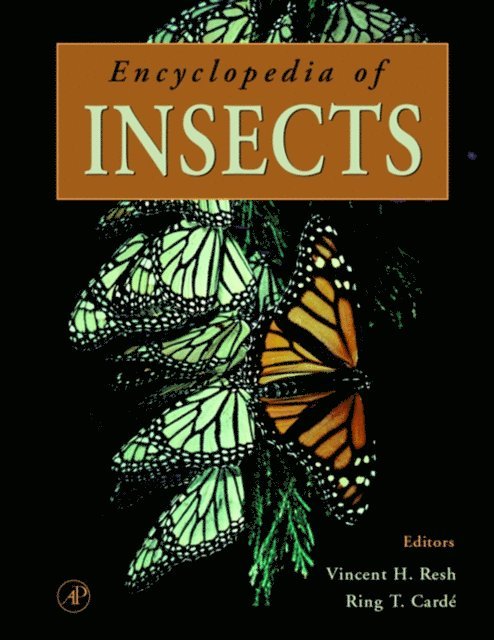
Encyclopedia of Insects
Av Ring T. Carde, Vincent H. Resh
E-bok, 2003
1223 kr
Lägg i varukorg
The Encyclopedia of Insects is a comprehensive work devoted to all aspects of insects, including their anatomy, physiology, evolution, behavior, reproduction, ecology, and disease, as well as issues of exploitation, conservation, and management. Articles provide definitive facts about all insects …
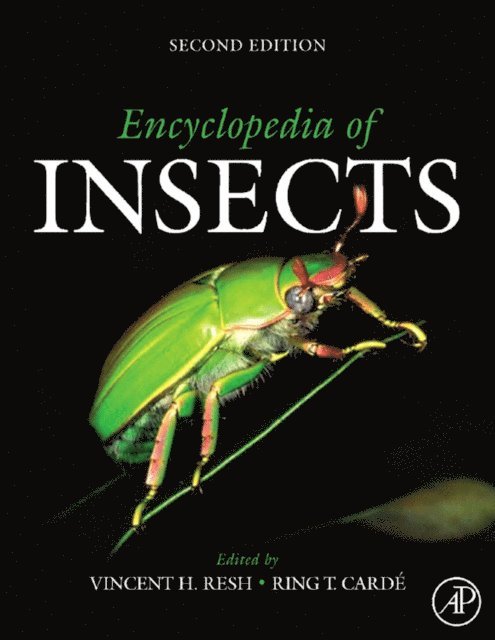
Encyclopedia of Insects
Av Ring T. Carde, Vincent H. Resh
E-bok, 2009
1231 kr
Lägg i varukorg
Awarded Best Reference by the New York Public Library (2004), Outstanding Academic Title by CHOICE (2003), and AAP/PSP 2003 Best Single Volume Reference/Sciences by Association of American Publishers'' Professional Scholarly Publishing Division, the first edition of Encyclopedia of Insects was …
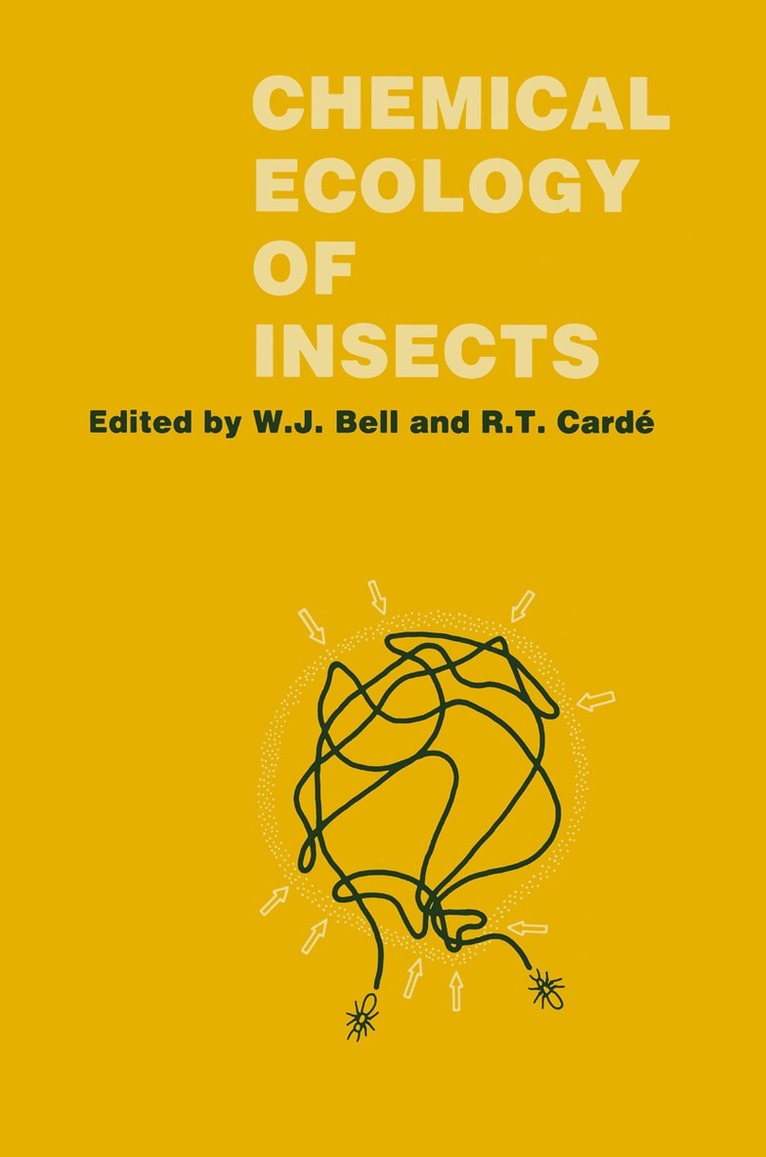
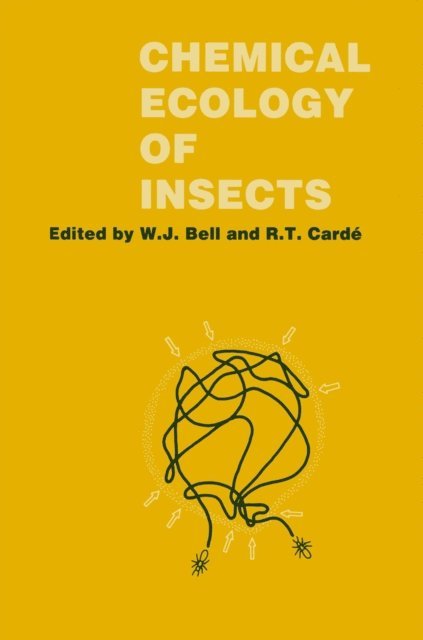
Chemical Ecology of Insects
Av William J. Bell, Ring T. Cardé
Häftad, 1984
551 kr
Lägg i varukorg
Our objective in compiling a series of chapters on the chemical ecology of insects has been to delineate the major concepts of this discipline. The fine line between presenting a few topics in great detail or many topics in veneer has been carefully drawn, such that the book contains sufficient …
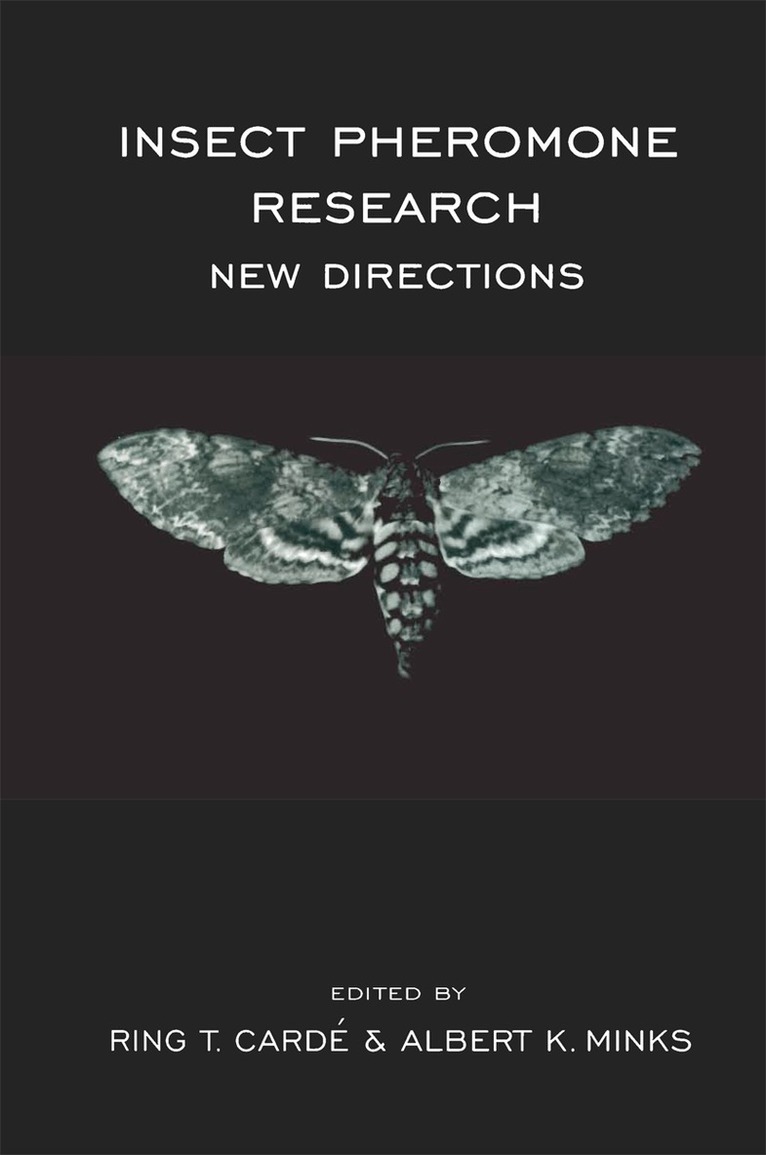
Insect Pheromone Research
New Directions
Av R.T. Carde, A.K. Minks m. fl.
Inbunden, 1997
3272 kr
Lägg i varukorg
This book contains the proceedings of the "First International Symposium on Insect Pheromones," which was held at Wageningen, The Netherlands, from March 6 to March 11, 1994. Eighty participants from 17 countries attended the symposium, which turned out to be a unique forum for the exchange of the …
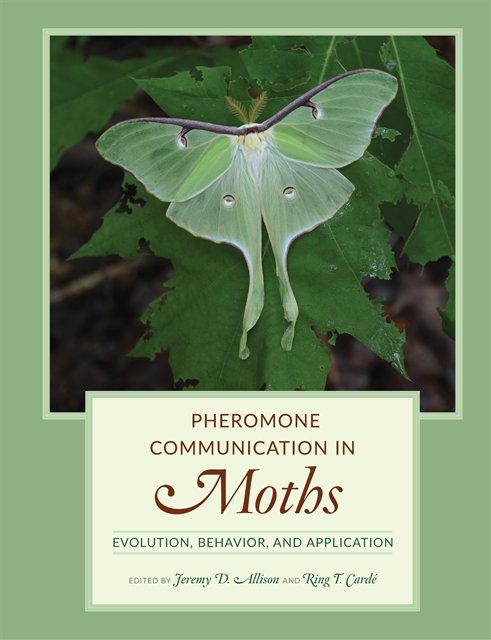
Pheromone Communication in Moths
Evolution, Behavior, and Application
Av Jeremy D. Allison, Ring T. Carde
Inbunden, 2016
648 kr
Lägg i varukorg
Common among moths is a mate-finding system in which females emit a pheromone that induces males to fly upwind along the pheromone plume. Since the chemical pheromone of the domesticated silk moth was identified in 1959, a steady increase in the number of moth species whose pheromone attractants …
Pheromone Communication in Moths
Evolution, Behavior, and Application
Av Ring T. Carde, Jeremy D. Allison
E-bok, 2016
1091 kr
Lägg i varukorg
Common among moths is a mate-finding system in which females emit a pheromone that induces males to fly upwind along the pheromone plume. Since the chemical pheromone of the domesticated silk moth was identified in 1959, a steady increase in the number of moth species whose pheromone attractants …
Chemical Ecology of Insects
Av Ring T. Carde, William J. Bell
E-bok, 2013
734 kr
Lägg i varukorg
Our objective in compiling a series of chapters on the chemical ecology of insects has been to delineate the major concepts of this discipline. The fine line between presenting a few topics in great detail or many topics in veneer has been carefully drawn, such that the book contains sufficient …