Robert C. Mainfort Jr – författare
Visar alla böcker från författaren Robert C. Mainfort Jr. Handla med fri frakt och snabb leverans.
4 produkter
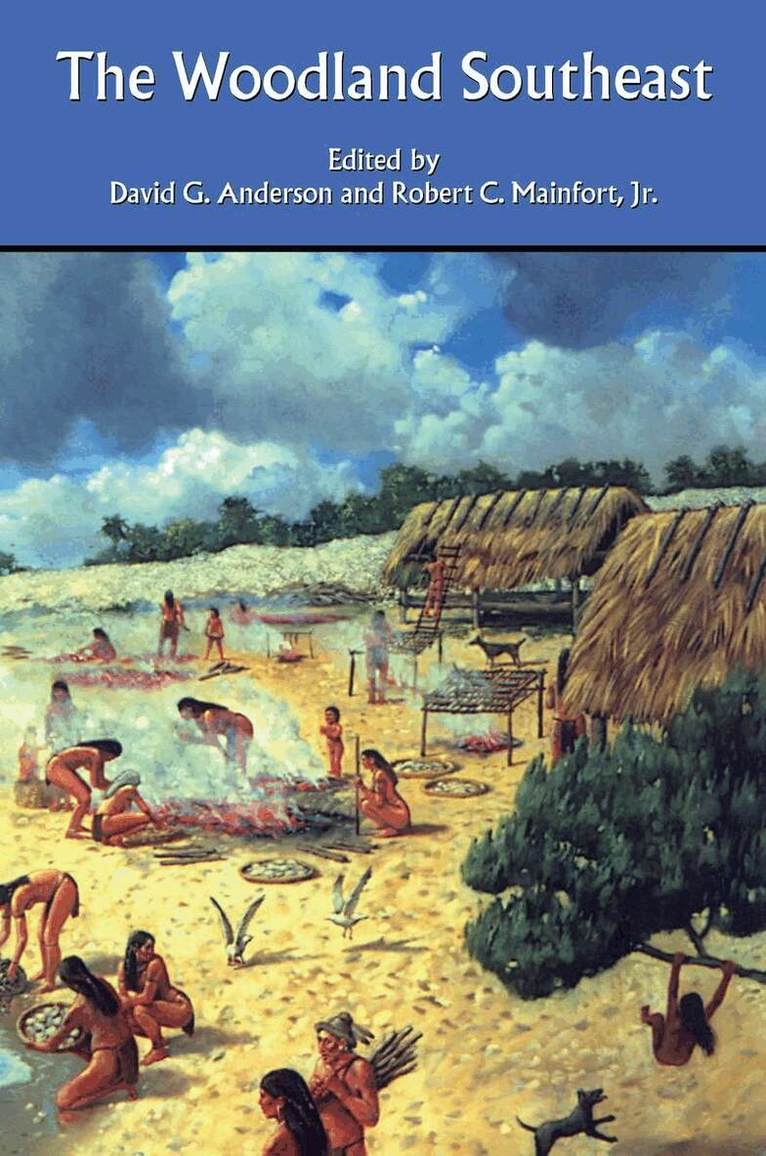
Woodland Southeast
Av David G. Anderson, Robert C. Mainfort m. fl.
Häftad, 2002
553 kr
Lägg i varukorg
The Woodland Period (ca. 1200 B.C. to A.D. 1000) has been the subject of a great deal of archaeological research over the past 25 years. Researchers have learned that in this approximately 2000-year era the peoples of the Southeast experienced increasing sedentism, population growth, and …
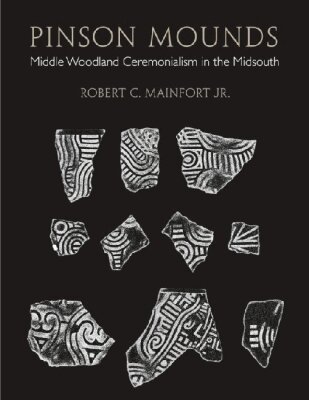
Pinson Mounds
Middle Woodland Ceremonialism in the Midsouth
Häftad, 2013
668 kr
Lägg i varukorg
Pinson Mounds: Middle Woodland Ceremonialism in the Midsouth is a comprehensive overview and reinterpretation of the largest Middle Woodland mound complex in the Southeast. Located in west Tennessee about ten miles south of Jackson, the Pinson Mounds complex includes at least thirteen mounds, a …
Ancient Earthern Enclosures of the Eastern Woodlands
Av Robert C. Mainfort, Lynne P. Sullivan m. fl.
Inbunden, 1998
697 kr
Tillfälligt slut
Ancient moundbuilders and ceremonial sites of prehistoric Amerindians are two explanations for pre-Columbian earthen enclosures refuted by this collection of essays by leading archaeologists. In doing so, the difficulties in interpreting such sites and their diversity of usage are illuminated.
Arkansas Archaeology
Essays in Honor of Dan and Phyllis Morse
Av Robert C. Mainfort, Marvin D. Jeter m. fl.
Häftad, 1999
338 kr
Tillfälligt slut
Arkansas has long been recognized as a state with a rich archaeological heritage that is unsurpassed in North America. The Toltec Mounds were made famous by the Smithsonian's research at the turn of the century. The Sloan site, dated to 8500 B.C., is the oldest documented burial ground in the New …