Robert E. Burks - Böcker
Visar alla böcker från författaren Robert E. Burks. Handla med fri frakt och snabb leverans.
6 produkter
6 produkter
1 295 kr
Skickas inom 10-15 vardagar
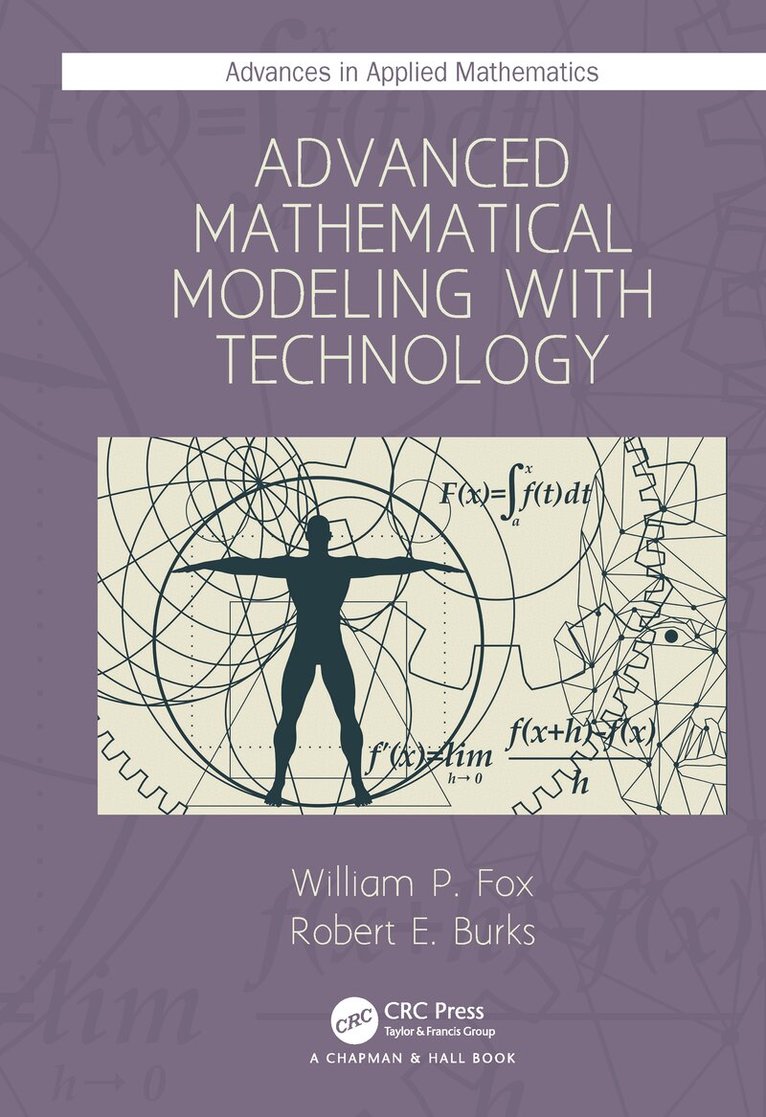
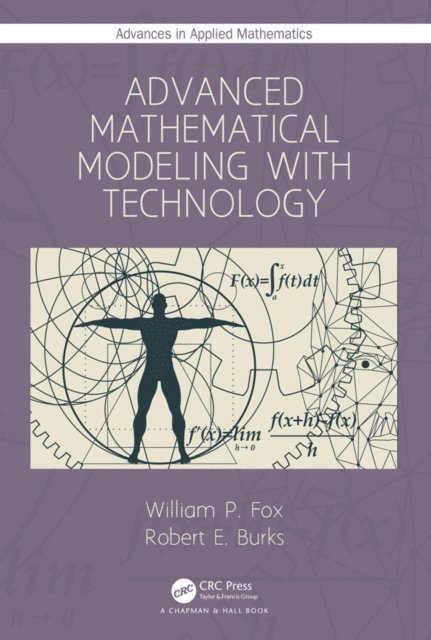
Mathematical modeling is both a skill and an art and must be practiced in order to maintain and enhance the ability to use those skills. Though the topics covered in this book are the typical topics of most mathematical modeling courses, this book is best used for individuals or groups who have already taken an introductory mathematical modeling course. Advanced Mathematical Modeling with Technology will be of interest to instructors and students offering courses focused on discrete modeling or modeling for decision making.Each chapter begins with a problem to motivate the reader. The problem tells "what" the issue is or problem that needs to be solved. In each chapter, the authors apply the principles of mathematical modeling to that problem and present the steps in obtaining a model. The key focus is the mathematical model and the technology is presented as a method to solve that model or perform sensitivity analysis. We have selected , where applicable to the content because of their wide accessibility. The authors utilize technology to build, compute, or implement the model and then analyze the it. Features: MAPLE©, Excel©, and R© to support the mathematical modeling process. Excel templates, macros, and programs are available upon request from authors. Maple templates and example solution are also available. Includes coverage of mathematical programming. The power and limitations of simulations is covered. Introduces multi-attribute decision making (MADM) and game theory for solving problems.The book provides an overview to the decision maker of the wide range of applications of quantitative approaches to aid in the decision making process, and present a framework for decision making.
820 kr
Skickas inom 10-15 vardagar
Mathematical modeling is both a skill and an art and must be practiced in order to maintain and enhance the ability to use those skills. Though the topics covered in this book are the typical topics of most mathematical modeling courses, this book is best used for individuals or groups who have already taken an introductory mathematical modeling course. Advanced Mathematical Modeling with Technology will be of interest to instructors and students offering courses focused on discrete modeling or modeling for decision making.Each chapter begins with a problem to motivate the reader. The problem tells "what" the issue is or problem that needs to be solved. In each chapter, the authors apply the principles of mathematical modeling to that problem and present the steps in obtaining a model. The key focus is the mathematical model and the technology is presented as a method to solve that model or perform sensitivity analysis. We have selected , where applicable to the content because of their wide accessibility. The authors utilize technology to build, compute, or implement the model and then analyze the it. Features: MAPLE©, Excel©, and R© to support the mathematical modeling process. Excel templates, macros, and programs are available upon request from authors. Maple templates and example solution are also available. Includes coverage of mathematical programming. The power and limitations of simulations is covered. Introduces multi-attribute decision making (MADM) and game theory for solving problems.The book provides an overview to the decision maker of the wide range of applications of quantitative approaches to aid in the decision making process, and present a framework for decision making.
1 295 kr
Skickas inom 10-15 vardagar
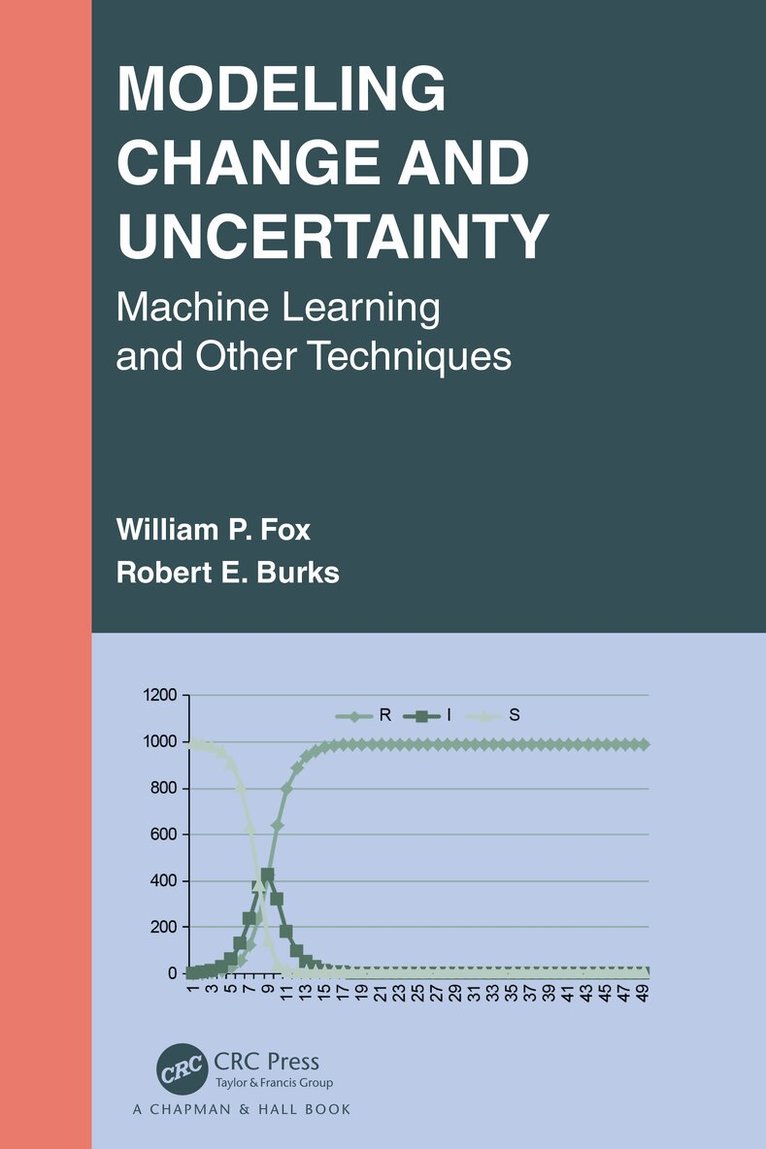
Mathematical modeling is a powerful craft that requires practice. The more practice the better one will become in executing the art. The authors wrote this book to develop the craft of mathematical modeling and to foster a desire for lifelong learning, habits of mind and develop competent and confident problem solvers and decision makers for the 21st century. This book offers a problem-solving approach. The authors introduce a problem to help motivate the learning of a particular mathematical modeling topic. The problem provides the issue or what is needed to solve using an appropriate modeling technique. Then principles are applied to the problem and present the steps in obtaining an appropriate model to solve the problem. Modeling Change and Uncertainty: Covers both linear and nonlinear models of discrete dynamical systems. Introduces statistics and probability modeling. Introduces critical statistical concepts to handle univariate and multivariate data. Establishes a foundation in probability modeling. Uses ordinary differential equations (ODEs) to develop a more robust solution to problems. Uses linear programming and machine learning to support decision making. Introduces the reality of uncertainty and randomness that is all around us. Discusses the use of linear programing to solve common problems in modern industry. Discusses he power and limitations of simulations.Introduces the methods and formulas used in businesses and financial organizations. Introduces valuable techniques using Excel, MAPLE, and R. Mathematical modeling offers a framework for decision makers in all fields. This framework consists of four key components: the formulation process, the solution process, interpretation of the solution in the context of the actual problem, and sensitivity analysis.Modeling Change and Uncertainty will be of interest to mathematics departments offering advanced mathematical modeling courses focused on decision making or discrete mathematical modeling and by undergraduate, graduate students and practitioners looking for an opportunity to develop, practice, and apply the craft of mathematical modeling.
820 kr
Skickas inom 10-15 vardagar
Mathematical modeling is a powerful craft that requires practice. The more practice the better one will become in executing the art. The authors wrote this book to develop the craft of mathematical modeling and to foster a desire for lifelong learning, habits of mind and develop competent and confident problem solvers and decision makers for the 21st century. This book offers a problem-solving approach. The authors introduce a problem to help motivate the learning of a particular mathematical modeling topic. The problem provides the issue or what is needed to solve using an appropriate modeling technique. Then principles are applied to the problem and present the steps in obtaining an appropriate model to solve the problem. Modeling Change and Uncertainty: Covers both linear and nonlinear models of discrete dynamical systems. Introduces statistics and probability modeling. Introduces critical statistical concepts to handle univariate and multivariate data. Establishes a foundation in probability modeling. Uses ordinary differential equations (ODEs) to develop a more robust solution to problems. Uses linear programming and machine learning to support decision making. Introduces the reality of uncertainty and randomness that is all around us. Discusses the use of linear programing to solve common problems in modern industry. Discusses he power and limitations of simulations.Introduces the methods and formulas used in businesses and financial organizations. Introduces valuable techniques using Excel, MAPLE, and R. Mathematical modeling offers a framework for decision makers in all fields. This framework consists of four key components: the formulation process, the solution process, interpretation of the solution in the context of the actual problem, and sensitivity analysis.Modeling Change and Uncertainty will be of interest to mathematics departments offering advanced mathematical modeling courses focused on decision making or discrete mathematical modeling and by undergraduate, graduate students and practitioners looking for an opportunity to develop, practice, and apply the craft of mathematical modeling.
1 887 kr
Skickas inom 10-15 vardagar
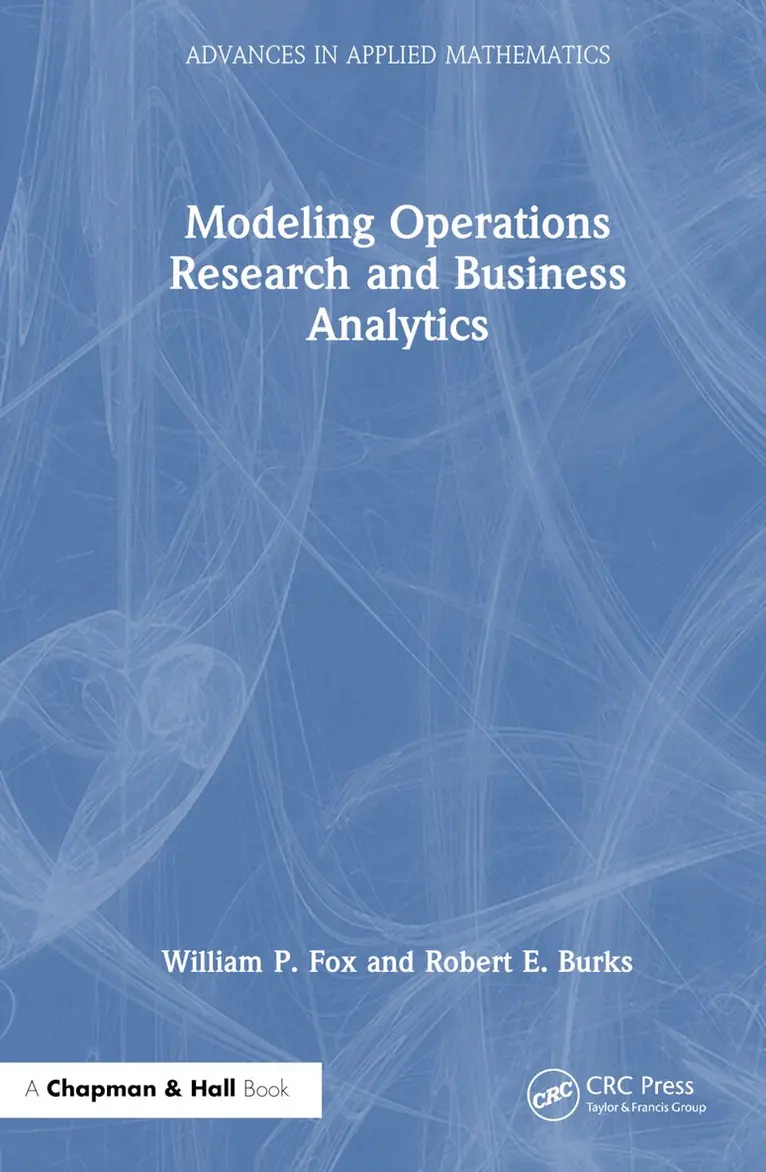
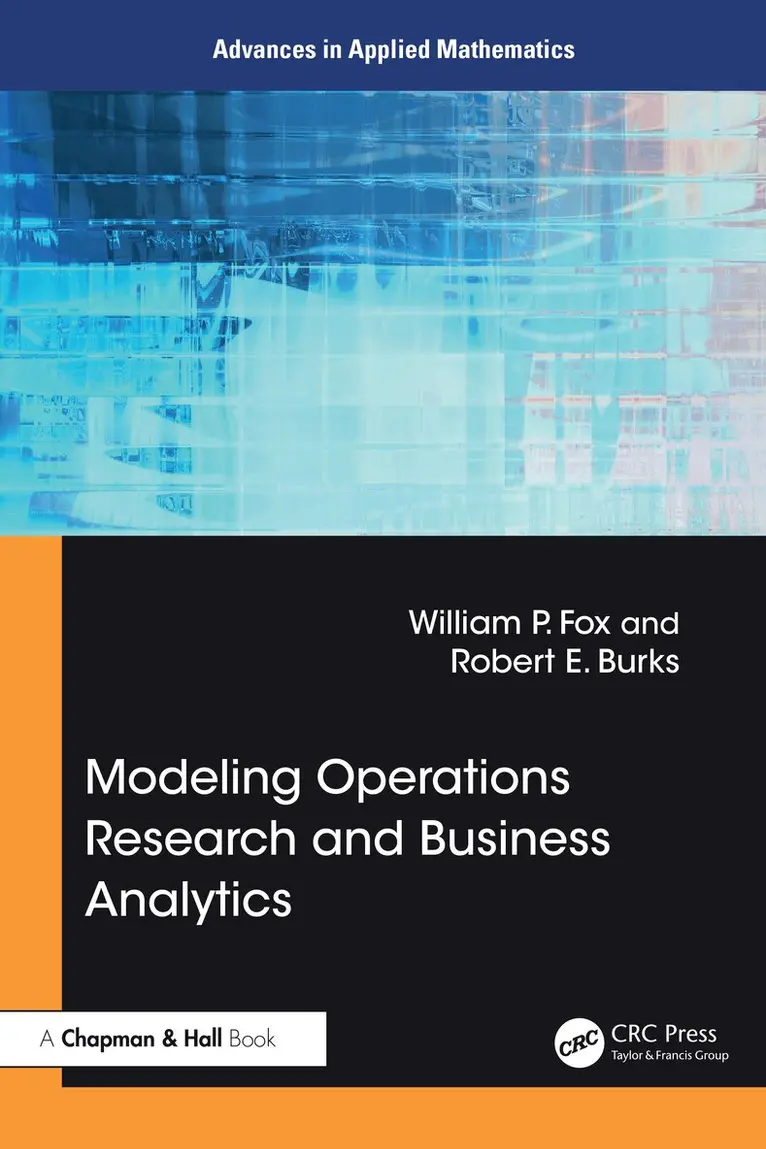
This book provides sample exercises, techniques, and solutions to employ mathematical modeling to solve problems in Operations Research and Business Analytics. Each chapter begins with a scenario and includes exercises built on realistic problems faced by managers and others working in operations research, business analytics, and other fields employing applied mathematics. A set of assumptions is presented, and then a model is formulated. A solution is offered, followed by examples of how that model can be used to address related issues.Key elements of this book include the most common problems the authors have encountered over research and while consulting the fields including inventory theory, facilities' location, linear and integer programming, assignment, transportation and shipping, critical path, dynamic programming, queuing models, simulation models, reliability of system, multi-attribute decision-making, and game theory.In the hands of an experienced professional, mathematical modeling can be a powerful tool. This book presents situations and models to help both professionals and students learn to employ these techniques to improve outcomes and to make addressing real business problems easier. The book is essential for all managers and others who would use mathematics to improve their problem-solving techniques.No previous exposure to mathematical modeling is required. The book can then be used for a first course on modeling, or by those with more experience who want to refresh their memories when they find themselves facing real-world problems. The problems chosen are presented to represent those faced by practitioners.The authors have been teaching mathematical modeling to students and professionals for nearly 40 years. This book is presented to offer their experience and techniques to instructors, students, and professionals.
698 kr
Skickas inom 10-15 vardagar
This book provides sample exercises, techniques, and solutions to employ mathematical modeling to solve problems in Operations Research and Business Analytics. Each chapter begins with a scenario and includes exercises built on realistic problems faced by managers and others working in operations research, business analytics, and other fields employing applied mathematics. A set of assumptions is presented, and then a model is formulated. A solution is offered, followed by examples of how that model can be used to address related issues.Key elements of this book include the most common problems the authors have encountered over research and while consulting the fields including inventory theory, facilities' location, linear and integer programming, assignment, transportation and shipping, critical path, dynamic programming, queuing models, simulation models, reliability of system, multi-attribute decision-making, and game theory.In the hands of an experienced professional, mathematical modeling can be a powerful tool. This book presents situations and models to help both professionals and students learn to employ these techniques to improve outcomes and to make addressing real business problems easier. The book is essential for all managers and others who would use mathematics to improve their problem-solving techniques.No previous exposure to mathematical modeling is required. The book can then be used for a first course on modeling, or by those with more experience who want to refresh their memories when they find themselves facing real-world problems. The problems chosen are presented to represent those faced by practitioners.The authors have been teaching mathematical modeling to students and professionals for nearly 40 years. This book is presented to offer their experience and techniques to instructors, students, and professionals.