William P. Fox – författare
892 kr
Skickas inom 10-15 vardagar
892 kr
Skickas inom 10-15 vardagar
850 kr
Skickas inom 10-15 vardagar
1 381 kr
Skickas inom 10-15 vardagar
1 468 kr
Skickas inom 10-15 vardagar
1 074 kr
Skickas inom 10-15 vardagar
2 676 kr
Skickas inom 10-15 vardagar
795 kr
Läs direkt efter köp
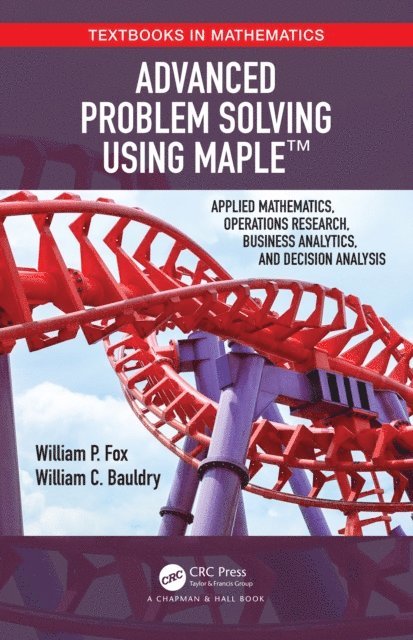
Advanced Problem Solving Using Maple™: Applied Mathematics, Operations Research, Business Analytics, and Decision Analysis applies the mathematical modeling process by formulating, building, solving, analyzing, and criticizing mathematical models. Scenarios are developed within the scope of the problem-solving process.
The text focuses on discrete dynamical systems, optimization techniques, single-variable unconstrained optimization and applied problems, and numerical search methods. Additional coverage includes multivariable unconstrained and constrained techniques. Linear algebra techniques to model and solve problems such as the Leontief model, and advanced regression techniques including nonlinear, logistics, and Poisson are covered. Game theory, the Nash equilibrium, and Nash arbitration are also included.
Features:
The text’s case studies and student projects involve students with real-world problem solving Focuses on numerical solution techniques in dynamical systems, optimization, and numerical analysis The numerical procedures discussed in the text are algorithmic and iterative Maple is utilized throughout the text as a tool for computation and analysis All algorithms are provided with step-by-step formatsAbout the Authors:
William P. Fox is an emeritus professor in the Department of Defense Analysis at the Naval Postgraduate School. Currently, he is an adjunct professor, Department of Mathematics, the College of William and Mary. He received his PhD at Clemson University and has many publications and scholarly activities including twenty books and over one hundred and fifty journal articles.
William C. Bauldry, Prof. Emeritus and Adjunct Research Prof. of Mathematics at Appalachian State University, received his PhD in Approximation Theory from Ohio State. He has published many papers on pedagogy and technology, often using Maple, and has been the PI of several NSF-funded projects incorporating technology and modeling into math courses. He currently serves as Associate Director of COMAP’s Math Contest in Modeling (MCM).
824 kr
Läs direkt efter köp
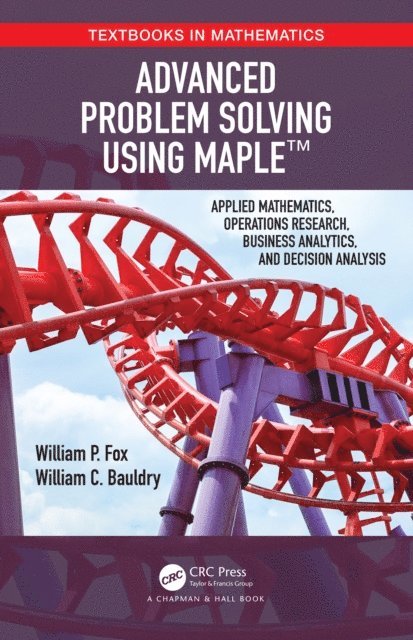
Advanced Problem Solving Using Maple™: Applied Mathematics, Operations Research, Business Analytics, and Decision Analysis applies the mathematical modeling process by formulating, building, solving, analyzing, and criticizing mathematical models. Scenarios are developed within the scope of the problem-solving process.
The text focuses on discrete dynamical systems, optimization techniques, single-variable unconstrained optimization and applied problems, and numerical search methods. Additional coverage includes multivariable unconstrained and constrained techniques. Linear algebra techniques to model and solve problems such as the Leontief model, and advanced regression techniques including nonlinear, logistics, and Poisson are covered. Game theory, the Nash equilibrium, and Nash arbitration are also included.
Features:
The text’s case studies and student projects involve students with real-world problem solving Focuses on numerical solution techniques in dynamical systems, optimization, and numerical analysis The numerical procedures discussed in the text are algorithmic and iterative Maple is utilized throughout the text as a tool for computation and analysis All algorithms are provided with step-by-step formatsAbout the Authors:
William P. Fox is an emeritus professor in the Department of Defense Analysis at the Naval Postgraduate School. Currently, he is an adjunct professor, Department of Mathematics, the College of William and Mary. He received his PhD at Clemson University and has many publications and scholarly activities including twenty books and over one hundred and fifty journal articles.
William C. Bauldry, Prof. Emeritus and Adjunct Research Prof. of Mathematics at Appalachian State University, received his PhD in Approximation Theory from Ohio State. He has published many papers on pedagogy and technology, often using Maple, and has been the PI of several NSF-funded projects incorporating technology and modeling into math courses. He currently serves as Associate Director of COMAP’s Math Contest in Modeling (MCM).
811 kr
Läs direkt efter köp
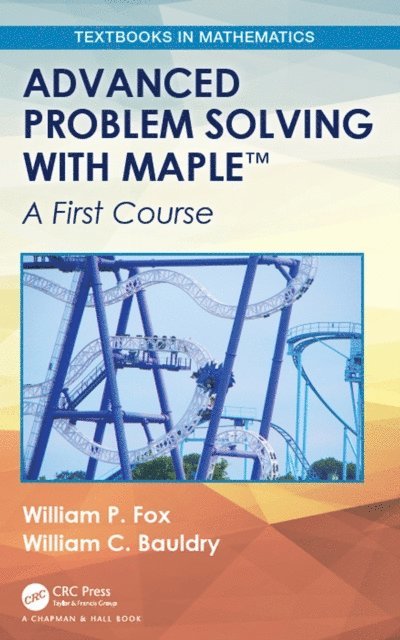
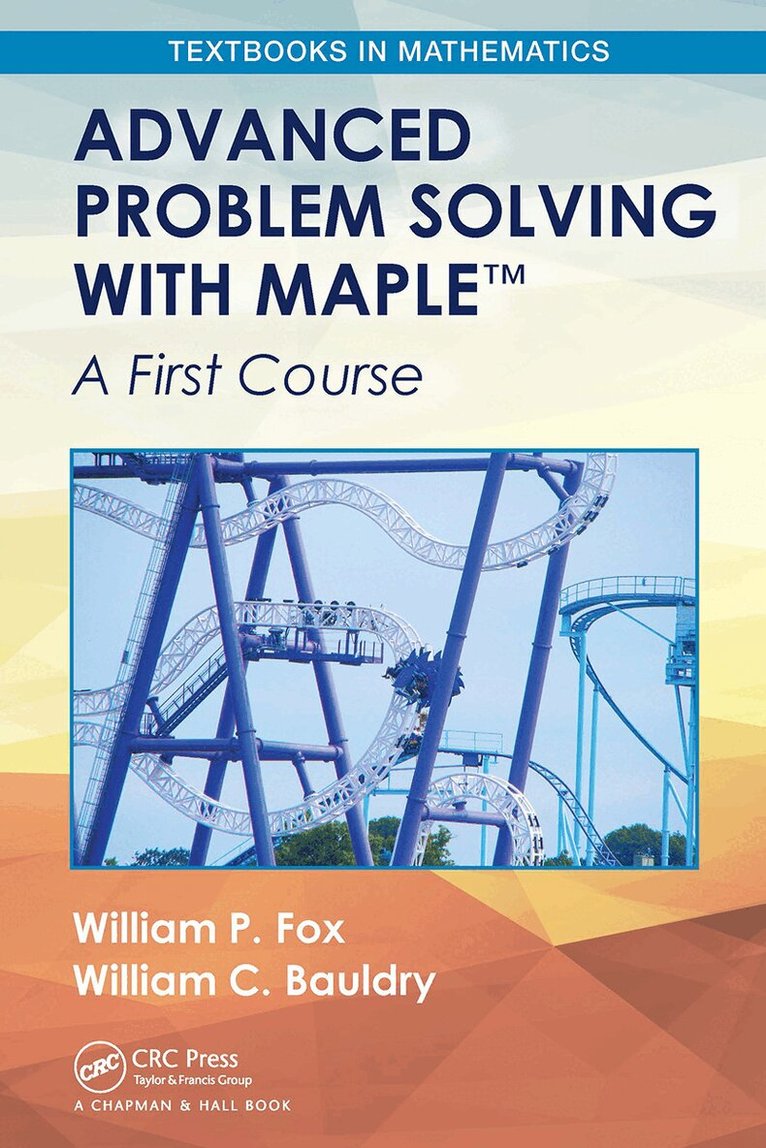
Problem Solving is essential to solve real-world problems. Advanced Problem Solving with Maple: A First Course applies the mathematical modeling process by formulating, building, solving, analyzing, and criticizing mathematical models. It is intended for a course introducing students to mathematical topics they will revisit within their further studies.
The authors present mathematical modeling and problem-solving topics using Maple as the computer algebra system for mathematical explorations, as well as obtaining plots that help readers perform analyses. The book presents cogent applications that demonstrate an effective use of Maple, provide discussions of the results obtained using Maple, and stimulate thought and analysis of additional applications.
Highlights:
The book’s real-world case studies prepare the student for modeling applications
Bridges the study of topics and applications to various fields of mathematics, science, and engineering
Features a flexible format and tiered approach offers courses for students at various levels
The book can be used for students with only algebra or calculus behind them
About the authors:
Dr. William P. Fox is an emeritus professor in the Department of Defense Analysis at the Naval Postgraduate School. Currently, he is an adjunct professor, Department of Mathematics, the College of William and Mary. He received his Ph.D. at Clemson University and has many publications and scholarly activities including twenty books and over one hundred and fifty journal articles.
William C. Bauldry, Prof. Emeritus and Adjunct Research Prof. of Mathematics at Appalachian State University, received his PhD in Approximation Theory from Ohio State. He has published many papers on pedagogy and technology, often using Maple, and has been the PI of several NSF-funded projects incorporating technology and modeling into math courses. He currently serves as Associate Director of COMAP’s Math Contest in Modeling (MCM).
*Please note that the Maple package, "PSM", is now on the public area of the Maple Cloud. To access it:
• From the web:
1. Go to the website https://maple.cloud
2. Click on "packages" in the left navigation pane
3. Click on "PSM" in the list of packages.
4. Click the "Download" button to capture the package.
• From Maple:
1. Click on the Maple Cloud icon (far right in the Maple window toolbar).
Or click on the Maple Cloud button on Maple''s Start page to go to the website.
2. Click on the "packages" in the navigation pane
3. Click on "PSM" in the list of packages.
The package then downloads into Maple directly.
811 kr
Läs direkt efter köp
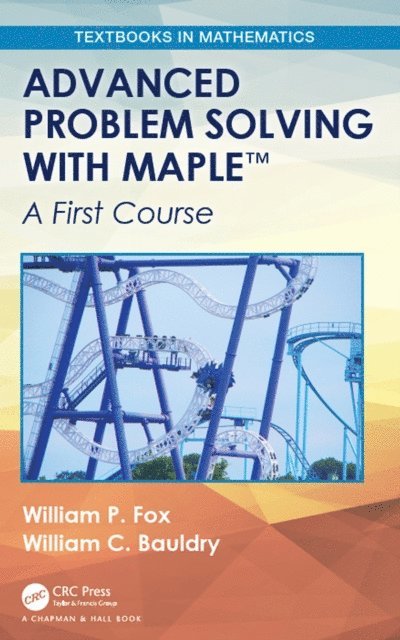
Problem Solving is essential to solve real-world problems. Advanced Problem Solving with Maple: A First Course applies the mathematical modeling process by formulating, building, solving, analyzing, and criticizing mathematical models. It is intended for a course introducing students to mathematical topics they will revisit within their further studies.
The authors present mathematical modeling and problem-solving topics using Maple as the computer algebra system for mathematical explorations, as well as obtaining plots that help readers perform analyses. The book presents cogent applications that demonstrate an effective use of Maple, provide discussions of the results obtained using Maple, and stimulate thought and analysis of additional applications.
Highlights:
The book’s real-world case studies prepare the student for modeling applications
Bridges the study of topics and applications to various fields of mathematics, science, and engineering
Features a flexible format and tiered approach offers courses for students at various levels
The book can be used for students with only algebra or calculus behind them
About the authors:
Dr. William P. Fox is an emeritus professor in the Department of Defense Analysis at the Naval Postgraduate School. Currently, he is an adjunct professor, Department of Mathematics, the College of William and Mary. He received his Ph.D. at Clemson University and has many publications and scholarly activities including twenty books and over one hundred and fifty journal articles.
William C. Bauldry, Prof. Emeritus and Adjunct Research Prof. of Mathematics at Appalachian State University, received his PhD in Approximation Theory from Ohio State. He has published many papers on pedagogy and technology, often using Maple, and has been the PI of several NSF-funded projects incorporating technology and modeling into math courses. He currently serves as Associate Director of COMAP’s Math Contest in Modeling (MCM).
*Please note that the Maple package, "PSM", is now on the public area of the Maple Cloud. To access it:
• From the web:
1. Go to the website https://maple.cloud
2. Click on "packages" in the left navigation pane
3. Click on "PSM" in the list of packages.
4. Click the "Download" button to capture the package.
• From Maple:
1. Click on the Maple Cloud icon (far right in the Maple window toolbar).
Or click on the Maple Cloud button on Maple''s Start page to go to the website.
2. Click on the "packages" in the navigation pane
3. Click on "PSM" in the list of packages.
The package then downloads into Maple directly.
841 kr
Läs direkt efter köp
841 kr
Läs direkt efter köp
1 009 kr
Läs direkt efter köp
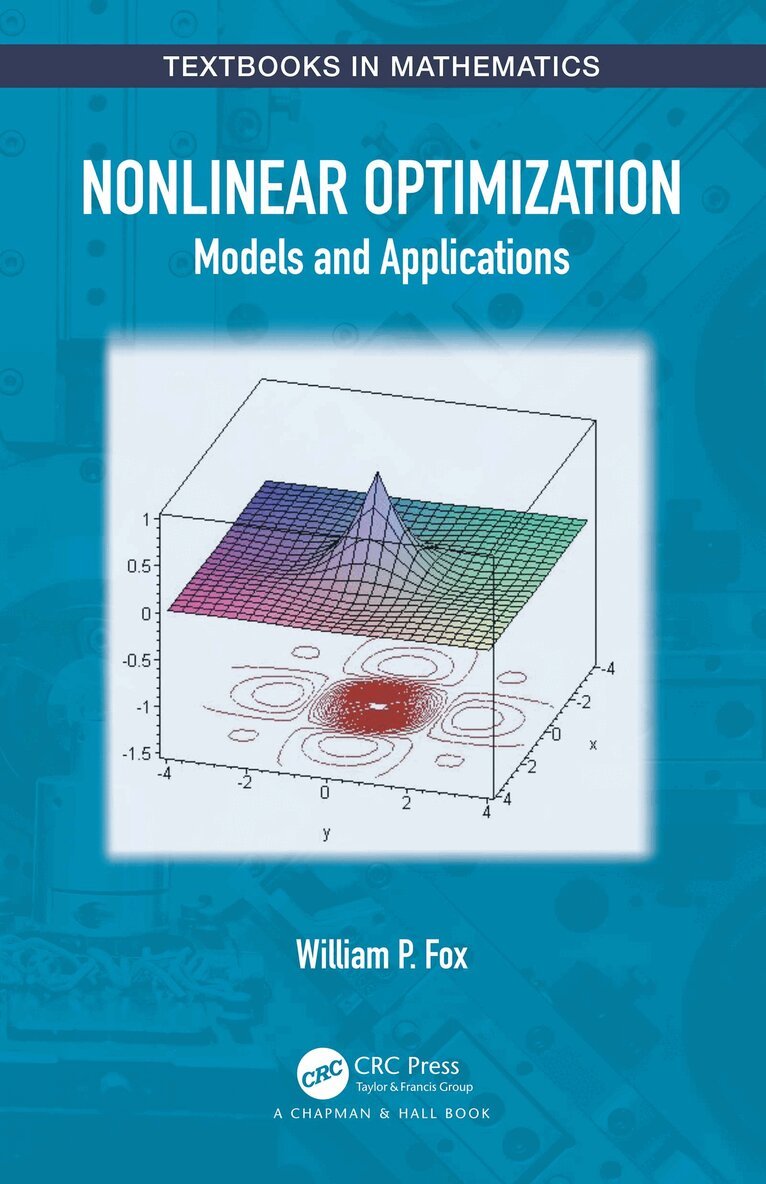
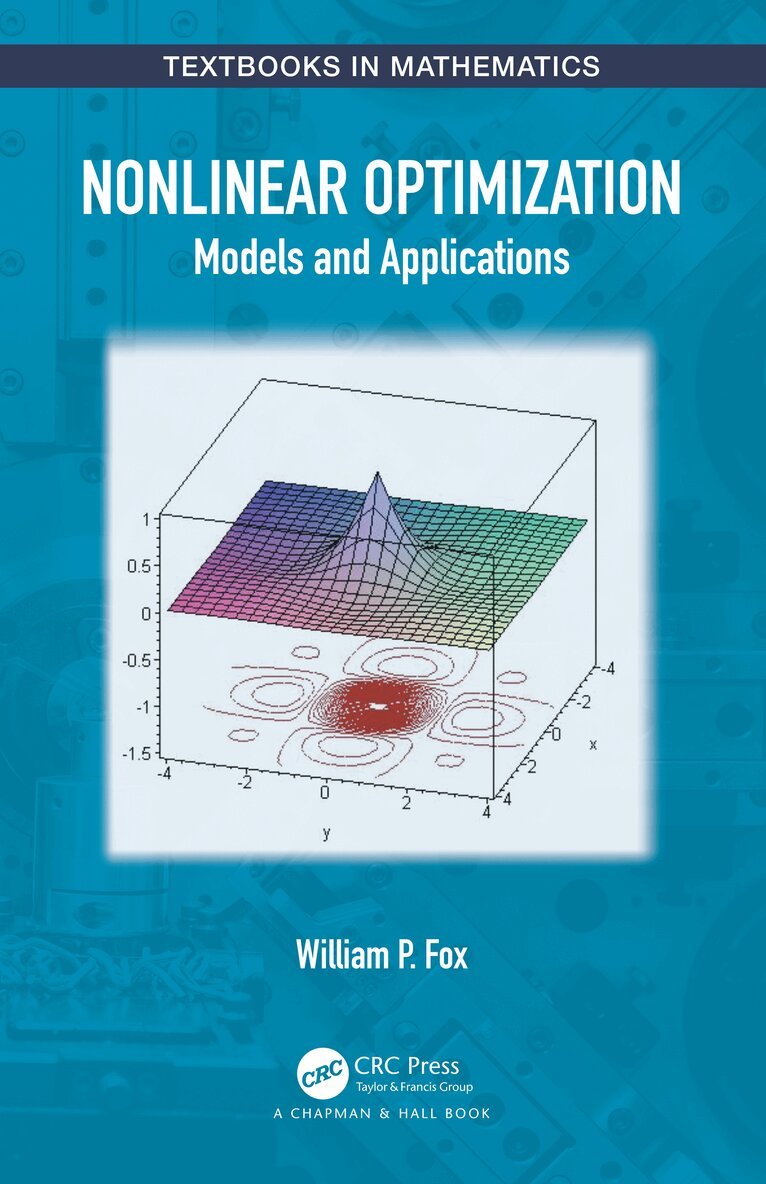
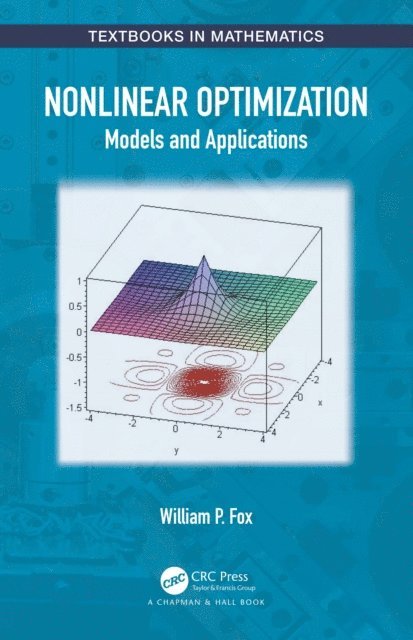
Optimization is the act of obtaining the "best" result under given circumstances. In design, construction, and maintenance of any engineering system, engineers must make technological and managerial decisions to minimize either the effort or cost required or to maximize benefits. There is no single method available for solving all optimization problems efficiently. Several optimization methods have been developed for different types of problems. The optimum-seeking methods are mathematical programming techniques (specifically, nonlinear programming techniques).
Nonlinear Optimization: Models and Applications presents the concepts in several ways to foster understanding. Geometric interpretation: is used to re-enforce the concepts and to foster understanding of the mathematical procedures. The student sees that many problems can be analyzed, and approximate solutions found before analytical solutions techniques are applied. Numerical approximations: early on, the student is exposed to numerical techniques. These numerical procedures are algorithmic and iterative. Worksheets are provided in Excel, MATLAB®, and Maple™ to facilitate the procedure. Algorithms: all algorithms are provided with a step-by-step format. Examples follow the summary to illustrate its use and application.
Nonlinear Optimization: Models and Applications:
Emphasizes process and interpretation throughout
Presents a general classification of optimization problems
Addresses situations that lead to models illustrating many types of optimization problems
Emphasizes model formulations
Addresses a special class of problems that can be solved using only elementary calculus
Emphasizes model solution and model sensitivity analysis
About the author:
William P. Fox is an emeritus professor in the Department of Defense Analysis at the Naval Postgraduate School. He received his Ph.D. at Clemson University and has taught at the United States Military Academy and at Francis Marion University where he was the chair of mathematics. He has written many publications, including over 20 books and over 150 journal articles. Currently, he is an adjunct professor in the Department of Mathematics at the College of William and Mary. He is the emeritus director of both the High School Mathematical Contest in Modeling and the Mathematical Contest in Modeling.
1 003 kr
Läs direkt efter köp
Optimization is the act of obtaining the "best" result under given circumstances. In design, construction, and maintenance of any engineering system, engineers must make technological and managerial decisions to minimize either the effort or cost required or to maximize benefits. There is no single method available for solving all optimization problems efficiently. Several optimization methods have been developed for different types of problems. The optimum-seeking methods are mathematical programming techniques (specifically, nonlinear programming techniques).
Nonlinear Optimization: Models and Applications presents the concepts in several ways to foster understanding. Geometric interpretation: is used to re-enforce the concepts and to foster understanding of the mathematical procedures. The student sees that many problems can be analyzed, and approximate solutions found before analytical solutions techniques are applied. Numerical approximations: early on, the student is exposed to numerical techniques. These numerical procedures are algorithmic and iterative. Worksheets are provided in Excel, MATLAB®, and Maple™ to facilitate the procedure. Algorithms: all algorithms are provided with a step-by-step format. Examples follow the summary to illustrate its use and application.
Nonlinear Optimization: Models and Applications:
Emphasizes process and interpretation throughout
Presents a general classification of optimization problems
Addresses situations that lead to models illustrating many types of optimization problems
Emphasizes model formulations
Addresses a special class of problems that can be solved using only elementary calculus
Emphasizes model solution and model sensitivity analysis
About the author:
William P. Fox is an emeritus professor in the Department of Defense Analysis at the Naval Postgraduate School. He received his Ph.D. at Clemson University and has taught at the United States Military Academy and at Francis Marion University where he was the chair of mathematics. He has written many publications, including over 20 books and over 150 journal articles. Currently, he is an adjunct professor in the Department of Mathematics at the College of William and Mary. He is the emeritus director of both the High School Mathematical Contest in Modeling and the Mathematical Contest in Modeling.
974 kr
Läs direkt efter köp
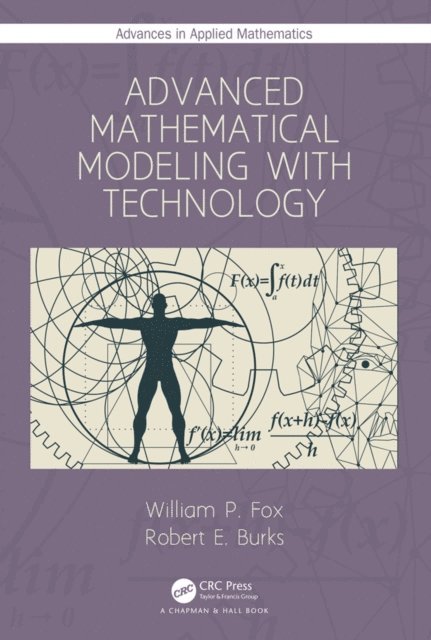
Mathematical modeling is both a skill and an art and must be practiced in order to maintain and enhance the ability to use those skills. Though the topics covered in this book are the typical topics of most mathematical modeling courses, this book is best used for individuals or groups who have already taken an introductory mathematical modeling course. Advanced Mathematical Modeling with Technology will be of interest to instructors and students offering courses focused on discrete modeling or modeling for decision making.
Each chapter begins with a problem to motivate the reader. The problem tells "what" the issue is or problem that needs to be solved. In each chapter, the authors apply the principles of mathematical modeling to that problem and present the steps in obtaining a model. The key focus is the mathematical model and the technology is presented as a method to solve that model or perform sensitivity analysis.
We have selected , where applicable to the content because of their wide accessibility. The authors utilize technology to build, compute, or implement the model and then analyze the it.
Features:
MAPLE©, Excel©, and R© to support the mathematical modeling process.
Excel templates, macros, and programs are available upon request from authors.
Maple templates and example solution are also available.
Includes coverage of mathematical programming.
The power and limitations of simulations is covered.
Introduces multi-attribute decision making (MADM) and game theory for solving problems.
The book provides an overview to the decision maker of the wide range of applications of quantitative approaches to aid in the decision making process, and present a framework for decision making.
974 kr
Läs direkt efter köp
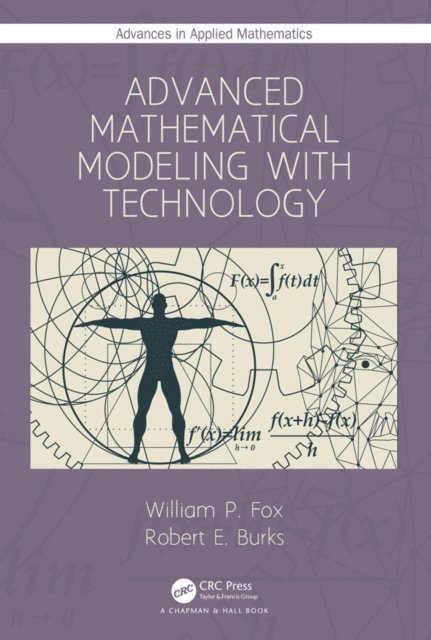
Mathematical modeling is both a skill and an art and must be practiced in order to maintain and enhance the ability to use those skills. Though the topics covered in this book are the typical topics of most mathematical modeling courses, this book is best used for individuals or groups who have already taken an introductory mathematical modeling course. Advanced Mathematical Modeling with Technology will be of interest to instructors and students offering courses focused on discrete modeling or modeling for decision making.
Each chapter begins with a problem to motivate the reader. The problem tells "what" the issue is or problem that needs to be solved. In each chapter, the authors apply the principles of mathematical modeling to that problem and present the steps in obtaining a model. The key focus is the mathematical model and the technology is presented as a method to solve that model or perform sensitivity analysis.
We have selected , where applicable to the content because of their wide accessibility. The authors utilize technology to build, compute, or implement the model and then analyze the it.
Features:
MAPLE©, Excel©, and R© to support the mathematical modeling process.
Excel templates, macros, and programs are available upon request from authors.
Maple templates and example solution are also available.
Includes coverage of mathematical programming.
The power and limitations of simulations is covered.
Introduces multi-attribute decision making (MADM) and game theory for solving problems.
The book provides an overview to the decision maker of the wide range of applications of quantitative approaches to aid in the decision making process, and present a framework for decision making.
1 278 kr
Läs direkt efter köp
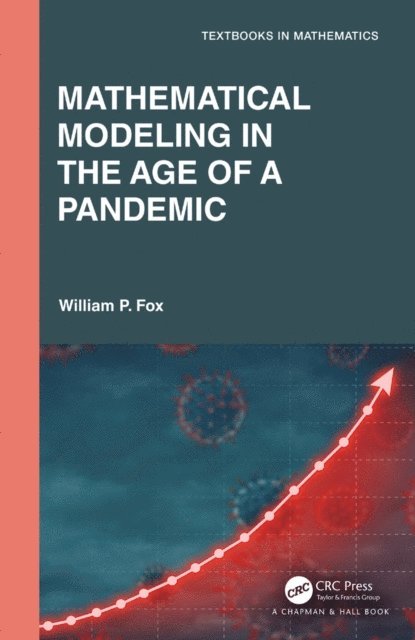
One cannot watch or read about the news these days without hearing about the models for COVID-19 or the testing that must occur to approve vaccines or treatments for the disease.
The purpose of Mathematical Modeling in the Age of a Pandemic is to shed some light on the meaning and interpretations of many of the types of models that are or might be used in the presentation of analysis. Understanding the concepts presented is essential in the entire modeling process of a pandemic.
From the virus itself and its infectious rates and deaths rates to explain the process for testing a vaccine or eventually a cure, the author builds, presents, and shows model testing.
This book is an attempt, based on available data, to add some validity to the models developed and used, showing how close to reality the models are to predicting "results" from previous pandemics such as the Spanish flu in 1918 and more recently the Hong Kong flu. Then the author applies those same models to Italy, New York City, and the United States as a whole.
Modeling is a process. It is essential to understand that there are many assumptions that go into the modeling of each type of model. The assumptions influence the interpretation of the results. Regardless of the modeling approach the results generally indicate approximately the same results. This book reveals how these interesting results are obtained.
1 278 kr
Läs direkt efter köp
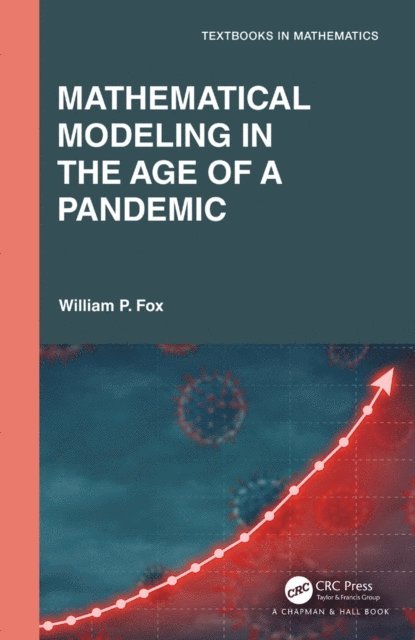
One cannot watch or read about the news these days without hearing about the models for COVID-19 or the testing that must occur to approve vaccines or treatments for the disease.
The purpose of Mathematical Modeling in the Age of a Pandemic is to shed some light on the meaning and interpretations of many of the types of models that are or might be used in the presentation of analysis. Understanding the concepts presented is essential in the entire modeling process of a pandemic.
From the virus itself and its infectious rates and deaths rates to explain the process for testing a vaccine or eventually a cure, the author builds, presents, and shows model testing.
This book is an attempt, based on available data, to add some validity to the models developed and used, showing how close to reality the models are to predicting "results" from previous pandemics such as the Spanish flu in 1918 and more recently the Hong Kong flu. Then the author applies those same models to Italy, New York City, and the United States as a whole.
Modeling is a process. It is essential to understand that there are many assumptions that go into the modeling of each type of model. The assumptions influence the interpretation of the results. Regardless of the modeling approach the results generally indicate approximately the same results. This book reveals how these interesting results are obtained.
1 009 kr
Läs direkt efter köp
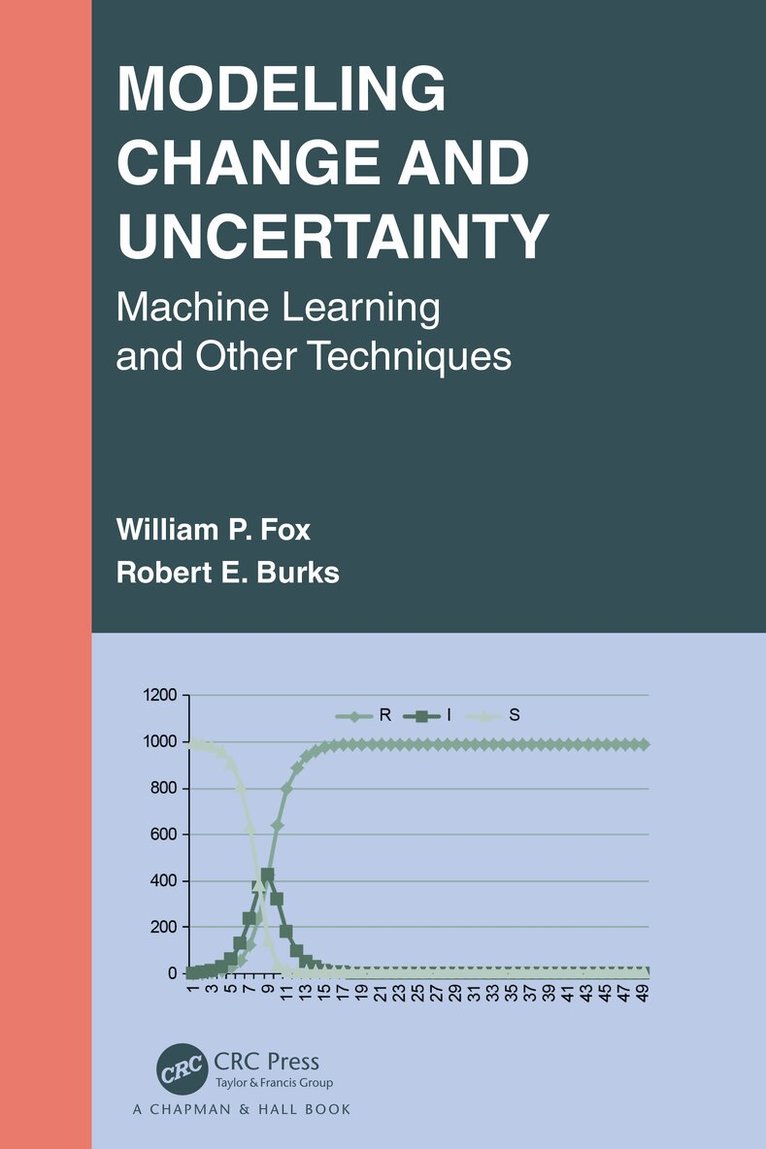
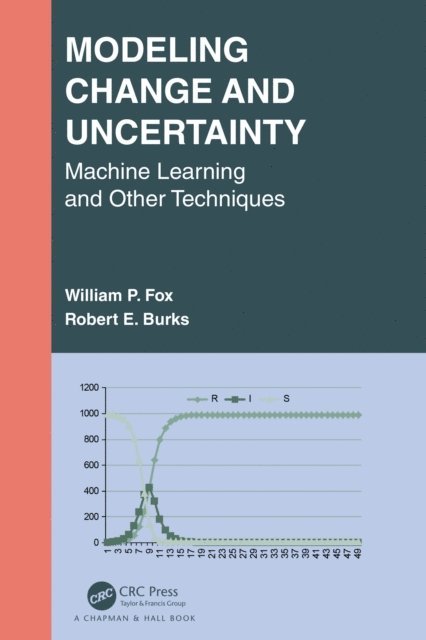
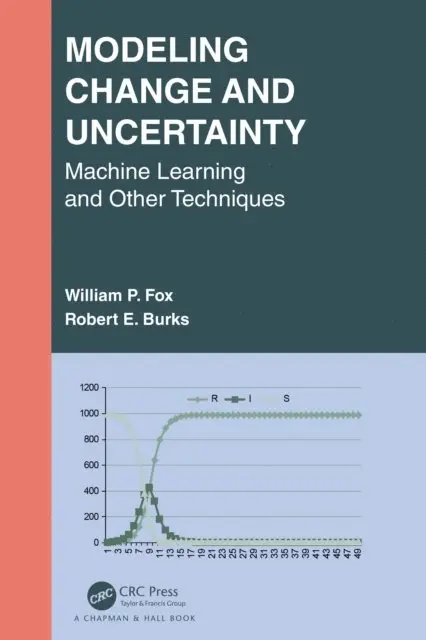
Mathematical modeling is a powerful craft that requires practice. The more practice the better one will become in executing the art. The authors wrote this book to develop the craft of mathematical modeling and to foster a desire for lifelong learning, habits of mind and develop competent and confident problem solvers and decision makers for the 21st century.
This book offers a problem-solving approach. The authors introduce a problem to help motivate the learning of a particular mathematical modeling topic. The problem provides the issue or what is needed to solve using an appropriate modeling technique. Then principles are applied to the problem and present the steps in obtaining an appropriate model to solve the problem.
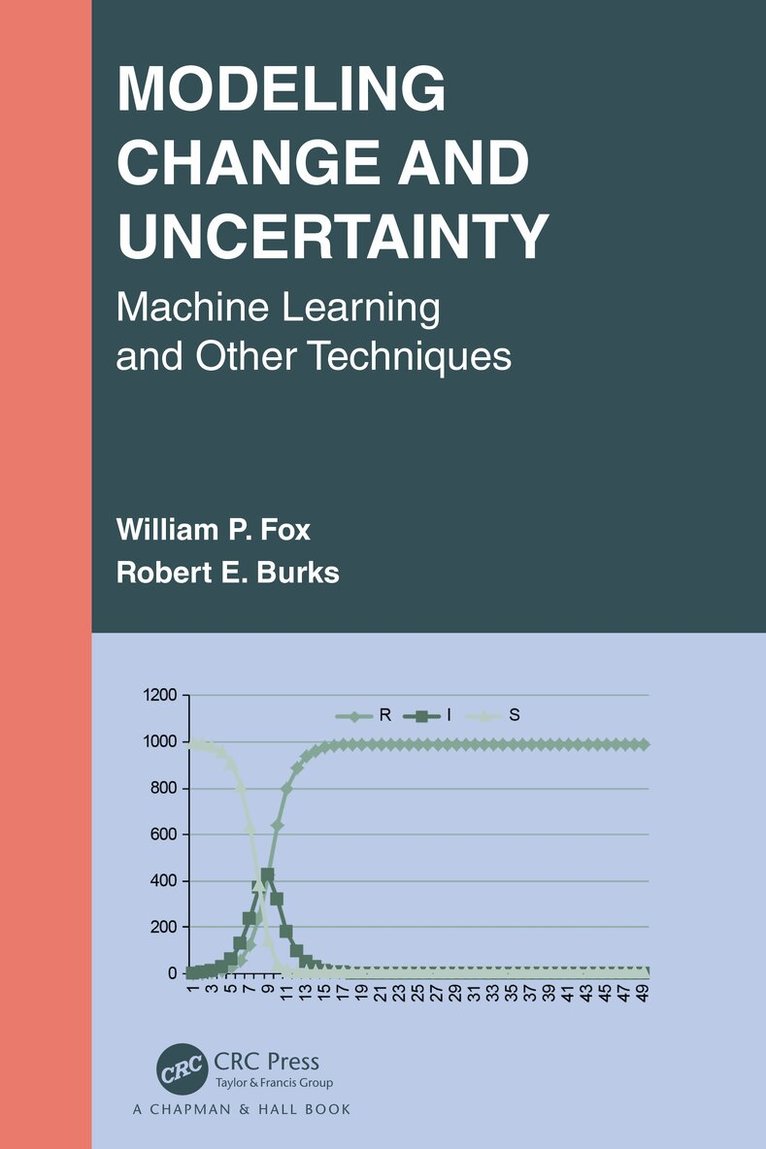
Modeling Change and Uncertainty:
Covers both linear and nonlinear models of discrete dynamical systems. Introduces statistics and probability modeling. Introduces critical statistical concepts to handle univariate and multivariate data. Establishes a foundation in probability modeling. Uses ordinary differential equations (ODEs) to develop a more robust solution to problems. Uses linear programming and machine learning to support decision making. Introduces the reality of uncertainty and randomness that is all around us. Discusses the use of linear programing to solve common problems in modern industry. Discusses he power and limitations of simulations. Introduces the methods and formulas used in businesses and financial organizations. Introduces valuable techniques using Excel, MAPLE, and R.
Mathematical modeling offers a framework for decision makers in all fields. This framework consists of four key components: the formulation process, the solution process, interpretation of the solution in the context of the actual problem, and sensitivity analysis.
Modeling Change and Uncertainty will be of interest to mathematics departments offering advanced mathematical modeling courses focused on decision making or discrete mathematical modeling and by undergraduate, graduate students and practitioners looking for an opportunity to develop, practice, and apply the craft of mathematical modeling.
1 009 kr
Läs direkt efter köp
Mathematical modeling is a powerful craft that requires practice. The more practice the better one will become in executing the art. The authors wrote this book to develop the craft of mathematical modeling and to foster a desire for lifelong learning, habits of mind and develop competent and confident problem solvers and decision makers for the 21st century.
This book offers a problem-solving approach. The authors introduce a problem to help motivate the learning of a particular mathematical modeling topic. The problem provides the issue or what is needed to solve using an appropriate modeling technique. Then principles are applied to the problem and present the steps in obtaining an appropriate model to solve the problem.
Modeling Change and Uncertainty:
Covers both linear and nonlinear models of discrete dynamical systems. Introduces statistics and probability modeling. Introduces critical statistical concepts to handle univariate and multivariate data. Establishes a foundation in probability modeling. Uses ordinary differential equations (ODEs) to develop a more robust solution to problems. Uses linear programming and machine learning to support decision making. Introduces the reality of uncertainty and randomness that is all around us. Discusses the use of linear programing to solve common problems in modern industry. Discusses he power and limitations of simulations. Introduces the methods and formulas used in businesses and financial organizations. Introduces valuable techniques using Excel, MAPLE, and R.
Mathematical modeling offers a framework for decision makers in all fields. This framework consists of four key components: the formulation process, the solution process, interpretation of the solution in the context of the actual problem, and sensitivity analysis.
Modeling Change and Uncertainty will be of interest to mathematics departments offering advanced mathematical modeling courses focused on decision making or discrete mathematical modeling and by undergraduate, graduate students and practitioners looking for an opportunity to develop, practice, and apply the craft of mathematical modeling.
1 765 kr
Läs direkt efter köp
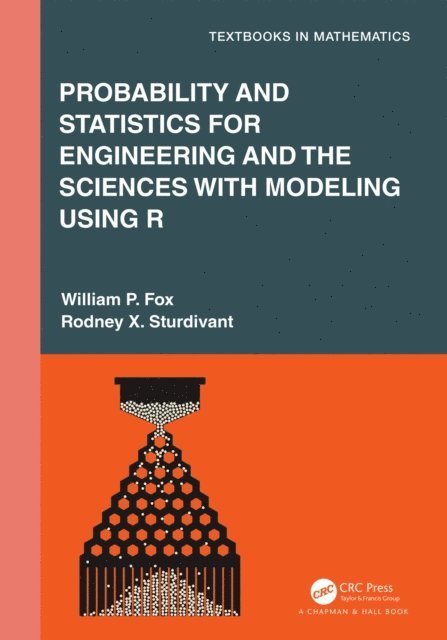
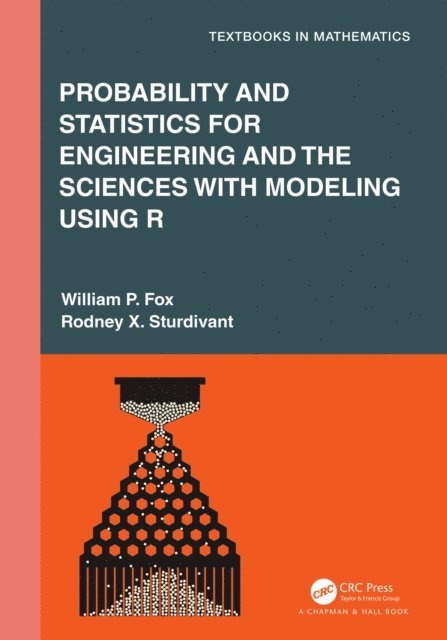
Probability and statistics courses are more popular than ever. Regardless of your major or your profession, you will most likely use concepts from probability and statistics often in your career.
The primary goal behind this book is offering the flexibility for instructors to build most undergraduate courses upon it. This book is designed for either a one-semester course in either introductory probability and statistics (not calculus-based) and/or a one-semester course in a calculus-based probability and statistics course.
The book focuses on engineering examples and applications, while also including social sciences and more examples. Depending on the chapter flows, a course can be tailored for students at all levels and background.
Over many years of teaching this course, the authors created problems based on real data, student projects, and labs. Students have suggested these enhance their experience and learning. The authors hope to share projects and labs with other instructors and students to make the course more interesting for both.
R is an excellent platform to use. This book uses R with real data sets. The labs can be used for group work, in class, or for self-directed study. These project labs have been class-tested for many years with good results and encourage students to apply the key concepts and use of technology to analyze and present results.
1 765 kr
Läs direkt efter köp
Probability and statistics courses are more popular than ever. Regardless of your major or your profession, you will most likely use concepts from probability and statistics often in your career.
The primary goal behind this book is offering the flexibility for instructors to build most undergraduate courses upon it. This book is designed for either a one-semester course in either introductory probability and statistics (not calculus-based) and/or a one-semester course in a calculus-based probability and statistics course.
The book focuses on engineering examples and applications, while also including social sciences and more examples. Depending on the chapter flows, a course can be tailored for students at all levels and background.
Over many years of teaching this course, the authors created problems based on real data, student projects, and labs. Students have suggested these enhance their experience and learning. The authors hope to share projects and labs with other instructors and students to make the course more interesting for both.
R is an excellent platform to use. This book uses R with real data sets. The labs can be used for group work, in class, or for self-directed study. These project labs have been class-tested for many years with good results and encourage students to apply the key concepts and use of technology to analyze and present results.
1 468 kr
Skickas inom 10-15 vardagar
1 763 kr
Skickas inom 10-15 vardagar
695 kr
Skickas inom 10-15 vardagar
709 kr
Skickas inom 10-15 vardagar
709 kr
Skickas inom 10-15 vardagar
2 957 kr
Skickas inom 10-15 vardagar
1 159 kr
Skickas inom 10-15 vardagar