Robert Vale – författare
546 kr
Skickas inom 10-15 vardagar
1 944 kr
Skickas inom 10-15 vardagar
2 566 kr
Skickas inom 10-15 vardagar
920 kr
Skickas inom 10-15 vardagar
515 kr
Skickas inom 10-15 vardagar
633 kr
Läs direkt efter köp
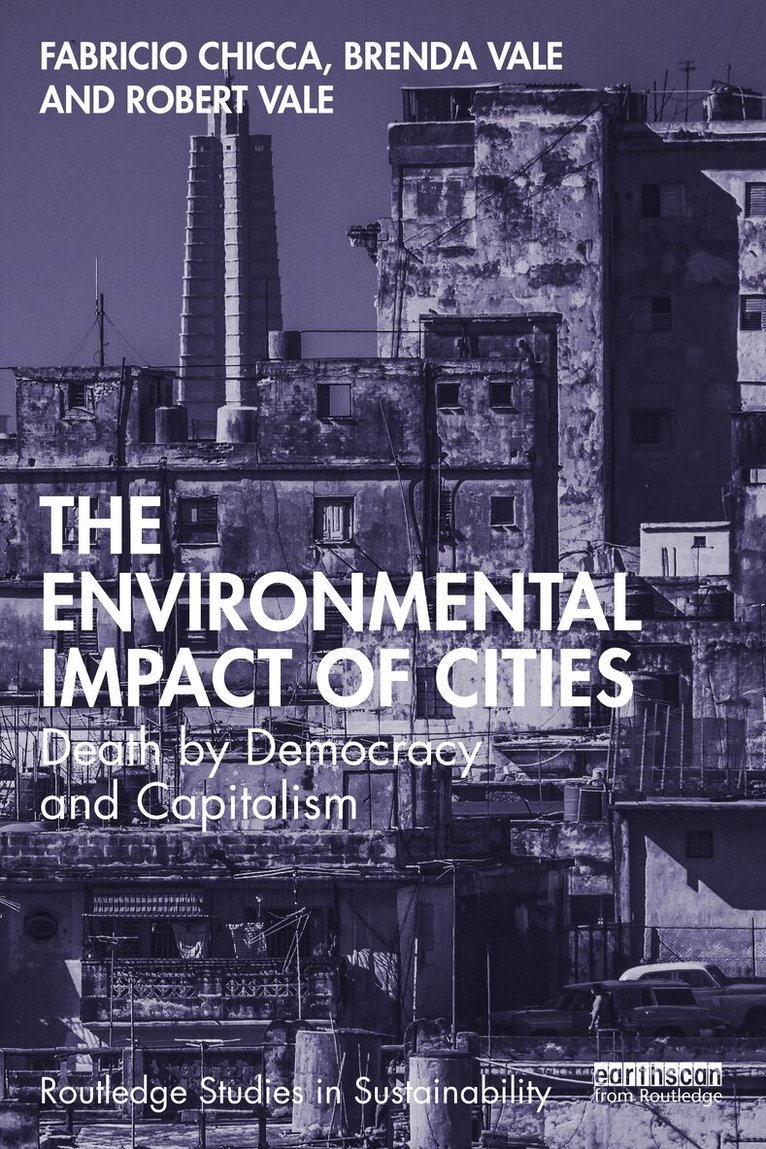
The Environmental Impact of Cities assesses the environmental impact that comes from cities and their inhabitants, demonstrating that our current political and economic systems are not environmentally sustainable because they are designed for endless growth in a system which is finite.
It is already well documented that political, economic and social forces are capable of shaping cities and their expansion, retraction, gentrification, re-population, industrialisation or de-industrialisation. However, the links between these political and economic forces and the environmental impact they have on urban areas have yet to be numerically presented. As a result, it is not clear how our cities are affecting the environment, meaning it is currently impossible to relate their economic, political and social systems to their environmental performance. This book examines a broad selection of cities covering a wide range of political systems, geography, cultural backgrounds and population size. The environmental impact of the selected cities is calculated using both ecological footprint and carbon emissions, two of the most extensively available indices for measuring environmental impact. The results are then considered in terms of political, economic and social factors to ascertain the degree to which these factors are helping or hindering the reduction of the environmental impact of humans.
This book will be of great interest to students and scholars of sustainability, urban planning, urban design, environmental sciences, geography and sociology.
633 kr
Läs direkt efter köp
The Environmental Impact of Cities assesses the environmental impact that comes from cities and their inhabitants, demonstrating that our current political and economic systems are not environmentally sustainable because they are designed for endless growth in a system which is finite.
It is already well documented that political, economic and social forces are capable of shaping cities and their expansion, retraction, gentrification, re-population, industrialisation or de-industrialisation. However, the links between these political and economic forces and the environmental impact they have on urban areas have yet to be numerically presented. As a result, it is not clear how our cities are affecting the environment, meaning it is currently impossible to relate their economic, political and social systems to their environmental performance. This book examines a broad selection of cities covering a wide range of political systems, geography, cultural backgrounds and population size. The environmental impact of the selected cities is calculated using both ecological footprint and carbon emissions, two of the most extensively available indices for measuring environmental impact. The results are then considered in terms of political, economic and social factors to ascertain the degree to which these factors are helping or hindering the reduction of the environmental impact of humans.
This book will be of great interest to students and scholars of sustainability, urban planning, urban design, environmental sciences, geography and sociology.
618 kr
Läs direkt efter köp
618 kr
Läs direkt efter köp
1 080 kr
Läs direkt efter köp
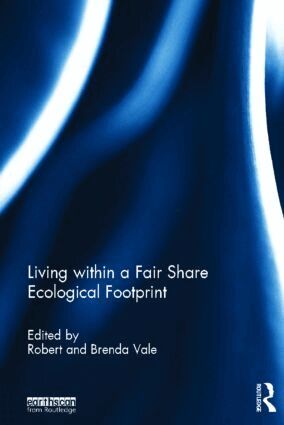
According to many authorities the impact of humanity on the earth is already overshooting the earth’s capacity to supply humanity’s needs. This is an unsustainable position. This book does not focus on the problem but on the solution, by showing what it is like to live within a fair earth share ecological footprint.
The authors describe numerical methods used to calculate this, concentrating on low or no cost behaviour change, rather than on potentially expensive technological innovation. They show what people need to do now in regions where their current lifestyle means they are living beyond their ecological means, such as in Europe, North America and Australasia. The calculations focus on outcomes rather than on detailed discussion of the methods used. The main objective is to show that living with a reduced ecological footprint is both possible and not so very different from the way most people currently live in the west.
The book clearly demonstrates that change in behaviour now will avoid some very challenging problems in the future. The emphasis is on workable, practical and sustainable solutions based on quantified research, rather than on generalities about overall problems facing humanity.
1 071 kr
Läs direkt efter köp
According to many authorities the impact of humanity on the earth is already overshooting the earth’s capacity to supply humanity’s needs. This is an unsustainable position. This book does not focus on the problem but on the solution, by showing what it is like to live within a fair earth share ecological footprint.
The authors describe numerical methods used to calculate this, concentrating on low or no cost behaviour change, rather than on potentially expensive technological innovation. They show what people need to do now in regions where their current lifestyle means they are living beyond their ecological means, such as in Europe, North America and Australasia. The calculations focus on outcomes rather than on detailed discussion of the methods used. The main objective is to show that living with a reduced ecological footprint is both possible and not so very different from the way most people currently live in the west.
The book clearly demonstrates that change in behaviour now will avoid some very challenging problems in the future. The emphasis is on workable, practical and sustainable solutions based on quantified research, rather than on generalities about overall problems facing humanity.
1 360 kr
Skickas inom 10-15 vardagar
2 151 kr
Skickas inom 10-15 vardagar
588 kr
Skickas inom 10-15 vardagar
682 kr
Läs direkt efter köp
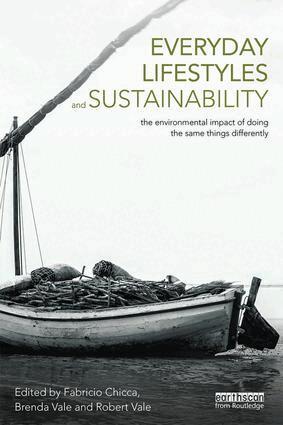
The impact of humanity on the earth overshoots the earth’s bio-capacity to supply humanity’s needs, meaning that people are living off earth’s capital rather than its income. However, not all countries are equal and this book explores why apparently similar patterns of daily living can lead to larger and smaller environmental impacts.
The contributors describe daily life in many different places in the world and then calculate the environmental impact of these ways of living from the perspective of ecological and carbon footprints. This leads to comparison and discussion of what living within the limits of the planet might mean. Current footprints for countries are derived from national statistics and these hide the variety of impacts made by individual people and the choices they make in their daily lives. This book takes a ‘bottom-up’ approach by calculating the footprints of daily living. The purpose is to show that small changes in behaviour now could avoid some very challenging problems in the future.
Offering a global perspective on the question of sustainable living, this book will be of great interest to anyone with a concern for the future, as well as students and researchers in environmental studies, human geography and development studies.
682 kr
Läs direkt efter köp
The impact of humanity on the earth overshoots the earth’s bio-capacity to supply humanity’s needs, meaning that people are living off earth’s capital rather than its income. However, not all countries are equal and this book explores why apparently similar patterns of daily living can lead to larger and smaller environmental impacts.
The contributors describe daily life in many different places in the world and then calculate the environmental impact of these ways of living from the perspective of ecological and carbon footprints. This leads to comparison and discussion of what living within the limits of the planet might mean. Current footprints for countries are derived from national statistics and these hide the variety of impacts made by individual people and the choices they make in their daily lives. This book takes a ‘bottom-up’ approach by calculating the footprints of daily living. The purpose is to show that small changes in behaviour now could avoid some very challenging problems in the future.
Offering a global perspective on the question of sustainable living, this book will be of great interest to anyone with a concern for the future, as well as students and researchers in environmental studies, human geography and development studies.
464 kr
Skickas inom 10-15 vardagar
629 kr
Läs direkt efter köp
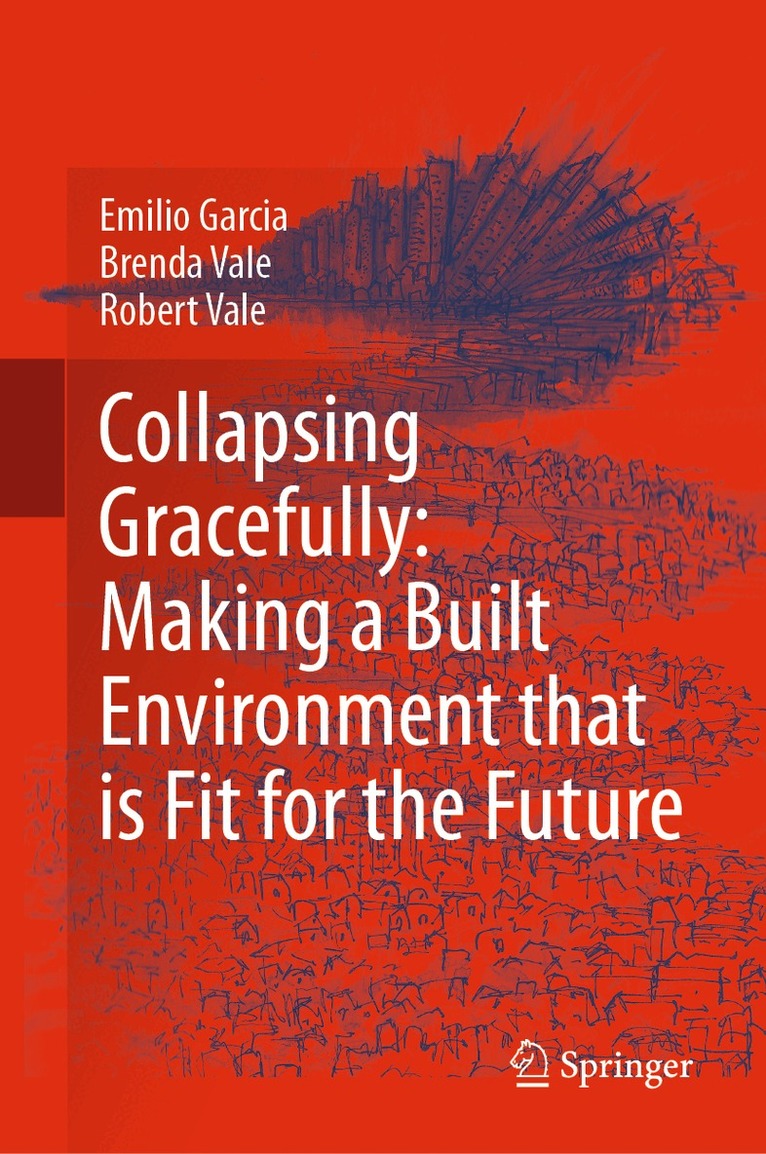
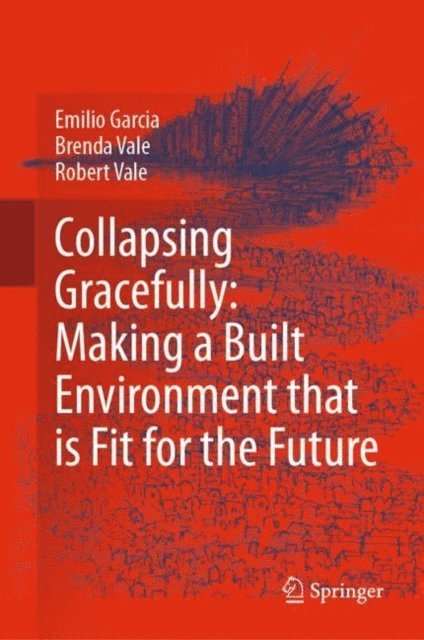
This innovative book investigates the concept of collapse in terms of our built environment, exploring the future transition of modern cities towards scenarios very different from the current promises of progress and development. This is not a book about the end of the world and hopeless apocalyptic scenarios. It is about understanding change in how and where we live. Collapse is inevitable, but in the built environment collapse could imply a manageable situation, an opportunity for change or a devastating reality.
Collapsing gracefully means that there might be better ways to coexist with collapse if we learn more about it and commit to rebuild our civilisations in ways that avoid its worst effects. This book uses a wide range of practical examples to study critical changes in the built environment, to contextualise and visualise what collapse looks like, to see if it is possible to buffer its effects in places already collapsing and to propose ways to develop greater resilience.
The book challenges all agents and institutions in modern cities, their designers and planners as well as their residents and users to think differently about built environment so as to ease our coexistence with collapse and not contribute to its causes.
.
464 kr
Skickas inom 10-15 vardagar
1 335 kr
Skickas inom 10-15 vardagar
1 672 kr
Läs direkt efter köp
1 297 kr
Skickas inom 10-15 vardagar
120 kr
Läs direkt efter köp