Roberto Aliboni – författare
Visar alla böcker från författaren Roberto Aliboni. Handla med fri frakt och snabb leverans.
16 produkter
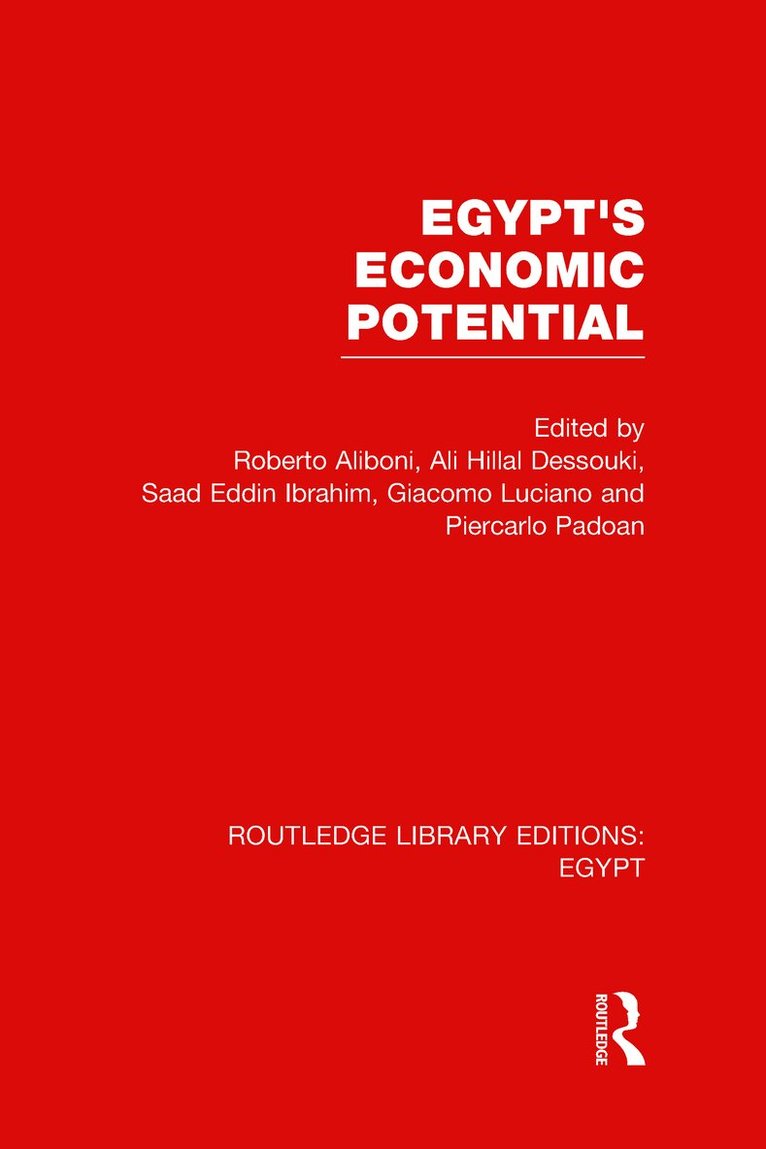
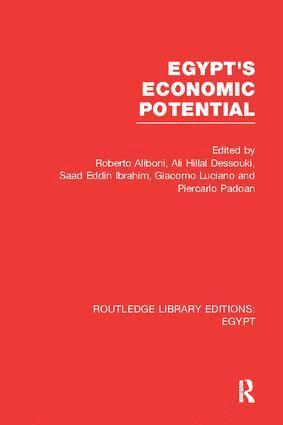
Egypt's Economic Potential (RLE Egypt)
Inbunden, 2012
2586 kr
Lägg i varukorg
Over the last ten years the Egyptian economy has undergone a major transformation which has led to greater decentralisation and international competition. This transformation, along with changing circumstances in the surrounding Arab areas and the end of hostilities with Israel, has given a boost …
Security Challenges in the Mediterranean Region
Av Roberto Aliboni, George Joffe m. fl.
Häftad, 1996
822 kr
Lägg i varukorg
Contributions to this book question the concept of the clash of cultures. The challenge to the West does not lie in the monolith of Islam turning aggressively outward to Europe and the US, but in the rivalries between regimes ruling over societies divided by an imbalance in wealth and power.
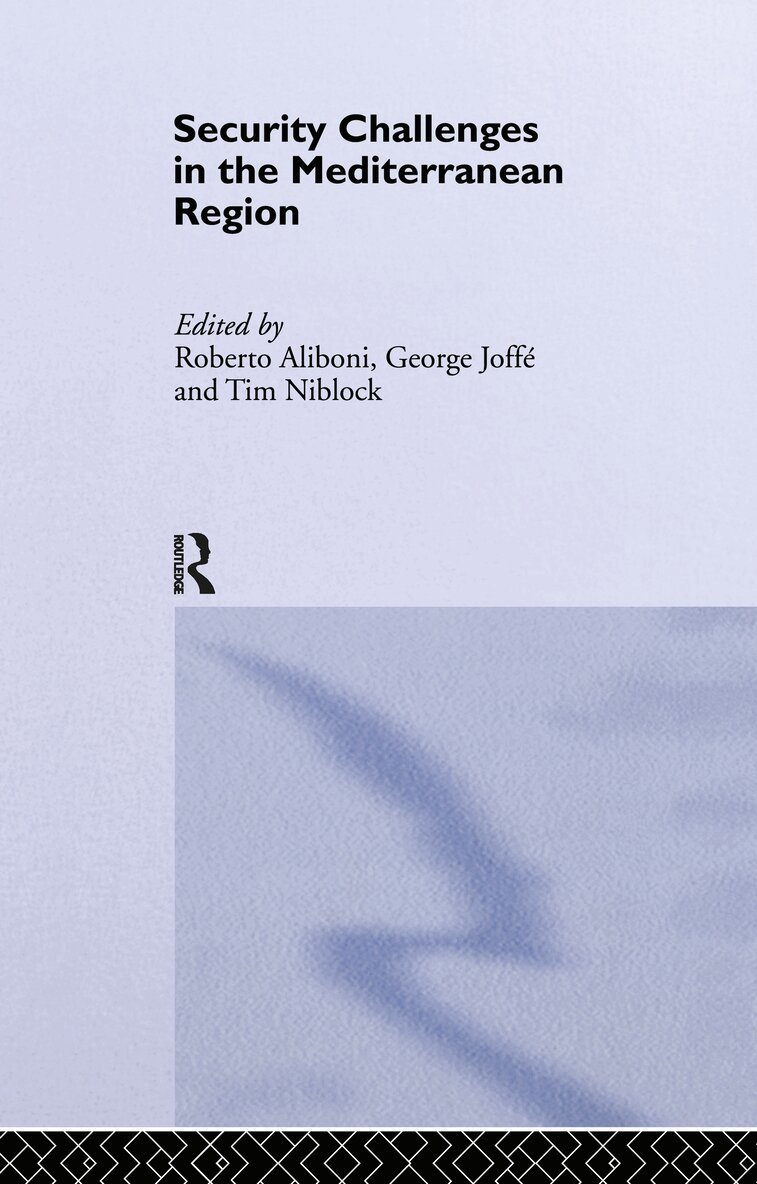
Security Challenges in the Mediterranean Region
Av Roberto Aliboni, George Joffe m. fl.
Inbunden, 1996
2512 kr
Lägg i varukorg
Contributions to this book question the concept of the clash of cultures. The challenge to the West does not lie in the monolith of Islam turning aggressively outward to Europe and the US, but in the rivalries between regimes ruling over societies divided by an imbalance in wealth and power.
Egypt's Economic Potential (RLE Egypt)
E-bok, 2013
890 kr
Lägg i varukorg
Over the last ten years the Egyptian economy has undergone a major transformation which has led to greater decentralisation and international competition. This transformation, along with changing circumstances in the surrounding Arab areas and the end of hostilities with Israel, has given a boost …
Egypt's Economic Potential (RLE Egypt)
E-bok, 2013
910 kr
Lägg i varukorg
Over the last ten years the Egyptian economy has undergone a major transformation which has led to greater decentralisation and international competition. This transformation, along with changing circumstances in the surrounding Arab areas and the end of hostilities with Israel, has given a boost …
Security Challenges in the Mediterranean Region
Av Tim Niblock, George Joffe m. fl.
E-bok, 2013
970 kr
Lägg i varukorg
Contributions to this book question the concept of the clash of cultures. The challenge to the West does not lie in the monolith of Islam turning aggressively outward to Europe and the US, but in the rivalries between regimes ruling over societies divided by an imbalance in wealth and power.
Security Challenges in the Mediterranean Region
Av Tim Niblock, George Joffe m. fl.
E-bok, 2013
970 kr
Lägg i varukorg
Contributions to this book question the concept of the clash of cultures. The challenge to the West does not lie in the monolith of Islam turning aggressively outward to Europe and the US, but in the rivalries between regimes ruling over societies divided by an imbalance in wealth and power.
Egypt's Economic Potential (RLE Egypt)
Häftad, 2017
772 kr
Lägg i varukorg
Over the last ten years the Egyptian economy has undergone a major transformation which has led to greater decentralisation and international competition. This transformation, along with changing circumstances in the surrounding Arab areas and the end of hostilities with Israel, has given a boost …
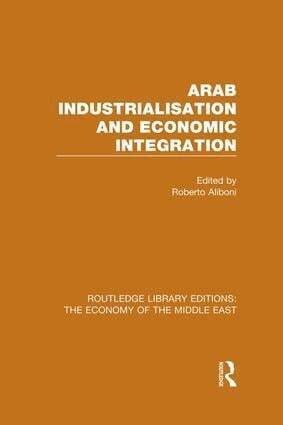
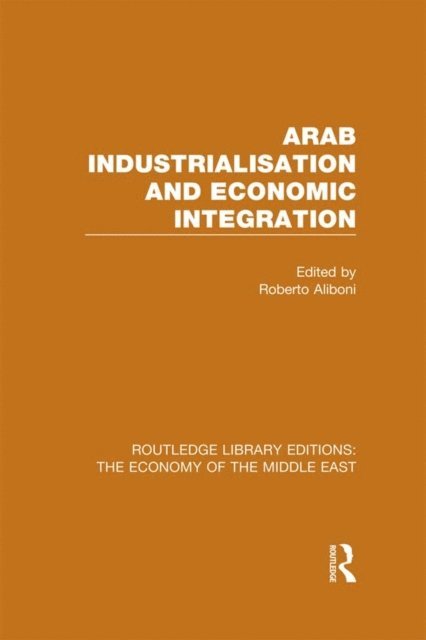
Arab Industrialisation and Economic Integration (RLE Economy of Middle East)
Av Roberto Aliboni, Roberto Aliboni
Inbunden, 2014
2197 kr
Lägg i varukorg
Independently commissioned by IAI, the three studies comprising this book examine inter-Arab industrial and economic cooperation. The first chapter analyses the industrial strategies, economic policies and attempts at harmonisation and cooperation of the Arab countries, providing a detailed picture …
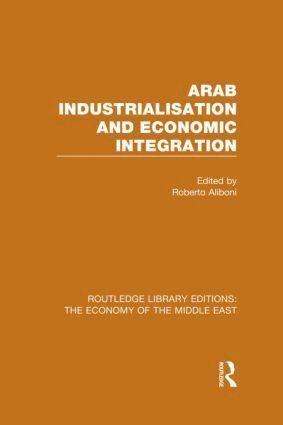
Arab Industrialisation and Economic Integration (RLE Economy of Middle East)
Av Roberto Aliboni, Roberto Aliboni
Häftad, 2018
560 kr
Lägg i varukorg
Independently commissioned by IAI, the three studies comprising this book examine inter-Arab industrial and economic cooperation. The first chapter analyses the industrial strategies, economic policies and attempts at harmonisation and cooperation of the Arab countries, providing a detailed picture …
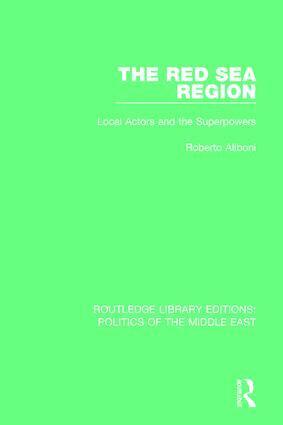
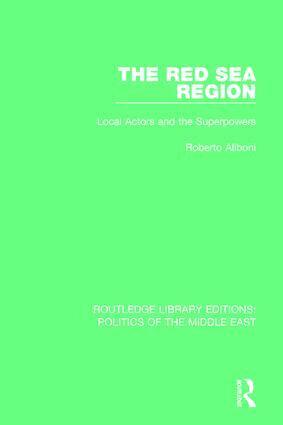
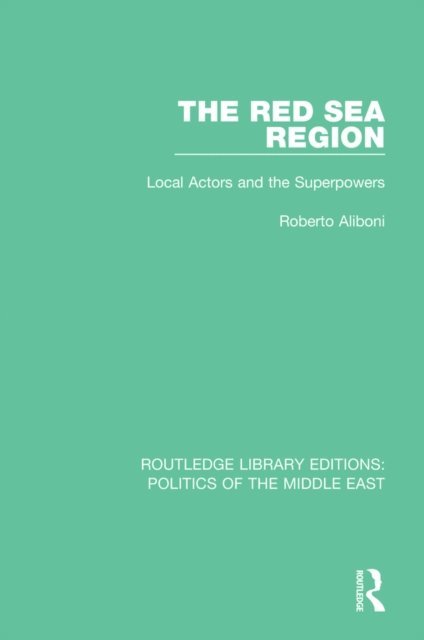
Red Sea Region
Local Actors and the Superpowers
Inbunden, 2015
2197 kr
Lägg i varukorg
Since the late 1970s the Red Sea has become extremely important both in international politics and regional affairs. This situation came about because of the growing Soviet presence in the Horn of Africa and Saudi efforts to have the Red Sea treated as an ‘Arab Lake’. This book, first published in …
Red Sea Region
Local Actors and the Superpowers
Häftad, 2016
772 kr
Lägg i varukorg
Since the late 1970s the Red Sea has become extremely important both in international politics and regional affairs. This situation came about because of the growing Soviet presence in the Horn of Africa and Saudi efforts to have the Red Sea treated as an ‘Arab Lake’. This book, first published in …
Red Sea Region
Local Actors and the Superpowers
E-bok, 2015
883 kr
Lägg i varukorg
Since the late 1970s the Red Sea has become extremely important both in international politics and regional affairs. This situation came about because of the growing Soviet presence in the Horn of Africa and Saudi efforts to have the Red Sea treated as an ‘Arab Lake’. This book, first published …
Red Sea Region
Local Actors and the Superpowers
E-bok, 2015
864 kr
Lägg i varukorg
Since the late 1970s the Red Sea has become extremely important both in international politics and regional affairs. This situation came about because of the growing Soviet presence in the Horn of Africa and Saudi efforts to have the Red Sea treated as an ‘Arab Lake’. This book, first published …
Arab Industrialisation and Economic Integration (RLE Economy of Middle East)
Av Roberto Aliboni, Roberto Aliboni
E-bok, 2014
658 kr
Lägg i varukorg
Independently commissioned by IAI, the three studies comprising this book examine inter-Arab industrial and economic cooperation. The first chapter analyses the industrial strategies, economic policies and attempts at harmonisation and cooperation of the Arab countries, providing a detailed picture …
Arab Industrialisation and Economic Integration (RLE Economy of Middle East)
Av Roberto Aliboni, Roberto Aliboni
E-bok, 2014
658 kr
Lägg i varukorg
Independently commissioned by IAI, the three studies comprising this book examine inter-Arab industrial and economic cooperation. The first chapter analyses the industrial strategies, economic policies and attempts at harmonisation and cooperation of the Arab countries, providing a detailed picture …