Roberto González – författare
Visar alla böcker från författaren Roberto González. Handla med fri frakt och snabb leverans.
6 produkter
6 produkter
Inbunden, Engelska, 2022
1 249 kr
Skickas inom 7-10 vardagar
The Millennial Generation, those born between the early 1980s and the late 1990s, is the most educated, digitally connected, and globalized in the history of the world. Around the globe, this generation encompasses 1.8 billion people--a quarter of the world's population--and will soon produce a majority of the world's political, economic, and social leaders. Millennials grew up experiencing the terrorist attacks of September 11, the perpetual "war on terror", the global proliferation of the internet and smart phones, and the increased interconnectedness of people around the world. In many countries, Millennials' young adulthood has been marked by high rates of unemployment and underemployment that surpass those of their parents and grandparents, making them the first generation in the modern era to have higher rates of poverty than their predecessors at the same age. These factors afford a unique opportunity to explore how Millennial attitudes, compared to older adults, vary across different cultures, political settings, and economic circumstances. Citizens of the World examines the Millennial Generation from a comparative perspective, providing insight into the degree to which generational differences in political attitudes and behaviors transcend cultures and borders. The book looks at Millennial attitudes about family life, gender roles, institutions, politics, religion, lifestyle, and the future to better understand how or if governance will change under this generation and the degree of influence they currently wield in different countries. Key to this research is the finding that Millennials have developed a global identity that distinguishes them from older adults. Drawing on data from Australia, Chile, Mexico, New Zealand, South Africa, South Korea, the United Kingdom, and the United States, Citizens of the World shows how this global identity has developed and how it fuels Millennials' policy attitudes and willingness to engage in the political world.
Häftad, Engelska, 2022
316 kr
Skickas inom 5-8 vardagar
The Millennial Generation, those born between the early 1980s and the late 1990s, is the most educated, digitally connected, and globalized in the history of the world. Around the globe, this generation encompasses 1.8 billion people--a quarter of the world's population--and will soon produce a majority of the world's political, economic, and social leaders. Millennials grew up experiencing the terrorist attacks of September 11, the perpetual "war on terror", the global proliferation of the internet and smart phones, and the increased interconnectedness of people around the world. In many countries, Millennials' young adulthood has been marked by high rates of unemployment and underemployment that surpass those of their parents and grandparents, making them the first generation in the modern era to have higher rates of poverty than their predecessors at the same age. These factors afford a unique opportunity to explore how Millennial attitudes, compared to older adults, vary across different cultures, political settings, and economic circumstances. Citizens of the World examines the Millennial Generation from a comparative perspective, providing insight into the degree to which generational differences in political attitudes and behaviors transcend cultures and borders. The book looks at Millennial attitudes about family life, gender roles, institutions, politics, religion, lifestyle, and the future to better understand how or if governance will change under this generation and the degree of influence they currently wield in different countries. Key to this research is the finding that Millennials have developed a global identity that distinguishes them from older adults. Drawing on data from Australia, Chile, Mexico, New Zealand, South Africa, South Korea, the United Kingdom, and the United States, Citizens of the World shows how this global identity has developed and how it fuels Millennials' policy attitudes and willingness to engage in the political world.
E-bok
PDF, Engelska, 2022260 kr
Läs direkt efter köp
The Millennial Generation, those born between the early 1980s and the late 1990s, is the most educated, digitally connected, and globalized in the history of the world. Around the globe, this generation encompasses 1.8 billion people--a quarter of the world''s population--and will soon produce a majority of the world''s political, economic, and social leaders. Millennials grew up experiencing the terrorist attacks of September 11, the perpetual "war on terror", the global proliferation of the internet and smart phones, and the increased interconnectedness of people around the world. In many countries, Millennials'' young adulthood has been marked by high rates of unemployment and underemployment that surpass those of their parents and grandparents, making them the first generation in the modern era to have higher rates of poverty than their predecessors at the same age. These factors afford a unique opportunity to explore how Millennial attitudes, compared to older adults, vary across different cultures, political settings, and economic circumstances. Citizens of the World examines the Millennial Generation from a comparative perspective, providing insight into the degree to which generational differences in political attitudes and behaviors transcend cultures and borders. The book looks at Millennial attitudes about family life, gender roles, institutions, politics, religion, lifestyle, and the future to better understand how or if governance will change under this generation and the degree of influence they currently wield in different countries. Key to this research is the finding that Millennials have developed a global identity that distinguishes them from older adults. Drawing on data from Australia, Chile, Mexico, New Zealand, South Africa, South Korea, the United Kingdom, and the United States, Citizens of the World shows how this global identity has developed and how it fuels Millennials'' policy attitudes and willingness to engage in the political world.
E-bok
Engelska, 2022260 kr
Läs direkt efter köp
The Millennial Generation, those born between the early 1980s and the late 1990s, is the most educated, digitally connected, and globalized in the history of the world. Around the globe, this generation encompasses 1.8 billion people--a quarter of the world''s population--and will soon produce a majority of the world''s political, economic, and social leaders. Millennials grew up experiencing the terrorist attacks of September 11, the perpetual "war on terror", the global proliferation of the internet and smart phones, and the increased interconnectedness of people around the world. In many countries, Millennials'' young adulthood has been marked by high rates of unemployment and underemployment that surpass those of their parents and grandparents, making them the first generation in the modern era to have higher rates of poverty than their predecessors at the same age. These factors afford a unique opportunity to explore how Millennial attitudes, compared to older adults, vary across different cultures, political settings, and economic circumstances. Citizens of the World examines the Millennial Generation from a comparative perspective, providing insight into the degree to which generational differences in political attitudes and behaviors transcend cultures and borders. The book looks at Millennial attitudes about family life, gender roles, institutions, politics, religion, lifestyle, and the future to better understand how or if governance will change under this generation and the degree of influence they currently wield in different countries. Key to this research is the finding that Millennials have developed a global identity that distinguishes them from older adults. Drawing on data from Australia, Chile, Mexico, New Zealand, South Africa, South Korea, the United Kingdom, and the United States, Citizens of the World shows how this global identity has developed and how it fuels Millennials'' policy attitudes and willingness to engage in the political world.
E-bok
Spanska, 2017102 kr
Läs direkt efter köp
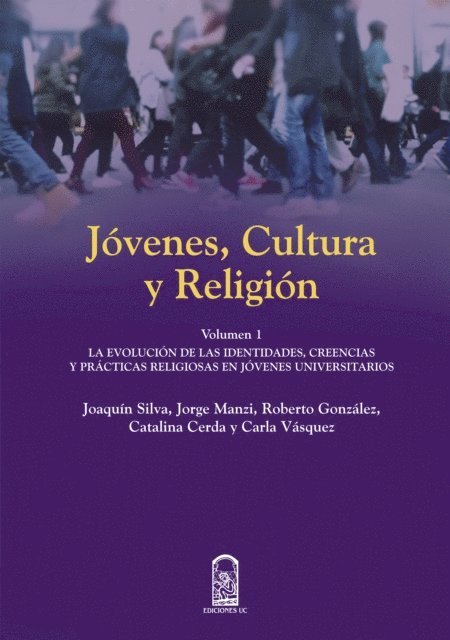
A partir del año 2007, un grupo de investigadores de la Escuela de Psicología y de la Facultad de Teología de la Universidad Católica realizó un estudio con jóvenes desde el inicio al término de la vida universitaria, a fin de comprender mejor el proceso de transición a la vida adulta en la esfera de las identidades, creencias religiosas, políticas y sociales. El foco de este libro en la evolución de las identidades, creencias y prácticas religiosas de los jóvenes responde a la necesidad de analizar las preguntas centrales que se hacen acerca de la espiritualidad y del sentido de la vida, que han demostrados ser tópicos recurrentes de su experiencia vital.
E-bok
Spanska, 201574 kr
Läs direkt efter köp
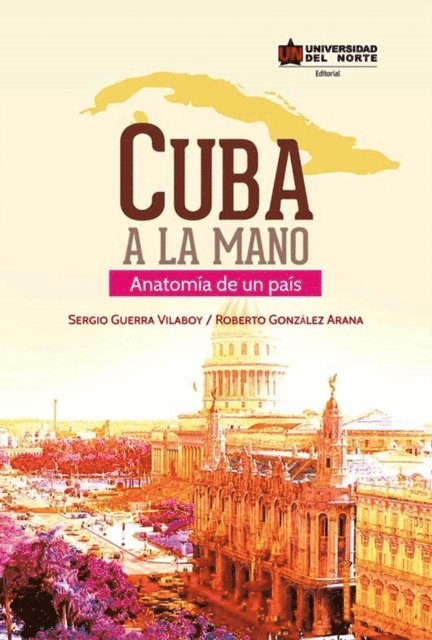
Esta obra inicia la COLECCIÓN GRAN CARIBE, proyecto editorial que se propone difundir diversos aspectos de la realidad histórica, económica, social, política y cultural de los países que integran la Gran Cuenca del Caribe, región a menudo poco estudiada por la literatura académica. En este volúmen los lectores encontrarán valiosa información acerca de Cuba, la isla mayor del archipiélago de las Antillas, lo que sin lugar a dudas facilitará la comprensión de su devenir histórico y los retos que enfrenta de cara al futuro.