Robin Drogemuller – författare
1 003 kr
Läs direkt efter köp
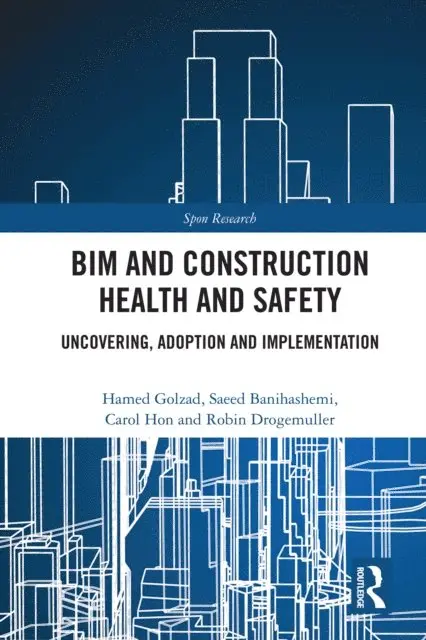
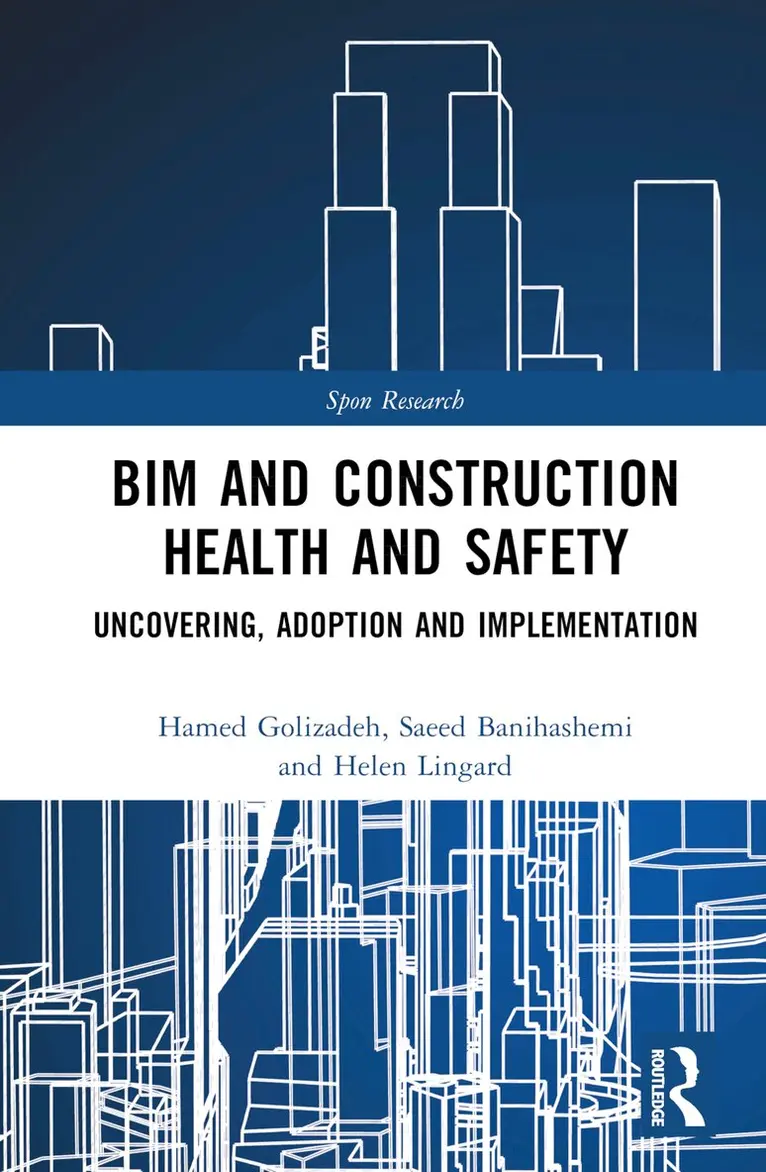
This book aims to conceptualise the implementation of building information modelling (BIM) in the workplace health and safety (WHS) management of construction projects to reduce occupational accidents. The safety performance of the construction industry has always been a concern across the globe, and this devastating reputation has drawn the concern of many nations. The potential functions of BIM can drastically alter the WHS practices of the construction industry. BIM facilitates WHS information exchange and management and supports better collaboration and project planning through virtual visualisation of the construction WHS management process. Despite an increasing interest in BIM, a successful mechanism for employing BIM in construction WHS management is absent. Therefore, this book aims to fill this dearth by presenting a model for the integration of such innovative interventions with the current industry practices in a practical manner through the proper identification of effective areas and evaluation of their impacts on the key criteria of construction projects and organisations. This approach will foster the implementation of BIM in the current state of WHS management in the industry and can potentially reduce occupational accidents on construction sites.
This book is essential reading for researchers and professionals interested in how BIM technology can improve health and safety on construction projects. It is intended for engineers, project managers, construction managers, safety officers and safety managers.
1 003 kr
Läs direkt efter köp
This book aims to conceptualise the implementation of building information modelling (BIM) in the workplace health and safety (WHS) management of construction projects to reduce occupational accidents. The safety performance of the construction industry has always been a concern across the globe, and this devastating reputation has drawn the concern of many nations. The potential functions of BIM can drastically alter the WHS practices of the construction industry. BIM facilitates WHS information exchange and management and supports better collaboration and project planning through virtual visualisation of the construction WHS management process. Despite an increasing interest in BIM, a successful mechanism for employing BIM in construction WHS management is absent. Therefore, this book aims to fill this dearth by presenting a model for the integration of such innovative interventions with the current industry practices in a practical manner through the proper identification of effective areas and evaluation of their impacts on the key criteria of construction projects and organisations. This approach will foster the implementation of BIM in the current state of WHS management in the industry and can potentially reduce occupational accidents on construction sites.
This book is essential reading for researchers and professionals interested in how BIM technology can improve health and safety on construction projects. It is intended for engineers, project managers, construction managers, safety officers and safety managers.
2 481 kr
Skickas inom 10-15 vardagar
832 kr
Skickas inom 10-15 vardagar
802 kr
Läs direkt efter köp
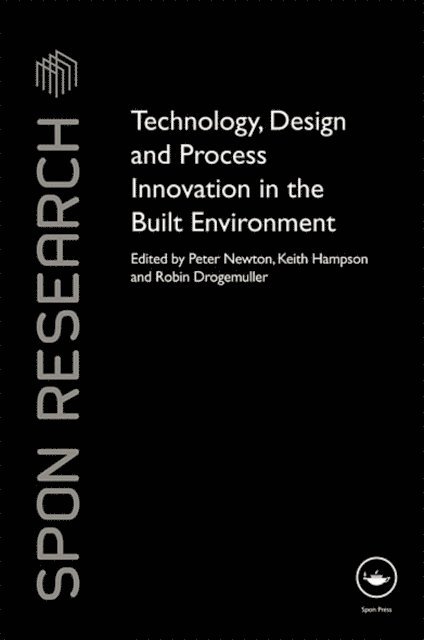
Buildings and infrastructure represent principal assets of any national economy as well as prime sources of environmental degradation. Making them more sustainable represents a key challenge for the construction, planning and design industries and governments at all levels; and the rapid urbanisation of the 21st century has turned this into a global challenge.
This book embodies the results of a major research programme by members of the Australia Co-operative Research Centre for Construction Innovation and its global partners, presented for an international audience of construction researchers, senior professionals and advanced students. It covers four themes, applied to regeneration as well as to new build, and within the overall theme of Innovation:
Sustainable Materials and Manufactures, focusing on building material products, their manufacture and assembly – and the reduction of their ecological ‘fingerprints’, the extension of their service lives, and their re-use and recyclability. It also explores the prospects for applying the principles of the assembly line.
Virtual Design, Construction and Management, viewed as increasing sustainable development through automation, enhanced collaboration (such as virtual design teams), real time BL performance assessment during design, simulation of the construction process, life-cycle management of project information (zero information loss) risk minimisation, and increased potential for innovation and value adding.
Integrating Design, Construction and Facility Management over the Project Life Cycle, by converging ICT, design science engineering and sustainability science.
Integration across spatial scales, enabling building–infrastructure synergies (such as water and energy efficiency). Convergences between IT and design and operational processes are also viewed as a key platform increased sustainability.
795 kr
Läs direkt efter köp
Buildings and infrastructure represent principal assets of any national economy as well as prime sources of environmental degradation. Making them more sustainable represents a key challenge for the construction, planning and design industries and governments at all levels; and the rapid urbanisation of the 21st century has turned this into a global challenge.
This book embodies the results of a major research programme by members of the Australia Co-operative Research Centre for Construction Innovation and its global partners, presented for an international audience of construction researchers, senior professionals and advanced students. It covers four themes, applied to regeneration as well as to new build, and within the overall theme of Innovation:
Sustainable Materials and Manufactures, focusing on building material products, their manufacture and assembly – and the reduction of their ecological ‘fingerprints’, the extension of their service lives, and their re-use and recyclability. It also explores the prospects for applying the principles of the assembly line.
Virtual Design, Construction and Management, viewed as increasing sustainable development through automation, enhanced collaboration (such as virtual design teams), real time BL performance assessment during design, simulation of the construction process, life-cycle management of project information (zero information loss) risk minimisation, and increased potential for innovation and value adding.
Integrating Design, Construction and Facility Management over the Project Life Cycle, by converging ICT, design science engineering and sustainability science.
Integration across spatial scales, enabling building–infrastructure synergies (such as water and energy efficiency). Convergences between IT and design and operational processes are also viewed as a key platform increased sustainability.
685 kr
Skickas inom 10-15 vardagar
1 855 kr
Tillfälligt slut