Roel Vande Winkel – författare
1 042 kr
Skickas inom 10-15 vardagar
1 568 kr
Skickas inom 10-15 vardagar
1 879 kr
Läs direkt efter köp
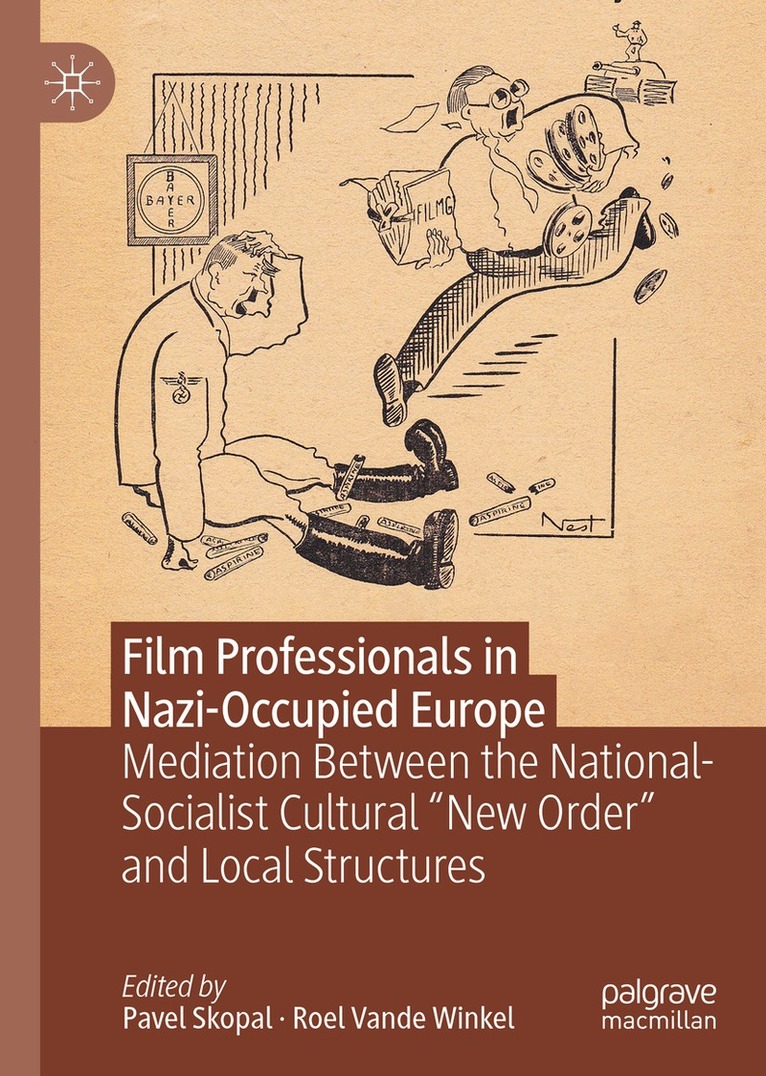
This book analyses the film industries and cinema cultures of Nazi-occupied countries (1939-1945) from the point of view of individuals: local captains of industry, cinema managers, those working for film studios and officials authorized to navigate film policy. The book considers these people from a historical perspective, taking into account their career before the occupation and, where relevant, pays attention to their post-war lives. The perspectives of these historical agents” contributes to an understanding of how top-down orders and haphazard signals from the occupying administration were moulded, adjusted and distorted in the process of their translation and implementation. This edited collection offers a more dynamic and less deterministic approach to research on the international expansion of Third-Reich cinema in World War Two; an approach that strives to balance the role of individual agency with the structural determinants. The case studies presented in this book coverthe territories of Belgium, Czechoslovakia, France, the Netherlands, Norway, Poland and the Soviet Union.
1 568 kr
Skickas inom 10-15 vardagar
1 502 kr
Skickas inom 10-15 vardagar
1 289 kr
Läs direkt efter köp
This volume addresses the underscrutinised topic of cinema newsreels. These short, multi-themed newsfilms, usually accompanied by explanatory intertitles or voiceovers, were a central part of the filmgoing experience around the world from 1910 through the late 1960s, and in many cases even later. As the only source of moving image news available before the widespread advent of television, newsreels are important social documents, recording what the general public was told and shown about the events and personalities of the day. Often disregarded as quirky or trivial, they were heavily utilised as propaganda vehicles, offering insights into the socio-political norms reflected in cinema during the first half of the twentieth century. The book presents a range of current research being undertaken in newsreel studies internationally and makes a case for a reconsideration of the importance of newsreels in the wider landscape of film history.