Ronit Yoeli-Tlalim – författare
Visar alla böcker från författaren Ronit Yoeli-Tlalim. Handla med fri frakt och snabb leverans.
9 produkter
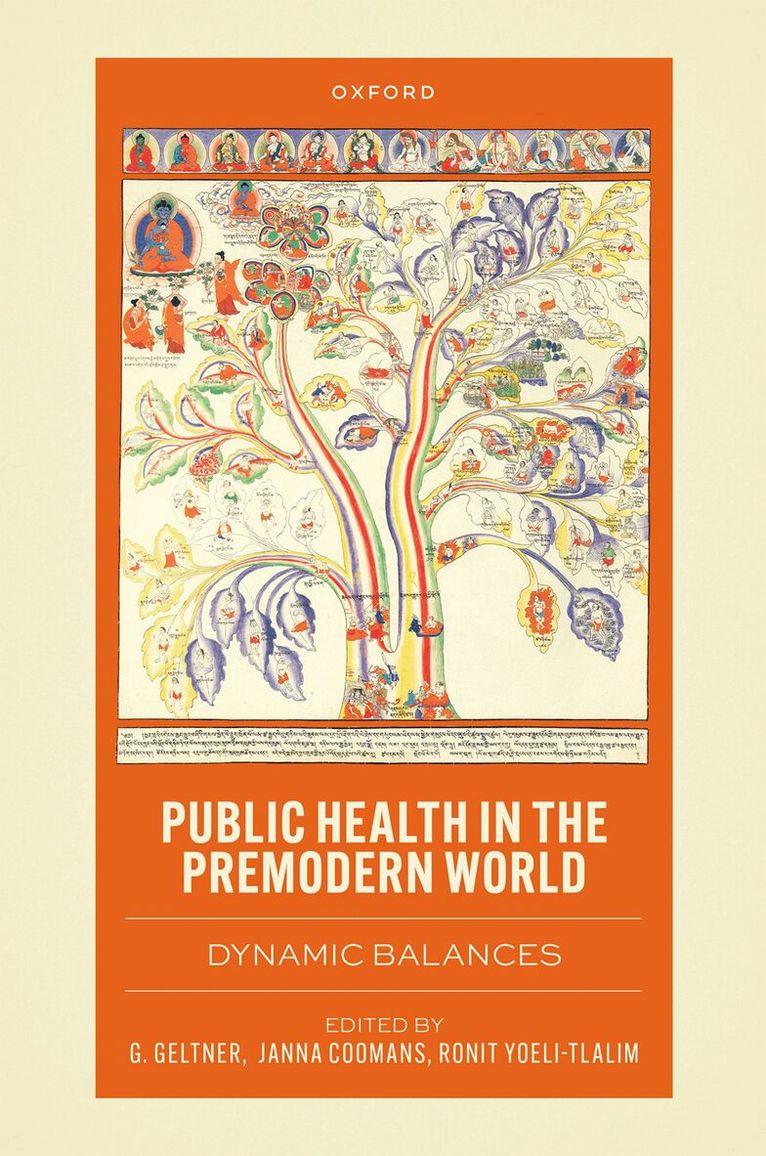
Public Health in the Premodern World
Dynamic Balances
Av G. Geltner, Janna Coomans m. fl.
Inbunden, 2026
1755 kr
Lägg i varukorg
Chapters [6, 12, and 14] of this work are available under the terms of a [CC BY-NC-ND 4.0 International] open access licence. This part/these parts of the work is/are free to read on [the Oxford Academic platform] and offered as a free PDF download from OUP and selected open access locations.The …
Public Health in the Premodern World
Dynamic Balances
Av Ronit Yoeli-Tlalim, Janna Coomans m. fl.
E-bok, 2026
1393 kr
Lägg i varukorg
Chapters [6, 12, and 14] of this work are available under the terms of a [CC BY-NC-ND 4.0 International] open access licence. This part/these parts of the work is/are free to read on [the Oxford Academic platform] and offered as a free PDF download from OUP and selected open access locations. The …
Public Health in the Premodern World
Dynamic Balances
Av Ronit Yoeli-Tlalim, Janna Coomans m. fl.
E-bok, 2026
1393 kr
Lägg i varukorg
Chapters [6, 12, and 14] of this work are available under the terms of a [CC BY-NC-ND 4.0 International] open access licence. This part/these parts of the work is/are free to read on [the Oxford Academic platform] and offered as a free PDF download from OUP and selected open access locations. The …
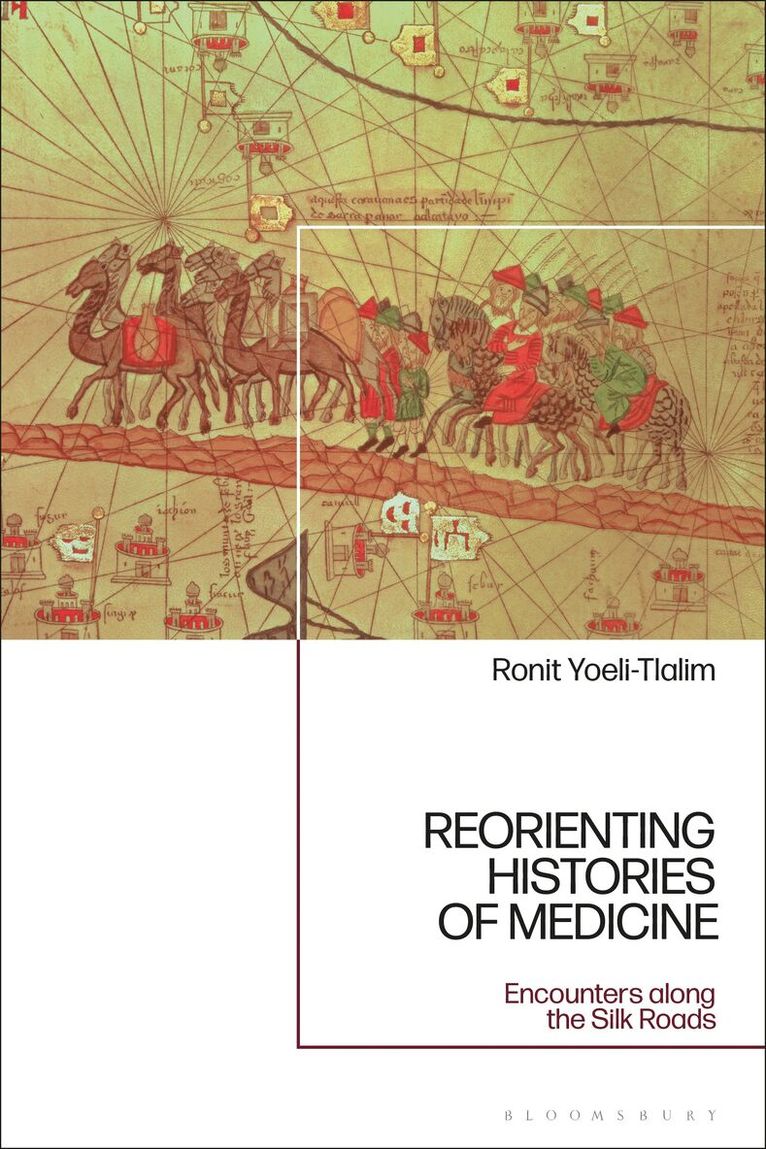
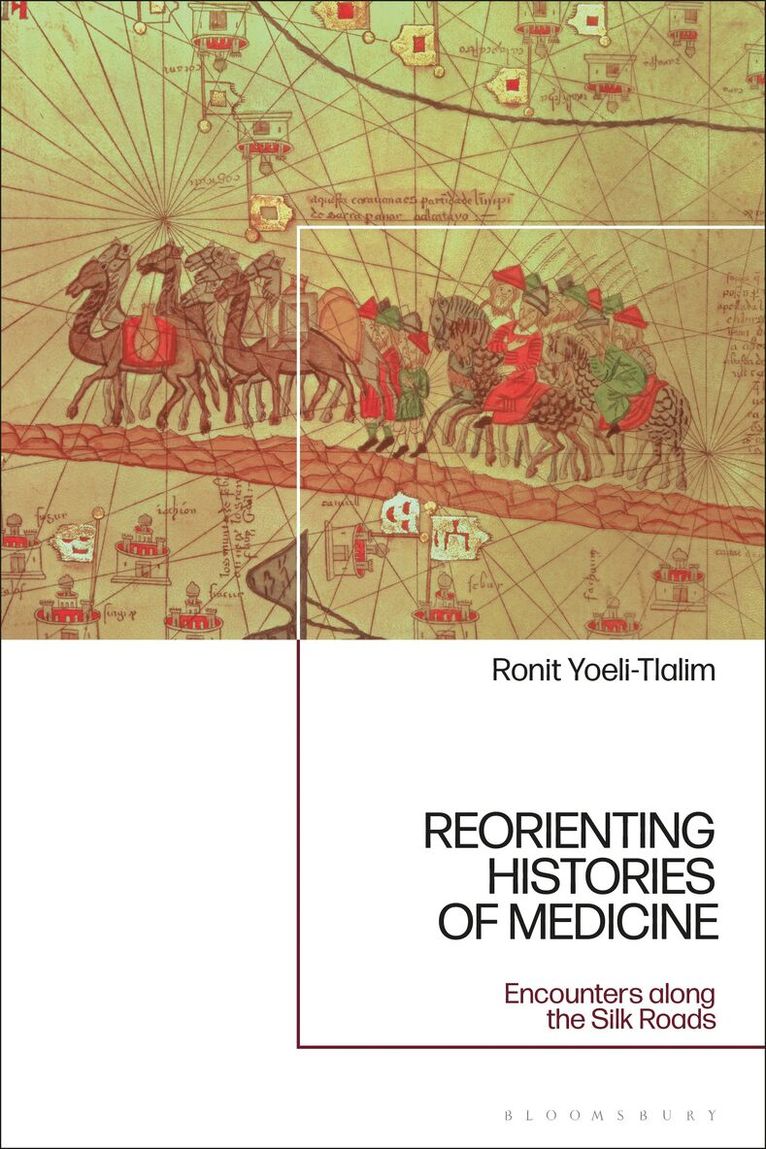
ReOrienting Histories of Medicine
Encounters along the Silk Roads
Häftad, 2022
472 kr
Lägg i varukorg
It is rarely appreciated how much of the history of Eurasian medicine in the premodern period hinges on cross-cultural interactions and knowledge transmissions. Using manuscripts found in key Eurasian nodes of the medieval world – Dunhuang, Kucha, the Cairo Genizah and Tabriz – the book analyses a …
ReOrienting Histories of Medicine
Encounters Along the Silk Roads
E-bok, 2021
514 kr
Lägg i varukorg
It is rarely appreciated how much of the history of Eurasian medicine in the premodern period hinges on cross-cultural interactions and knowledge transmissions. Using manuscripts found in key Eurasian nodes of the medieval world – Dunhuang, Kucha, the Cairo Genizah and Tabriz – the book analyses a …
ReOrienting Histories of Medicine
Encounters Along the Silk Roads
E-bok, 2021
514 kr
Lägg i varukorg
It is rarely appreciated how much of the history of Eurasian medicine in the premodern period hinges on cross-cultural interactions and knowledge transmissions. Using manuscripts found in key Eurasian nodes of the medieval world – Dunhuang, Kucha, the Cairo Genizah and Tabriz – the book analyses a …
ReOrienting Histories of Medicine
Encounters along the Silk Roads
Inbunden, 2021
1461 kr
Lägg i varukorg
It is rarely appreciated how much of the history of Eurasian medicine in the premodern period hinges on cross-cultural interactions and knowledge transmissions. Using manuscripts found in key Eurasian nodes of the medieval world – Dunhuang, Kucha, the Cairo Genizah and Tabriz – the book analyses a …