S. Shankar Sastry – författare
Visar alla böcker från författaren S. Shankar Sastry. Handla med fri frakt och snabb leverans.
8 produkter
8 produkter
Inbunden, Engelska, 2003
1 197 kr
Skickas inom 10-15 vardagar
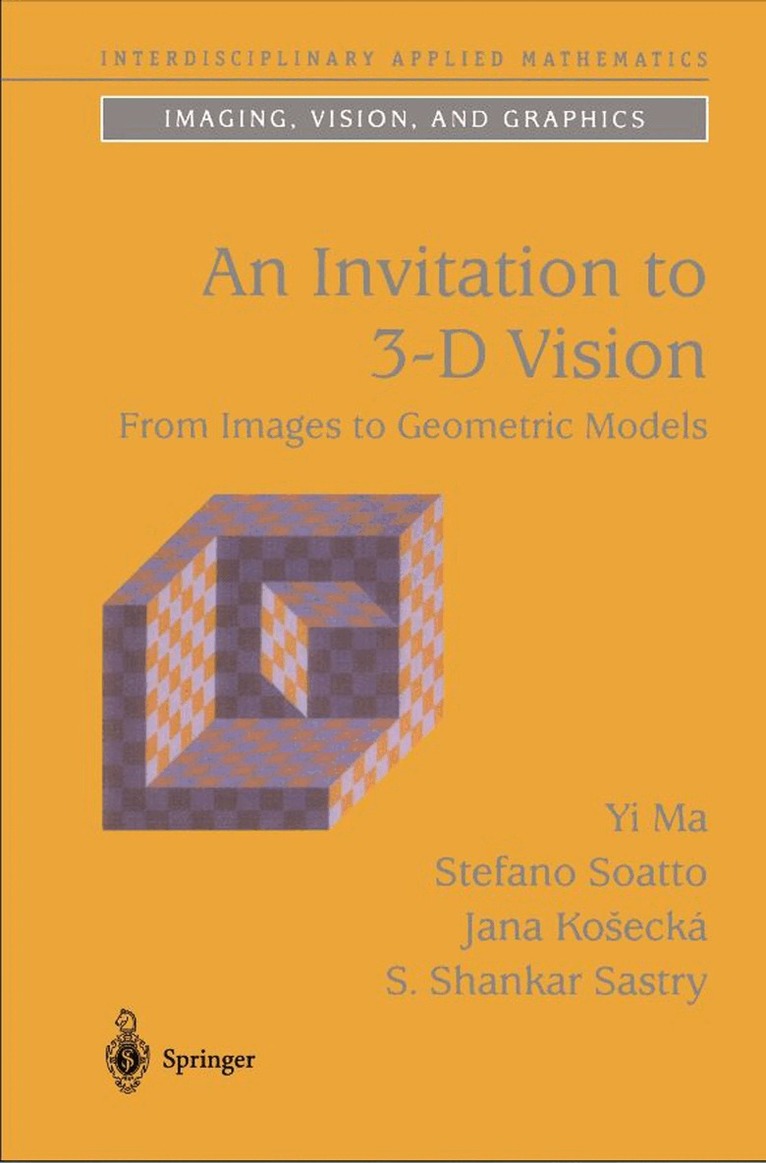
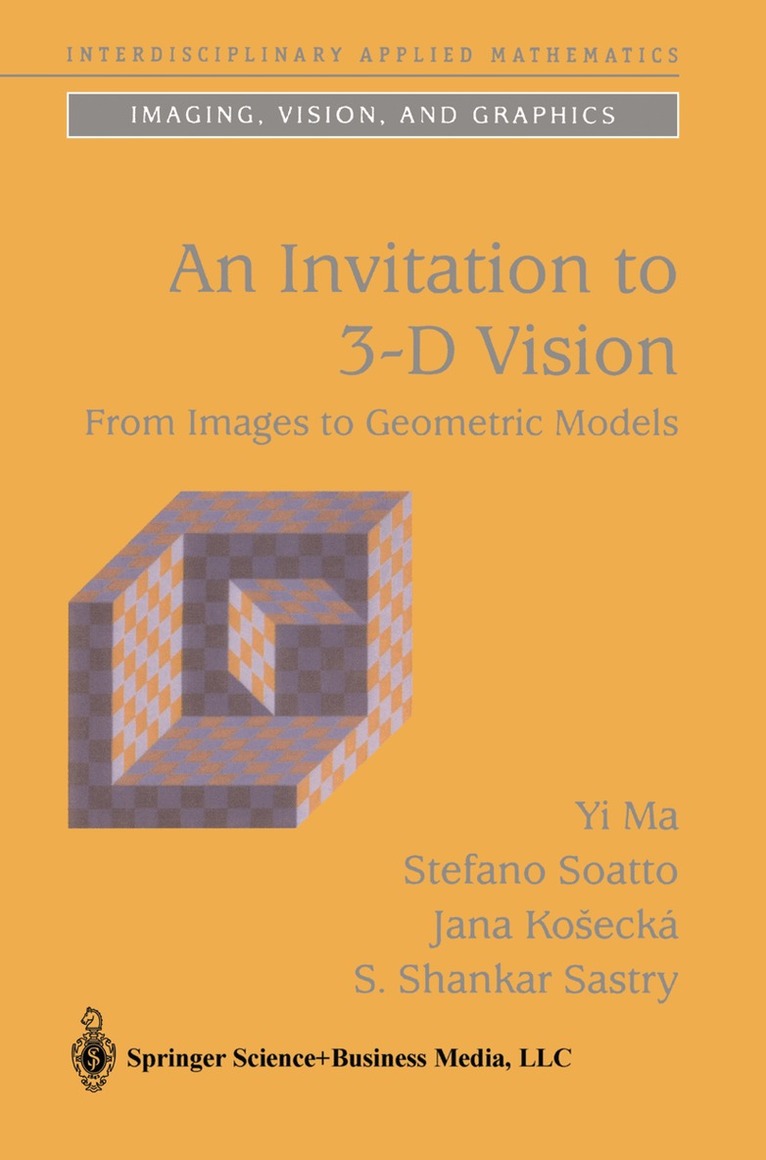
This book gives senior undergraduate and beginning graduate students and researchers in computer vision, applied mathematics, computer graphics, and robotics a self-contained introduction to the geometry of 3D vision; that is the reconstruction of 3D models of objects from a collection of 2D images. Following a brief introduction, Part I provides background materials for the rest of the book. The two fundamental transformations, namely rigid body motion and perspective projection are introduced and image formation and feature extraction discussed. Part II covers the classic theory of two view geometry based on the so-called epipolar constraint. Part III shows that a more proper tool for studying the geometry of multiple views is the so- called rank considtion on the multiple view matrix. Part IV develops practical reconstruction algorithms step by step as well as discusses possible extensions of the theory. Exercises are provided at the end of each chapter. Software for examples and algorithms are available on the author's website.
E-bok
PDF, Engelska, 20121 077 kr
Läs direkt efter köp
This book is intended to give students at the advanced undergraduate or introduc tory graduate level, and researchers in computer vision, robotics and computer graphics, a self-contained introduction to the geometry of three-dimensional (3- D) vision. This is the study of the reconstruction of 3-D models of objects from a collection of 2-D images. An essential prerequisite for this book is a course in linear algebra at the advanced undergraduate level. Background knowledge in rigid-body motion, estimation and optimization will certainly improve the reader''s appreciation of the material but is not critical since the first few chapters and the appendices provide a review and summary of basic notions and results on these topics. Our motivation Research monographs and books on geometric approaches to computer vision have been published recently in two batches: The first was in the mid 1990s with books on the geometry of two views, see e. g. [Faugeras, 1993, Kanatani, 1993b, Maybank, 1993, Weng et aI. , 1993b]. The second was more recent with books fo cusing on the geometry of multiple views, see e. g. [Hartley and Zisserman, 2000] and [Faugeras and Luong, 2001] as well as a more comprehensive book on computer vision [Forsyth and Ponce, 2002]. We felt that the time was ripe for synthesizing the material in a unified framework so as to provide a self-contained exposition of this subject, which can be used both for pedagogical purposes and by practitioners interested in this field.
Häftad, Engelska, 1994
2 176 kr
Skickas inom 10-15 vardagar
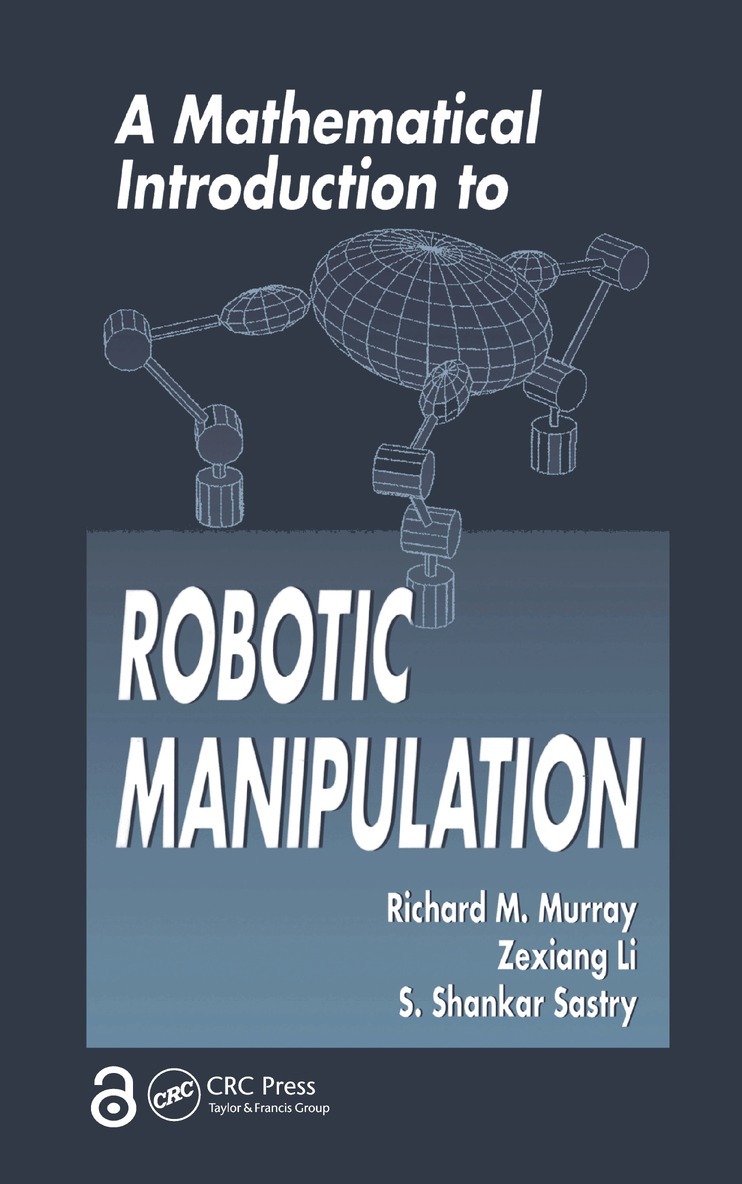
A Mathematical Introduction to Robotic Manipulation presents a mathematical formulation of the kinematics, dynamics, and control of robot manipulators. It uses an elegant set of mathematical tools that emphasizes the geometry of robot motion and allows a large class of robotic manipulation problems to be analyzed within a unified framework.The foundation of the book is a derivation of robot kinematics using the product of the exponentials formula. The authors explore the kinematics of open-chain manipulators and multifingered robot hands, present an analysis of the dynamics and control of robot systems, discuss the specification and control of internal forces and internal motions, and address the implications of the nonholonomic nature of rolling contact are addressed, as well.The wealth of information, numerous examples, and exercises make A Mathematical Introduction to Robotic Manipulation valuable as both a reference for robotics researchers and a text for students in advanced robotics courses.
Inbunden, Engelska, 2017
2 876 kr
Skickas inom 10-15 vardagar
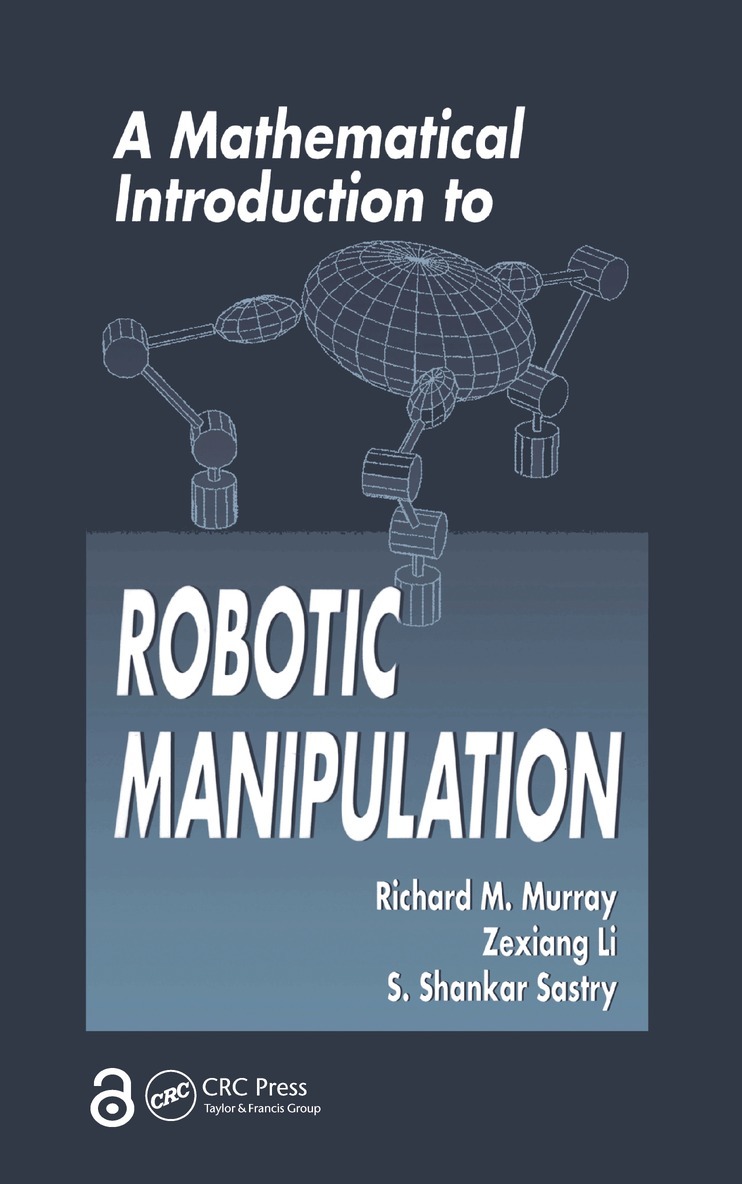
A Mathematical Introduction to Robotic Manipulation presents a mathematical formulation of the kinematics, dynamics, and control of robot manipulators. It uses an elegant set of mathematical tools that emphasizes the geometry of robot motion and allows a large class of robotic manipulation problems to be analyzed within a unified framework.The foundation of the book is a derivation of robot kinematics using the product of the exponentials formula. The authors explore the kinematics of open-chain manipulators and multifingered robot hands, present an analysis of the dynamics and control of robot systems, discuss the specification and control of internal forces and internal motions, and address the implications of the nonholonomic nature of rolling contact are addressed, as well.The wealth of information, numerous examples, and exercises make A Mathematical Introduction to Robotic Manipulation valuable as both a reference for robotics researchers and a text for students in advanced robotics courses.
Inbunden, Engelska, 2026
1 517 kr
Skickas inom 5-8 vardagar
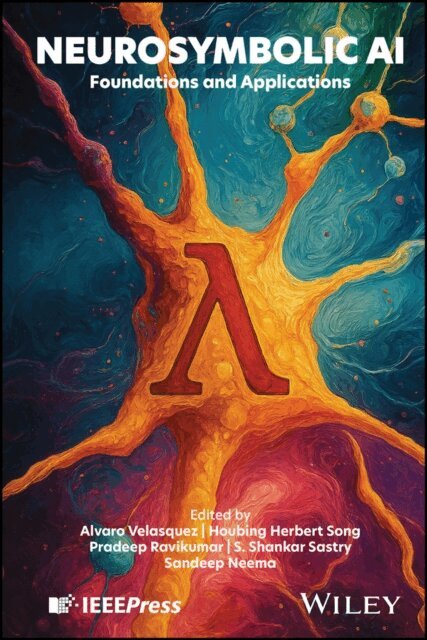
An up-to-date and expert discussion of neuro-symbolic artificial intelligence development In Neuro-symbolic AI: Foundations and Applications, a team of distinguished researchers delivers a comprehensive overview of the emerging field of neuro-symbolic artificial intelligence. Expert contributors explain the integration of symbolic representations with neural networks, demonstrating state-of-the-art practices in the field. The book fosters collaboration amongst diverse disciplines and promotes a deeper understanding of the challenges posed by deep learning, including generalizability, explainability, and robustness. It is an authoritative, self-contained reference text that provides a solid foundation for newcomers to the field as well as seasoned researchers and developers. Readers will find: A systematic perspective on the foundations of neuro-development AI system developmentComprehensive explorations of key concepts in neuro-symbolic artificial intelligenceDiscussions of real-world applications of neuro-symbolic AI in fields such as healthcare, finance, autonomous driving, and the militaryComplete treatments of the foundations of neuro-symbolic AI from multiple disciplinary perspectives, including computer science, software engineering, and academic researchPerfect for researchers and professionals in artificial intelligence involved industries, including autonomous driving, military, healthcare, and finance, Neuro-symbolic AI: Foundations and Applications will also benefit students of computer science, software engineering, data science, and machine learning.
E-bok
Engelska, 20261 698 kr
Läs direkt efter köp
An up-to-date and expert discussion of neuro-symbolic artificial intelligence development In Neuro-symbolic AI: Foundations and Applications, a team of distinguished researchers delivers a comprehensive overview of the emerging field of neuro-symbolic artificial intelligence. Expert contributors explain the integration of symbolic representations with neural networks, demonstrating state-of-the-art practices in the field. The book fosters collaboration amongst diverse disciplines and promotes a deeper understanding of the challenges posed by deep learning, including generalizability, explainability, and robustness. It is an authoritative, self-contained reference text that provides a solid foundation for newcomers to the field as well as seasoned researchers and developers. Readers will find: A systematic perspective on the foundations of neuro-development AI system developmentComprehensive explorations of key concepts in neuro-symbolic artificial intelligenceDiscussions of real-world applications of neuro-symbolic AI in fields such as healthcare, finance, autonomous driving, and the militaryComplete treatments of the foundations of neuro-symbolic AI from multiple disciplinary perspectives, including computer science, software engineering, and academic research Perfect for researchers and professionals in artificial intelligence involved industries, including autonomous driving, military, healthcare, and finance, Neuro-symbolic AI: Foundations and Applications will also benefit students of computer science, software engineering, data science, and machine learning.
E-bok
PDF, Engelska, 20261 713 kr
Läs direkt efter köp
An up-to-date and expert discussion of neuro-symbolic artificial intelligence development In Neuro-symbolic AI: Foundations and Applications, a team of distinguished researchers delivers a comprehensive overview of the emerging field of neuro-symbolic artificial intelligence. Expert contributors explain the integration of symbolic representations with neural networks, demonstrating state-of-the-art practices in the field. The book fosters collaboration amongst diverse disciplines and promotes a deeper understanding of the challenges posed by deep learning, including generalizability, explainability, and robustness. It is an authoritative, self-contained reference text that provides a solid foundation for newcomers to the field as well as seasoned researchers and developers. Readers will find: A systematic perspective on the foundations of neuro-development AI system developmentComprehensive explorations of key concepts in neuro-symbolic artificial intelligenceDiscussions of real-world applications of neuro-symbolic AI in fields such as healthcare, finance, autonomous driving, and the militaryComplete treatments of the foundations of neuro-symbolic AI from multiple disciplinary perspectives, including computer science, software engineering, and academic research Perfect for researchers and professionals in artificial intelligence involved industries, including autonomous driving, military, healthcare, and finance, Neuro-symbolic AI: Foundations and Applications will also benefit students of computer science, software engineering, data science, and machine learning.
Del 26 - Interdisciplinary Applied Mathematics
Invitation to 3-D Vision
From Images to Geometric Models
Häftad, Engelska, 2010
854 kr
Skickas inom 5-8 vardagar
This book is intended to give students at the advanced undergraduate or introduc tory graduate level, and researchers in computer vision, robotics and computer graphics, a self-contained introduction to the geometry of three-dimensional (3- D) vision.