Sarah Albiez-Wieck – författare
Visar alla böcker från författaren Sarah Albiez-Wieck. Handla med fri frakt och snabb leverans.
7 produkter
Spanish Empire
A Global History 1478-1975
Av Sarah Albiez-Wieck, Raquel Gil Montero m. fl.
Häftad, 2026
630 kr
Kommande
This book brings together the history of the Spanish Empire and its entire imperial geography across four continents, from its inception at the end of the 15th century to its end in the 20th century.The authors trace the Empire’s main characteristics, including the colonial societies shaped under …
Spanish Empire
A Global History 1478-1975
Av Sarah Albiez-Wieck, Raquel Gil Montero m. fl.
Inbunden, 2026
2305 kr
Kommande
This book brings together the history of the Spanish Empire and its entire imperial geography across four continents, from its inception at the end of the 15th century to its end in the 20th century.The authors trace the Empire’s main characteristics, including the colonial societies shaped under …
Erinnerung Der Hydra
Das Quilombo Von Palmares in Geschichte Und Gedächtnis (Ca. 1595-1995): Sklaverei, Rassismus Und Freiheit in Brasilien Und Entlang Des Atlantiks
Av Moritz Peter Herrmann, Sarah Albiez-Wieck m. fl.
Inbunden, 2025
1141 kr
Lägg i varukorg
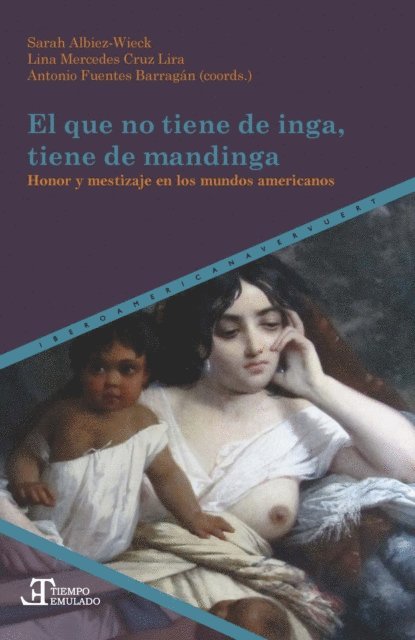
El que no tiene de inga, tiene de mandinga
honor y mestizaje en los mundos americanos
Av Antonio Fuentes Barragan, Lina Mercedes Cruz Lira m. fl.
E-bok, 2020
418 kr
Lägg i varukorg
La "mezcla" entre población de ascendencia indígena, africana, europea y asiática ha sido un elemento importante en la formación de las sociedades latinoamericanas. Este proceso histórico se ha denominado comúnmente mestizaje. Hay una enorme variedad en la importancia que se le ha asignado en los …
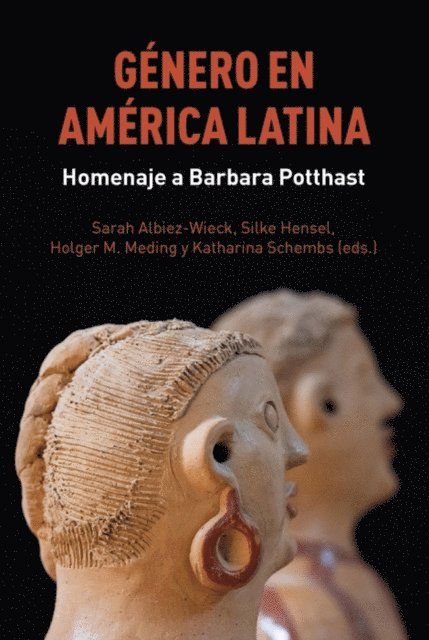
Género en América Latina
homenaje a Barbara Potthast
Av Katharina Schembs, Holger Meding m. fl.
E-bok, 2022
426 kr
Lägg i varukorg
El que no tiene de inga, tiene de mandinga
honor y mestizaje en los mundos americanos
Av Sarah Albiez Wieck, Lina Mercedes Cruz Lira m. fl.
Häftad, 2020
484 kr
Lägg i varukorg
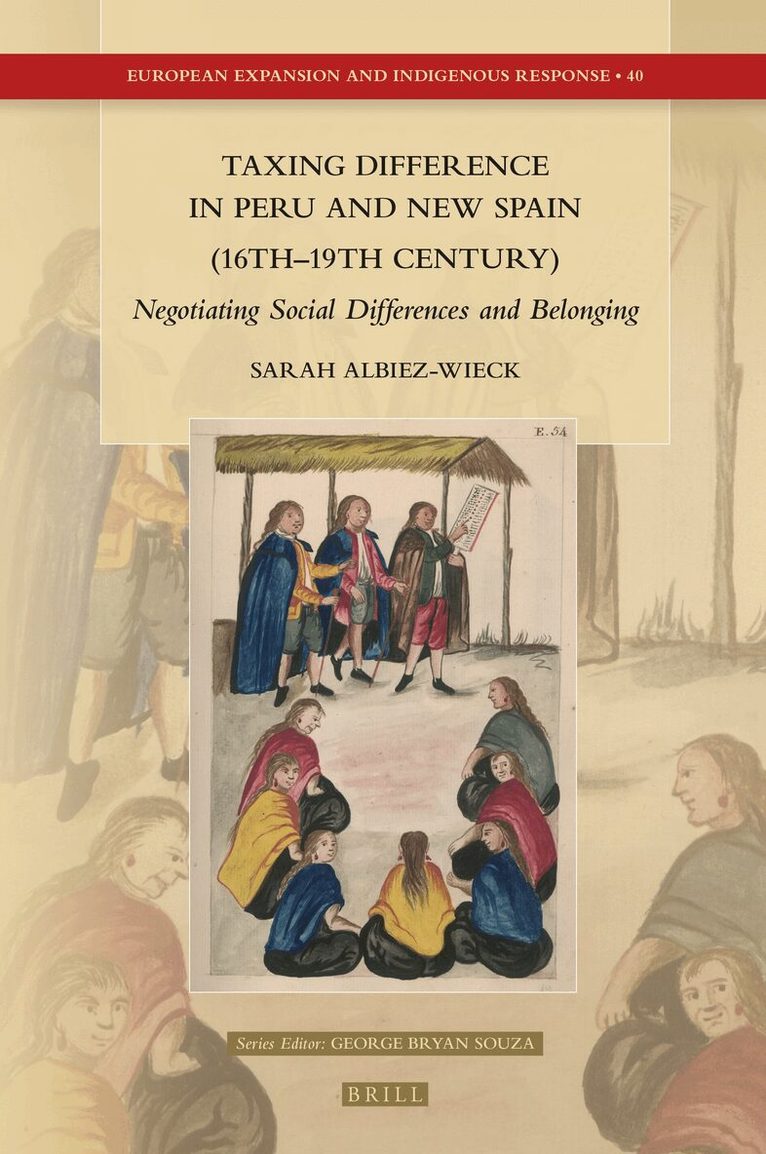
Taxing Difference in Peru and New Spain (16th–19th Century)
Negotiating Social Differences and Belonging
Inbunden, 2022
2156 kr
Lägg i varukorg
This book addresses the negotiation of categorizations in colonial societies in Spanish America from a new vantage point: fiscality. In early modern empires (poll) taxes were a significant factor to organize and perpetuate social inequalities. By this, fiscal categorizations had very concrete …