Sarah Mosoetsa – författare
Visar alla böcker från författaren Sarah Mosoetsa. Handla med fri frakt och snabb leverans.
8 produkter
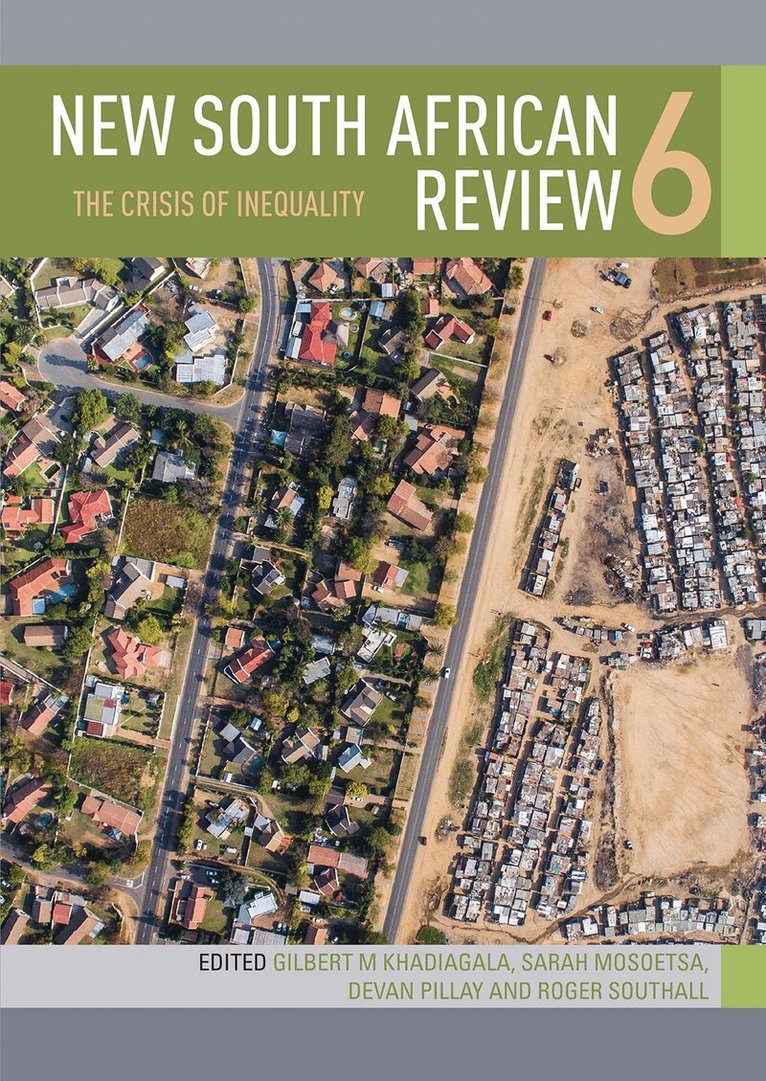
New South African Review 6
The Crisis of Inequality
Av Devan Pillay, Gilbert M Khadiagala m. fl.
Häftad, 2018
384 kr
Lägg i varukorg
Wide-ranging essays demonstrate how the consequences of inequality extend throughout society and the political economyDespite the transition from apartheid to democracy, South Africa is the most unequal country in the world. Its extremes of wealth and poverty undermine intensifying struggles for a …
New South African Review 6
The Crisis of Inequality
Av Jo-Ansie van Wyk, Salim Vally m. fl.
E-bok, 2018
459 kr
Lägg i varukorg
Despite the transition from apartheid to democracy, South Africa is the most unequal country in the world. Its extremes of wealth and poverty undermine intensifying struggles for a better life for all. The wide-ranging essays in this sixth volume of the New South African Review demonstrate how the …
New South African Review 6
The Crisis of Inequality
Av Jo-Ansie van Wyk, Salim Vally m. fl.
E-bok, 2018
449 kr
Lägg i varukorg
Despite the transition from apartheid to democracy, South Africa is the most unequal country in the world. Its extremes of wealth and poverty undermine intensifying struggles for a better life for all. The wide-ranging essays in this sixth volume of the New South African Review demonstrate how the …
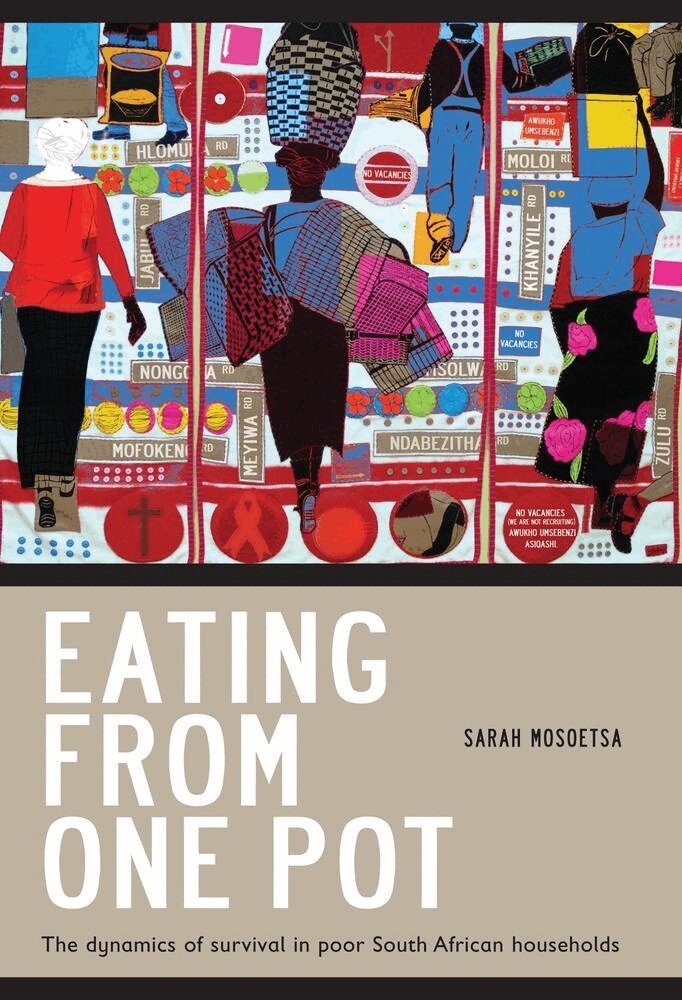
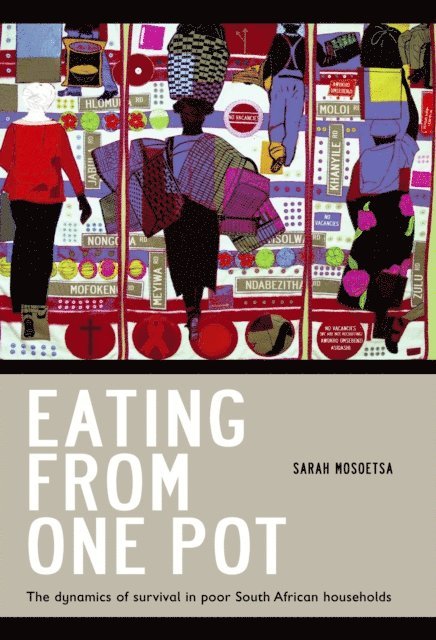
Eating from One Pot
The Dynamics of Survival in Poor South African Households
Häftad, 2011
517 kr
Lägg i varukorg
As poverty and unemployment deepen in contemporary South Africa, the burning question becomes, how do the poor survive? Eating from One Pot provides a compelling answer. Based on intensive fieldwork, it shows how many African households are on the brink of collapse. That they keep going at all can …
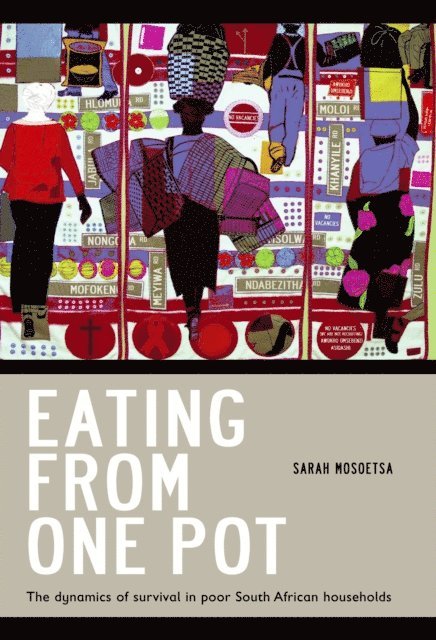
Eating from One Pot
The dynamics of survival in poor South African households
E-bok, 2011
284 kr
Lägg i varukorg
As poverty and unemployment deepen in contemporary South Africa, the burning question becomes, how do the poor survive? Eating from One Pot provides a compelling answer. Based on intensive fieldwork, it shows how many African households are on the brink of collapse. That they keep going at all can …
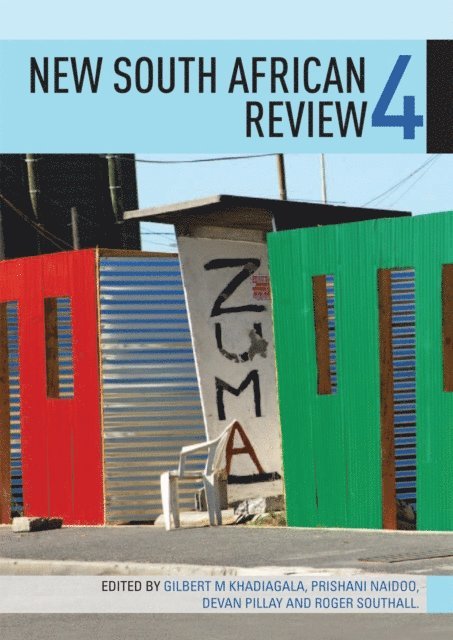
New South African Review 4
A fragile democracy – Twenty years on
Av Jeremy Wakeford, Justin van der Merwe m. fl.
E-bok, 2014
459 kr
Lägg i varukorg
The death of Nelson Mandela on 5 December 2013 was in a sense a wake-up call for South Africans, and a time to reflect on what has been achieved since ‘those magnificent days in late April 1994’ (as the editors of this volume put it) ‘when South Africans of all colours voted for the first time in a …
Eating from One Pot
The dynamics of survival in poor South African households
E-bok, 2011
284 kr
Lägg i varukorg
As poverty and unemployment deepen in contemporary South Africa, the burning question becomes, how do the poor survive? Eating from One Pot provides a compelling answer. Based on intensive fieldwork, it shows how many African households are on the brink of collapse. That they keep going at all can …
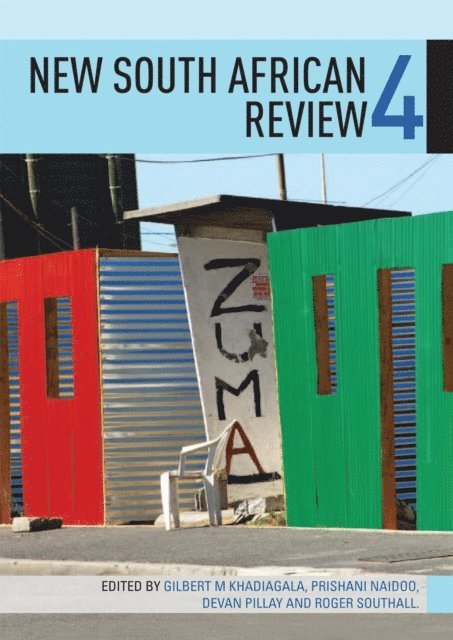
New South African Review 4
A fragile democracy – Twenty years on
Av Jeremy Wakeford, Justin van der Merwe m. fl.
E-bok, 2014
459 kr
Lägg i varukorg
The death of Nelson Mandela on 5 December 2013 was in a sense a wake-up call for South Africans, and a time to reflect on what has been achieved since ‘those magnificent days in late April 1994’ (as the editors of this volume put it) ‘when South Africans of all colours voted for the first time in a …