Sari Kivisto – författare
Visar alla böcker från författaren Sari Kivisto. Handla med fri frakt och snabb leverans.
3 produkter
Critical Distance: Ethical and Literary Engagements with Detachment, Isolation, and Otherness
Av Sari Kivisto, Sami Pihlstrom
E-bok, 2023
893 kr
Lägg i varukorg
This book argues that no ethically appropriate relation to other human beings is possible unless we treat them as genuinely other. The authors provide reasons to be critical of various attempts, many of them popular in our contemporary (Western) culture, to encourage deeper attachment to and …
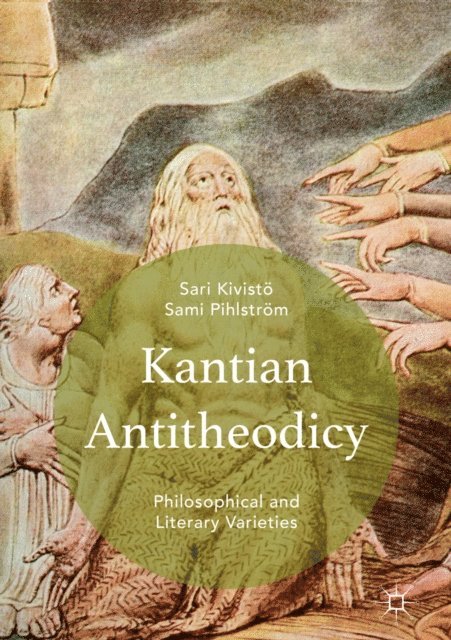
Kantian Antitheodicy
Philosophical and Literary Varieties
Av Sari Kivisto, Sami Pihlstrom
E-bok, 2016
718 kr
Lägg i varukorg
This book defends antitheodicism, arguing that theodicies, seeking to excuse God for evil and suffering in the world, fail to ethically acknowledge the victims of suffering. The authors argue for this view using literary and philosophical resources, commencing with Immanuel Kant’s 1791 “Theodicy …
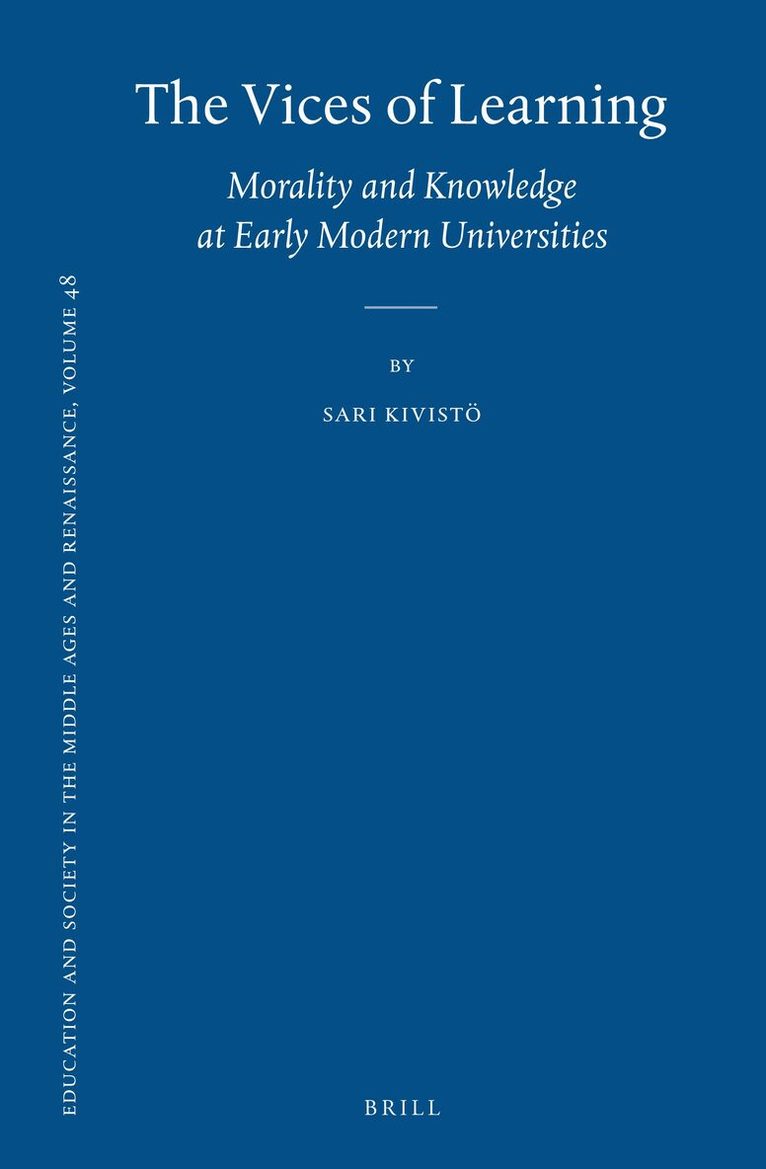
Vices of Learning
Morality and Knowledge at Early Modern Universities
Av Sari Kivisto
Inbunden, 2014
2834 kr
Lägg i varukorg
In The Vices of Learning: Morality and Knowledge at Early Modern Universities, Sari Kivistö examines scholarly vices in the late Baroque and early Enlightenment periods. Moral criticism of the learned was a favourite theme of Latin dissertations, treatises and satires written in Germany ca. …