E-bok, Engelska, 2016
Kantian Antitheodicy
Av Sari Kivisto, Sami Pihlstrom
718 kr
Läs direkt i Bokus Reader – eller ladda ned till din enhet (PDF kräver ofta zoom och scroll på små skärmar).
Beskrivning
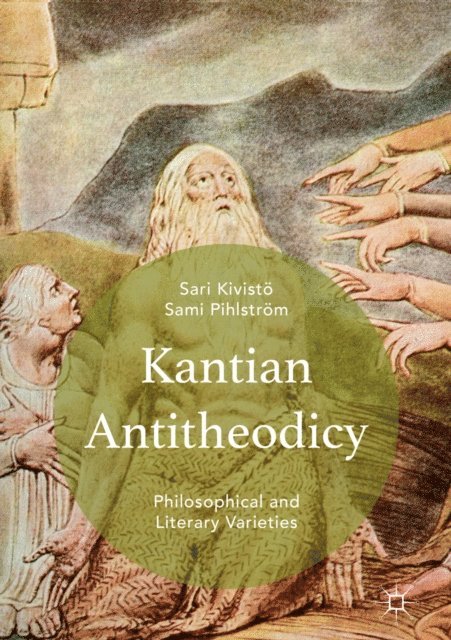
This book defends antitheodicism, arguing that theodicies, seeking to excuse God for evil and suffering in the world, fail to ethically acknowledge the victims of suffering. The authors argue for this view using literary and philosophical resources, commencing with Immanuel Kant’s 1791 “Theodicy Essay” and its reading of the Book of Job. Three important twentieth century antitheodicist positions are explored, including “Jewish” post-Holocaust ethical antitheodicism, Wittgensteinian antitheodicism exemplified by D.Z. Phillips and pragmatist antitheodicism defended by William James. The authors argue that these approaches to evil and suffering are fundamentally Kantian. Literary works such as Franz Kafka’s The Trial, Samuel Beckett’s Waiting for Godot, and George Orwell’s Nineteen Eighty-Four, are examined in order to crucially advance the philosophical case for antitheodicism.
Produktinformation
- Utgivningsdatum: 2016-11-10
- Språk: Engelska
- Filformat: PDF
- Kopieringsskydd: LCP
- ISBN: 9783319408835
- Förlag: Springer International Publishing
Utforska kategorier
Betyg & recensioner
0 recensioner
Inga recensioner tillgängliga.