Shah Fahad – författare
2 264 kr
Skickas inom 10-15 vardagar
2 264 kr
Skickas inom 10-15 vardagar
2 264 kr
Skickas inom 10-15 vardagar
2 264 kr
Skickas inom 10-15 vardagar
1 700 kr
Skickas inom 10-15 vardagar
1 390 kr
Skickas inom 10-15 vardagar
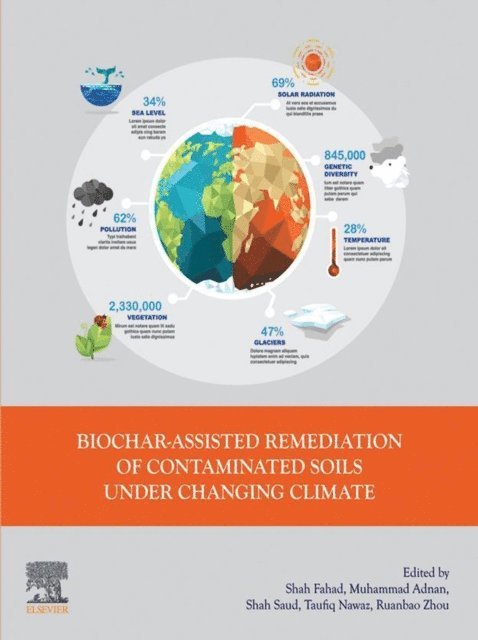
Biochar-assisted Remediation of Contaminated Soils Under Changing Climate summarizes recent progress in understanding (a) metal-biochar interactions in soils, (b) potential risks associated with biochar amendment, and (c) the application of biochar for the remediation of HM polluted soils. In addition, research gaps and future directions in understanding biochar-metal interactions in soils is also explored. As soil contamination with heavy metals like Cr, Co, Cu, Ni, Mn, Cd, Pb, and Zn is becoming a big problem across the globe, especially in developed countries, this book elucidates on risks and future directions.Globally, it has become a serious threat to human health and ecosystem integrity. applying amendments like phosphate compounds, liming materials, clay minerals, coal fly ash, organic composts, metal oxides, and biochar to heavy metals contaminated soil is considered one of the most promising in-situ remediation techniques. Biochar has become one of the most attractive research hotspots as a result of its special properties, along with its important role in climate change, global biogeochemical cycle, and environmental system.
Enables readers to understand the most recent developments surrounding metal-biochar interactions in soils and their impact on agricultural productivityProvides the latest statistics and literature review regarding the role of biochar in remediation of heavy metals polluted soilsExamines the global status of heavy metals polluted soil2 047 kr
Läs direkt efter köp
2 063 kr
Skickas inom 10-15 vardagar
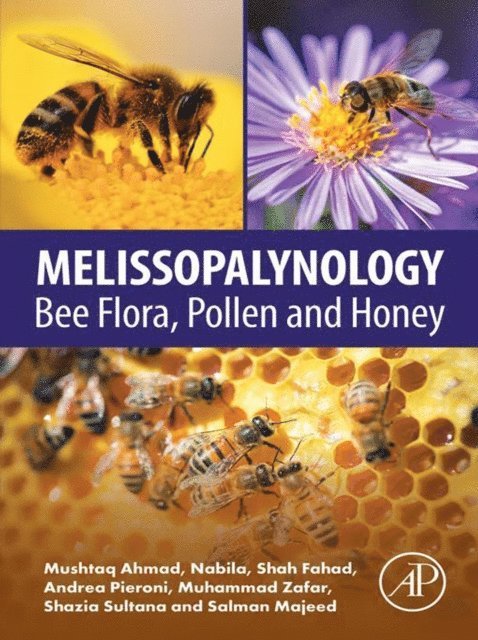
Melissopalynology: Bee Flora, Pollen and Honey presents a comprehensive guide to the floral biology of honeybee plants. Critical for developing optimal management techniques for honey bee habitats, as well as for the growth and sustainability of the honey economy, this information is key to addressing the problem of predicting resource availability. In addition, it enables successful apiarist planning for effective hive placements and capacity, and provides crucial baseline data to direct habitat and biodiversity management. The book is globally relevant, presenting updates on the characteristics, composition, health properties, contamination, authenticity, and adulteration of honey at the worldwide level, regardless of region.The 100+ bee flora and pollen field notes and photographic atlas sections examine species found in multiple regions throughout the world. Honey has become a highly demanded product for consumers worldwide due to its taste and rich nutritional and medicinal value. However, it remains challenging to identify honey’s origin as well as determine its authenticity. This book summarizes the research and practices carried out in the last decade toward discriminating honey by using characteristic markers.
Contains photographic representations of bee flora and pollenProvides a comprehensive bee flora pollen inventory for the correct identification of speciesIncludes botanical source information and guides in the quality production of honey2 611 kr
Läs direkt efter köp
1 702 kr
Skickas inom 10-15 vardagar
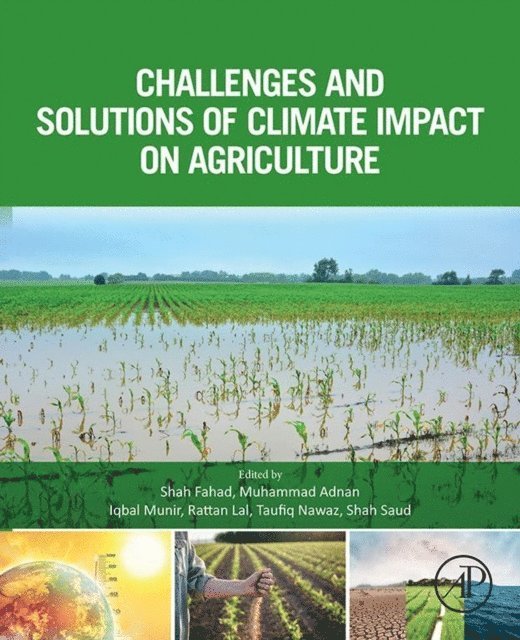
Challenges and Solutions of Climate Impact on Agriculture explores issues arising from the changing climate for agricultural plants, with a soil-focused approach. Addressing the impacts on a range of important global food crops, it looks at issues of water and temperature and their impact on soil quality for production.Presented by a global team of experts, this book will be important for researchers seeking to understand specific challenges, and means of addressing those challenges effectively and efficiently.The agriculture sector is arguably one of the most sensitive to changes in the climate. Because the climate of a region determines the nature and characteristics of vegetation and crops, any change in the mean seasonal temperature and decrease in effective precipitation can reduce productive periods for crops, risking outbreaks of pests and disease and negatively affecting global food security.
Explains the impact of climate change on soil properties, productivity, and microbial diversityProvides detailed information regarding the impact of climate change on yields of cereal grains and other cropsEnables agricultural scientists to design policies and management strategies for sustainable agriculture2 153 kr
Läs direkt efter köp
1 477 kr
Skickas inom 10-15 vardagar
1 867 kr
Läs direkt efter köp
1 776 kr
Skickas inom 10-15 vardagar
2 168 kr
Läs direkt efter köp
2 690 kr
Läs direkt efter köp
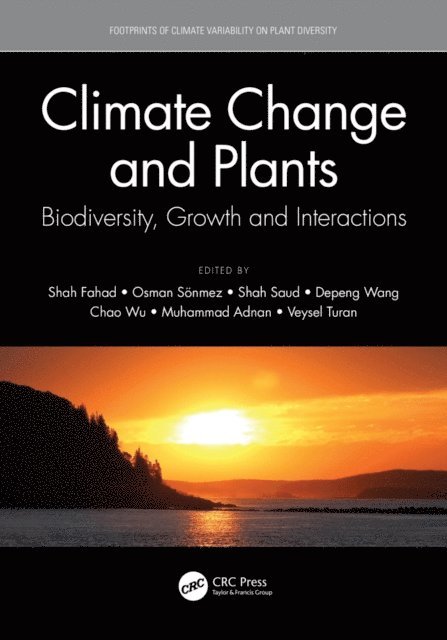
Climate Change and Plants: Biodiversity, Growth and Interactions
Evidence is raised daily of the varying climate and its impression on both plants and animals. Climatic changes influence all agriculture factors, which can potentially adversely affect their productivity. Plant activities are intimately associated with climate and concentration of atmospheric carbon dioxide. Climate Change and Plants: Biodiversity, Growth and Interactions examines how plant growth characters influence and is influenced by climate change both in past and present scenarios. This book covers cutting-edge research of key determinants of plant growth in response to atmospheric CO2 enhancement and global warming.
Features
Discourses numerous areas of sustainable development goals projected by the UN as part of the 2030 agenda
Highlights appropriate approaches for maintaining better plant growth under changing climatic conditions
Presents diversity of techniques used across plant science
Is designed to cater to the needs of researchers, technologists, policymakers and undergraduate and postgraduate students studying sustainable crop production and protection
Addresses plant responses to atmospheric CO2 increases
2 596 kr
Läs direkt efter köp
Climate Change and Plants: Biodiversity, Growth and Interactions
Evidence is raised daily of the varying climate and its impression on both plants and animals. Climatic changes influence all agriculture factors, which can potentially adversely affect their productivity. Plant activities are intimately associated with climate and concentration of atmospheric carbon dioxide. Climate Change and Plants: Biodiversity, Growth and Interactions examines how plant growth characters influence and is influenced by climate change both in past and present scenarios. This book covers cutting-edge research of key determinants of plant growth in response to atmospheric CO2 enhancement and global warming.
Features
Discourses numerous areas of sustainable development goals projected by the UN as part of the 2030 agenda
Highlights appropriate approaches for maintaining better plant growth under changing climatic conditions
Presents diversity of techniques used across plant science
Is designed to cater to the needs of researchers, technologists, policymakers and undergraduate and postgraduate students studying sustainable crop production and protection
Addresses plant responses to atmospheric CO2 increases
2 596 kr
Läs direkt efter köp
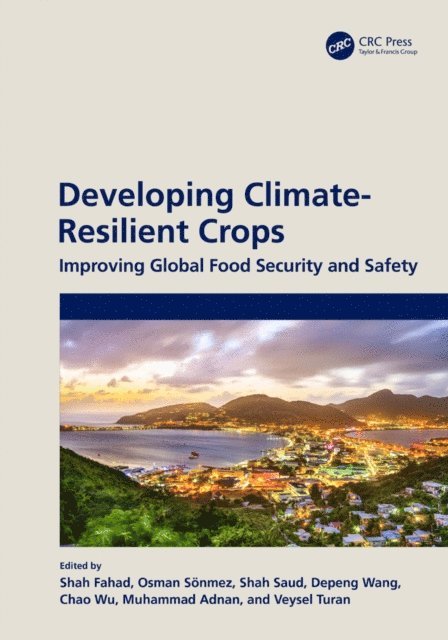
Developing Climate-Resilient Crops: Improving Global Food Security and Safety is timely, as the world is gradually waking up to the fact that a global food crisis of enormous proportions is brewing. Climate change is creating immense problems for agricultural productivity worldwide, resulting in higher food prices. This book elucidates the causative aspects of climate modification related to agriculture, soil, and plants, and discusses the relevant resulting mitigation process and also how new tools and resources can be used to develop climate-resilient crops.
Features:
Addresses the limits of the anthropogenic global warming theory advocated by the Intergovernmental Panel on Climate Change
Presents the main characters (drought tolerance, heat tolerance, water-use efficiency, disease resistance, nitrogen-use efficiency, nitrogen fixation, and carbon sequestration) necessary for climate-resilient agriculture
Delivers both theoretical and practical aspects, and serves as baseline information for future research
Provides valuable resource for those students engaged in the field of environmental sciences, soil sciences, agricultural microbiology, plant pathology, and agronomy
Highlights factors that are threatening future food production
2 690 kr
Läs direkt efter köp
Developing Climate-Resilient Crops: Improving Global Food Security and Safety is timely, as the world is gradually waking up to the fact that a global food crisis of enormous proportions is brewing. Climate change is creating immense problems for agricultural productivity worldwide, resulting in higher food prices. This book elucidates the causative aspects of climate modification related to agriculture, soil, and plants, and discusses the relevant resulting mitigation process and also how new tools and resources can be used to develop climate-resilient crops.
Features:
Addresses the limits of the anthropogenic global warming theory advocated by the Intergovernmental Panel on Climate Change
Presents the main characters (drought tolerance, heat tolerance, water-use efficiency, disease resistance, nitrogen-use efficiency, nitrogen fixation, and carbon sequestration) necessary for climate-resilient agriculture
Delivers both theoretical and practical aspects, and serves as baseline information for future research
Provides valuable resource for those students engaged in the field of environmental sciences, soil sciences, agricultural microbiology, plant pathology, and agronomy
Highlights factors that are threatening future food production
2 690 kr
Läs direkt efter köp
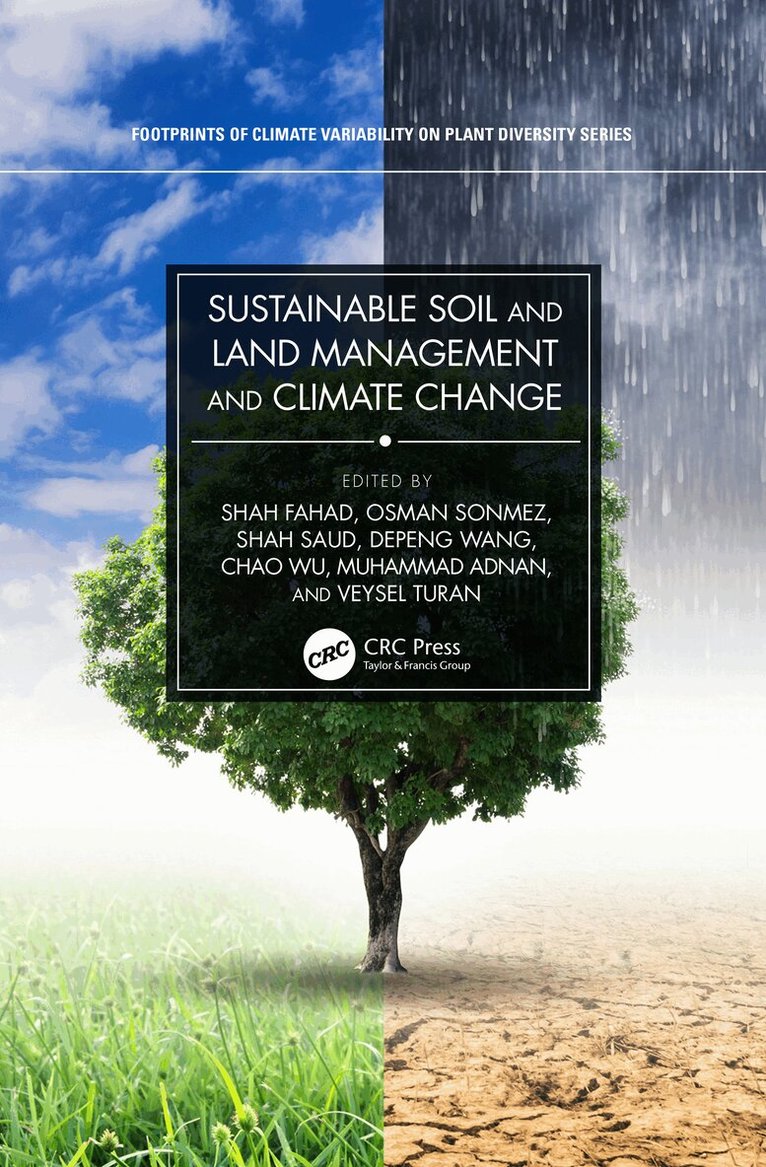
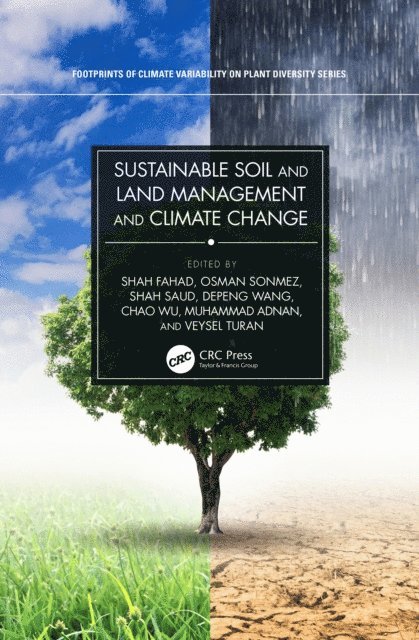
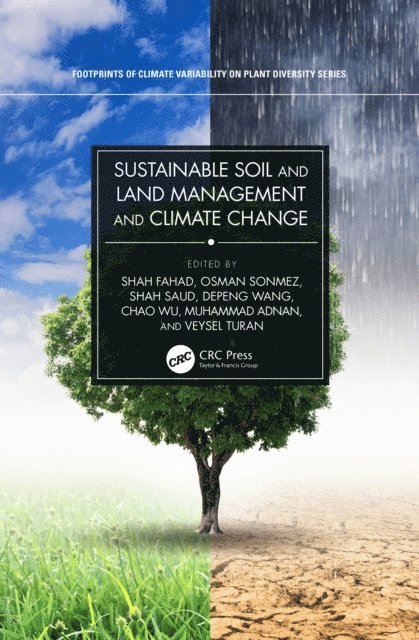
The third volume of Sustainable Soil and Land Management and Climate Change presents a complete overview of plant soil interactions in a climate affected by greenhouse gas emissions and organic carbon. It presents approaches and managements strategies for the stabilization of soil organic matter.
The latest in the respected Footprints of Climate Variability on Plant Diversity series, this book enhances the reader’s knowledge of the preservation of organic matter through microbial approaches as well as through soil and plant interactions. Written by teams of specialist scientists, it presents research outcomes, practical applications and future challenges for this important field.
Features:
Presents microbial tactics for the alleviation of potentially toxic elements in agricultural soils and for reclaiming saline soil. Provides an overview of scientific investigations into greenhouse gas emissions. Outlines priming techniques developed in response to a changing climate.This book is written for students of agronomy, soil science and the environmental sciences as well as researchers interested in management technologies to improve soil fertility.
2 596 kr
Läs direkt efter köp
The third volume of Sustainable Soil and Land Management and Climate Change presents a complete overview of plant soil interactions in a climate affected by greenhouse gas emissions and organic carbon. It presents approaches and managements strategies for the stabilization of soil organic matter.
The latest in the respected Footprints of Climate Variability on Plant Diversity series, this book enhances the reader’s knowledge of the preservation of organic matter through microbial approaches as well as through soil and plant interactions. Written by teams of specialist scientists, it presents research outcomes, practical applications and future challenges for this important field.
Features:
Presents microbial tactics for the alleviation of potentially toxic elements in agricultural soils and for reclaiming saline soil. Provides an overview of scientific investigations into greenhouse gas emissions. Outlines priming techniques developed in response to a changing climate.This book is written for students of agronomy, soil science and the environmental sciences as well as researchers interested in management technologies to improve soil fertility.
2 596 kr
Läs direkt efter köp
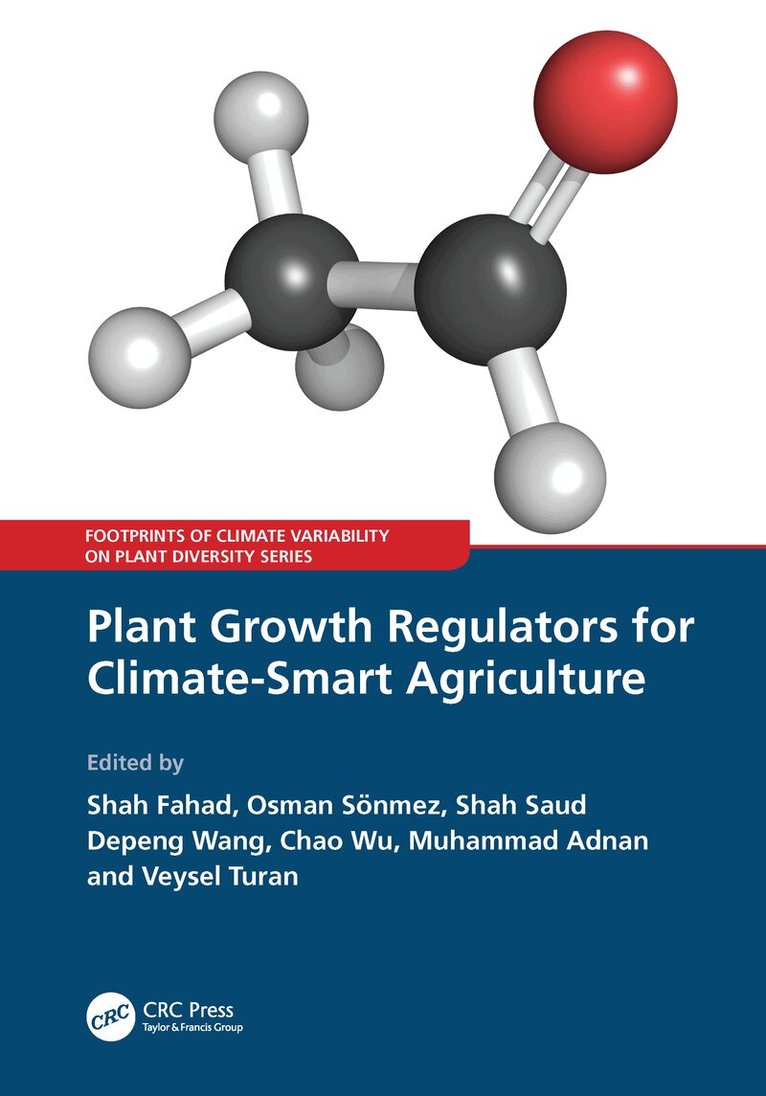
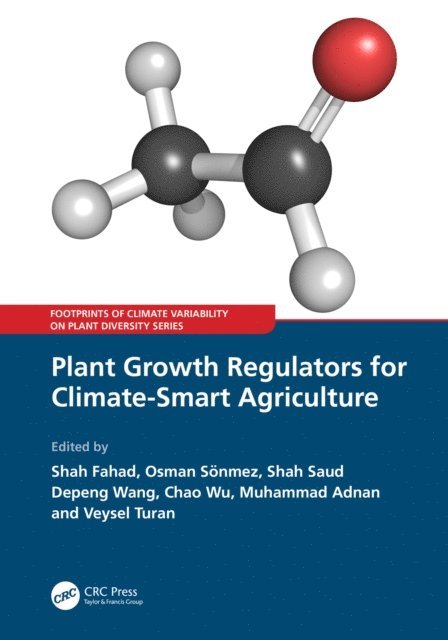
Climatic conditions are key determinants of plant growth, whether at the scale of temperature regulation of the cell cycle or at the scale of the geographic limits for a particular species. The climate is changing due to human activities – particularly the emission of greenhouse gases – therefore the conditions for the establishment, growth, reproduction, survival, and distribution of plant species are changing. In contrast to animals, plants are able to cease and resume growth. This flexibility in their architecture and growth pattern is partly achieved by the action of plant hormones. Still, the role of plant growth regulators (PGRs) in agriculture is modest compared to other agrochemicals, such as fungicides, herbicides, and insecticides. Plant Growth Regulators for Climate-Smart Agriculture is an invaluable guide to the varied roles filled by PGRs in the attainment of higher-quality, better-yielding crops.
Salient Features (minimum 5):
Explores plant growth regulators and anthropogenic climate change.
Provides new insights related to hormonal cross-talk in plant development and stress responses.
Sheds new light on the role of PGRs in agriculture in the attainment of higher-quality, better-yielding crops.
Delivers valuable information on physiological and molecular mechanisms linked to the role of plant growth regulators in stress tolerance.
Provides valuable knowledge for students of agronomy, plant physiology, molecular biology, and environmental sciences.
2 596 kr
Läs direkt efter köp
Climatic conditions are key determinants of plant growth, whether at the scale of temperature regulation of the cell cycle or at the scale of the geographic limits for a particular species. The climate is changing due to human activities – particularly the emission of greenhouse gases – therefore the conditions for the establishment, growth, reproduction, survival, and distribution of plant species are changing. In contrast to animals, plants are able to cease and resume growth. This flexibility in their architecture and growth pattern is partly achieved by the action of plant hormones. Still, the role of plant growth regulators (PGRs) in agriculture is modest compared to other agrochemicals, such as fungicides, herbicides, and insecticides. Plant Growth Regulators for Climate-Smart Agriculture is an invaluable guide to the varied roles filled by PGRs in the attainment of higher-quality, better-yielding crops.
Salient Features (minimum 5):
Explores plant growth regulators and anthropogenic climate change.
Provides new insights related to hormonal cross-talk in plant development and stress responses.
Sheds new light on the role of PGRs in agriculture in the attainment of higher-quality, better-yielding crops.
Delivers valuable information on physiological and molecular mechanisms linked to the role of plant growth regulators in stress tolerance.
Provides valuable knowledge for students of agronomy, plant physiology, molecular biology, and environmental sciences.
942 kr
Läs direkt efter köp
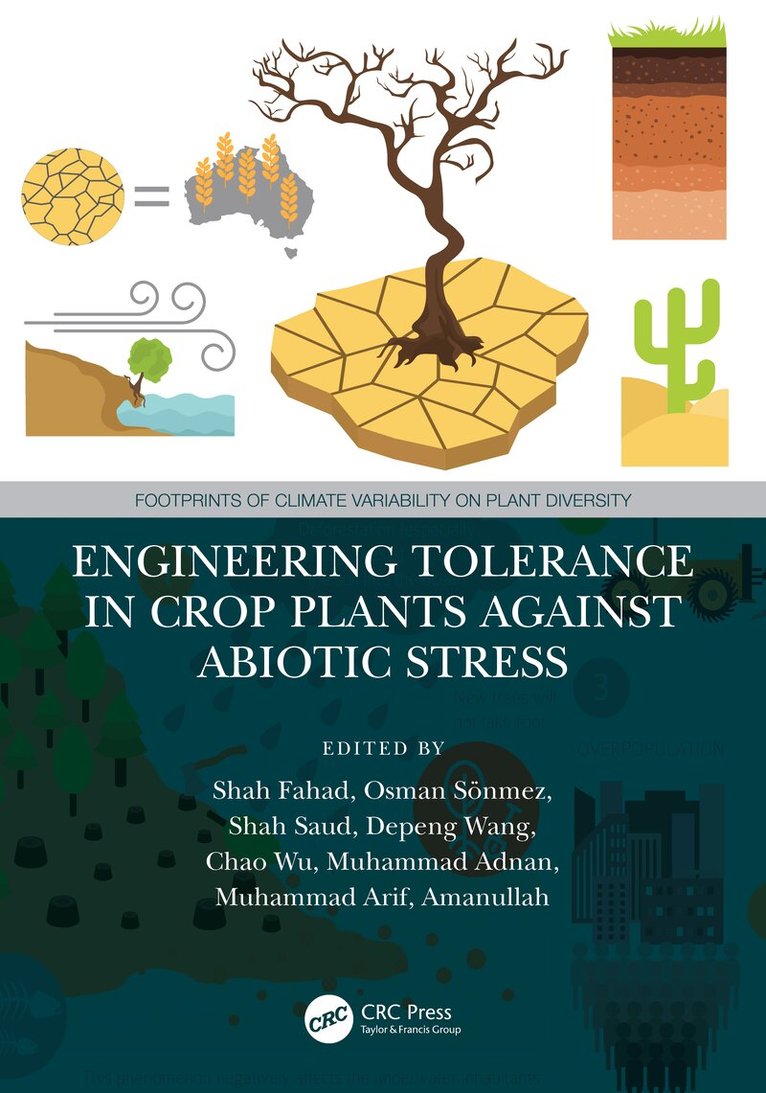
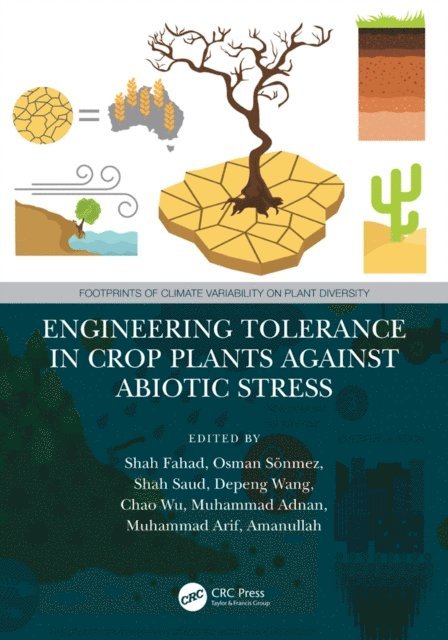
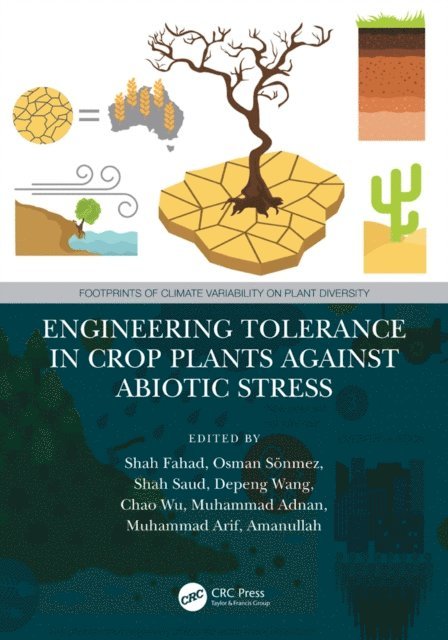
Despite significant progress in increasing agricultural production, meeting the changing dietary preferences and increasing food demands of future populations remains a significant challenge. Salinity, drought, water logging, high temperature and toxicity are abiotic stresses that affect the crop yield and production. Tolerance for stress is a important characteristic that plants need to have in order to survive. Identification of proper techniques at a proper time can make it easy for scientists to increase crop productivity and yield. In Engineering Tolerance in Crop Plants against Abiotic Stress we have discussed the possible stresses and their impact on crops and portrayed distinctive abiotic stress tolerance in response to different techniques that can improve the performance of crops.
Features of the Book:
Provide a state-of-the-art description of the physiological, biochemical, and molecular status of the understanding of abiotic stress in plants Address factors that threaten future food production and provide potential solution to these factors Designed to cater to the needs of the students engaged in the field of environmental sciences, soil sciences, agricultural microbiology, plant pathology, and agronomy New strategies for better crop productivity and yield Understanding new techniques pointed out in this book will open the possibility of genetic engineering in crop plants with the concomitant improved stress tolerance909 kr
Läs direkt efter köp
Despite significant progress in increasing agricultural production, meeting the changing dietary preferences and increasing food demands of future populations remains a significant challenge. Salinity, drought, water logging, high temperature and toxicity are abiotic stresses that affect the crop yield and production. Tolerance for stress is a important characteristic that plants need to have in order to survive. Identification of proper techniques at a proper time can make it easy for scientists to increase crop productivity and yield. In Engineering Tolerance in Crop Plants against Abiotic Stress we have discussed the possible stresses and their impact on crops and portrayed distinctive abiotic stress tolerance in response to different techniques that can improve the performance of crops.
Features of the Book:
Provide a state-of-the-art description of the physiological, biochemical, and molecular status of the understanding of abiotic stress in plants Address factors that threaten future food production and provide potential solution to these factors Designed to cater to the needs of the students engaged in the field of environmental sciences, soil sciences, agricultural microbiology, plant pathology, and agronomy New strategies for better crop productivity and yield Understanding new techniques pointed out in this book will open the possibility of genetic engineering in crop plants with the concomitant improved stress tolerance909 kr
Läs direkt efter köp
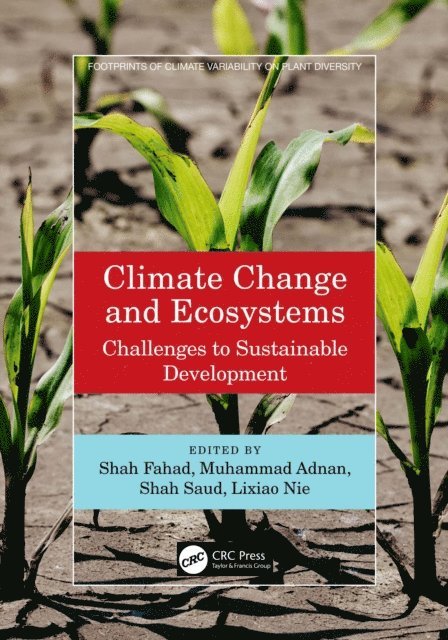
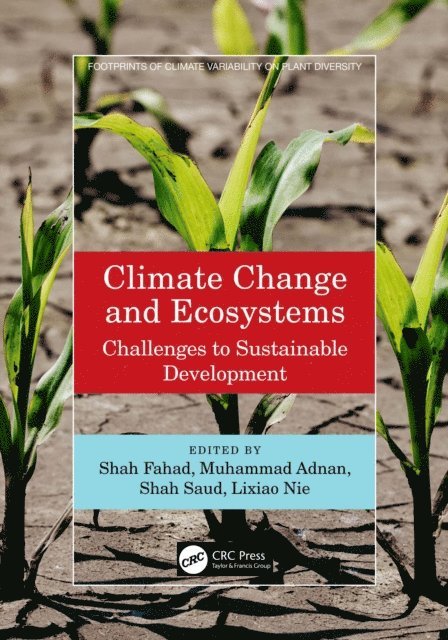
The global population is projected to increase by 3.3 billion from 6.7 billion in 2008 to 10 billion in 2100. As a result, soil degradation and desertification are growing due to the increasing demand for food, feed, fiber, and fuel on finite soil resources. The problem of global food insecurity may be further worsened by the threat of global warming. Climate change is showing its impacts in terms of increasing temperatures, variable rainfall, and an increase in climate-related extremes such as floods, droughts, cyclones, sea-level rise, salinity, and soil erosion. The agriculture sector is the most sensitive to climate change because the climate of a region/country determines the nature and characteristics of vegetation and crops. Increase in the mean seasonal temperature and decrease in effective precipitation can reduce the duration of many crops, may lead to outbreaks of pests and diseases, and hence reduce final yield ultimately affecting the food security of the country. Despite the positive impact of CO2 fertilization, the net productivity may decrease because of an increase in respiration rate, drought stress, and nutrient deficiency. For example, for every 75 ppm increase in CO2 concentration, rice yields will increase by 0.5 t/ha, but the yield will decrease by 0.6 t/ha for every 1°C increase in temperature. The global agricultural productivity is expected to decrease from 3% to 16% by 2080. The estimated decrease in agricultural productivity in the developing countries is 10%–25% in the 2080s, where average air temperature is already near or above crop tolerance levels. This book is intended to serve as a stimulating collection that will contribute to debate and reflection on the sustainable future of agriculture and food production in the face of global change.
Features:
This book brings together a multidimensional group of international scholars exploring the ethical dimensions of climate change and ecosystem. New strategies have been pointed out in this book for better sustainable development.
This book has been designed to provide a good overview of major challenges facing policymakers, researchers, and ultimately humankind in dealing with climate change.
This book summarizes the diverse features of vulnerability, adaptation, and amelioration of climate change in respect to plants, crops, soil, and microbes for the sustainability of the agricultural sector, and, ultimately, food security for the future.
This book provides a state-of-the-art description of the physiological, biochemical, and molecular status of the understanding of abiotic stress in plants.
909 kr
Läs direkt efter köp
The global population is projected to increase by 3.3 billion from 6.7 billion in 2008 to 10 billion in 2100. As a result, soil degradation and desertification are growing due to the increasing demand for food, feed, fiber, and fuel on finite soil resources. The problem of global food insecurity may be further worsened by the threat of global warming. Climate change is showing its impacts in terms of increasing temperatures, variable rainfall, and an increase in climate-related extremes such as floods, droughts, cyclones, sea-level rise, salinity, and soil erosion. The agriculture sector is the most sensitive to climate change because the climate of a region/country determines the nature and characteristics of vegetation and crops. Increase in the mean seasonal temperature and decrease in effective precipitation can reduce the duration of many crops, may lead to outbreaks of pests and diseases, and hence reduce final yield ultimately affecting the food security of the country. Despite the positive impact of CO2 fertilization, the net productivity may decrease because of an increase in respiration rate, drought stress, and nutrient deficiency. For example, for every 75 ppm increase in CO2 concentration, rice yields will increase by 0.5 t/ha, but the yield will decrease by 0.6 t/ha for every 1°C increase in temperature. The global agricultural productivity is expected to decrease from 3% to 16% by 2080. The estimated decrease in agricultural productivity in the developing countries is 10%–25% in the 2080s, where average air temperature is already near or above crop tolerance levels. This book is intended to serve as a stimulating collection that will contribute to debate and reflection on the sustainable future of agriculture and food production in the face of global change.
Features:
This book brings together a multidimensional group of international scholars exploring the ethical dimensions of climate change and ecosystem. New strategies have been pointed out in this book for better sustainable development.
This book has been designed to provide a good overview of major challenges facing policymakers, researchers, and ultimately humankind in dealing with climate change.
This book summarizes the diverse features of vulnerability, adaptation, and amelioration of climate change in respect to plants, crops, soil, and microbes for the sustainability of the agricultural sector, and, ultimately, food security for the future.
This book provides a state-of-the-art description of the physiological, biochemical, and molecular status of the understanding of abiotic stress in plants.
909 kr
Läs direkt efter köp
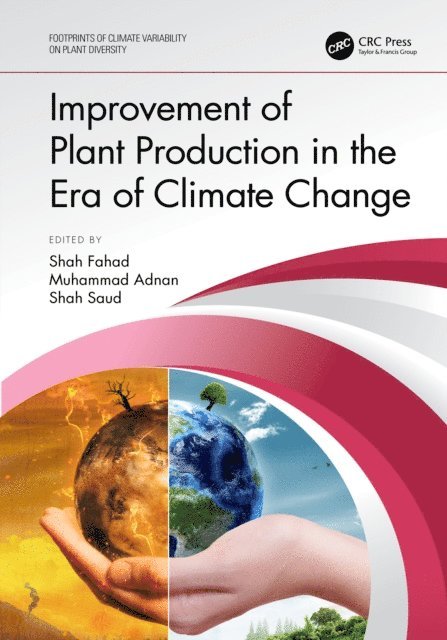
Current trends in population growth suggest that global food production is unlikely to meet future demands under projected climate change scenarios unless the pace of plant improvement is accelerated. Plant production is facing many challenges due to changing environmental conditions and the growing demand for new plant-derived materials. These challenges come at a time when plant science is making significant progress in understanding the basic processes of plant growth and development. Major abiotic stresses like drought, heat, cold and salinity often cause a range of morphological, physiological, biochemical, and molecular changes affecting plant growth, development, and productivity; so sustainable food production poses a serious challenge to much of the world, particularly in emerging countries. This underscores the urgent need to find better ways to translate new advances in plant science into concrete successes in agricultural production. In order to overcome the negative effects of abiotic stress and to maintain food security in the face of these challenges, new, improved, and resilient plant varieties, contemporary breeding techniques, and a deep understanding of the mechanisms for offsetting harmful climate change are undoubtedly necessary. In this context, Improvement of Plant Production in the Era of Climate Change is a guide to the most advanced techniques that help in understanding plant response to abiotic stress, leading to new horizons and the strategy for the current translation studies application to overall solution to create a powerful production and crop improvement in such an adverse environment.
FEATURES
Provides a state-of-the-art description of the physiological, biochemical, and molecular-level understanding of abiotic stress in plants Courses taught in universities from basics to advanced level in field of plant physiology, molecular genetics, and bioinformatics will use this book Focuses on climatic extremes and their management for plant protection and production, which is great threat to future generation and food security Understanding of new techniques pointed out in this book will open the possibility of genetic engineering in crop plants with the concomitant improved stress tolerance Addressing factors that are threatening future food production and providing potential solutions to these factors Written by a diverse group of internationally famed scholars, this book adds new horizons in the field of abiotic stress tolerance942 kr
Läs direkt efter köp
Current trends in population growth suggest that global food production is unlikely to meet future demands under projected climate change scenarios unless the pace of plant improvement is accelerated. Plant production is facing many challenges due to changing environmental conditions and the growing demand for new plant-derived materials. These challenges come at a time when plant science is making significant progress in understanding the basic processes of plant growth and development. Major abiotic stresses like drought, heat, cold and salinity often cause a range of morphological, physiological, biochemical, and molecular changes affecting plant growth, development, and productivity; so sustainable food production poses a serious challenge to much of the world, particularly in emerging countries. This underscores the urgent need to find better ways to translate new advances in plant science into concrete successes in agricultural production. In order to overcome the negative effects of abiotic stress and to maintain food security in the face of these challenges, new, improved, and resilient plant varieties, contemporary breeding techniques, and a deep understanding of the mechanisms for offsetting harmful climate change are undoubtedly necessary. In this context, Improvement of Plant Production in the Era of Climate Change is a guide to the most advanced techniques that help in understanding plant response to abiotic stress, leading to new horizons and the strategy for the current translation studies application to overall solution to create a powerful production and crop improvement in such an adverse environment.
FEATURES
Provides a state-of-the-art description of the physiological, biochemical, and molecular-level understanding of abiotic stress in plants Courses taught in universities from basics to advanced level in field of plant physiology, molecular genetics, and bioinformatics will use this book Focuses on climatic extremes and their management for plant protection and production, which is great threat to future generation and food security Understanding of new techniques pointed out in this book will open the possibility of genetic engineering in crop plants with the concomitant improved stress tolerance Addressing factors that are threatening future food production and providing potential solutions to these factors Written by a diverse group of internationally famed scholars, this book adds new horizons in the field of abiotic stress tolerance909 kr
Läs direkt efter köp
The alkaline calcareous nature, high pH, salinity, heavy metals pollution, and low organic matter content of soils in many parts of the world have diminished the soil fertility and made essential nutrients unavailable to crops. To cope with the poor availability of soil nutrients, improve soil health, and feed the fast-growing global population, the farming community is using millions of tons of expensive chemical fertilizers in their fields to maintain an adequate level of nutrients for crop sustainability as well as to ensure food security. In this scenario, the exploitation of biofertilizers has become of paramount importance in the agricultural sector for their potential role in food safety and sustainable crop production. Bearing in mind the key importance of biofertilizers, this book examines the role of biofertilizers in sustainable management of soil and plant health under different conditions of the changing climate. Finally, it provides a platform for scientists and academicians all over the world to promote, share, and discuss various new issues, developments, and limitations in biofertilizers, crops, and beneficial microbes.
Salient Features:
Mainly focuses on the role of biofertilizers in managing soils for improving crop and vegetable yields as a substitute for chemical fertilizers. Highlights the valuable information for the mechanism of action, factors affecting, and limitations of biofertilizers in the wider ecosystem. Presents a diversity of techniques used across plant science. Designed to cater to the needs of researchers, technologists, policy makers, and undergraduates and postgraduates studying in the fields of organic agriculture, soil microbiology, soil biology, soil fertility, and fertilizers. Addresses plant responses to biofertilizers.