Sharlene Swartz – författare
2 144 kr
Skickas inom 5-8 vardagar
1 563 kr
Läs direkt efter köp
1 577 kr
Läs direkt efter köp
1 889 kr
Skickas inom 10-15 vardagar
2 158 kr
Skickas inom 10-15 vardagar
662 kr
Läs direkt efter köp
Bringing together a unique collection of 18 insightful and innovative internationally focused articles, Educational Research Practice in Southern Contexts offers reflections, case studies, and critically, research methods and processes which decentre, reframe, and reimagine conventional educational research strategies and operationalise the tenets of decolonising theory.
This anthology represents a valuable teaching resource. It provides readers with the chance to read high-quality examples of research that critique current ways of doing research and to reflect on how research methods can contribute to the project of decolonising knowledge production in and about education in, for example, Africa, South Asia, Asia, and Latin America. It grapples with everyday dilemmas and tricky ethical questions about protection, consent, voice, cultural sensitivity, and validation, by engaging with real-world situations and increasing the potential for innovation and new collaborations.
Educational Research Practice in Southern Contexts will be essential reading for anyone teaching educational research methods and will encourage novice and experienced researchers to rethink their research approaches, disentangle the local and global, and challenge those research rituals, codes, and fieldwork practices which are often unproblematically assumed to be universally relevant.
662 kr
Läs direkt efter köp
Bringing together a unique collection of 18 insightful and innovative internationally focused articles, Educational Research Practice in Southern Contexts offers reflections, case studies, and critically, research methods and processes which decentre, reframe, and reimagine conventional educational research strategies and operationalise the tenets of decolonising theory.
This anthology represents a valuable teaching resource. It provides readers with the chance to read high-quality examples of research that critique current ways of doing research and to reflect on how research methods can contribute to the project of decolonising knowledge production in and about education in, for example, Africa, South Asia, Asia, and Latin America. It grapples with everyday dilemmas and tricky ethical questions about protection, consent, voice, cultural sensitivity, and validation, by engaging with real-world situations and increasing the potential for innovation and new collaborations.
Educational Research Practice in Southern Contexts will be essential reading for anyone teaching educational research methods and will encourage novice and experienced researchers to rethink their research approaches, disentangle the local and global, and challenge those research rituals, codes, and fieldwork practices which are often unproblematically assumed to be universally relevant.
612 kr
Skickas inom 10-15 vardagar
2 090 kr
Skickas inom 10-15 vardagar
574 kr
Skickas inom 10-15 vardagar
558 kr
Skickas inom 10-15 vardagar
647 kr
Läs direkt efter köp
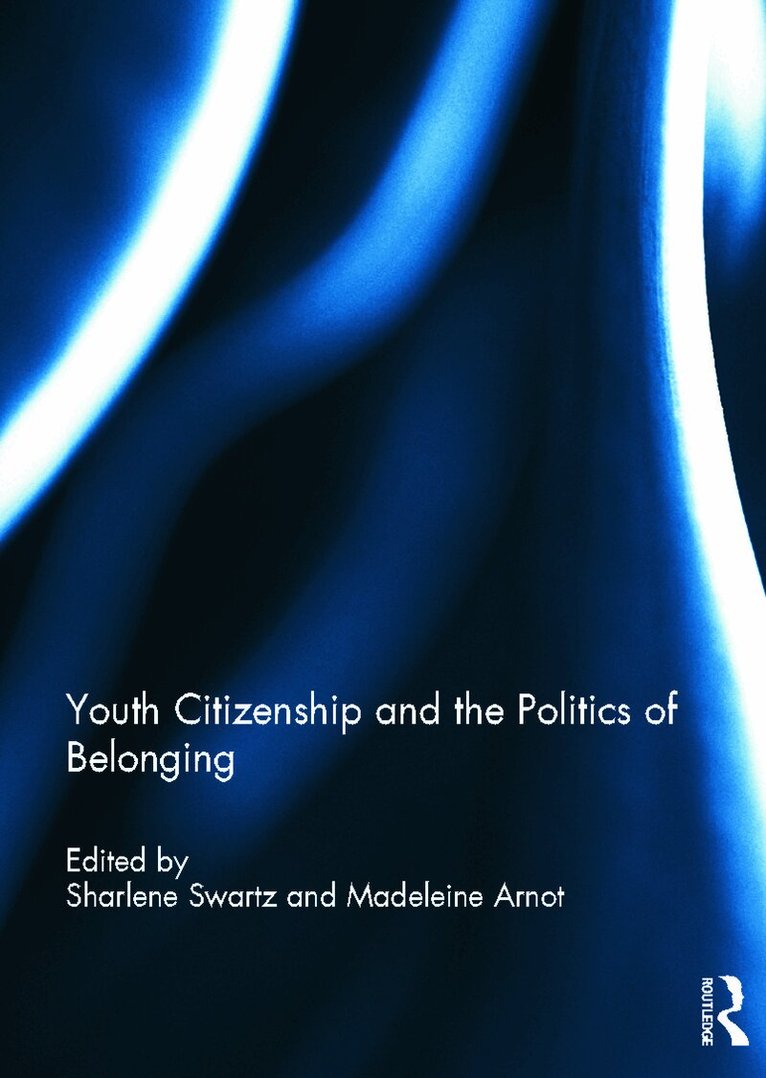
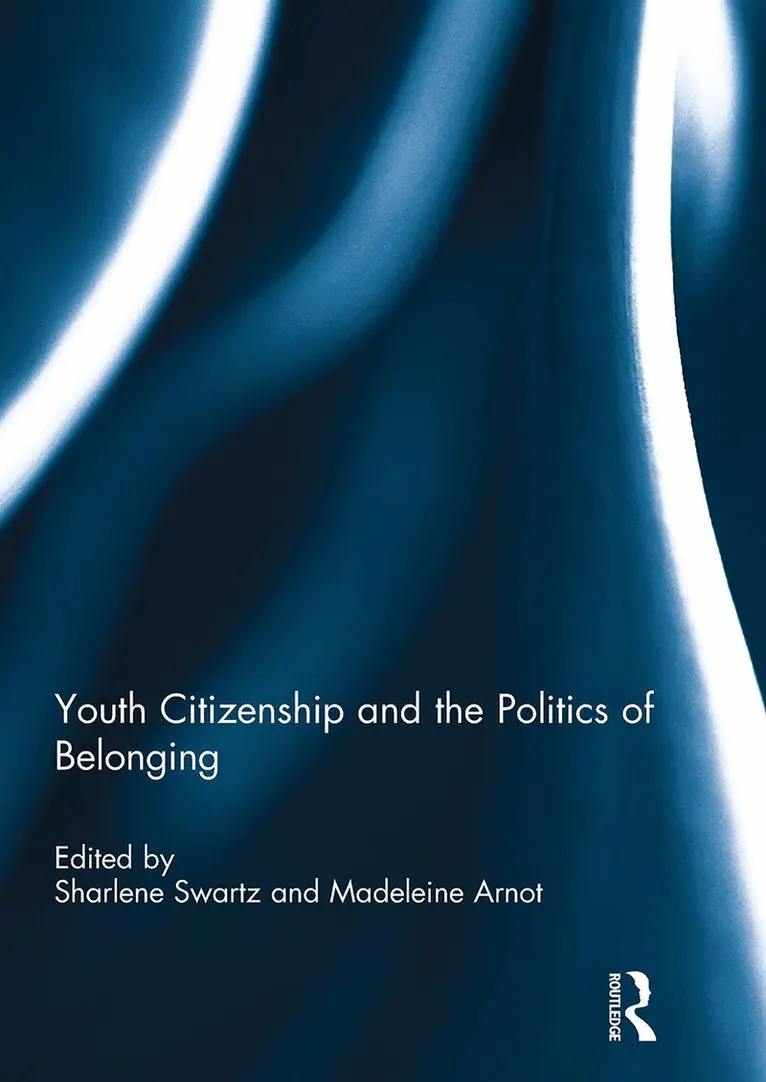
Around the world today, young people are being called upon to develop civic competence and carry the burden of forging a political future in the midst of impoverishment, exclusion and inequality. In societies that have experienced civil war, military occupation, mass immigration of displaced people or social conflict, the conditions under which young people attempt to build their citizenship are not well understood.
Youth Citizenship and the Politics of Belonging contributes to the field of youth citizenship studies by purposively exploring the experiences of young adults in the context of the formation of nationhood and global citizenship. It explores, from the perspective of various countries, the role of social context and schooling in creating young citizens. This collection offers a unique opportunity to hear the voices of young people themselves who, as ‘learner citizens’ within educational institutions, poor communities and refugee camps, amongst other settings, expose the tensions between social inclusion and marginalization.
The book considers young people’s contemporary social movements, their activism and their sense of belonging. It looks at understandings of national, political and religious identities, youth rights, and various forms of state, community and sexual violence as well as strategic coping strategies, their reinterpretations of civic messages, and the ways in which anger, resistance and disengagement put youth in a difficult position.
This book was originally published as a special issue of Comparative Education.
647 kr
Läs direkt efter köp
Around the world today, young people are being called upon to develop civic competence and carry the burden of forging a political future in the midst of impoverishment, exclusion and inequality. In societies that have experienced civil war, military occupation, mass immigration of displaced people or social conflict, the conditions under which young people attempt to build their citizenship are not well understood.
Youth Citizenship and the Politics of Belonging contributes to the field of youth citizenship studies by purposively exploring the experiences of young adults in the context of the formation of nationhood and global citizenship. It explores, from the perspective of various countries, the role of social context and schooling in creating young citizens. This collection offers a unique opportunity to hear the voices of young people themselves who, as ‘learner citizens’ within educational institutions, poor communities and refugee camps, amongst other settings, expose the tensions between social inclusion and marginalization.
The book considers young people’s contemporary social movements, their activism and their sense of belonging. It looks at understandings of national, political and religious identities, youth rights, and various forms of state, community and sexual violence as well as strategic coping strategies, their reinterpretations of civic messages, and the ways in which anger, resistance and disengagement put youth in a difficult position.
This book was originally published as a special issue of Comparative Education.
665 kr
Läs direkt efter köp
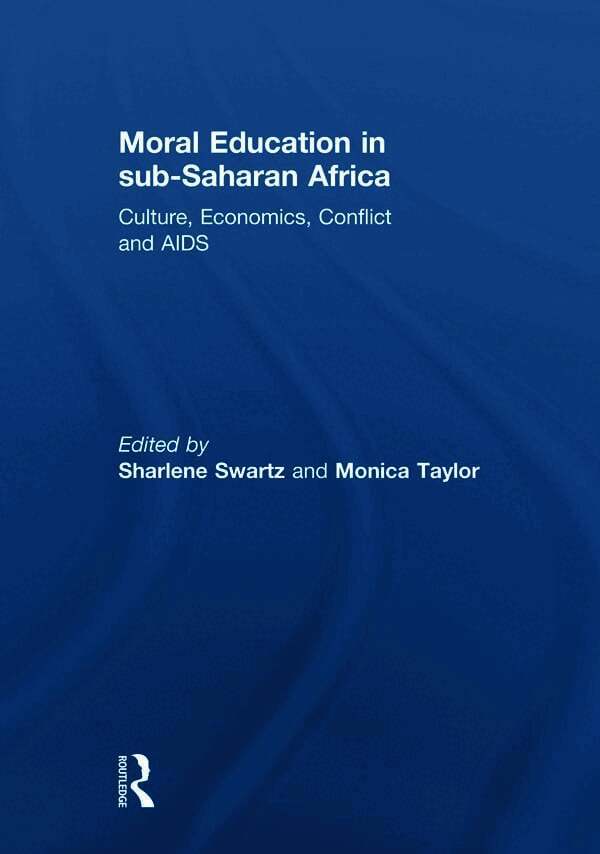
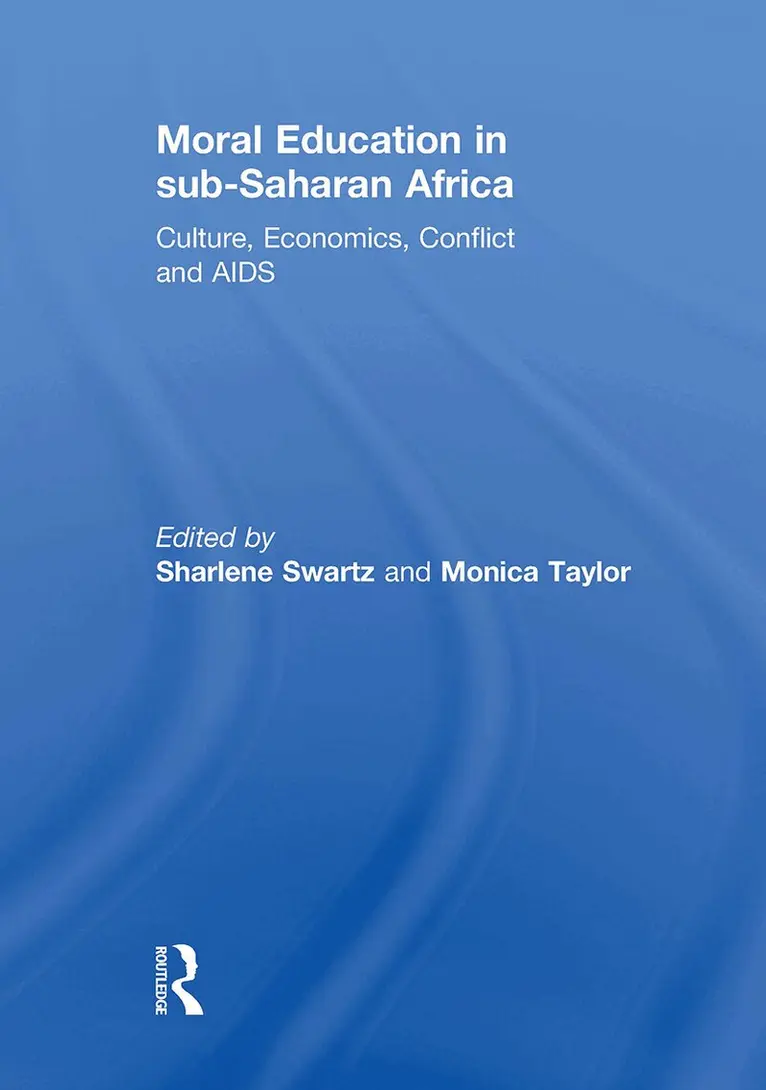
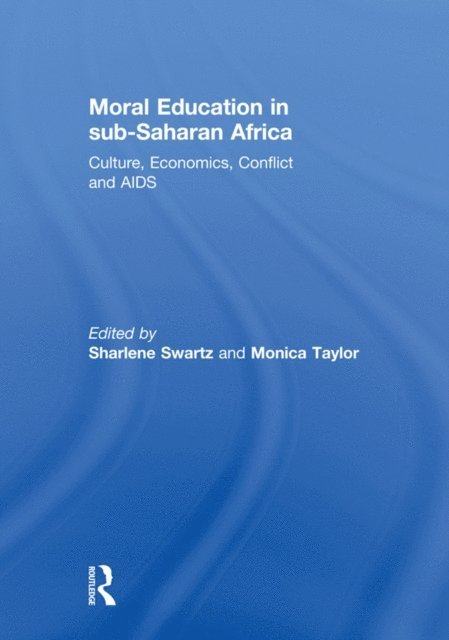
The term ‘moral’ has had a chequered history in sub-Saharan Africa, mainly due to the legacy of colonialism and Apartheid (in South Africa). In contrast to moral education as a vehicle of cultural imperialism and social control, this volume shows moral education to be concerned with both private and public morality, with communal and national relationships between human beings, as well as between people and their environment. Drawing on distinctive perspectives from philosophy, economics, sociology and education, it offers the African ethic of Ubuntu/Botho as a plausible alternative to Western approaches to morality and shows how African ethics speaks to political and economic life, including ethnic conflict and HIV/AIDS, and may be an antidote to the current practice of timocracy that values money over people.
The volume provides sociological tools for understanding the lived morality of those marginalised by poverty, and analyses the effects of culture, religion and modern secularisation on moral education. With contributions from fourteen African scholars, this book challenges dominant frameworks, and begins conversations for mutual benefit across the North-South divide. It has global implications, not just, but especially, where moral education is undertaken in pluralist contexts and in the presence of economic disparity.
This book was published as a special issue of the Journal of Moral Education.
665 kr
Läs direkt efter köp
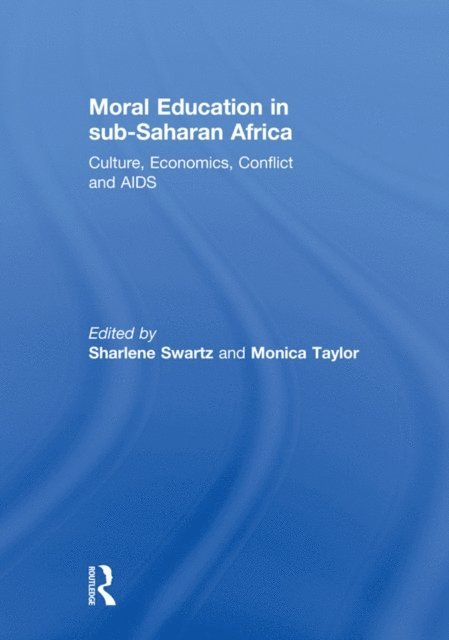
The term ‘moral’ has had a chequered history in sub-Saharan Africa, mainly due to the legacy of colonialism and Apartheid (in South Africa). In contrast to moral education as a vehicle of cultural imperialism and social control, this volume shows moral education to be concerned with both private and public morality, with communal and national relationships between human beings, as well as between people and their environment. Drawing on distinctive perspectives from philosophy, economics, sociology and education, it offers the African ethic of Ubuntu/Botho as a plausible alternative to Western approaches to morality and shows how African ethics speaks to political and economic life, including ethnic conflict and HIV/AIDS, and may be an antidote to the current practice of timocracy that values money over people.
The volume provides sociological tools for understanding the lived morality of those marginalised by poverty, and analyses the effects of culture, religion and modern secularisation on moral education. With contributions from fourteen African scholars, this book challenges dominant frameworks, and begins conversations for mutual benefit across the North-South divide. It has global implications, not just, but especially, where moral education is undertaken in pluralist contexts and in the presence of economic disparity.
This book was published as a special issue of the Journal of Moral Education.