

Häftad, Engelska
213 kr
Skickas inom 3-6 vardagar
213 kr
Skickas inom 3-6 vardagar
2 288 kr
Skickas inom 5-8 vardagar
1 105 kr
Läs direkt efter köp
1 130 kr
Läs direkt efter köp
2 452 kr
Skickas inom 10-15 vardagar
675 kr
Skickas inom 10-15 vardagar
790 kr
Läs direkt efter köp
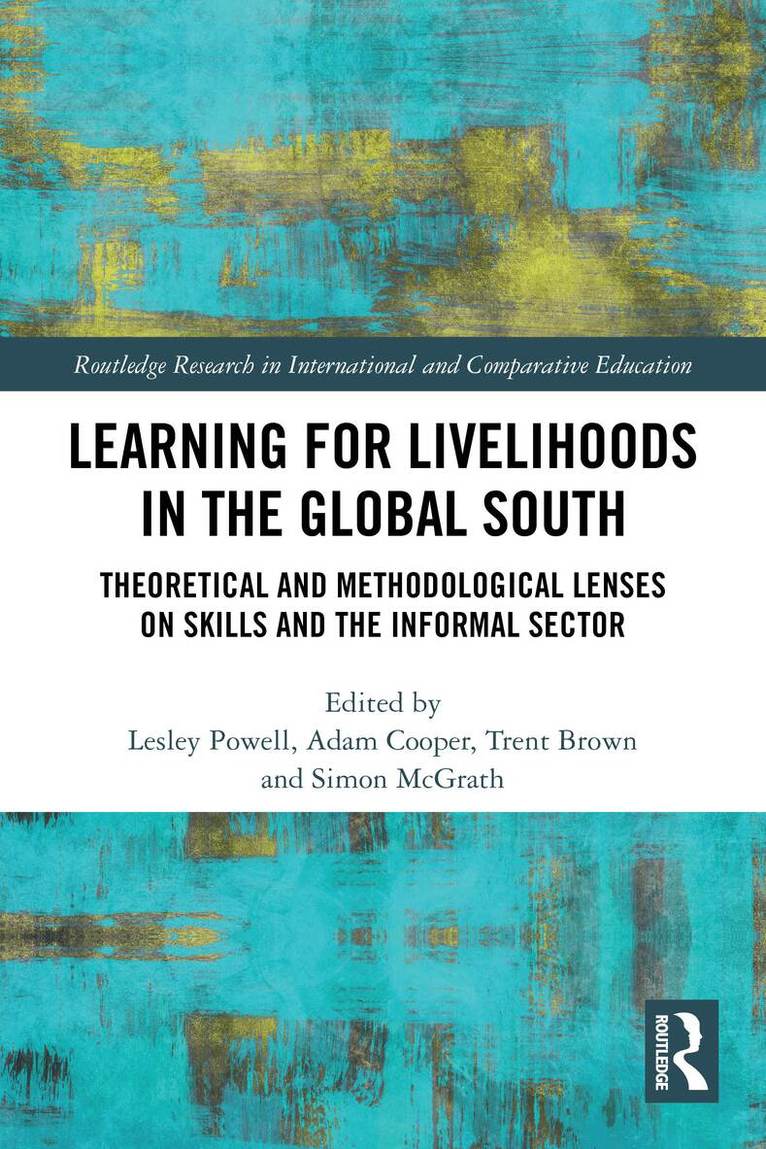
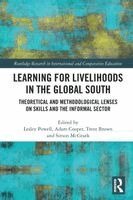
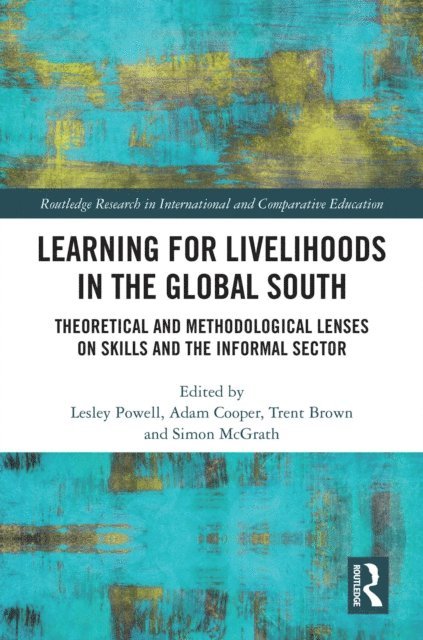
This edited volume explores how youth and informal sector workers in the Global South are pioneering learning and livelihoods that exist at the intersections of, and beyond, the boundaries of the state, market, and other formal institutions.
Underpinned by research undertaken in the Global South, this book discusses how we might better theorise, conceptualise, and critique what skills and vocational education and training mean for young people with diverse livelihoods - people who rely substantially on the informal and social economy. Rather than envisioning education and skills as oriented towards profit-making or increased productivity, chapters offer fresh perspectives that move beyond the dominant neoliberal and human capital orthodoxies. This book features chapters that are global in approach, uses case studies from contexts as diverse as India, South Africa, West Africa, and Colombia, and focuses on how education can be used to empower people, strengthen livelihoods, and expand human agency, skills, personal growth, and the capability for voice.
Issuing a clarion call, it appeals for recognition of the ways in which learning, working, and living take place in the informal sector in the Global South, arguing that this matters for the vast majority of the world’s population. This book will be of relevance to scholars, academics, and postgraduate students in vocational education and training, skills development, the informal sector, international and comparative education, international development, and adult education.
784 kr
Läs direkt efter köp
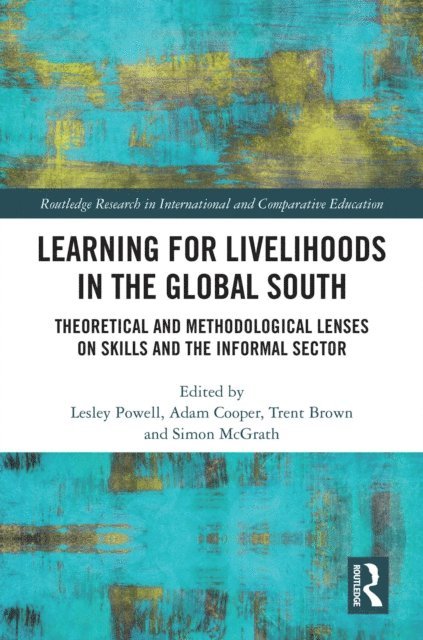
This edited volume explores how youth and informal sector workers in the Global South are pioneering learning and livelihoods that exist at the intersections of, and beyond, the boundaries of the state, market, and other formal institutions.
Underpinned by research undertaken in the Global South, this book discusses how we might better theorise, conceptualise, and critique what skills and vocational education and training mean for young people with diverse livelihoods - people who rely substantially on the informal and social economy. Rather than envisioning education and skills as oriented towards profit-making or increased productivity, chapters offer fresh perspectives that move beyond the dominant neoliberal and human capital orthodoxies. This book features chapters that are global in approach, uses case studies from contexts as diverse as India, South Africa, West Africa, and Colombia, and focuses on how education can be used to empower people, strengthen livelihoods, and expand human agency, skills, personal growth, and the capability for voice.
Issuing a clarion call, it appeals for recognition of the ways in which learning, working, and living take place in the informal sector in the Global South, arguing that this matters for the vast majority of the world’s population. This book will be of relevance to scholars, academics, and postgraduate students in vocational education and training, skills development, the informal sector, international and comparative education, international development, and adult education.

35 kr
Läs direkt efter köp
2 452 kr
Skickas inom 10-15 vardagar
632 kr
Skickas inom 10-15 vardagar
762 kr
Läs direkt efter köp
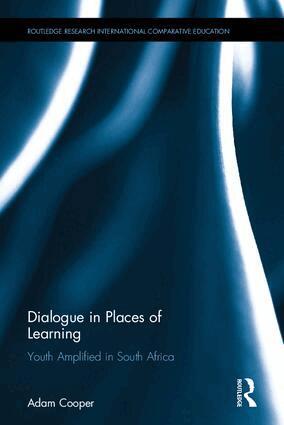
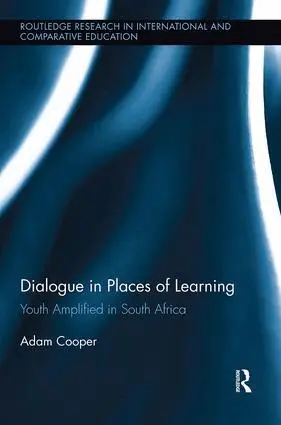
Showing how youth from one of the poorest and most violent neighborhoods in Cape Town, South Africa, learn differently in three educational contexts— in classrooms, in a community hip hop crew, on a youth radio show—this book illuminates how South African schools, like schools elsewhere, subtly reproduce inequalities by sorting students into social hierarchies linked to assessments of their use of language. Highlighting the voices and perspectives of young South Africans, this case study of youth in the global South explores how language is linked to cultural mixing which occurred during colonialism and slavery and continues through patterns of global mobility. Dialogue in Places of Learning: Youth Amplified in South Africa demonstrates how language and learning are bound to space and place.
746 kr
Läs direkt efter köp
Showing how youth from one of the poorest and most violent neighborhoods in Cape Town, South Africa, learn differently in three educational contexts— in classrooms, in a community hip hop crew, on a youth radio show—this book illuminates how South African schools, like schools elsewhere, subtly reproduce inequalities by sorting students into social hierarchies linked to assessments of their use of language. Highlighting the voices and perspectives of young South Africans, this case study of youth in the global South explores how language is linked to cultural mixing which occurred during colonialism and slavery and continues through patterns of global mobility. Dialogue in Places of Learning: Youth Amplified in South Africa demonstrates how language and learning are bound to space and place.

212 kr
Skickas inom 3-6 vardagar

180 kr
Skickas inom 3-6 vardagar

142 kr
Skickas inom 5-8 vardagar
3 693 kr
Skickas inom 5-8 vardagar