Sheo Mohan Prasad – författare
2 200 kr
Skickas inom 10-15 vardagar
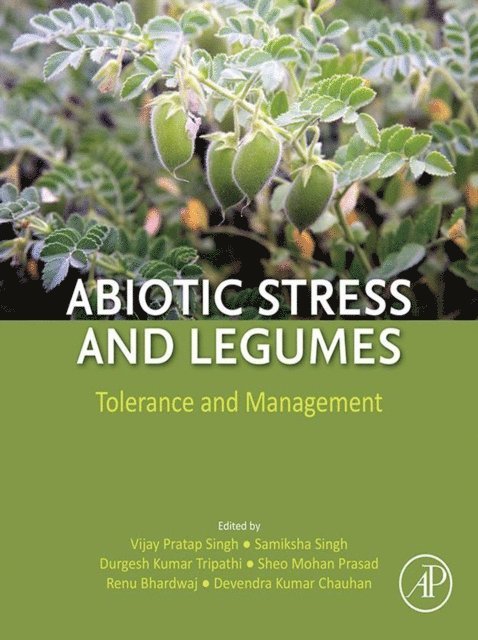
Abiotic Stress and Legumes: Tolerance and Management is the first book to focus on the ability of legume plants to adapt effectively to environmental challenges. Using the -omic approach, this book takes a targeted approach to understanding the methods and means of ensuring survival and maximizing the productivity of the legume plant by improving tolerance to environmental /abiotic stress factors including drought, temperature change, and other challenges.The book presents a comprehensive overview of the progress that has been made in identifying means of managing abiotic stress effects, specifically in legumes, including the development of several varieties which exhibit tolerance through high yield using transcriptomic, proteomic, metabolomic and ionomic approaches. Further, exogenous application of various stimulants such as plant hormones, nutrients, sugars, and polyamines has emerged as an alternative strategy to improve productivity under these environmental challenges.Abiotic Stress and Legumes: Tolerance and Management examines these emerging strategies and serves as an important resource for researchers, academicians and scientists, enhancing their knowledge and aiding further research.
Explores the progress made in managing abiotic stress, specifically with high yield legumes Highlights the molecular mechanisms related to acclimation Presents proven strategies and emerging approaches to guide additional research3 006 kr
Läs direkt efter köp
3 421 kr
Skickas inom 10-15 vardagar
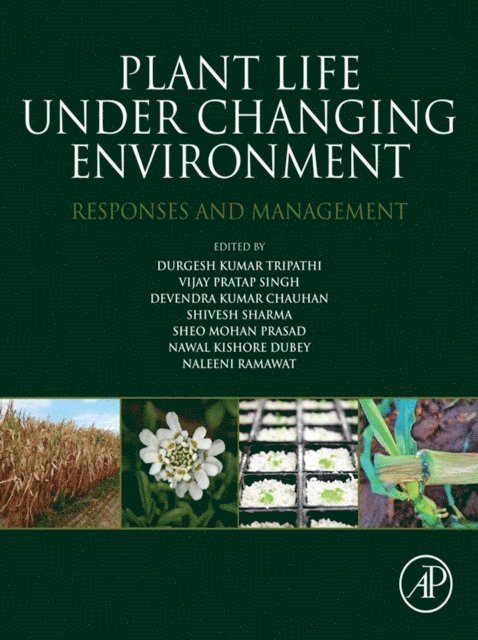
Plant Life under Changing Environment: Responses and Management presents the latest insights, reflecting the significant progress that has been made in understanding plant responses to various changing environmental impacts, as well as strategies for alleviating their adverse effects, including abiotic stresses. Growing from a focus on plants and their ability to respond, adapt, and survive, Plant Life under Changing Environment: Responses and Management addresses options for mitigating those responses to ensure maximum health and growth. Researchers and advanced students in environmental sciences, plant ecophysiology, biochemistry, molecular biology, nano-pollution climate change, and soil pollution will find this an important foundational resource.
Covers both responses and adaptation of plants to altered environmental states Illustrates the current impact of climate change on plant productivity, along with mitigation strategies Includes transcriptomic, proteomic, metabolomic and ionomic approaches4 806 kr
Läs direkt efter köp
1 864 kr
Skickas inom 10-15 vardagar
Hydrogen Sulfide in Plant Biology: Past and Present includes 17 chapters, with topics from cross-talk and lateral root development under stress, to post-translational modifications and disease resistance. With emerging research on the different roles and applications of H2S, this title compiles the latest advances of this key signaling molecule. The development of a plant requires complex signaling of various molecules like H2S in order to achieve regulated and proper development, hence hydrogen sulfide (H2S) has emerged as an important signaling molecule that regulates nearly each and every stage of a plant's lifecycle.
Edited by leading experts in the field, this is a must-read for scientists and researchers interested in plant physiology, biochemistry and ecology.
Discusses the emerging roles of H2S in plant biology Presents the latest research from leading laboratories across the globe Edited by a team of experts in plant signaling2 599 kr
Läs direkt efter köp
2 661 kr
Skickas inom 10-15 vardagar
840 kr
Skickas inom 10-15 vardagar
942 kr
Läs direkt efter köp
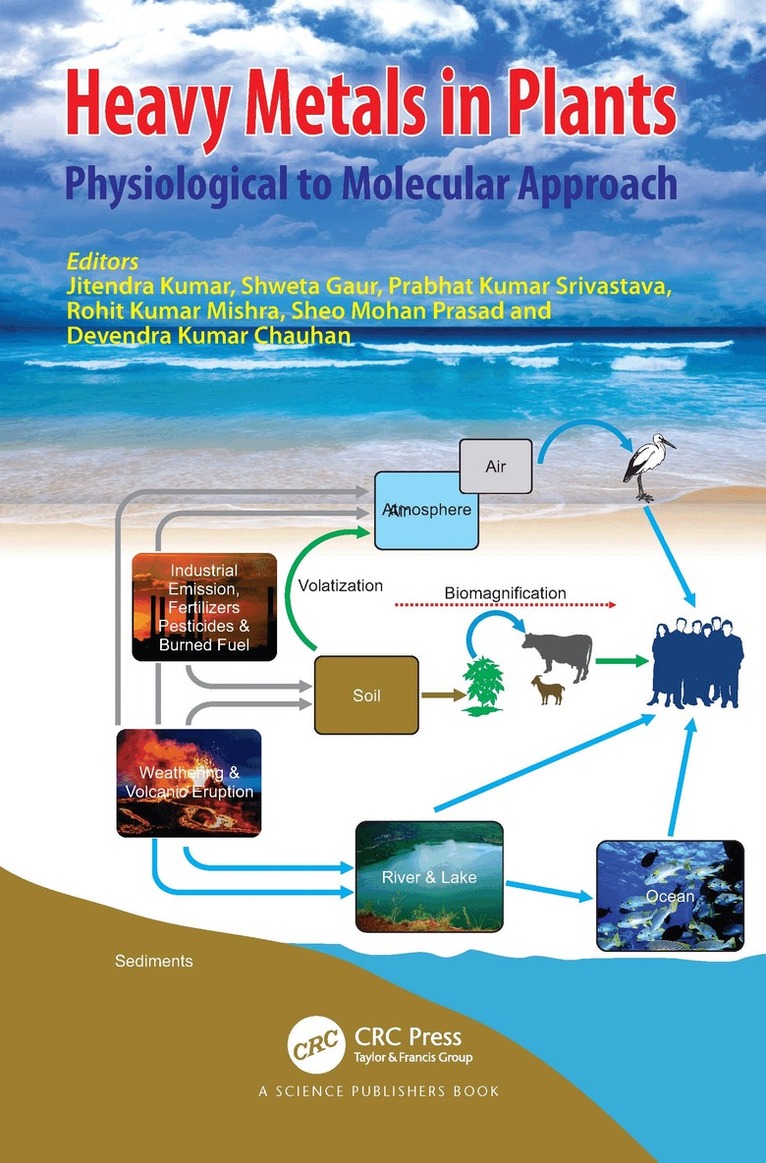
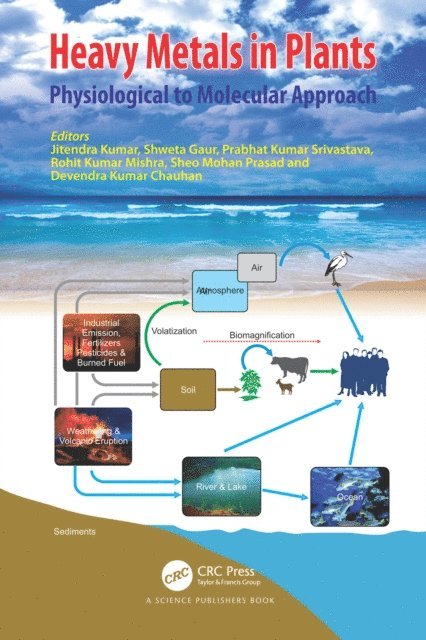
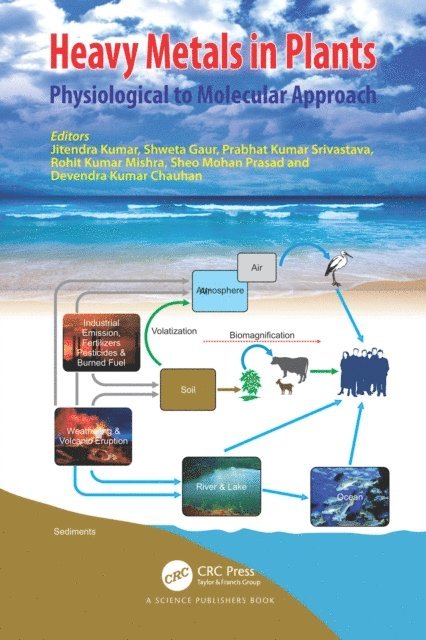
This book focuses on the menace of metal pollution and its impact on plants, particularly food grains, pulse and vegetable plants covering morphological, anatomical, physiological and biochemical aspects. It includes comparative studies among metal hyper-accumulators (metallophytes) and non-accumulators including exogenous hormonal alleviation in them due to metal stress. Low dose stimulation effects are also reviewed. The most significant feature of the book is its extensive coverage of genomics, metabolomics, ionomics, proteomics and transcriptomics in metal non-hyper-accumulators and hyper-accumulators. Being an edited volume, the book incorporates a variety of research perspectives, enhancing the existing knowledge about metal pollution and points to newer avenues to be researched.
942 kr
Läs direkt efter köp
This book focuses on the menace of metal pollution and its impact on plants, particularly food grains, pulse and vegetable plants covering morphological, anatomical, physiological and biochemical aspects. It includes comparative studies among metal hyper-accumulators (metallophytes) and non-accumulators including exogenous hormonal alleviation in them due to metal stress. Low dose stimulation effects are also reviewed. The most significant feature of the book is its extensive coverage of genomics, metabolomics, ionomics, proteomics and transcriptomics in metal non-hyper-accumulators and hyper-accumulators. Being an edited volume, the book incorporates a variety of research perspectives, enhancing the existing knowledge about metal pollution and points to newer avenues to be researched.
770 kr
Skickas inom 10-15 vardagar
2 251 kr
Skickas inom 11-20 vardagar
2 737 kr
Läs direkt efter köp
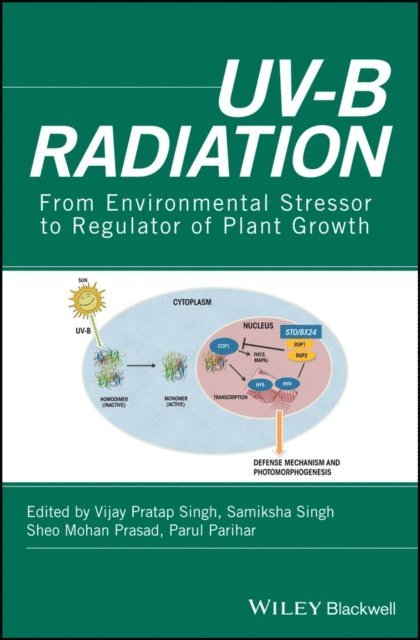
Ultraviolet-B (UV-B) is electromagnetic radiation coming from the sun, with a medium wavelength which is mostly absorbed by the ozone layer. The biological effects of UV-B are greater than simple heating effects, and many practical applications of UV-B radiation derive from its interactions with organic molecules. It is considered particularly harmful to the environment and living things, but what have scientific studies actually shown?
UV-B Radiation: From Environmental Stressor to Regulator of Plant Growth presents a comprehensive overview of the origins, current state, and future horizons of scientific research on ultraviolet-B radiation and its perception in plants. Chapters explore all facets of UV-B research, including the basics of how UV-B''s shorter wavelength radiation from the sun reaches the Earth''s surface, along with its impact on the environment''s biotic components and on human biological systems. Chapters also address the dramatic shift in UV-B research in recent years, reflecting emerging technologies, showing how historic research which focused exclusively on the harmful environmental effects of UV-B radiation has now given way to studies on potential benefits to humans. Topics include:
UV-B and its climatology UV-B and terrestrial ecosystems Plant responses to UV-B stress UB- B avoidance mechanisms UV-B and production of secondary metabolites Discovery of UVR8Timely and important, UV-B Radiation: From Environmental Stressor to Regulator of Plant Growth is an invaluable resource for environmentalists, researchers and students who are into the state-of-the-art research being done on exposure to UV-B radiation.
2 737 kr
Läs direkt efter köp
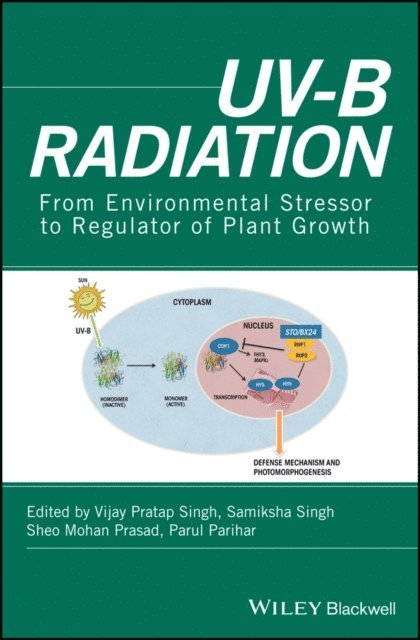
Ultraviolet-B (UV-B) is electromagnetic radiation coming from the sun, with a medium wavelength which is mostly absorbed by the ozone layer. The biological effects of UV-B are greater than simple heating effects, and many practical applications of UV-B radiation derive from its interactions with organic molecules. It is considered particularly harmful to the environment and living things, but what have scientific studies actually shown?
UV-B Radiation: From Environmental Stressor to Regulator of Plant Growth presents a comprehensive overview of the origins, current state, and future horizons of scientific research on ultraviolet-B radiation and its perception in plants. Chapters explore all facets of UV-B research, including the basics of how UV-B''s shorter wavelength radiation from the sun reaches the Earth''s surface, along with its impact on the environment''s biotic components and on human biological systems. Chapters also address the dramatic shift in UV-B research in recent years, reflecting emerging technologies, showing how historic research which focused exclusively on the harmful environmental effects of UV-B radiation has now given way to studies on potential benefits to humans. Topics include:
UV-B and its climatology UV-B and terrestrial ecosystems Plant responses to UV-B stress UB- B avoidance mechanisms UV-B and production of secondary metabolites Discovery of UVR8Timely and important, UV-B Radiation: From Environmental Stressor to Regulator of Plant Growth is an invaluable resource for environmentalists, researchers and students who are into the state-of-the-art research being done on exposure to UV-B radiation.
2 332 kr
Skickas inom 11-20 vardagar
2 737 kr
Läs direkt efter köp
Describes the basics of ROS metabolism in plants and examines the broad range of ROS signaling mechanisms
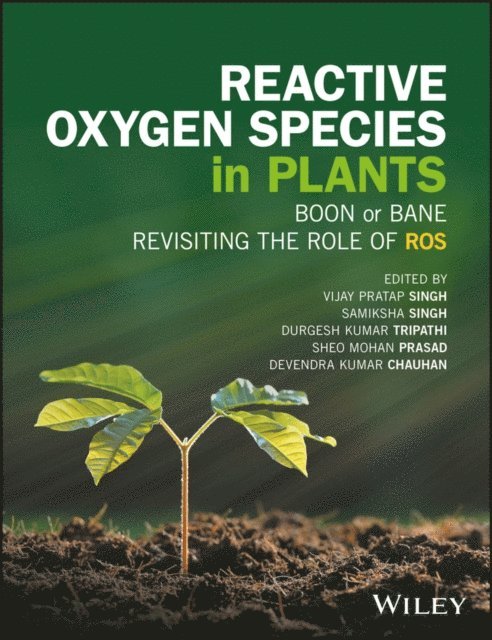
New discoveries about the effects of reactive oxygen species (ROS) on plants have turned ROS from being considered a bane into a boon, because their roles have been discovered in many plant developmental processes as signaling molecules. This comprehensive book teaches about the role of ROS metabolism in plants and how they affect various developmental processes. It also discusses in detail the advancements made in understanding the ROS signaling.
Reactive Oxygen Species in Plants: Boon Or Bane - Revisiting the Role of ROS begins by presenting the basic introduction to ROS and deciphers the detailed knowledge in ROS research. It then examines the broad range of ROS signaling mechanisms as well as how they may be beneficial for plants and human beings. This book also describes both the bane and boon aspects of ROS with their impact on plants, and how the recent revelations have compelled us to rethink ROS turning from stressors to plant regulators.
● Compiles, for the first time, the wholesome knowledge in ROS research and their cellular signaling
● Includes new discoveries and in-depth discussions about the advancements made in the field
● Discusses reactive oxygen species which are involved in a broad range of biological processes
Reactive Oxygen Species in Plants: Boon Or Bane - Revisiting the Role of ROS will help scientists to utilize the functions of ROS signaling for plants and also enable readers to gain a deeper knowledge of ROS research and signaling. It is highly recommended for researchers, scientists, and academicians in plant science as well for advanced undergraduate and postgraduate students.
2 737 kr
Läs direkt efter köp
Describes the basics of ROS metabolism in plants and examines the broad range of ROS signaling mechanisms
New discoveries about the effects of reactive oxygen species (ROS) on plants have turned ROS from being considered a bane into a boon, because their roles have been discovered in many plant developmental processes as signaling molecules. This comprehensive book teaches about the role of ROS metabolism in plants and how they affect various developmental processes. It also discusses in detail the advancements made in understanding the ROS signaling.
Reactive Oxygen Species in Plants: Boon Or Bane - Revisiting the Role of ROS begins by presenting the basic introduction to ROS and deciphers the detailed knowledge in ROS research. It then examines the broad range of ROS signaling mechanisms as well as how they may be beneficial for plants and human beings. This book also describes both the bane and boon aspects of ROS with their impact on plants, and how the recent revelations have compelled us to rethink ROS turning from stressors to plant regulators.
● Compiles, for the first time, the wholesome knowledge in ROS research and their cellular signaling
● Includes new discoveries and in-depth discussions about the advancements made in the field
● Discusses reactive oxygen species which are involved in a broad range of biological processes
Reactive Oxygen Species in Plants: Boon Or Bane - Revisiting the Role of ROS will help scientists to utilize the functions of ROS signaling for plants and also enable readers to gain a deeper knowledge of ROS research and signaling. It is highly recommended for researchers, scientists, and academicians in plant science as well for advanced undergraduate and postgraduate students.
2 194 kr
Skickas inom 11-20 vardagar
2 578 kr
Läs direkt efter köp
A guide to the diversity of pesticides used in modern agricultural practices, and the relevant social and environmental issues
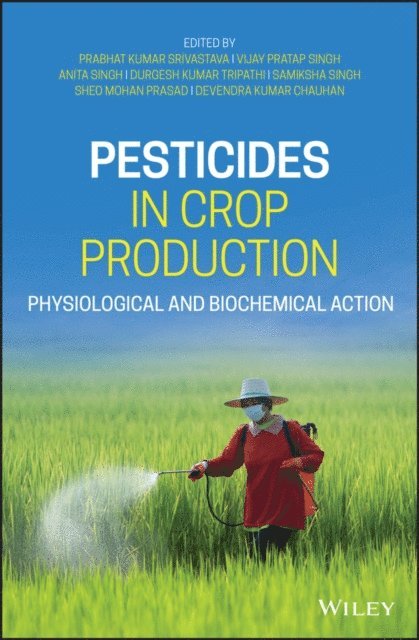
Pesticides in Crop Production offers an important resource that explores pesticide action in plants; pesticide metabolism in soil microbes, plants and animals; bioaccumulation of pesticides and sensitiveness of microbiome towards pesticides. The authors explore pesticide risk assessment, the development of pesticide resistance in pests, microbial remediation of pesticide intoxicated legumes and pesticide toxicity amelioration in plants by plant hormones.
The authors include information on eco-friendly pest management. They review the impact of pesticides on soil microorganism, crops and other plants along with the impact on other organisms like aquatic fauna and terrestrial animals including human beings. The book also contains an analysis of pesticide by GC-MS/MS (Gas Chromatography tandem Mass Spectrometry) a reliable method for the quantification and confirmation of multiclass pesticide residues. This important book:
Offers a comprehensive guide to the use of the diversity of pesticides and the pertinent social and environmental issues Explores the impact of pesticides from morphological, anatomical, physiological and biochemical perspectives Shows how pesticides affects soil microorganisms, crops and other plants along with the impact on other organisms like aquatic fauna and animals Critically examines whether chemical pesticides are boon or bane and whether they can be replaced by environmental friendly pesticidesWritten for students, researchers and professionals in agriculture, botany, entomology and biotechnology, Pesticides in Crop Production examines the effects of chemical pesticides and the feasibility of using bio-pesticides.
2 510 kr
Läs direkt efter köp
A guide to the diversity of pesticides used in modern agricultural practices, and the relevant social and environmental issues
Pesticides in Crop Production offers an important resource that explores pesticide action in plants; pesticide metabolism in soil microbes, plants and animals; bioaccumulation of pesticides and sensitiveness of microbiome towards pesticides. The authors explore pesticide risk assessment, the development of pesticide resistance in pests, microbial remediation of pesticide intoxicated legumes and pesticide toxicity amelioration in plants by plant hormones.
The authors include information on eco-friendly pest management. They review the impact of pesticides on soil microorganism, crops and other plants along with the impact on other organisms like aquatic fauna and terrestrial animals including human beings. The book also contains an analysis of pesticide by GC-MS/MS (Gas Chromatography tandem Mass Spectrometry) a reliable method for the quantification and confirmation of multiclass pesticide residues. This important book:
Offers a comprehensive guide to the use of the diversity of pesticides and the pertinent social and environmental issues Explores the impact of pesticides from morphological, anatomical, physiological and biochemical perspectives Shows how pesticides affects soil microorganisms, crops and other plants along with the impact on other organisms like aquatic fauna and animals Critically examines whether chemical pesticides are boon or bane and whether they can be replaced by environmental friendly pesticidesWritten for students, researchers and professionals in agriculture, botany, entomology and biotechnology, Pesticides in Crop Production examines the effects of chemical pesticides and the feasibility of using bio-pesticides.
2 211 kr
Skickas inom 5-8 vardagar
2 547 kr
Läs direkt efter köp
Discover how soil salinity affects plants and other organisms and the techniques used to remedy the issue
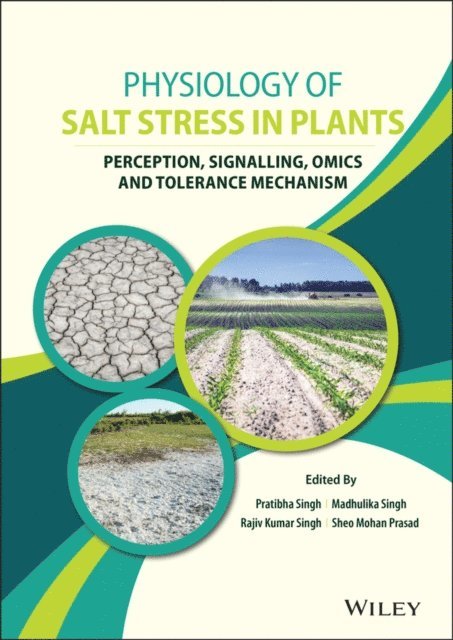
In Physiology of Salt Stress in Plants, an editorial team of internationally renowned researchers delivers an extensive exploration of the problem of soil salinity in modern agricultural practices. It also discusses the social and environmental issues caused by salt stress. The book covers the impact of salt on soil microorganisms, crops, and other plants, and presents that information alongside examinations of salt’s effects on other organisms, including aquatic fauna, terrestrial animals, and human beings.
Physiology of Salt Stress in Plants describes the morphological, anatomical, physiological, and biochemical dimensions of increasing soil salinity. It also discusses potential remedies and encourages further thought and exploration of this issue. Readers are encouraged to consider less hazardous fertilizers and pesticides, to use safer doses, and to explore and work upon salt resistant varieties of plants.
Readers will also benefit from the inclusion of:
Thorough introductions to salt stress perception and toxicity levels and the effects of salt stress on the physiology of crop plants at a cellular level Explorations of the effects of salt stress on the biochemistry of crop plants and salt ion transporters in crop plants at a cellular level Practical discussions of salt ion and nutrient interactions in crop plants, including prospective signalling, and the effects of salt stress on the morphology, anatomy, and gene expression of crop plants An examination of salt stress on soil chemistry and the plant-atmosphere continuumPerfect for researchers, academics, and students working and studying in the fields of agriculture, botany, entomology, biotechnology, soil science, and plant physiology, Physiology of Salt Stress in Plants will also earn a place on the bookshelves of agronomists, crop scientists, and plant biochemists.
2 479 kr
Läs direkt efter köp
Discover how soil salinity affects plants and other organisms and the techniques used to remedy the issue
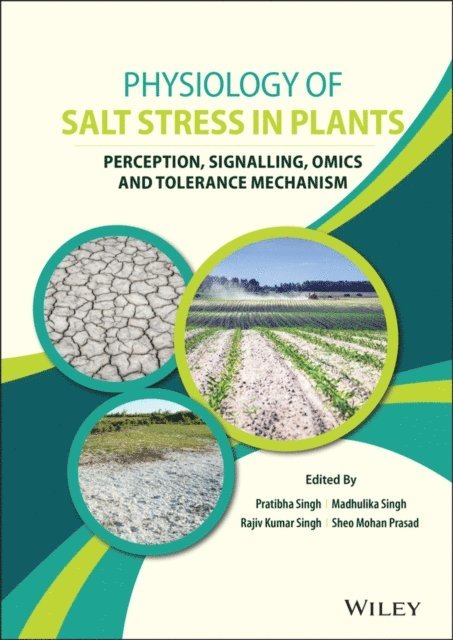
In Physiology of Salt Stress in Plants, an editorial team of internationally renowned researchers delivers an extensive exploration of the problem of soil salinity in modern agricultural practices. It also discusses the social and environmental issues caused by salt stress. The book covers the impact of salt on soil microorganisms, crops, and other plants, and presents that information alongside examinations of salt’s effects on other organisms, including aquatic fauna, terrestrial animals, and human beings.
Physiology of Salt Stress in Plants describes the morphological, anatomical, physiological, and biochemical dimensions of increasing soil salinity. It also discusses potential remedies and encourages further thought and exploration of this issue. Readers are encouraged to consider less hazardous fertilizers and pesticides, to use safer doses, and to explore and work upon salt resistant varieties of plants.
Readers will also benefit from the inclusion of:
Thorough introductions to salt stress perception and toxicity levels and the effects of salt stress on the physiology of crop plants at a cellular level Explorations of the effects of salt stress on the biochemistry of crop plants and salt ion transporters in crop plants at a cellular level Practical discussions of salt ion and nutrient interactions in crop plants, including prospective signalling, and the effects of salt stress on the morphology, anatomy, and gene expression of crop plants An examination of salt stress on soil chemistry and the plant-atmosphere continuumPerfect for researchers, academics, and students working and studying in the fields of agriculture, botany, entomology, biotechnology, soil science, and plant physiology, Physiology of Salt Stress in Plants will also earn a place on the bookshelves of agronomists, crop scientists, and plant biochemists.
2 022 kr
Skickas inom 5-8 vardagar
2 274 kr
Läs direkt efter köp
Comprehensive resource detailing the role of ethylene in plant development regulation, gene regulation, root development, stress tolerance, and more
Ethylene in Plant Biology presents ethylene research from leading laboratories around the globe to allow readers to gain strong foundational coverage of the topic and aid in further ethylene research as it pertains to plant biology. The work covers general ideas as well as more specific and technical knowledge, detailing the overall role of ethylene in plant biology as a gaseous plant hormone that has emerged as an important signaling molecule which regulates several steps of a plant’s life cycle. The ideas covered in the work range from discovery of ethylene, to its wide roles in plant growth and development, all the way to niche topics such as stress acclimation.
Written by highly qualified authors in fields directly related to plant biology and research, the work is divided into 20 chapters, with each chapter covering a specific facet of ethylene or the interaction between ethylene and plant health. Topics discussed in the text include:
Our current understanding of ethylene and fruit ripening, plus the role of ethylene in flower and fruit development Ethylene implications in root development and crosstalk of ethylene with other phytohormones in plant development Ethylene as a multitasking regulator of abscission processes and powerful coordinator of drought responses Mechanisms for ethylene synthesis and homeostasis in plants, along with ethylene and phytohormone crosstalk in plant defense Ethylene and metabolic reprogramming under abiotic stresses, as well as ethylene’s applications in crop improvementFor biologists, scientists, researchers, and policy makers in the agriculture and pharmaceutical industries, Ethylene in Plant Biology is a key resource to understand the state of the art in the field and establish a foundation of knowledge that can power future research efforts and practical applications.
2 357 kr
Läs direkt efter köp
Comprehensive resource detailing the role of ethylene in plant development regulation, gene regulation, root development, stress tolerance, and more
Ethylene in Plant Biology presents ethylene research from leading laboratories around the globe to allow readers to gain strong foundational coverage of the topic and aid in further ethylene research as it pertains to plant biology. The work covers general ideas as well as more specific and technical knowledge, detailing the overall role of ethylene in plant biology as a gaseous plant hormone that has emerged as an important signaling molecule which regulates several steps of a plant’s life cycle. The ideas covered in the work range from discovery of ethylene, to its wide roles in plant growth and development, all the way to niche topics such as stress acclimation.
Written by highly qualified authors in fields directly related to plant biology and research, the work is divided into 20 chapters, with each chapter covering a specific facet of ethylene or the interaction between ethylene and plant health. Topics discussed in the text include:
Our current understanding of ethylene and fruit ripening, plus the role of ethylene in flower and fruit development Ethylene implications in root development and crosstalk of ethylene with other phytohormones in plant development Ethylene as a multitasking regulator of abscission processes and powerful coordinator of drought responses Mechanisms for ethylene synthesis and homeostasis in plants, along with ethylene and phytohormone crosstalk in plant defense Ethylene and metabolic reprogramming under abiotic stresses, as well as ethylene’s applications in crop improvementFor biologists, scientists, researchers, and policy makers in the agriculture and pharmaceutical industries, Ethylene in Plant Biology is a key resource to understand the state of the art in the field and establish a foundation of knowledge that can power future research efforts and practical applications.
2 161 kr
Skickas inom 5-8 vardagar
2 531 kr
Läs direkt efter köp
Comprehensive resource detailing the chemistry, toxicity and impact of arsenic in plants, and solutions to the problem
Arsenic in Plants: Uptake, Consequences and Remediation Techniques provides comprehensive coverage of the subject, detailing arsenic in our environment, the usage of arsenicals in crop fields, phytotoxicity of arsenic and arsenic’s impact on the morphology, anatomy and quantitative and qualitative traits of different plant groups, including their physiology and biochemistry. The work emphasizes the occurrence of arsenic, its speciation and transportation in plants, and differences in mechanisms of tolerance in hyper-accumulator and non-accumulator plants.
Throughout the text, the highly qualified authors delve into every facet of the interaction of arsenic with plants, including the ionomics, genomics, transcriptomics and proteomics in relation to arsenic toxicity, impact of exogenous phytohormones and growth-regulating substances, management of arsenic contamination in the soil-plant continuum, phytoremediation of arsenic toxicity and physical removal of arsenic from water. General discussion has also been included on subjects such as the ways through which this metalloid affects plant and human systems.
Topics covered include:
Introduction and historical background of arsenic and the mechanism of arsenic transport and metabolism in plants Arsenic-induced responses in plants, including impact on biochemical processes and different plant groups, from cyanobacteria to higher plants The role of phytohormones, mineral nutrients, metabolites and signaling molecules in regulating arsenic-induced toxicity in plants Genomic, proteomic, metabolomic, ionomic and transcriptional regulation during arsenic stress Strategies to reduce the arsenic contamination in soil-plant systems and arsenic removal by phytoremediation techniquesResearchers, academics, and students of plant physiology, biotechnology, and agriculture will find valuable information in Arsenic in Plants to understand this pressing subject in full, along with its implications and how we can adapt our strategies and behaviors to promote reduced contamination through practical applications.
2 442 kr
Läs direkt efter köp
Comprehensive resource detailing the chemistry, toxicity and impact of arsenic in plants, and solutions to the problem
Arsenic in Plants: Uptake, Consequences and Remediation Techniques provides comprehensive coverage of the subject, detailing arsenic in our environment, the usage of arsenicals in crop fields, phytotoxicity of arsenic and arsenic’s impact on the morphology, anatomy and quantitative and qualitative traits of different plant groups, including their physiology and biochemistry. The work emphasizes the occurrence of arsenic, its speciation and transportation in plants, and differences in mechanisms of tolerance in hyper-accumulator and non-accumulator plants.
Throughout the text, the highly qualified authors delve into every facet of the interaction of arsenic with plants, including the ionomics, genomics, transcriptomics and proteomics in relation to arsenic toxicity, impact of exogenous phytohormones and growth-regulating substances, management of arsenic contamination in the soil-plant continuum, phytoremediation of arsenic toxicity and physical removal of arsenic from water. General discussion has also been included on subjects such as the ways through which this metalloid affects plant and human systems.
Topics covered include:
Introduction and historical background of arsenic and the mechanism of arsenic transport and metabolism in plants Arsenic-induced responses in plants, including impact on biochemical processes and different plant groups, from cyanobacteria to higher plants The role of phytohormones, mineral nutrients, metabolites and signaling molecules in regulating arsenic-induced toxicity in plants Genomic, proteomic, metabolomic, ionomic and transcriptional regulation during arsenic stress Strategies to reduce the arsenic contamination in soil-plant systems and arsenic removal by phytoremediation techniquesResearchers, academics, and students of plant physiology, biotechnology, and agriculture will find valuable information in Arsenic in Plants to understand this pressing subject in full, along with its implications and how we can adapt our strategies and behaviors to promote reduced contamination through practical applications.
858 kr
Läs direkt efter köp
In the present era, rapid industrialization and urbanization has resulted in unwanted physiological, chemical, and biological changes in the environment that have harmful effects on crop quality and productivity. This situation is further worsened by the growing demand for food due to an ever increasing population. This forces plant scientists and agronomists to look forward for alternative strategies to enhance crop production and produce safer, healthier foods. Biotic and abiotic stresses are major constraints to crop productivity and have become an important challenge to agricultural scientists and agronomists due to the fact that both stress factors considerably reduce agriculture production worldwide per year.
Silicon has various effects on plant growth and development, as well as crop yields. It increases photosynthetic activity, creates better disease resistance, reduces heavy metal toxicity, improves nutrient imbalance, and enhances drought tolerance. Silicon in Plants: Advances and Future Prospects presents the beneficial effects of silicon in improving productivity in plants and enhancing the capacity of plants to resist stresses from environmental factors. It compiles recent advances made worldwide in different leading laboratories concerning the role of silicon in plant biology in order to make these outcomes easily accessible to academicians, researchers, industrialists, and students. Nineteen chapters summarize information regarding the role of silicon in plants, their growth and development, physiological and molecular responses, and responses against the various abiotic stresses.