Snait B. Gissis – författare
Visar alla böcker från författaren Snait B. Gissis. Handla med fri frakt och snabb leverans.
6 produkter
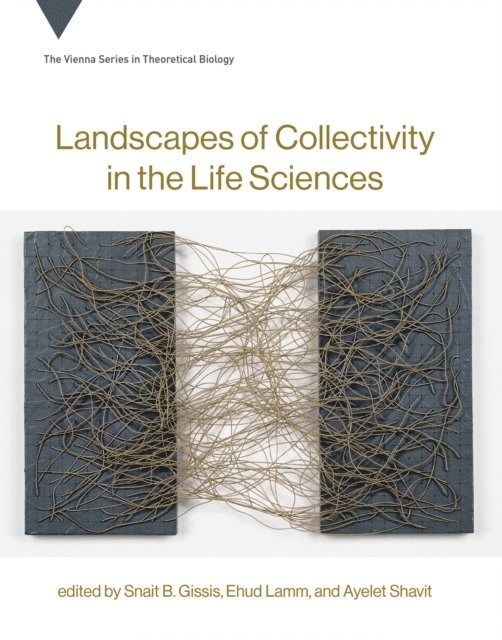
Landscapes of Collectivity in the Life Sciences
Av Ayelet Shavit, Ehud Lamm m. fl.
E-bok, 2018
737 kr
Lägg i varukorg
Broad perspective on collectivity in the life sciences, from microorganisms to human consensus, and the theoretical and empirical opportunities and challenges. Many researchers and scholars in the life sciences have become increasingly critical of the traditional methodological focus on the …
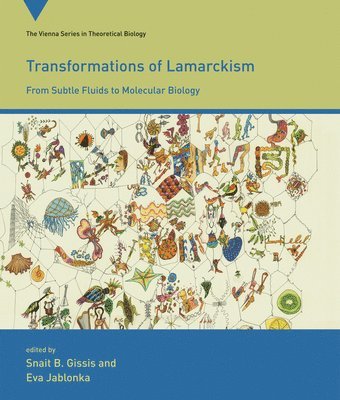
Transformations of Lamarckism
From Subtle Fluids to Molecular Biology
Av Snait B. Gissis, Eva Jablonka m. fl.
Häftad, 2015
1025 kr
Lägg i varukorg
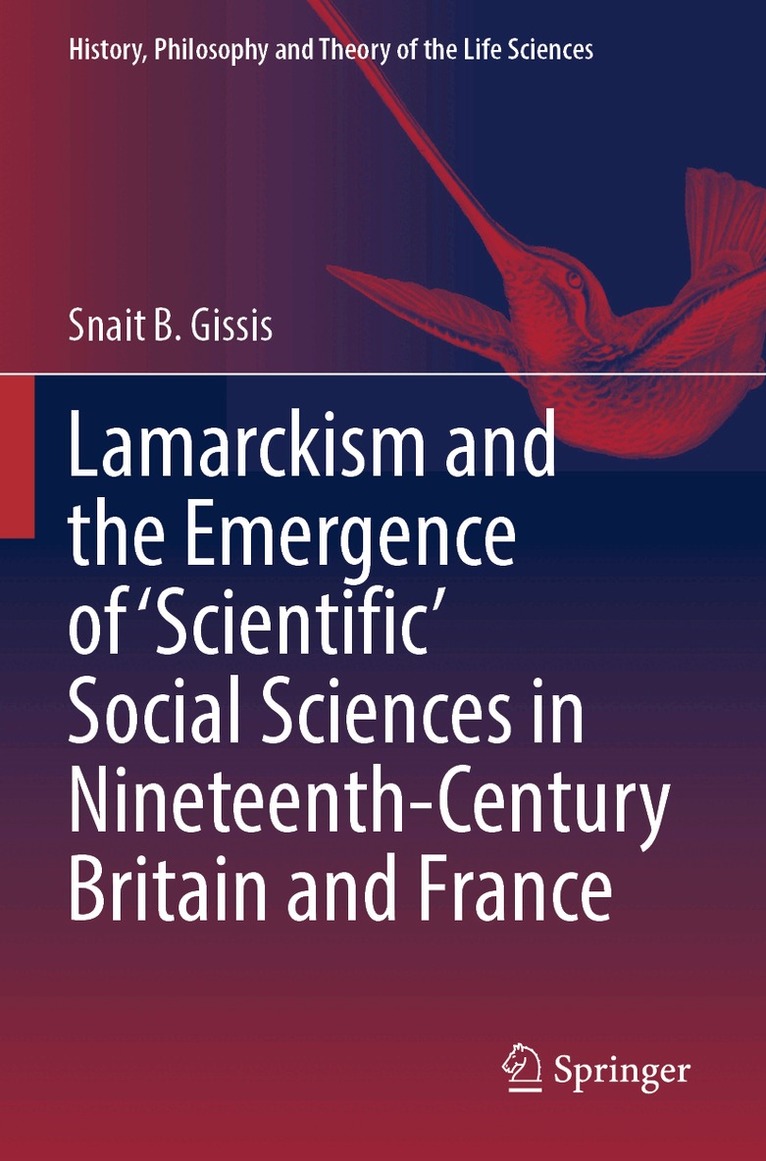
Lamarckism and the Emergence of 'Scientific' Social Sciences in Nineteenth-Century Britain and France
Inbunden, 2024
1313 kr
Lägg i varukorg
The book presents an original synthesizing framework on the relations between ‘the biological’ and ‘the social’. Within these relations, the late nineteenth-century emergence of social sciences aspiring to be constituted as autonomous, as 'scientific' disciplines, is described, analyzed and …
Lamarckism and the Emergence of 'Scientific' Social Sciences in Nineteenth-Century Britain and France
E-bok, 2024
1798 kr
Lägg i varukorg
The book presents an original synthesizing framework on the relations between ‘the biological’ and ‘the social’. Within these relations, the late nineteenth-century emergence of social sciences aspiring to be constituted as autonomous, as ''scientific'' disciplines, is described, analyzed and …
Lamarckism and the Emergence of 'Scientific' Social Sciences in Nineteenth-Century Britain and France
Häftad, 2025
1313 kr
Lägg i varukorg
The book presents an original synthesizing framework on the relations between ‘the biological’ and ‘the social’. Within these relations, the late nineteenth-century emergence of social sciences aspiring to be constituted as autonomous, as 'scientific' disciplines, is described, analyzed and …
Landscapes of Collectivity in the Life Sciences
Av Snait B. Gissis, Ehud Lamm m. fl.
Inbunden, 2018
572 kr
Tillfälligt slut