Stefan Reichmuth – författare
Visar alla böcker från författaren Stefan Reichmuth. Handla med fri frakt och snabb leverans.
10 produkter
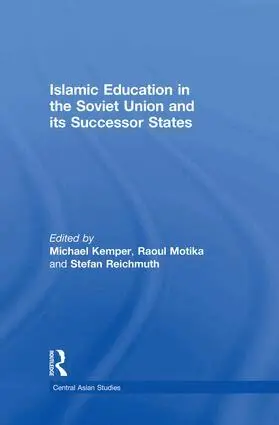
Islamic Education in the Soviet Union and Its Successor States
Av Michael Kemper, Raoul Motika m. fl.
Inbunden, 2009
2441 kr
Lägg i varukorg
This book provides a comparative history of Islamic education in the Soviet Union and the post-Soviet countries. Case studies on Ukraine, Azerbaijan, Kazakhstan, Uzbekistan, and Tajikistan and on two regions of the Russian Federation, Tatarstan and Daghestan, highlight the importance which Muslim …
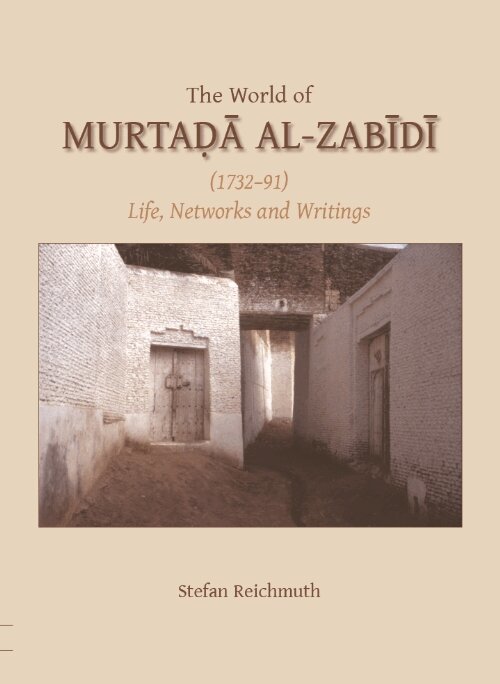
World of Murtada al-Zabidi
Inbunden, 2009
2119 kr
Lägg i varukorg
Murtada al-Zabidi was a Humanist scholar and a Muslim, whose twelfth-century writings are here examined in the context of their geographical and historical setting. The period when Zabidi was writing saw a shift in the balance of power from the Muslim empires to the Western world, reflected in the …
Islamic Education in the Soviet Union and Its Successor States
Av Stefan Reichmuth, Raoul Motika m. fl.
E-bok, 2009
840 kr
Lägg i varukorg
This book provides a comparative history of Islamic education in the Soviet Union and the post-Soviet countries. Case studies on Ukraine, Azerbaijan, Kazakhstan, Uzbekistan, and Tajikistan and on two regions of the Russian Federation, Tatarstan and Daghestan, highlight the importance which Muslim …
Islamic Education in the Soviet Union and Its Successor States
Av Stefan Reichmuth, Raoul Motika m. fl.
E-bok, 2009
840 kr
Lägg i varukorg
This book provides a comparative history of Islamic education in the Soviet Union and the post-Soviet countries. Case studies on Ukraine, Azerbaijan, Kazakhstan, Uzbekistan, and Tajikistan and on two regions of the Russian Federation, Tatarstan and Daghestan, highlight the importance which Muslim …
Islamic Education in the Soviet Union and Its Successor States
Av Michael Kemper, Raoul Motika m. fl.
Häftad, 2015
750 kr
Lägg i varukorg
This book provides a comparative history of Islamic education in the Soviet Union and the post-Soviet countries. Case studies on Ukraine, Azerbaijan, Kazakhstan, Uzbekistan, and Tajikistan and on two regions of the Russian Federation, Tatarstan and Daghestan, highlight the importance which Muslim …
World of Murtada al-Zabidi
E-bok, 2009
1604 kr
Lägg i varukorg
Murtada al-Zabidi was a Humanist scholar and a Muslim, whose twelfth-century writings are here examined in the context of their geographical and historical setting. The period when Zabidi was writing saw a shift in the balance of power from the Muslim empires to the Western world, reflected in the …
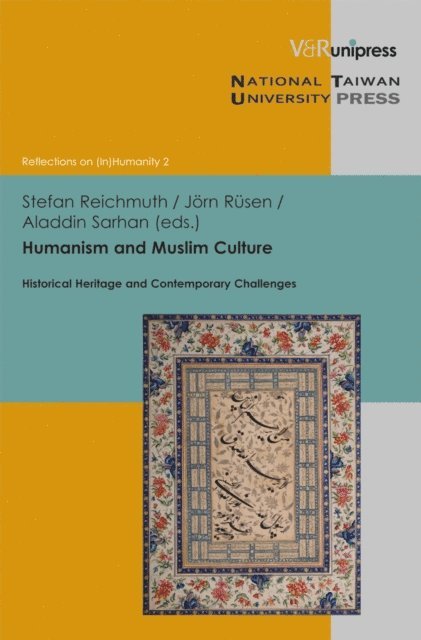
Humanism and Muslim Culture
Historical Heritage and Contemporary Challenges
Av Aladdin Sarhan, Jorn Rusen m. fl.
E-bok, 2012
682 kr
Lägg i varukorg
The papers of this volume move from the abstract scheme of an intercultural humanism of the future to concrete cultural expressions of humanism within the Muslim culture of different times up to the present. They concentrate on three issues. The first is related to contemporary attempts to develop …
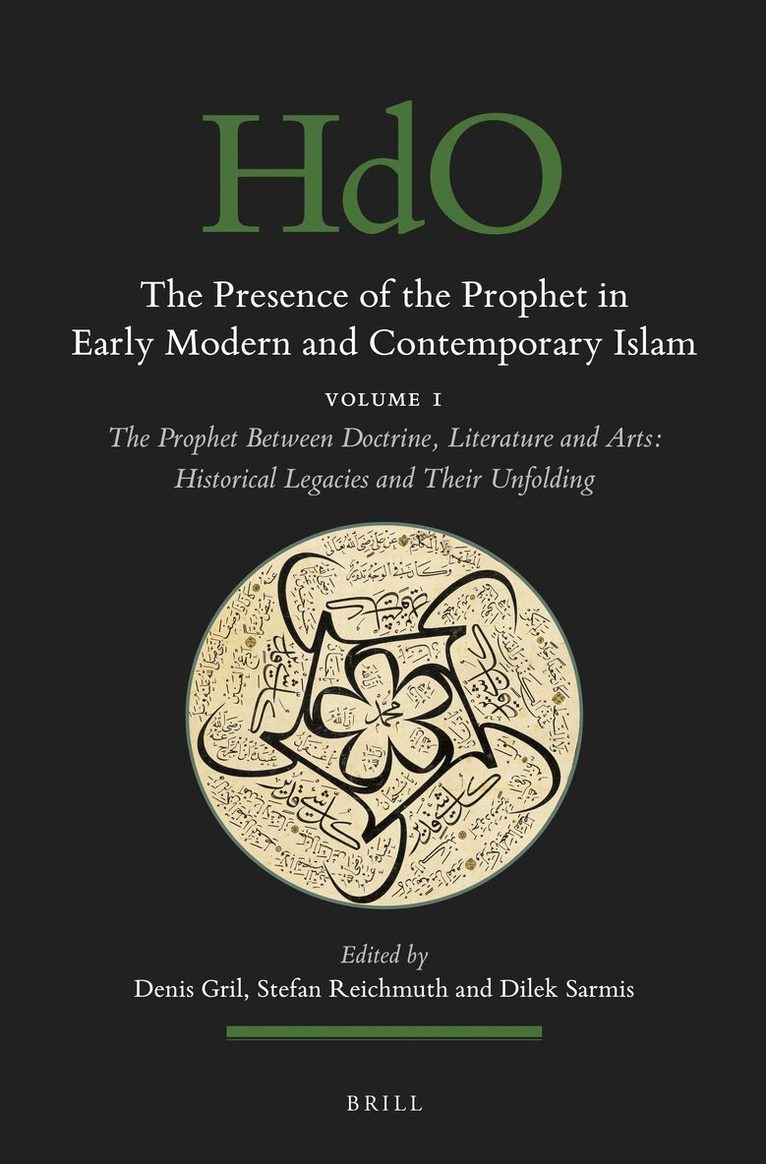
Presence of the Prophet in Early Modern and Contemporary Islam
Volume 1, The Prophet Between Doctrine, Literature and Arts: Historical Legacies and Their Unfolding
Av Denis Gril, Stefan Reichmuth m. fl.
Inbunden, 2021
2870 kr
Lägg i varukorg
The three-volume series titled The Presence of the Prophet in Early Modern and Contemporary Islam, is the first attempt to explore the dynamics of the representation of the Prophet Muhammad in the course of Muslim history until the present.This first collective volume outlines his figure in the …
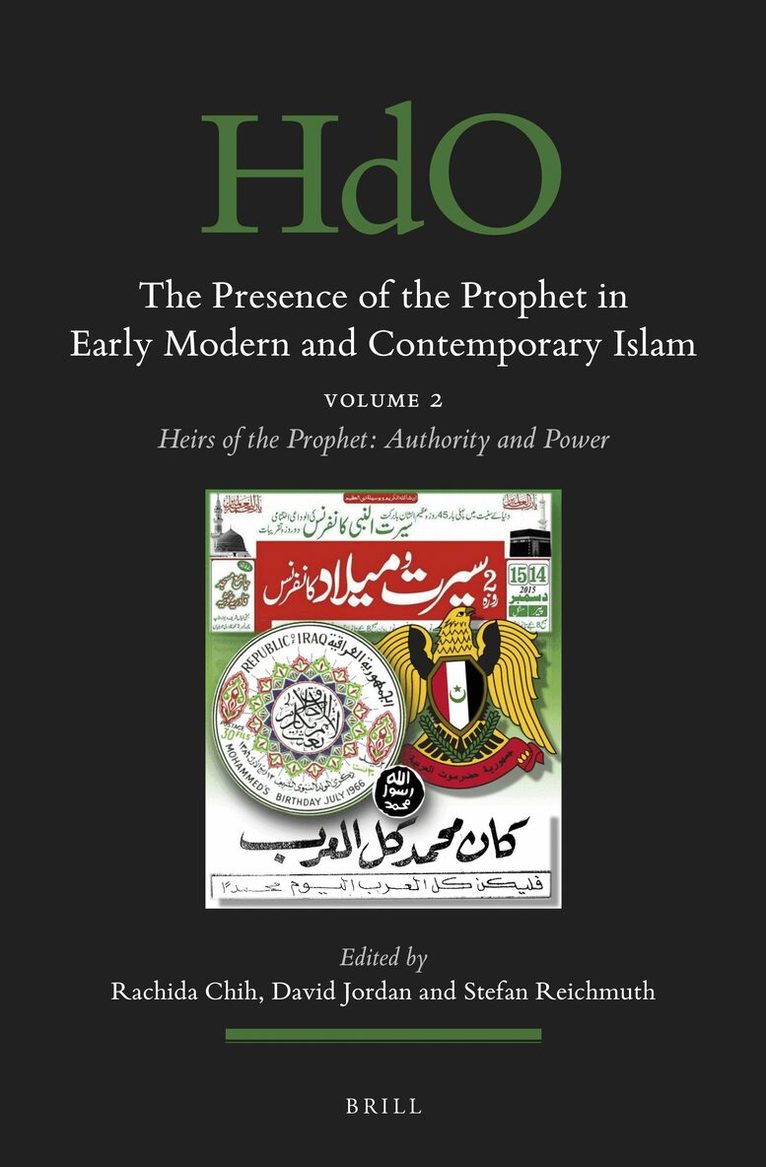
Presence of the Prophet in Early Modern and Contemporary Islam
Volume 2, Heirs of the Prophet: Authority and Power
Av Rachida Chih, Stefan Reichmuth m. fl.
Inbunden, 2021
3229 kr
Lägg i varukorg
This second collective volume of the series The Presence of the Prophet explores the growing importance of the figure of the Prophet Muhammad for questions of authority and power in early modern and modern times.The authors provide a rich collection of case studies on how Muhammad’s material, …
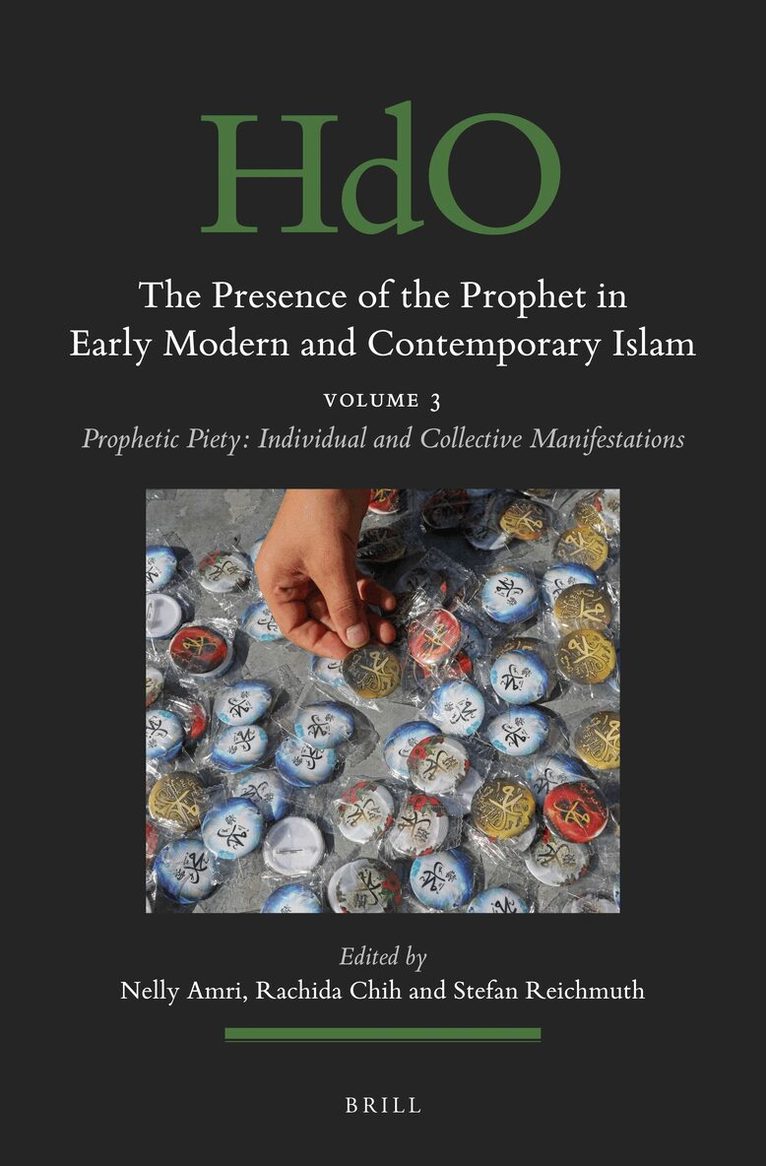
Presence of the Prophet in Early Modern and Contemporary Islam
Volume 3, Prophetic Piety: Individual and Collective Manifestations
Av Nelly Amri, Rachida Chih m. fl.
Inbunden, 2023
3300 kr
Lägg i varukorg
This third collective volume of the series The Presence of the Prophet explores the expressions of piety and devotion to the person of the Prophet and their individual and collective significance in early modern and modern times. The authors provide a rich collection of regional case studies on how …