Stephen Emmitt – författare
2 815 kr
Skickas inom 10-15 vardagar
2 754 kr
Skickas inom 10-15 vardagar
773 kr
Skickas inom 10-15 vardagar
2 754 kr
Skickas inom 10-15 vardagar
802 kr
Skickas inom 10-15 vardagar
1 222 kr
Skickas inom 10-15 vardagar
751 kr
Skickas inom 10-15 vardagar
1 091 kr
Läs direkt efter köp
This book focuses on the relationship between buildings and our health and wellbeing, and by extension our quality of life. Expanding on the 50th anniversary Special Issue of Building Research & Information (BRI), which was dedicated to health and wellbeing, articles have been extended and updated to complement contributions from new authors. Building Health and Wellbeing covers design for ageing, energy poverty and health, productivity and thermal comfort in offices, housing space and occupancy standards, and much more. The aim is to explore the inter-relationship between people and our buildings. Chapters are supported with new case studies to illustrate global approaches to a common challenge, while demonstrating local strategies to suit different climates. The content covers housing, offices, and healthcare facilities and the unique aspect of the book is the people perspective, providing outlooks from different age groups and users of buildings. It will act as an important reference for academics in the built environment and healthcare sectors.
1 091 kr
Läs direkt efter köp
This book focuses on the relationship between buildings and our health and wellbeing, and by extension our quality of life. Expanding on the 50th anniversary Special Issue of Building Research & Information (BRI), which was dedicated to health and wellbeing, articles have been extended and updated to complement contributions from new authors. Building Health and Wellbeing covers design for ageing, energy poverty and health, productivity and thermal comfort in offices, housing space and occupancy standards, and much more. The aim is to explore the inter-relationship between people and our buildings. Chapters are supported with new case studies to illustrate global approaches to a common challenge, while demonstrating local strategies to suit different climates. The content covers housing, offices, and healthcare facilities and the unique aspect of the book is the people perspective, providing outlooks from different age groups and users of buildings. It will act as an important reference for academics in the built environment and healthcare sectors.
2 725 kr
Skickas inom 10-15 vardagar
961 kr
Skickas inom 10-15 vardagar
614 kr
Skickas inom 10-15 vardagar
2 494 kr
Skickas inom 10-15 vardagar
727 kr
Läs direkt efter köp
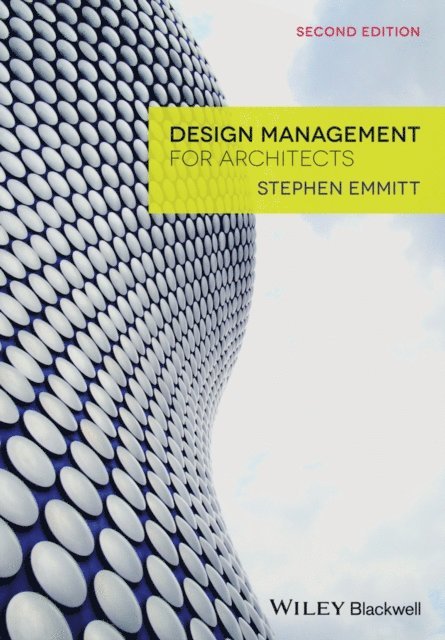
This unique and established guide to the management of design and designers has been comprehensively reimagined and updated. Written for students of architecture and early career architects, the book explores the benefits of design management from the context of managing design projects and the management of the architectural businesses. It aligns with the need for architects to improve design management competences and business skills as set out by the ARB and the RIBA.
Design Management for Architects is presented in three parts. Part One is dedicated to explaining what design management is and what a design manager does. Part Two focuses on the main project stages and how design management can help to identify, explore, and deliver design value for clients, architects, and society. Part Three looks at how design management is applied within the architectural business and how it relates to successful projects and businesses. Emphasis is on the management of designers (people), design activities (processes) and outputs (information and products). Chapters include reflective exercises that can be addressed individually, or in small discussion groups to aid learning. Written in an accessible and engaging manner, the book is essential reading for students studying towards qualification as an architect and for nascent architects looking to improve their management competences.
727 kr
Läs direkt efter köp
This unique and established guide to the management of design and designers has been comprehensively reimagined and updated. Written for students of architecture and early career architects, the book explores the benefits of design management from the context of managing design projects and the management of the architectural businesses. It aligns with the need for architects to improve design management competences and business skills as set out by the ARB and the RIBA.
Design Management for Architects is presented in three parts. Part One is dedicated to explaining what design management is and what a design manager does. Part Two focuses on the main project stages and how design management can help to identify, explore, and deliver design value for clients, architects, and society. Part Three looks at how design management is applied within the architectural business and how it relates to successful projects and businesses. Emphasis is on the management of designers (people), design activities (processes) and outputs (information and products). Chapters include reflective exercises that can be addressed individually, or in small discussion groups to aid learning. Written in an accessible and engaging manner, the book is essential reading for students studying towards qualification as an architect and for nascent architects looking to improve their management competences.
1 124 kr
Läs direkt efter köp
… it gives me great pleasure to support the first ever publication to specifically address the area of research, and in particular its relationship with practice, in the discipline of architectural technology…not only ground breaking because it is the first book of its kind, but also because it provides at long last one of the accepted foundations needed to underpin the emerging academic discipline, namely a recognised research base. CIAT, in supporting this publication, is aware of the need for books such as this to sustain the process of research informed practice, as an aid for both students and those practising within the discipline of architectural technology. Norman Wienand MCIAT, Vice President Education, Chartered Institute of Architectural Technologists
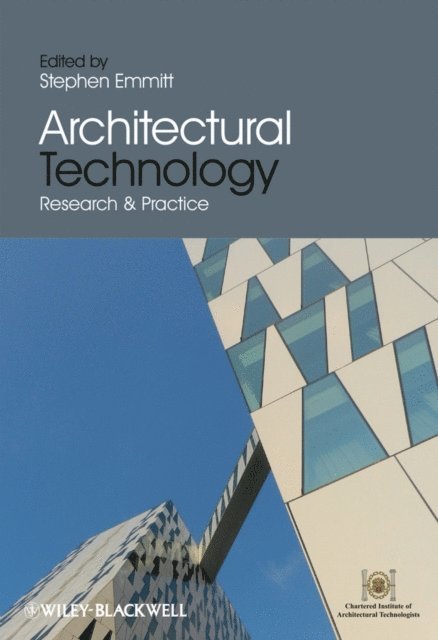
Architectural technology is the realisation of architecture through the application of building science, forming the constructive link between the abstract and the physical. Architectural Technology: research and practice demonstrates the importance of research in architectural technology and aims to stimulate further research and debate by enlightening, informing and challenging readers.
Chapter authors address the interplay between research and practice in the field of architectural technology, examining the influence of political, economic, social, environmental and technological issues. The focus throughout is on creating sustainable buildings that are constructed economically and function effectively and efficiently within their service life cycle.
The book’s mix of chapters and case studies bring together a number of different themes and provides invaluable insights into the world of research from the perspective of those working within the architectural technology field - practitioners, academics and students. The underlying message is that architectural technology is not just a profession; it is a way of thinking and a way of acting. This is highlighted by contributions from architects and architectural technologists passionate about architectural technology as a field of knowledge. Contributions range from the theoretical and polemic to the pragmatic and applied, further helping to demonstrate the richness of the field.
About the Editor Stephen Emmitt is Professor of Architectural Technology at Loughborough University UK and Visiting Professor of Innovation Sciences at Halmstad University, Sweden and a member of CIAT’s Research Group.
1 084 kr
Läs direkt efter köp
… it gives me great pleasure to support the first ever publication to specifically address the area of research, and in particular its relationship with practice, in the discipline of architectural technology…not only ground breaking because it is the first book of its kind, but also because it provides at long last one of the accepted foundations needed to underpin the emerging academic discipline, namely a recognised research base. CIAT, in supporting this publication, is aware of the need for books such as this to sustain the process of research informed practice, as an aid for both students and those practising within the discipline of architectural technology. Norman Wienand MCIAT, Vice President Education, Chartered Institute of Architectural Technologists
Architectural technology is the realisation of architecture through the application of building science, forming the constructive link between the abstract and the physical. Architectural Technology: research and practice demonstrates the importance of research in architectural technology and aims to stimulate further research and debate by enlightening, informing and challenging readers.
Chapter authors address the interplay between research and practice in the field of architectural technology, examining the influence of political, economic, social, environmental and technological issues. The focus throughout is on creating sustainable buildings that are constructed economically and function effectively and efficiently within their service life cycle.
The book’s mix of chapters and case studies bring together a number of different themes and provides invaluable insights into the world of research from the perspective of those working within the architectural technology field - practitioners, academics and students. The underlying message is that architectural technology is not just a profession; it is a way of thinking and a way of acting. This is highlighted by contributions from architects and architectural technologists passionate about architectural technology as a field of knowledge. Contributions range from the theoretical and polemic to the pragmatic and applied, further helping to demonstrate the richness of the field.
About the Editor Stephen Emmitt is Professor of Architectural Technology at Loughborough University UK and Visiting Professor of Innovation Sciences at Halmstad University, Sweden and a member of CIAT’s Research Group.
881 kr
Skickas inom 5-8 vardagar
912 kr
Läs direkt efter köp
This guide integrates theory and practice to offer practical solutions for architects to improve their design management skills.
This unique guide helps architects improve their management skills by addressing the relationship between the management of the design project and the design office. The author demonstrates how a professionally managed project, conceived and delivered within a professionally managed office ensures that client values are translated into construction without loss of creativity.
Design Management for Architects divides into two parts. Part 1: Managing Creative Projects covers the context and infrastructure of projects; looks at client values; describes developing, detailing and realising the design; and shows how to learn from projects. Part 2: Managing Creative Organisations describes the business of architecture; explains how to manage creative people and the design studio – covering communication and knowledge-sharing, information management, financial management and attracting/retaining clients.
This second edition has been extensively rewritten in response to student feedback and to the rapid evolution of design management in architecture. New features include:
the ‘Why Management?’ question addressed in a design context Vignettes to demonstrate the value of design management practical advice is incorporated into each chapter under ‘Project to Office Interface’ more specifics on the design manager role, and the contribution of ICTs (including BIM) to effective design management.By integrating theory and practice, and offering practical solutions for architects to improve their design management skills, this book provides clear guidance to all designers and (design) managers.
792 kr
Skickas inom 5-8 vardagar
549 kr
Läs direkt efter köp
The updated edition of the authoritative and comprehensive guide to construction practice
The revised fourth edition of Barry''s Advanced Construction of Buildings expands on the resource that has become a standard text on the construction of buildings. The fourth edition covers the construction of larger-scale buildings (primarily residential, commercial and industrial) constructed with load bearing frames in timber, concrete and steel; supported by chapters on offsite construction, piling, envelopes to framed buildings, fit-out and second fix, lifts and escalators, building pathology, upgrading and demolition.
The author covers the functional and performance requirements of the main building elements as well as building efficiency and information on meeting the challenges of limiting the environmental impact of buildings. Each chapter includes new "at a glance" summaries that introduce the basic material giving a good understanding of the main points quickly and easily. The text is fully up to date with the latest building regulations and construction technology. This important resource:
Covers design, technology, offsite construction, site assembly and environmental issues of larger-scale buildings including primarily residential, commercial and industrial buildings constructed with load bearing frames Highlights the concept of building efficiency, with better integration of the topics throughout the text Offers new "at a glance" summaries at the beginning of each chapter Is a companion to Barry''s Introduction to Construction of Buildings, fourth editionWritten for undergraduate students and those working towards similar NQF level 5 and 6 qualifications in building and construction, Barry''s Advanced Construction of Buildings is a practical and highly illustrated guide to construction practice. It covers the materials and technologies involved in constructing larger scale buildings.
529 kr
Läs direkt efter köp
The updated edition of the authoritative and comprehensive guide to construction practice
The revised fourth edition of Barry''s Advanced Construction of Buildings expands on the resource that has become a standard text on the construction of buildings. The fourth edition covers the construction of larger-scale buildings (primarily residential, commercial and industrial) constructed with load bearing frames in timber, concrete and steel; supported by chapters on offsite construction, piling, envelopes to framed buildings, fit-out and second fix, lifts and escalators, building pathology, upgrading and demolition.
The author covers the functional and performance requirements of the main building elements as well as building efficiency and information on meeting the challenges of limiting the environmental impact of buildings. Each chapter includes new "at a glance" summaries that introduce the basic material giving a good understanding of the main points quickly and easily. The text is fully up to date with the latest building regulations and construction technology. This important resource:
Covers design, technology, offsite construction, site assembly and environmental issues of larger-scale buildings including primarily residential, commercial and industrial buildings constructed with load bearing frames Highlights the concept of building efficiency, with better integration of the topics throughout the text Offers new "at a glance" summaries at the beginning of each chapter Is a companion to Barry''s Introduction to Construction of Buildings, fourth editionWritten for undergraduate students and those working towards similar NQF level 5 and 6 qualifications in building and construction, Barry''s Advanced Construction of Buildings is a practical and highly illustrated guide to construction practice. It covers the materials and technologies involved in constructing larger scale buildings.
505 kr
Läs direkt efter köp
An authoritative, well-established, comprehensive, practical, and highly illustrated guide to construction practice
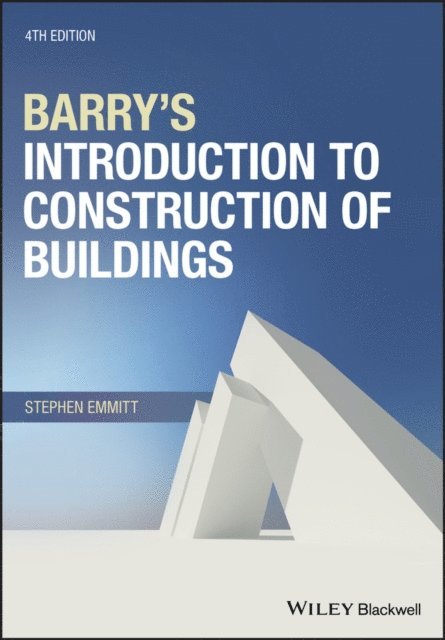
Based mainly on domestic and residential buildings—and filled with extensive illustrations throughout—this concise text is the ideal introduction to the subject of building construction. It provides the basic material that readers need in order to understand the construction process for the majority of low rise buildings. The book explains construction technology through the key functional and performance requirements for the main elements common to all buildings. With a strong focus on building efficiency and meeting the challenges posed by limiting the environmental impact of buildings, and new “at a glance” summaries allowing you to grasp the salient points of each chapter, readers will find the text fully up to date with the latest building regulations and construction technology.
Barry’s Introduction to Construction of Buildings, Fourth Edition starts by taking an in-depth look at the construction process and general principles of construction. It then offers comprehensive chapter coverage of site analysis, set-up, drainage and scaffolding; ground stability and foundations; floors, walls, doors, windows, roofs, stairs, and ramps; surface finishes; internal environment and energy supply; and water supply and sanitation.
Deals with design, technology, site assembly, and environmental issues of domestic and residential buildings Thoroughly updated, with particular attention paid to the concept of building efficiency and improved integration of the topics covered to match current student needs New “at a glance” summaries at the beginning of each chapter A companion to Barry''s Advanced Construction of Buildings, Fourth EditionBarry’s Introduction to Construction of Buildings is an excellent source of information for undergraduate students and those working towards similar NQF level 5 and 6 qualifications in building and construction.
519 kr
Läs direkt efter köp
An authoritative, well-established, comprehensive, practical, and highly illustrated guide to construction practice
Based mainly on domestic and residential buildings—and filled with extensive illustrations throughout—this concise text is the ideal introduction to the subject of building construction. It provides the basic material that readers need in order to understand the construction process for the majority of low rise buildings. The book explains construction technology through the key functional and performance requirements for the main elements common to all buildings. With a strong focus on building efficiency and meeting the challenges posed by limiting the environmental impact of buildings, and new “at a glance” summaries allowing you to grasp the salient points of each chapter, readers will find the text fully up to date with the latest building regulations and construction technology.
Barry’s Introduction to Construction of Buildings, Fourth Edition starts by taking an in-depth look at the construction process and general principles of construction. It then offers comprehensive chapter coverage of site analysis, set-up, drainage and scaffolding; ground stability and foundations; floors, walls, doors, windows, roofs, stairs, and ramps; surface finishes; internal environment and energy supply; and water supply and sanitation.
Deals with design, technology, site assembly, and environmental issues of domestic and residential buildings Thoroughly updated, with particular attention paid to the concept of building efficiency and improved integration of the topics covered to match current student needs New “at a glance” summaries at the beginning of each chapter A companion to Barry''s Advanced Construction of Buildings, Fourth EditionBarry’s Introduction to Construction of Buildings is an excellent source of information for undergraduate students and those working towards similar NQF level 5 and 6 qualifications in building and construction.
612 kr
Skickas
1 069 kr
Läs direkt efter köp
The essential resource for becoming more effective in the highly competitive architectural marketplace
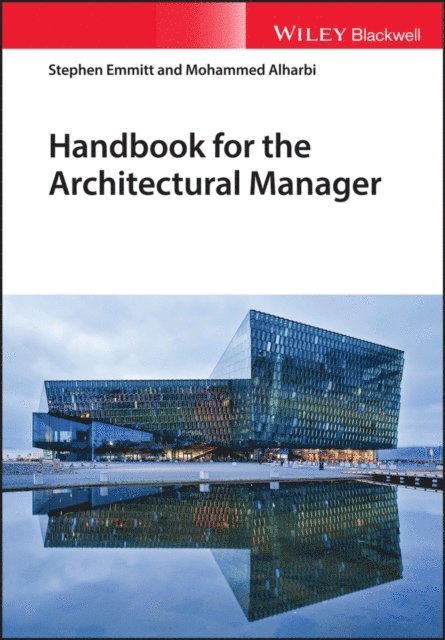
Handbook for the Architectural Manager offers architects a comprehensive resource that brings together critical information on four interlinked areas: managing the architectural office, projects, stakeholders, and learning. Unlike other books on the topic that only stress management of the business or the management of projects, this book offers a guiding framework that encompasses the architectural manager''s role in developing the practice’s competitive strategies and overseeing the project portfolio.
Written by noted experts in the field, Handbook for the Architectural Manager is grounded in current research in which, for the first time, the components of architectural management have been analyzed systematically, tested, and developed for practical application. Designed to explore typical architectural management issues, the book provides clear and concise direction with practical step-by-step guidance as well as helpful checklists, templates and scenarios, and case studies to illustrate best practice. This essential resource:
Offers a groundbreaking handbook that contains a comprehensive management framework for architectural practice Contains new insights and guidance based on solid research on managing the architectural practice Brings together in one book the best management techniques of the office, projects, stakeholders, and learning Includes a well-grounded critical review of the existing literature on the topic Designed for professionals in the field but written in accessible language suitable for studentsHandbook for the Architectural Manager offers a practical guide for overseeing the development of architectural designs and associated activities and ensuring all work is consistent (i.e. adheres to current standards, legislation, client specifications, and office protocols) and completed on time as well as information on staff development and learning.
1 069 kr
Läs direkt efter köp
The essential resource for becoming more effective in the highly competitive architectural marketplace
Handbook for the Architectural Manager offers architects a comprehensive resource that brings together critical information on four interlinked areas: managing the architectural office, projects, stakeholders, and learning. Unlike other books on the topic that only stress management of the business or the management of projects, this book offers a guiding framework that encompasses the architectural manager''s role in developing the practice’s competitive strategies and overseeing the project portfolio.
Written by noted experts in the field, Handbook for the Architectural Manager is grounded in current research in which, for the first time, the components of architectural management have been analyzed systematically, tested, and developed for practical application. Designed to explore typical architectural management issues, the book provides clear and concise direction with practical step-by-step guidance as well as helpful checklists, templates and scenarios, and case studies to illustrate best practice. This essential resource:
Offers a groundbreaking handbook that contains a comprehensive management framework for architectural practice Contains new insights and guidance based on solid research on managing the architectural practice Brings together in one book the best management techniques of the office, projects, stakeholders, and learning Includes a well-grounded critical review of the existing literature on the topic Designed for professionals in the field but written in accessible language suitable for studentsHandbook for the Architectural Manager offers a practical guide for overseeing the development of architectural designs and associated activities and ensuring all work is consistent (i.e. adheres to current standards, legislation, client specifications, and office protocols) and completed on time as well as information on staff development and learning.
469 kr
Skickas inom 5-8 vardagar
563 kr
Läs direkt efter köp
An up-to-date edition of the comprehensive guide to building practice
Since 1958, Barry’s Construction of Buildings has served as a standard guide to building practices and construction skills. The second volume of this two-volume format, Barry’s Advanced Construction of Buildings builds on the introductory material of the first volume to offer readers a thorough grounding in construction and its various facets. Emphasizing large-scale buildings, particularly those with load-bearing frames in timber, concrete and steel, and supported by chapters on offsite construction, piling, envelopes to framed buildings, fit-out and second fix, lifts and escalators, building pathology, upgrading and demolition, this latest edition incorporates critical new material, including
New questions in each chapter designed to enhance learning Updates throughout reflecting the latest building practices and professional knowledge A new focus on low-carbon constructionBarry’s Advanced Construction of Buildings is an essential tool for any student working towards qualifications in building and construction, and a handy reference for construction professionals in any area.
505 kr
Skickas