Stephen J. Roddy - Böcker
Visar alla böcker från författaren Stephen J. Roddy. Handla med fri frakt och snabb leverans.
2 produkter
2 produkter
984 kr
Skickas inom 10-15 vardagar
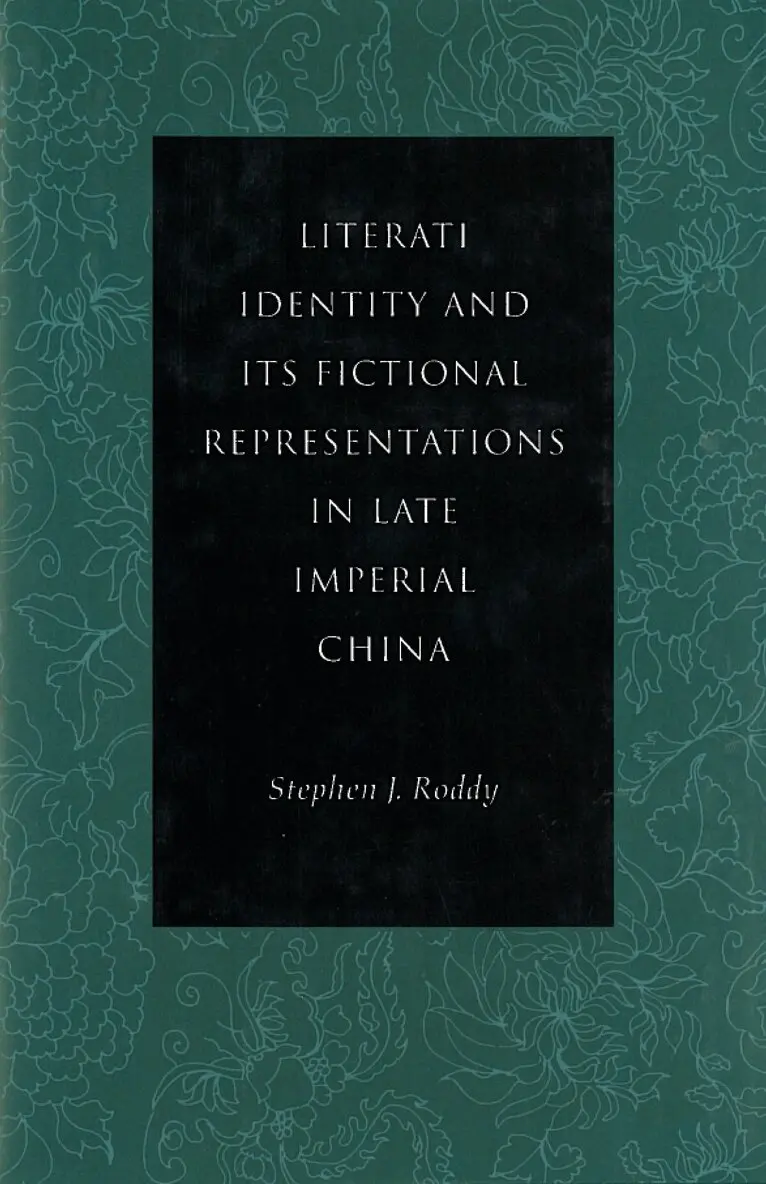
This book is a study of the intellectual and literary factors that in the mid-Qing dynasty contributed to the development of vernacular fiction of unprecedented scholarly and satirical sophistication. The author examines three works of vernacular fiction—Rulin waishi (ca. 1750), Yesou puyan (ca. 1780), and Jinghua yuan (1821/1828)—for their articulation of new perceptions of the literati, or Confucian scholar-gentry. He places the reevaluation of literati roles and privilege found in these novels within the context of scholarly and cultural developments, notably the ascendance of the philological or evidential studies movement of the Qianlong and Jiaqing periods (1736-1820).The author cites a broad range of contemporary discursive writings to corroborate evidence of a clearly discernible trend to modify or negate the ethical and epistemological certainties that had long served as the ideological basis of literati social eminence. These writings implicitly redefined the tasks and interests by which the literati constructed their self-identity. The widespread predilection of these various discourses toward intellectualizing literati identity is in turn brought to bear on the three texts of vernacular fiction. By reading vernacular fiction, scholarly and exegetical texts, and aesthetic treatises as parallel if not wholly identical aims to redefine literati identity, the book attempts to advance our understanding of the intersections and overlaps between literary and discursive practices of late traditional China.
189 kr
Skickas inom 7-10 vardagar
Contributors to this special issue evaluate the influence of Western critical theory on the development of Chinese literary studies since the mid-twentieth century. By examining the development of hermeneutic systems such as gender studies, semiotics, cultural studies, and space theory, the authors discuss the possibility of modern critical discourse intervening in the study of ancient Chinese literature and culture.