Zong-qi Cai - Böcker
Visar alla böcker från författaren Zong-qi Cai. Handla med fri frakt och snabb leverans.
14 produkter
14 produkter
1 631 kr
Skickas inom 7-10 vardagar
In this "guided" anthology, experts lead students through the major genres and eras of Chinese poetry from antiquity to the modern time. The volume is divided into 6 chronological sections and features more than 140 examples of the best shi, sao, fu, ci, and qu poems. A comprehensive introduction and extensive thematic table of contents highlight the thematic, formal, and prosodic features of Chinese poetry, and each chapter is written by a scholar who specializes in a particular period or genre. Poems are presented in Chinese and English and are accompanied by a tone-marked romanized version, an explanation of Chinese linguistic and poetic conventions, and recommended reading strategies. Sound recordings of the poems are available online free of charge. These unique features facilitate an intense engagement with Chinese poetical texts and help the reader derive aesthetic pleasure and insight from these works as one could from the original. The companion volume How to Read Chinese Poetry Workbook presents 100 famous poems (56 are new selections) in Chinese, English, and romanization, accompanied by prose translation, textual notes, commentaries, and recordings.Contributors: Robert Ashmore (Univ. of California, Berkeley); Zong-qi Cai; Charles Egan (San Francisco State); Ronald Egan (Univ. of California, Santa Barbara); Grace Fong (McGill); David R. Knechtges (Univ. of Washington); Xinda Lian (Denison); Shuen-fu Lin (Univ. of Michigan); William H. Nienhauser Jr. (Univ. of Wisconsin); Maija Bell Samei; Jui-lung Su (National Univ. of Singapore); Wendy Swartz (Columbia); Xiaofei Tian (Harvard); Paula Varsano (Univ. of California, Berkeley); Fusheng Wu (Univ. of Utah)
414 kr
Skickas inom 7-10 vardagar
In this "guided" anthology, experts lead students through the major genres and eras of Chinese poetry from antiquity to the modern time. The volume is divided into 6 chronological sections and features more than 140 examples of the best shi, sao, fu, ci, and qu poems. A comprehensive introduction and extensive thematic table of contents highlight the thematic, formal, and prosodic features of Chinese poetry, and each chapter is written by a scholar who specializes in a particular period or genre. Poems are presented in Chinese and English and are accompanied by a tone-marked romanized version, an explanation of Chinese linguistic and poetic conventions, and recommended reading strategies. Sound recordings of the poems are available online free of charge. These unique features facilitate an intense engagement with Chinese poetical texts and help the reader derive aesthetic pleasure and insight from these works as one could from the original. The companion volume How to Read Chinese Poetry Workbook presents 100 famous poems (56 are new selections) in Chinese, English, and romanization, accompanied by prose translation, textual notes, commentaries, and recordings.Contributors: Robert Ashmore (Univ. of California, Berkeley); Zong-qi Cai; Charles Egan (San Francisco State); Ronald Egan (Univ. of California, Santa Barbara); Grace Fong (McGill); David R. Knechtges (Univ. of Washington); Xinda Lian (Denison); Shuen-fu Lin (Univ. of Michigan); William H. Nienhauser Jr. (Univ. of Wisconsin); Maija Bell Samei; Jui-lung Su (National Univ. of Singapore); Wendy Swartz (Columbia); Xiaofei Tian (Harvard); Paula Varsano (Univ. of California, Berkeley); Fusheng Wu (Univ. of Utah)
315 kr
Skickas inom 7-10 vardagar
Designed to work with the acclaimed course text How to Read Chinese Poetry: A Guided Anthology, the How to Read Chinese Poetry Workbook introduces classical Chinese to advanced beginners and learners at higher levels, teaching them how to appreciate Chinese poetry in its original form. Also a remarkable stand-alone resource, the volume illuminates China's major poetic genres and themes through one hundred well-known, easy-to-recite works. Each of the volume's twenty units contains four to six classical poems in Chinese, English, and tone-marked pinyin romanization, with comprehensive vocabulary notes and prose poem translations in modern Chinese. Subsequent comprehension questions and comments focus on the artistic aspects of the poems, while exercises test readers' grasp of both classical and modern Chinese words, phrases, and syntax. An extensive glossary cross-references classical and modern Chinese usage, characters and compounds, and multiple character meanings, and online sound recordings are provided for each poem and its prose translation free of charge.A list of literary issues addressed throughout completes the volume, along with phonetic transcriptions for entering-tone characters, which appear in Tang and Song-regulated shi poems and lyric songs.
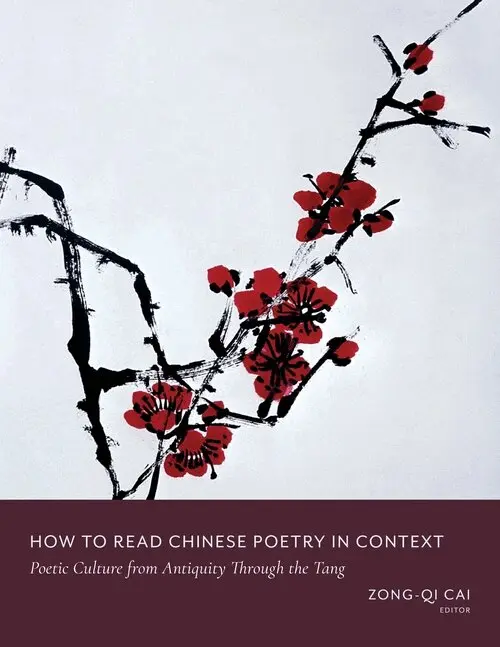
How to Read Chinese Poetry in Context
Poetic Culture from Antiquity Through the Tang
Inbunden, Engelska, 2018
1 450 kr
Skickas inom 7-10 vardagar
How to Read Chinese Poetry in Context is an introduction to the golden age of Chinese poetry, spanning the earliest times through the Tang dynasty (618–907). It aims to break down barriers—between language and culture, poetry and history—that have stood in the way of teaching and learning Chinese poetry. Not only a primer in early Chinese poetry, the volume demonstrates the unique and central role of poetry in the making of Chinese culture.Each chapter focuses on a specific theme to show the interplay between poetry and the world. Readers discover the key role that poetry played in Chinese diplomacy, court politics, empire building, and institutionalized learning; as well as how poems shed light on gender and women’s status, war and knight-errantry, Daoist and Buddhist traditions, and more. The chapters also show how people of different social classes used poetry as a means of gaining entry into officialdom, creating self-identity, fostering friendship, and airing grievances. The volume includes historical vignettes and anecdotes that contextualize individual poems, investigating how some featured texts subvert and challenge the grand narratives of Chinese history. Presenting poems in Chinese along with English translations and commentary, How to Read Chinese Poetry in Context unites teaching poetry with the social circumstances surrounding its creation, making it a pioneering and versatile text for the study of Chinese language, literature, history, and culture.
How to Read Chinese Poetry in Context
Poetic Culture from Antiquity Through the Tang
Häftad, Engelska, 2018
387 kr
Skickas inom 7-10 vardagar
How to Read Chinese Poetry in Context is an introduction to the golden age of Chinese poetry, spanning the earliest times through the Tang dynasty (618–907). It aims to break down barriers—between language and culture, poetry and history—that have stood in the way of teaching and learning Chinese poetry. Not only a primer in early Chinese poetry, the volume demonstrates the unique and central role of poetry in the making of Chinese culture.Each chapter focuses on a specific theme to show the interplay between poetry and the world. Readers discover the key role that poetry played in Chinese diplomacy, court politics, empire building, and institutionalized learning; as well as how poems shed light on gender and women’s status, war and knight-errantry, Daoist and Buddhist traditions, and more. The chapters also show how people of different social classes used poetry as a means of gaining entry into officialdom, creating self-identity, fostering friendship, and airing grievances. The volume includes historical vignettes and anecdotes that contextualize individual poems, investigating how some featured texts subvert and challenge the grand narratives of Chinese history. Presenting poems in Chinese along with English translations and commentary, How to Read Chinese Poetry in Context unites teaching poetry with the social circumstances surrounding its creation, making it a pioneering and versatile text for the study of Chinese language, literature, history, and culture.
1 299 kr
Skickas inom 7-10 vardagar
This book is at once a guided introduction to Chinese nonfictional prose and an innovative textbook for the study of classical Chinese. It is a companion volume to How to Read Chinese Prose: A Guided Anthology, designed for Chinese-language learners.How to Read Chinese Prose in Chinese presents more than forty prose works, either excerpts or in full, from antiquity through the Qing dynasty. While teaching readers how to appreciate the rich tradition of Chinese prose in its original form, the book uses these texts to introduce classical Chinese to advanced learners, helping them develop reading comprehension and vocabulary. It offers a systematic guide to classical Chinese grammar and abundant notes on vocabulary, and features an extensive network of notes, exercises, and cross-references. The book includes modern translations of the forty prose works in simplified Chinese, presented alongside the original texts in traditional Chinese. It also includes expert commentaries on each text’s distinctive aesthetic qualities as well as historical and cultural contexts.The book comprises thirty-eight lessons within eight units, organized chronologically to reflect the emergence of major prose genres. It is a major contribution to the teaching and study of classical Chinese language and literature.Audio recordings of all forty texts are available online free of charge.
330 kr
Skickas inom 7-10 vardagar
This book is at once a guided introduction to Chinese nonfictional prose and an innovative textbook for the study of classical Chinese. It is a companion volume to How to Read Chinese Prose: A Guided Anthology, designed for Chinese-language learners.How to Read Chinese Prose in Chinese presents more than forty prose works, either excerpts or in full, from antiquity through the Qing dynasty. While teaching readers how to appreciate the rich tradition of Chinese prose in its original form, the book uses these texts to introduce classical Chinese to advanced learners, helping them develop reading comprehension and vocabulary. It offers a systematic guide to classical Chinese grammar and abundant notes on vocabulary, and features an extensive network of notes, exercises, and cross-references. The book includes modern translations of the forty prose works in simplified Chinese, presented alongside the original texts in traditional Chinese. It also includes expert commentaries on each text’s distinctive aesthetic qualities as well as historical and cultural contexts.The book comprises thirty-eight lessons within eight units, organized chronologically to reflect the emergence of major prose genres. It is a major contribution to the teaching and study of classical Chinese language and literature.Audio recordings of all forty texts are available online free of charge.
1 378 kr
Skickas inom 7-10 vardagar
This book offers a guided introduction to Chinese nonfictional prose and its literary and cultural significance. It features more than one hundred major texts from antiquity through the Qing dynasty that exemplify major genres, styles, and forms of traditional Chinese prose. For each work, the book presents an English translation, the Chinese original, and accessible critical commentary by leading scholars.How to Read Chinese Prose teaches readers to appreciate the literary merits, stylistic devices, rhetorical choices, and argumentative techniques of a wide range of nonfictional writing. It emphasizes the interconnections among individual texts and across eras, helping readers understand the development of the literary tradition and what makes particular texts formative or distinctive within it. Organized by dynastic period and genre, the book identifies and examines four broad categories of prose—narrative, expository, descriptive, and communicative.How to Read Chinese Prose is suitable for a range of courses in Chinese literature, history, religion, and philosophy, as well as for scholars and interested readers seeking to deepen their knowledge of the Chinese prose tradition. A companion book, How to Read Chinese Prose in Chinese, is designed for Chinese-language learners and features many of the same texts.
350 kr
Skickas inom 7-10 vardagar
This book offers a guided introduction to Chinese nonfictional prose and its literary and cultural significance. It features more than one hundred major texts from antiquity through the Qing dynasty that exemplify major genres, styles, and forms of traditional Chinese prose. For each work, the book presents an English translation, the Chinese original, and accessible critical commentary by leading scholars.How to Read Chinese Prose teaches readers to appreciate the literary merits, stylistic devices, rhetorical choices, and argumentative techniques of a wide range of nonfictional writing. It emphasizes the interconnections among individual texts and across eras, helping readers understand the development of the literary tradition and what makes particular texts formative or distinctive within it. Organized by dynastic period and genre, the book identifies and examines four broad categories of prose—narrative, expository, descriptive, and communicative.How to Read Chinese Prose is suitable for a range of courses in Chinese literature, history, religion, and philosophy, as well as for scholars and interested readers seeking to deepen their knowledge of the Chinese prose tradition. A companion book, How to Read Chinese Prose in Chinese, is designed for Chinese-language learners and features many of the same texts.
Matrix of Lyric Transformation
Poetic Modes and Self-Presentation in Early Chinese Pentasyllabic Poetry
Häftad, Engelska, 2021
189 kr
Skickas inom 7-10 vardagar
Pentasyllabic poetry has been a focus of critical study since the appearance of the earliest works of Chinese literary criticism in the Six Dynasties period. Throughout the subsequent dynasties, traditional Chinese critics continued to examine pentasyllabic poetry as a leading poetic type and to compile various comprehensive anthologies of it. The Matrix of Lyric Transformation enriches this tradition, using modern analytical methods to explore issues of self-expression and to trace the early formal, thematic, and generic developments of this poetic form. Beginning with a discussion of the Yüeh-fu and ku-shih genres of the Han period, Cai Zong-qi introdues the analytical framework of modes from Western literary criticism to show how the pentasyllabic poetry changed over time. He argues that changing practices of poetic composition effected a shift from a dramatic mode typical of folk compositions to a narrative mode and finally to lyric and symbolic modes developed in literati circles.
1 031 kr
Skickas inom 7-10 vardagar
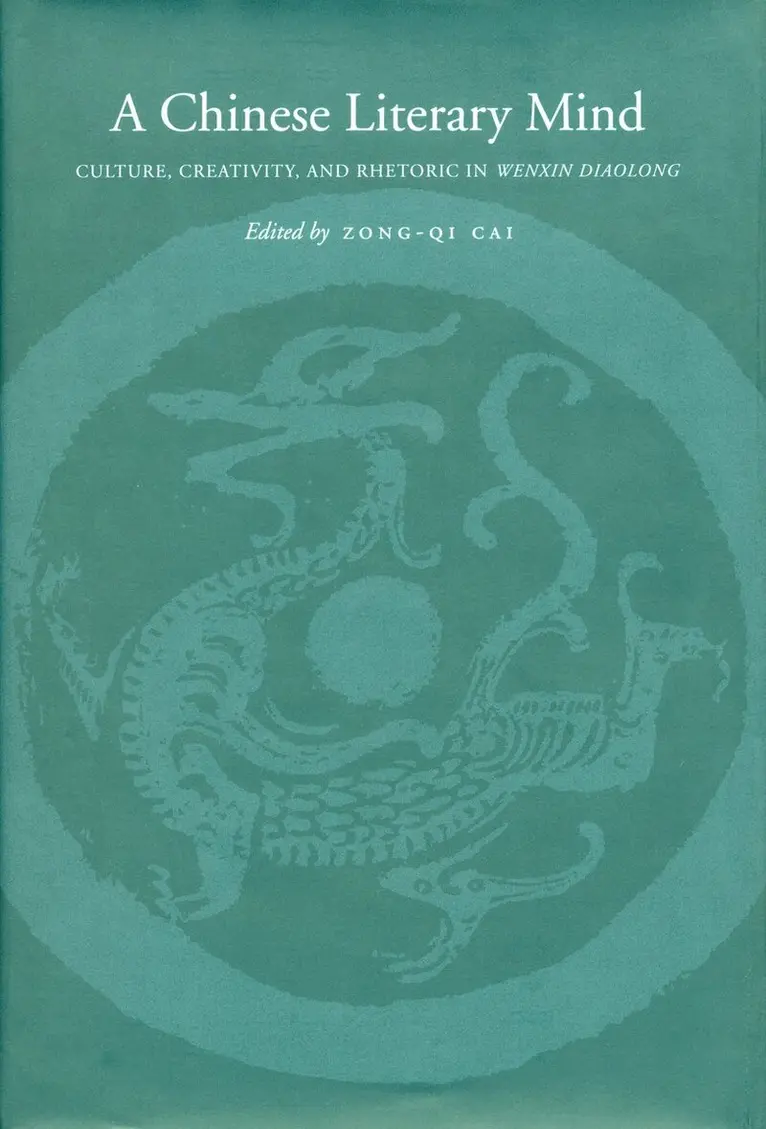
Wenxin diaolong by Liu Xie (ca. 465-ca. 521) is arguably the most complex and comprehensive work of literary criticism in ancient China. For centuries it has intrigued and inspired Chinese literati, and modern English-speaking scholars have also found it an important source for inquiries into traditional Chinese poetics and aesthetics. The present volume of ten essays is the first book-length study in English of this classic work.The first two parts of the book focus on cultural traditions, showing how Liu canonized the Chinese literary tradition, assessing where Liu's work stands in that tradition, and demonstrating his debts to the intellectual currents of his time. The third part explores Liu's theory of literary creation by using contemporary critical perspectives to analyze Liu's conception of imagination. The fourth part presents three detailed studies of Liu's views on rhetoric: a close reading of his chapter on rhetorical parallelism, a discussion of his own use of parallelism as a means of analysis and textual production, and an investigation of his views on changes and continuities in Chinese literary styles. The book concludes with a critical survey of Asian-language scholarship on Wenxin diaolong in this century.The contributors are Zong-qi Cai, Kang-i Sun Chang, Ronald Egan, Wai-yee Li, Shuen-fu Lin, Richard John Lynn, Victor H. Mair, Stephen Owen, Andrew H. Plaks, Maureen Robertson, and Zhang Shaokang.
188 kr
Skickas inom 7-10 vardagar
Contributors to this special issue evaluate the influence of Western critical theory on the development of Chinese literary studies since the mid-twentieth century. By examining the development of hermeneutic systems such as gender studies, semiotics, cultural studies, and space theory, the authors discuss the possibility of modern critical discourse intervening in the study of ancient Chinese literature and culture.
188 kr
Skickas inom 7-10 vardagar
This supplement to volume 20 of Prism is the first installment of a four-part project, with roughly concurrent publication in Chinese and English. The works in this project, which include Chinese monographs by Prism’s editor Zong-qi Cai, cover Chinese theories of literature, literary creation, interpretation, and aesthetic judgment. This supplement, specifically, covers topics that include the inadequate presence of China’s literary theory and literary creation in English-language scholarship; an analytical and analytical-reconstructive approach to Six Dynasties comprehensive theories that pieces together isolated comments made by multiple authors over different times into a “theoretic collage” the philosophical foundations laid by pre-Qin and Han-Wei thinkers for the subsequent rise of literary creation the burgeoning impact of Buddhist thought on the theory of artistic creation; and a reflection on and comparison of the distinctive features of major Chinese theories of literary creation to their Western counterparts.
Del 1 - Chinese Texts in the World
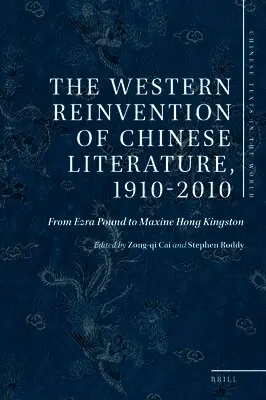
Western Reinvention of Chinese Literature, 1910-2010
From Ezra Pound to Maxine Hong Kingston
Inbunden, Engelska, 2022
1 984 kr
Skickas inom 5-8 vardagar
During much of China’s tumultuous 20th century, May 4th and Maoist iconoclasts regarded their classical literary heritage as a burden to be dislodged in the quest for modernization. This volume demonstrates how the traditions that had deeply impressed earlier generations of Western writers like Goethe and Voltaire did not lose their lustre; to the contrary, a fascination with these past riches sprouted with renewed vigour among Euro-American poets, novelists, and other cultural figures after the fall of imperial China in 1911. From Petrograd to Paris, and from São Paolo to San Francisco, China’s premodern poetry, theatre, essays, and fiction inspired numerous prominent writers and intellectuals. The contributors survey the fruits of this engagement in multiple Western languages and nations.