Steven I. Pfeiffer - Böcker
Visar alla böcker från författaren Steven I. Pfeiffer. Handla med fri frakt och snabb leverans.
13 produkter
13 produkter
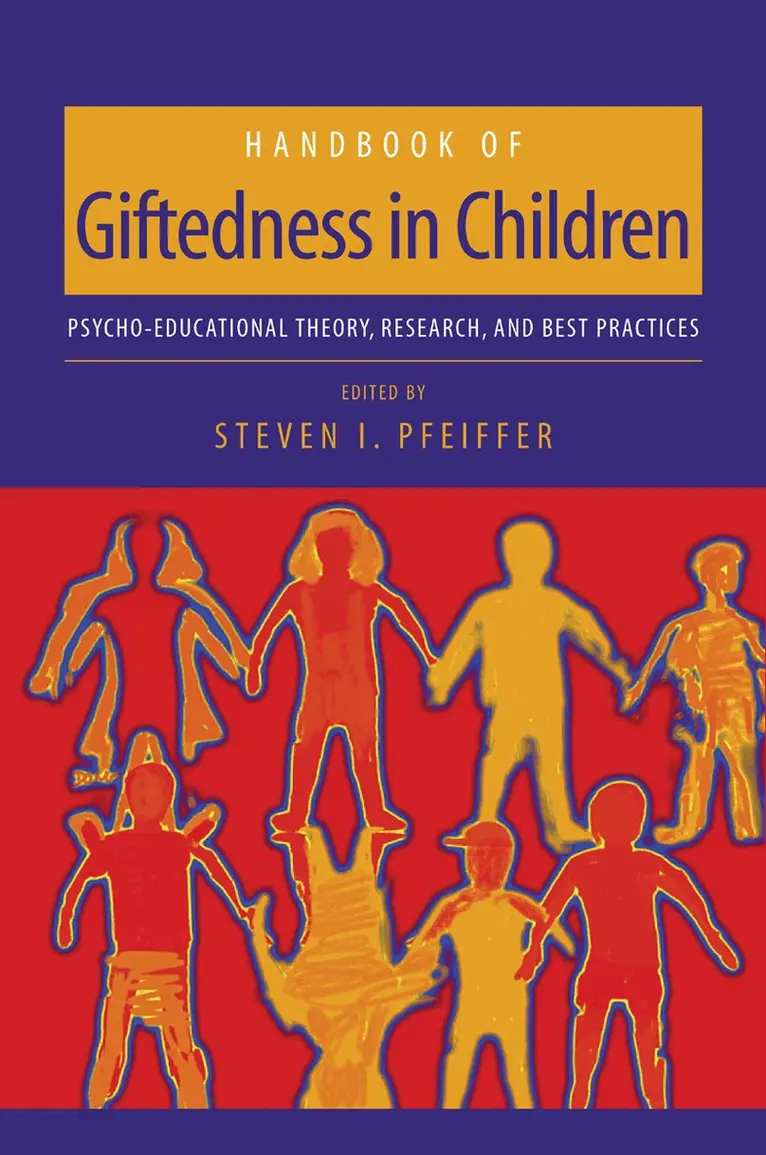
Handbook of Giftedness in Children
Psychoeducational Theory, Research, and Best Practices
Inbunden, Engelska, 2008
1 971 kr
Skickas inom 5-8 vardagar
Mention "special needs children", and most people think of students struggling to overcome learning and physical disabilities as well as problem behaviors that interfere with achieving full academic potential. But there is a hidden population of special needs children – the gifted and talented – and their teachers, parents, and other professionals are often not well equipped to respond to their unique academic and developmental needs.In one comprehensive resource, the Handbook of Giftedness in Children brings together leading experts from the fields of psychology and education, combining theory and applied empirical research on such crucial topics as conceptualization, types of intelligence, developmental considerations, and ethical and legal concerns. Particular attention is given to social and family contexts, and evidence-based strategies and interventions offer solid guidelines on assessment, curriculum design, and encouraging and nurturing talent – from preschool through adolescence.Sample topics include:Approaches to screening and assessment, including IQ and other testsThe gifted child’s social world, from peer relationships to gender issuesSpecial issues of gifted but disadvantaged studentsProblems and interventions specific to families with a gifted childCareer counseling, planning, and mentorshipThis volume is an essential resource for anyone working with gifted and talented children, including clinical child and school psychologists, educators and other allied professionals as well as child psychiatrists, family therapists, social workers, and pediatricians and other healthcare professionals. It also serves as an invaluable guide for graduate students in these and related fields.
1 508 kr
Skickas inom 7-10 vardagar
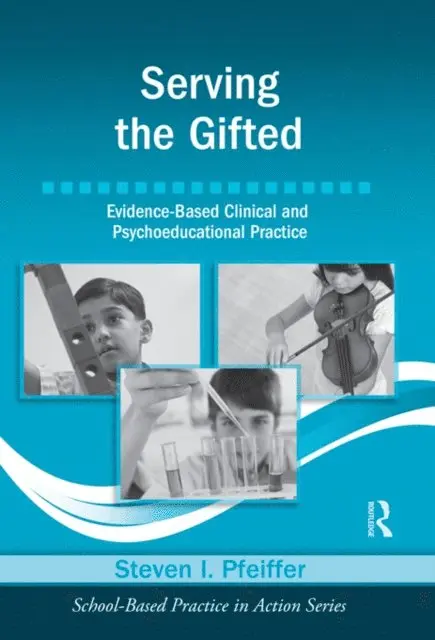
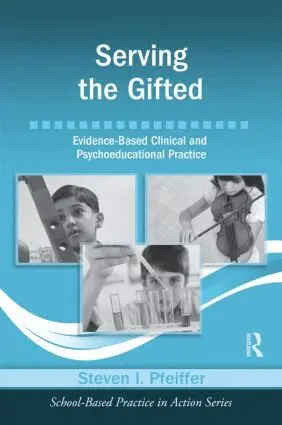
Designed for practitioners who work with the gifted, this volume is intended to serve as a practical and easy-to-use resource for working with gifted students, their teachers, and their parents and families. It provides timely, practical, evidence-based techniques and guidelines to help these practitioners better help an underserved group. The book is written in a user-friendly style that makes this a quick, simple, and easy reference. Topics covered include identification and assessment of gifted students; important information for understanding the needs of the gifted; counseling and psychotherapy strategies; career counseling for gifted and talented students; methods for working with the families of the gifted; and legally-correct and ethically-smart counseling techniques. An accompanying CD will contain valuable resources such as PowerPoint presentations and reproducible handouts and forms.
600 kr
Skickas inom 10-15 vardagar
Designed for practitioners who work with the gifted, this volume is intended to serve as a practical and easy-to-use resource for working with gifted students, their teachers, and their parents and families. It provides timely, practical, evidence-based techniques and guidelines to help these practitioners better help an underserved group. The book is written in a user-friendly style that makes this a quick, simple, and easy reference. Topics covered include identification and assessment of gifted students; important information for understanding the needs of the gifted; counseling and psychotherapy strategies; career counseling for gifted and talented students; methods for working with the families of the gifted; and legally-correct and ethically-smart counseling techniques. An accompanying CD will contain valuable resources such as PowerPoint presentations and reproducible handouts and forms.
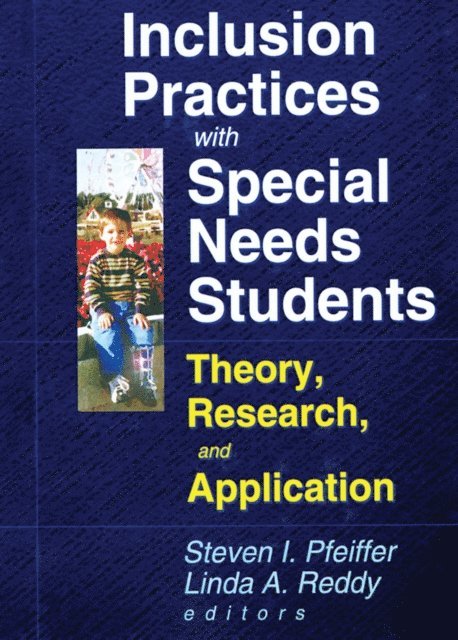
Inclusion Practices with Special Needs Students
Theory, Research, and Application
Inbunden, Engelska, 2000
560 kr
Skickas inom 10-15 vardagar
Explore the challenges, opportunities, and pitfalls of the inclusion of students with disabilities in your classroom!Exciting, complex, and challenging shifts in American education are occurring today. First, schools are moving to embrace student diversity and accommodate the classroom experience to support diverse ways of organizing students for learning. Second, teachers are moving away from a traditional didactic instructional mode and embracing a facilitator role that encourages creating innovative classroom learning opportunities. Third, there is a shift from the view of the school as providing educational and psychoeducational services for students to providing educational supports for learning.Coinciding with these changes is the growing movement in special education that enourages full inclusion of students with special needs. This is a far cry from the exclusionary and separatist movements of special education less than twenty years ago. Now American education is facing the challenging situation of working with students with disabilities in the regular classroom. Inclusion Practices with Special Needs Students provides a much needed overview of the issues faced by educators committed to understanding how to best serve children with disabilities in schools.Inclusion Practices with Special Needs Students: Theory, Research, and Application provides an overview of the origins, evolution, and recent developments regarding the inclusion of students with disabilities into general education classrooms. The book critically challenges the overriding assumptions that support the philosophy of inclusion with a balanced presentation or research and theory that both supports and raises questions about the viability of this practice. The contributors are authorities in their respective areas of inclusionary practices.Some of the issues you will explore in Inclusion Practices with Special Needs Students are:political, fiscal, and legal events that have shaped inclusion practices implications for school psychologists handling students with serious emotional, behavioral, or developmental problems remaining in regular education agenda for future research priorities for research, training, and policy reformInclusion Practices with Special Needs Students addresses practical, psychoeducational, philosophical, legal, ethical, and financial issues surrounding the inclusionary initiative in special education.
Inclusion Practices with Special Needs Students
Theory, Research, and Application
Häftad, Engelska, 2000
362 kr
Skickas inom 10-15 vardagar
Explore the challenges, opportunities, and pitfalls of the inclusion of students with disabilities in your classroom!Exciting, complex, and challenging shifts in American education are occurring today. First, schools are moving to embrace student diversity and accommodate the classroom experience to support diverse ways of organizing students for learning. Second, teachers are moving away from a traditional didactic instructional mode and embracing a facilitator role that encourages creating innovative classroom learning opportunities. Third, there is a shift from the view of the school as providing educational and psychoeducational services for students to providing educational supports for learning.Coinciding with these changes is the growing movement in special education that enourages full inclusion of students with special needs. This is a far cry from the exclusionary and separatist movements of special education less than twenty years ago. Now American education is facing the challenging situation of working with students with disabilities in the regular classroom. Inclusion Practices with Special Needs Students provides a much needed overview of the issues faced by educators committed to understanding how to best serve children with disabilities in schools.Inclusion Practices with Special Needs Students: Theory, Research, and Application provides an overview of the origins, evolution, and recent developments regarding the inclusion of students with disabilities into general education classrooms. The book critically challenges the overriding assumptions that support the philosophy of inclusion with a balanced presentation or research and theory that both supports and raises questions about the viability of this practice. The contributors are authorities in their respective areas of inclusionary practices.Some of the issues you will explore in Inclusion Practices with Special Needs Students are:political, fiscal, and legal events that have shaped inclusion practices implications for school psychologists handling students with serious emotional, behavioral, or developmental problems remaining in regular education agenda for future research priorities for research, training, and policy reformInclusion Practices with Special Needs Students addresses practical, psychoeducational, philosophical, legal, ethical, and financial issues surrounding the inclusionary initiative in special education.
847 kr
Skickas inom 10-15 vardagar
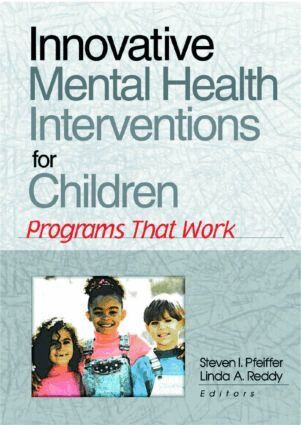
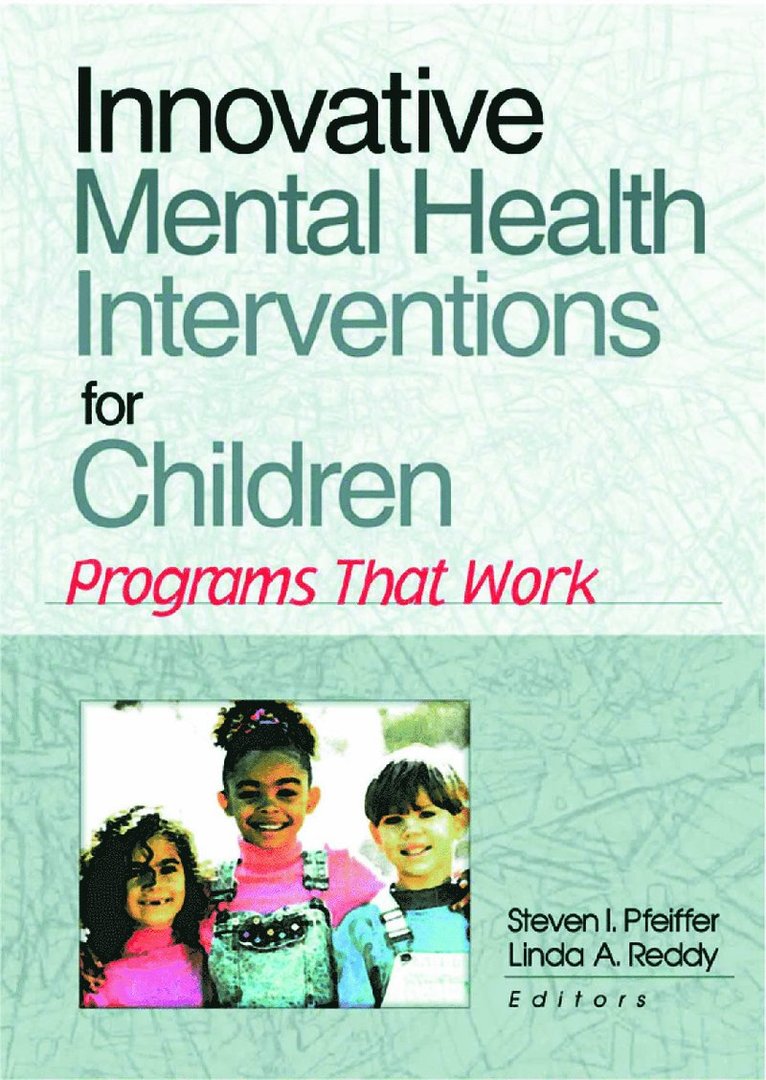
Children and families are in increasing need of mental health services that are more effective and less costly. Are you prepared to make this happen?This vital book for clinical psychiatrists and trainers examines uniquely successful prevention programs addressing the most challenging mental health problems in children. In it, leading authorities in child and family mental health provide compelling descriptions of these model prevention programs, which are clinically proven and cost-effective.Each chapter describes an internationally recognized program, including program mission and goals, key treatment ingredients, logistical and operational considerations, evaluation data, and replicability/transportability considerations. With Programs That Work: Innovative Mental Health Interventions for Children, you will explore insightful, expert examinations of:an interpersonal cognitive problem-solving program that can reduce and help prevent high-risk behaviors in young children a video-based program aimed at reducing substance abuse and behavioral problems in young adolescents the Teaching-Family Model (TFM) which stresses the importance of a positive family environment for children and adolescents with emotional/behavioral problems in residential treatment centers a set of school-based intervention programs for parents, teachers, and children ages 3--10 which can help reduce or prevent conduct problems and drug abuse in children MST (multisystemic therapy) programs aimed at juvenile offenders and youths who abuse substances--people who are not typically compliant with treatment programs the Anger Coping Program which can improve the social/cognitive skills of aggressive children aggression replacement training which combines skill streaming, anger control, and moral education to prevent aggression in adolescents multidimensional treatment foster care for adjudicated youthThe programs and interventions you will find in Programs That Work: Innovative Mental Health Interventions for Children address a great variety of serious emotional problems in children and adolescents, and emphasize the importance of an ecological and multi-systems approach to treatment. Explore them and choose what will work best for the children and families in your community!
427 kr
Skickas inom 10-15 vardagar
Children and families are in increasing need of mental health services that are more effective and less costly. Are you prepared to make this happen?This vital book for clinical psychiatrists and trainers examines uniquely successful prevention programs addressing the most challenging mental health problems in children. In it, leading authorities in child and family mental health provide compelling descriptions of these model prevention programs, which are clinically proven and cost-effective.Each chapter describes an internationally recognized program, including program mission and goals, key treatment ingredients, logistical and operational considerations, evaluation data, and replicability/transportability considerations. With Programs That Work: Innovative Mental Health Interventions for Children, you will explore insightful, expert examinations of:an interpersonal cognitive problem-solving program that can reduce and help prevent high-risk behaviors in young children a video-based program aimed at reducing substance abuse and behavioral problems in young adolescents the Teaching-Family Model (TFM) which stresses the importance of a positive family environment for children and adolescents with emotional/behavioral problems in residential treatment centers a set of school-based intervention programs for parents, teachers, and children ages 3--10 which can help reduce or prevent conduct problems and drug abuse in children MST (multisystemic therapy) programs aimed at juvenile offenders and youths who abuse substances--people who are not typically compliant with treatment programs the Anger Coping Program which can improve the social/cognitive skills of aggressive children aggression replacement training which combines skill streaming, anger control, and moral education to prevent aggression in adolescents multidimensional treatment foster care for adjudicated youthThe programs and interventions you will find in Programs That Work: Innovative Mental Health Interventions for Children address a great variety of serious emotional problems in children and adolescents, and emphasize the importance of an ecological and multi-systems approach to treatment. Explore them and choose what will work best for the children and families in your community!
223 kr
Skickas inom 10-15 vardagar
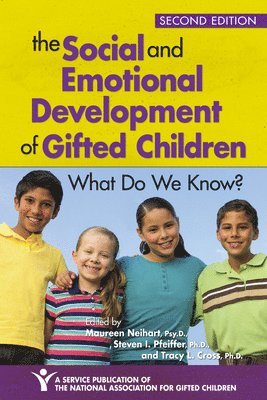
Parenting from the Heart is a fresh, accessible, authoritative pocket book for helping your gifted, bright, or creative child become resilient and psychologically vibrant, both in and out of the classroom!Engaging chapters explore how to support your child’s social-emotional development through teaching, reinforcing, and modeling the author’s research-based framework “strengths of the heart,” championing the dynamic trio of Emotional Intelligence, social skills, and character strengths. Featuring diverse, illustrative examples, effective interventions, and frequently asked questions to help you put concepts into practice, this book offers essential information for raising and supporting responsible, caring, empathic, and resilient gifted children. This book is a must read for all caregivers seeking to get ahead of potential behavioral, academic, and social challenges while building a healthy foundation to become a calm, reflective, and thoughtful parent.
373 kr
Skickas inom 7-10 vardagar
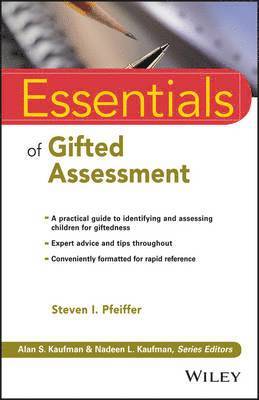
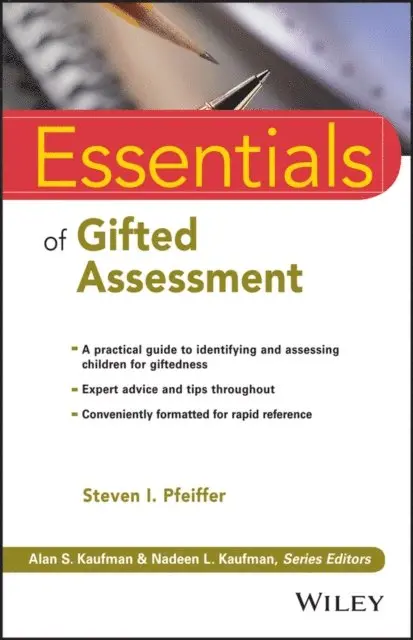
An Up-to-Date Overview of the Theory and Practice Underlying Gifted Assessment Essentials of Gifted Assessment introduces readers to the theory and practice underlying gifted assessment. Steven Pfeiffer, a leading expert in the field of gifted assessment, discusses what it means to be gifted, why we should identify gifted students, and the purposes of gifted assessment.Well-organized and engaging, the book examines key principles of gifted assessment and provides an up-to-date overview of gifted assessment measures. Topics include the use of local norms, measuring creativity and motivation, nonverbal measures, the importance of recurring gifted assessment, multi-potentiality, gifted testing and minority group students, and evaluating the twice-exceptional student. Early identification and intervention greatly benefits gifted students, who may otherwise never realize their full potential. Throughout the book, Pfeiffer equips school psychologists with the tools they need to: Identify and assess uniquely bright and talented studentsIntegrate multiple assessment measures including intelligence, cognitive ability, and achievement testsAssess gifted students with coexisting disabilities and disordersPromote the abilities of gifted students using evidence-based strategiesThe book also includes extensive illustrative material, such as callout boxes and case examples, that facilitate use as a quick reference, plus end-of-chapter "Test Yourself" questions that help reinforce key concepts. Essentials of Gifted Assessment helps new and seasoned school psychologists and other professionals acquire the skills and knowledge needed for ethical, evidence-based, and informed clinical practice with high-ability students.
733 kr
Skickas inom 10-15 vardagar
As residential treatment centers and psychiatric hospitals are increasingly asked to document their effectiveness, it is essential for mental health care providers to demonstrate the efficacy and cost-effectiveness of the services they provide. Outcome Assessment in Residential Treatment helps health care providers demonstrate that their planned treatment is necessary and active rather than simply custodial. A practitioner’s guide to conducting treatment outcome assessment projects, this innovative book presents readers with historical perspectives, current issues, and practical suggestions for implementing an outcome assessment project.Outcome Assessment in Residential Treatment guides psychiatrists, psychologists, mental health practitioners, and social program administrators in addressing which therapeutic components contribute to the goals and objectives of their programs and which may require modification, radical revision, or even elimination. It helps residential treatment centers and psychiatric treatment facilities document treatment successes and better understand which factors (within the client, family, environment, treatment setting, or combinations therein) predict successful outcome. This objective data empowers readers to influence government and industry, enhance public awareness of the needs of severely disturbed children and youth, and validate the usefulness of intensive psychiatric treatment.Unlike other books on treatment outcome, Outcome Assessment in Residential Treatment tells readers how to determine clinically significant improvement and not simply statistically significant change. It gives practical, detailed, proven advice on how to carry out studies that will benefit residential treatment centers and the psychiatric and mental health fields. Contributors provide tools to validate/demonstrate that psychiatric and mental health treatments are effective. They offer insight into:planning a treatment outcome project recognizing ethical, practical, methodological, logistical, and clinical considerations in implementing a treatment outcome project selecting instruments to assess treatment outcome and measuring success comparing different outcome measuresHealth care providers must have accurate information about treatment outcomes to demonstrate that specific services are beneficial, cost-effective, and well-received by the client. Outcome Assessment in Residential Treatment helps readers evaluate the impact a treatment program has on a client’s clinical status and psychosocial and educational functioning, making it possible to provide an objective yardstick for the payer’s evaluation of the quality of care provided.Psychiatrists, psychologists, mental health practitioners, and social program administrators will find Outcome Assessment in Residential Treatment an essential guide to evaluating and understanding the relative effects of specific interventions or procedures on the quality and effectiveness of their services. They will use this information to make appropriate changes which guarantee that they best meet their clients’mental health care needs.
1 805 kr
Skickas inom 10-15 vardagar
As residential treatment centers and psychiatric hospitals are increasingly asked to document their effectiveness, it is essential for mental health care providers to demonstrate the efficacy and cost-effectiveness of the services they provide. Outcome Assessment in Residential Treatment helps health care providers demonstrate that their planned treatment is necessary and active rather than simply custodial. A practitioner’s guide to conducting treatment outcome assessment projects, this innovative book presents readers with historical perspectives, current issues, and practical suggestions for implementing an outcome assessment project.Outcome Assessment in Residential Treatment guides psychiatrists, psychologists, mental health practitioners, and social program administrators in addressing which therapeutic components contribute to the goals and objectives of their programs and which may require modification, radical revision, or even elimination. It helps residential treatment centers and psychiatric treatment facilities document treatment successes and better understand which factors (within the client, family, environment, treatment setting, or combinations therein) predict successful outcome. This objective data empowers readers to influence government and industry, enhance public awareness of the needs of severely disturbed children and youth, and validate the usefulness of intensive psychiatric treatment.Unlike other books on treatment outcome, Outcome Assessment in Residential Treatment tells readers how to determine clinically significant improvement and not simply statistically significant change. It gives practical, detailed, proven advice on how to carry out studies that will benefit residential treatment centers and the psychiatric and mental health fields. Contributors provide tools to validate/demonstrate that psychiatric and mental health treatments are effective. They offer insight into:planning a treatment outcome project recognizing ethical, practical, methodological, logistical, and clinical considerations in implementing a treatment outcome project selecting instruments to assess treatment outcome and measuring success comparing different outcome measuresHealth care providers must have accurate information about treatment outcomes to demonstrate that specific services are beneficial, cost-effective, and well-received by the client. Outcome Assessment in Residential Treatment helps readers evaluate the impact a treatment program has on a client’s clinical status and psychosocial and educational functioning, making it possible to provide an objective yardstick for the payer’s evaluation of the quality of care provided.Psychiatrists, psychologists, mental health practitioners, and social program administrators will find Outcome Assessment in Residential Treatment an essential guide to evaluating and understanding the relative effects of specific interventions or procedures on the quality and effectiveness of their services. They will use this information to make appropriate changes which guarantee that they best meet their clients’mental health care needs.
Handbook of Giftedness in Children
Psychoeducational Theory, Research, and Best Practices
Häftad, Engelska, 2018
3 743 kr
Skickas inom 10-15 vardagar
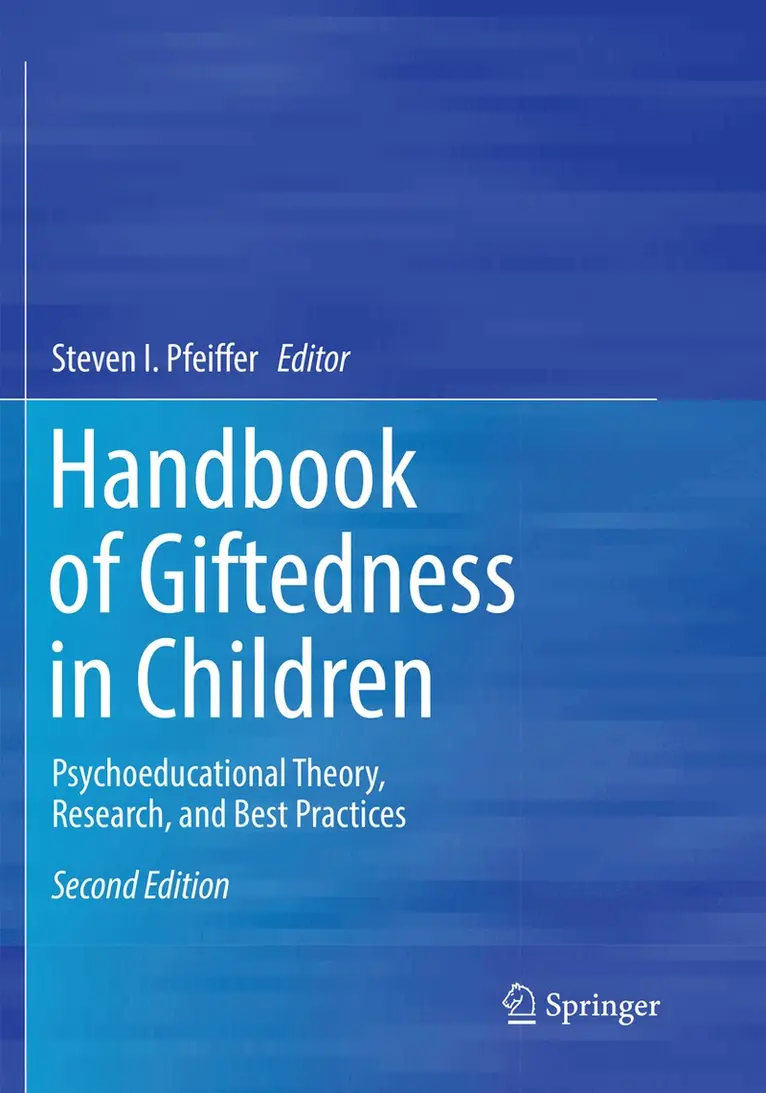
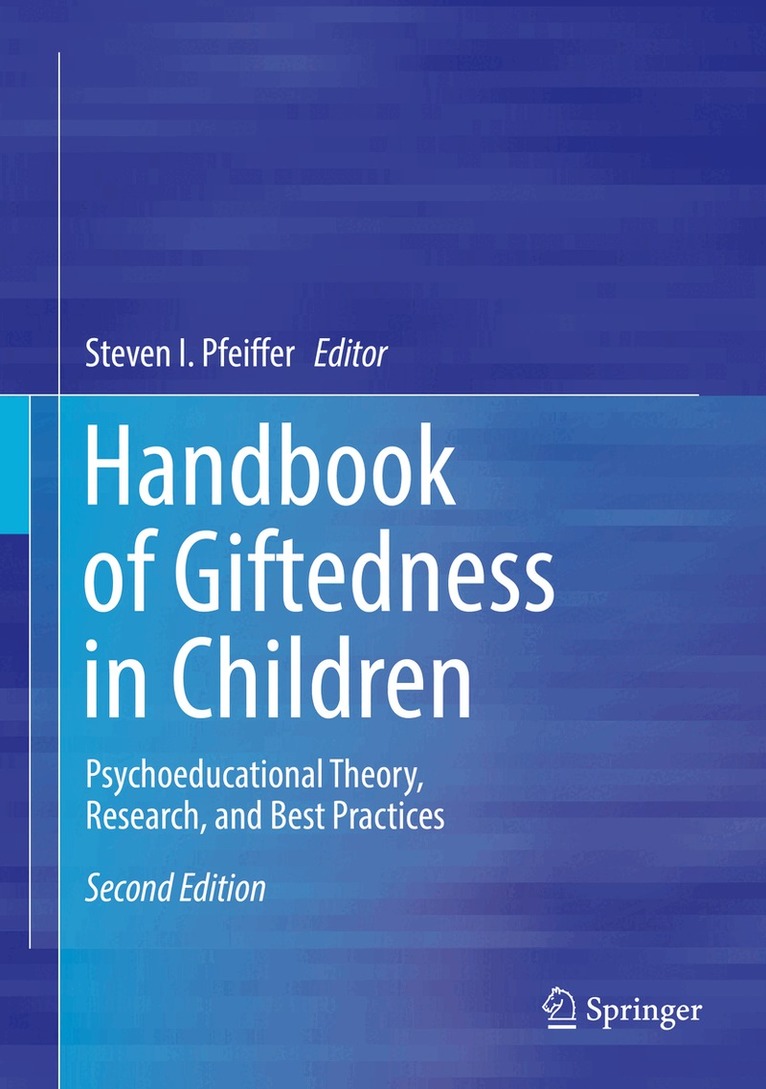
The second edition of this handbook incorporates the latest theory, research, and best practices in serving gifted and talented children and adolescents. The expanded and updated edition explores new and emerging ideas, themes, and findings, including the latest research from neuroscience and developmental psychology. It incorporates expanding conceptions of giftedness among researchers as both general and domain-specific as well as the value of viewing giftedness from a developmental perspective. Chapters discuss a wide range of topics including assessment, the role of family in nurturing talent, and issues specific to subgroups such as disadvantaged gifted children and gifted children with special needs. In addition, the handbook provides guidelines for creating relevant interventions and designing curriculum for this diverse population.Topics featured in the Handbook include:· The social and emotional world of the gifted.· Emotional intelligence and the gifted.· Perfectionism in gifted students. · Depression and suicide among gifted children. · Career counseling for the gifted and talented.· Best practices in the identification and assessment of the gifted. The Handbook of Giftedness in Children, Second Edition is a must-have resource for researchers, clinicians and related professionals, policy makers, and graduate students across such interrelated disciplines as child and school psychology, social work, and education policy and politics as well as special and general education, public health, school nursing, occupational therapy, psychiatry, school counseling, and family studies.
Handbook of Giftedness in Children
Psychoeducational Theory, Research, and Best Practices
Inbunden, Engelska, 2018
3 533 kr
Skickas inom 10-15 vardagar
The second edition of this handbook incorporates the latest theory, research, and best practices in serving gifted and talented children and adolescents. The expanded and updated edition explores new and emerging ideas, themes, and findings, including the latest research from neuroscience and developmental psychology. It incorporates expanding conceptions of giftedness among researchers as both general and domain-specific as well as the value of viewing giftedness from a developmental perspective. Chapters discuss a wide range of topics including assessment, the role of family in nurturing talent, and issues specific to subgroups such as disadvantaged gifted children and gifted children with special needs. In addition, the handbook provides guidelines for creating relevant interventions and designing curriculum for this diverse population.Topics featured in the Handbook include:· The social and emotional world of the gifted.· Emotional intelligence and the gifted.· Perfectionism in gifted students. · Depression and suicide among gifted children. · Career counseling for the gifted and talented.· Best practices in the identification and assessment of the gifted. The Handbook of Giftedness in Children, Second Edition is a must-have resource for researchers, clinicians and related professionals, policy makers, and graduate students across such interrelated disciplines as child and school psychology, social work, and education policy and politics as well as special and general education, public health, school nursing, occupational therapy, psychiatry, school counseling, and family studies.