Stuart Harrad – författare
Visar alla böcker från författaren Stuart Harrad. Handla med fri frakt och snabb leverans.
7 produkter
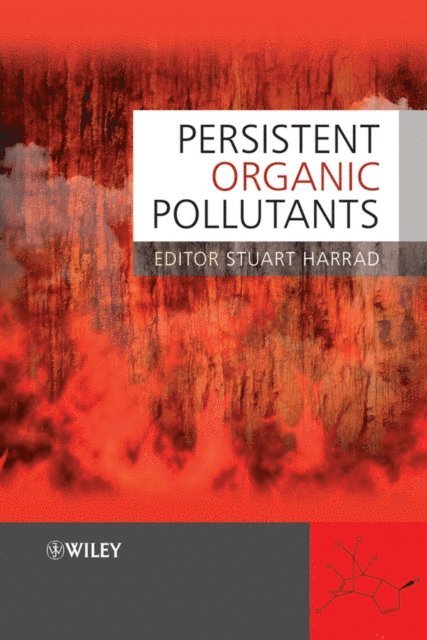
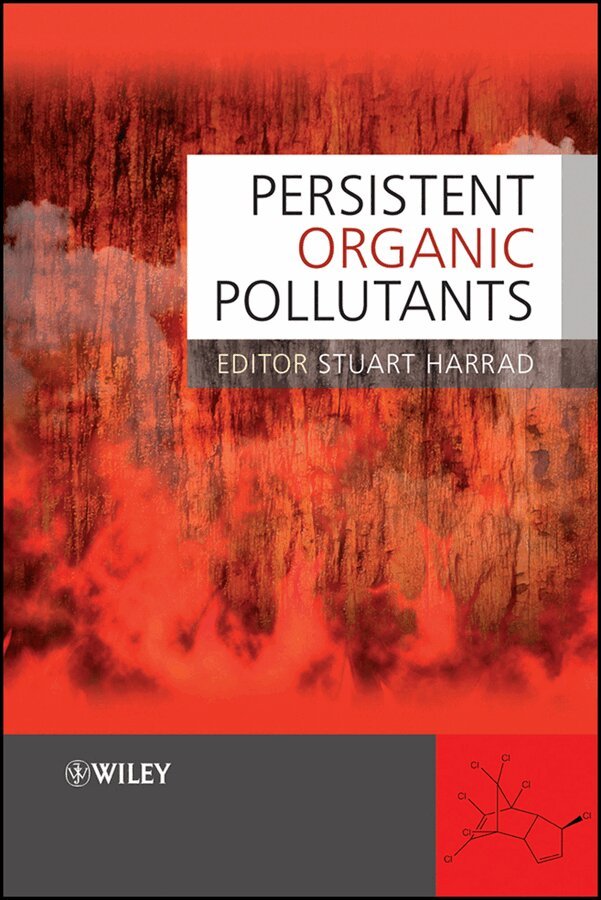
Persistent Organic Pollutants
E-bok, 2009
2428 kr
Lägg i varukorg
Persistent Organic Pollutants (POPs) are toxic, resistant to degradation, bioaccumulative, and display wide spatial distribution. They accumulate in humans and wildlife, and have been linked to cancer, as well as reproductive and immunological disorders. In 2001 a global treaty on POPs was agreed, …
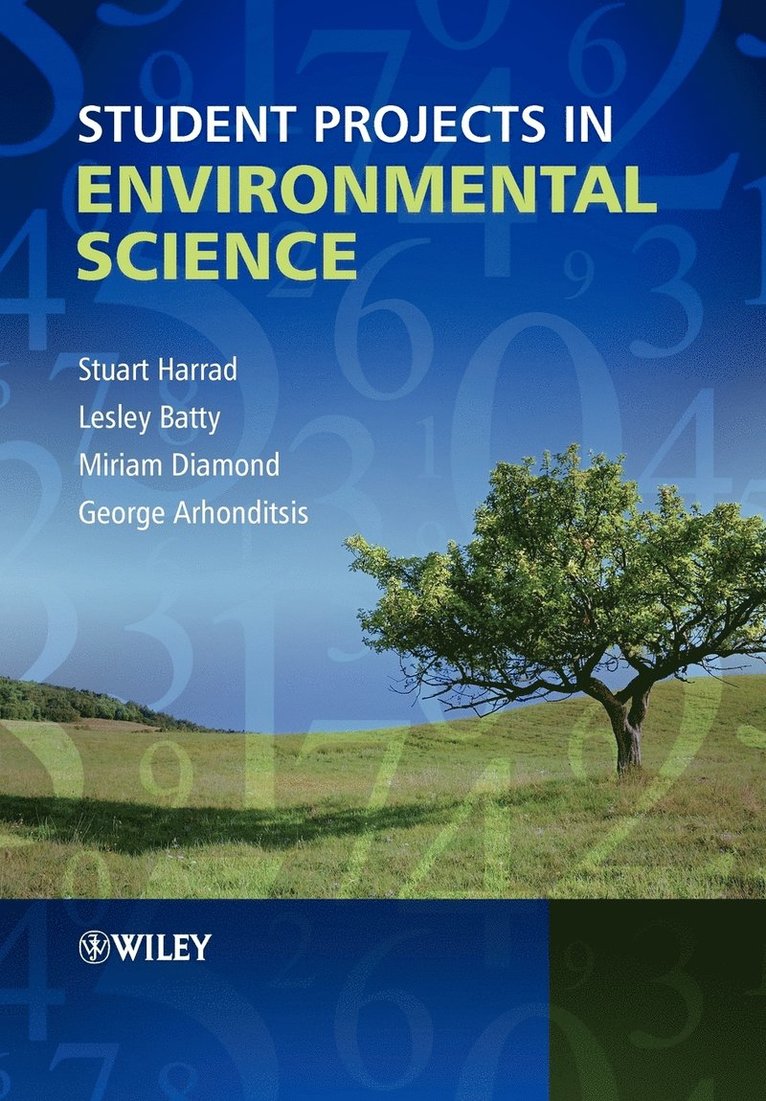
Student Projects in Environmental Science
Av Stuart Harrad, Lesley Batty m. fl.
Häftad, 2008
482 kr
Lägg i varukorg
Research projects are among the core components of many undergraduate and Masters degrees within environmental science and physical geography, and students increasingly undertake courses in quantitative research methodology before starting on their own assignment. This one-stop-shop text guides …
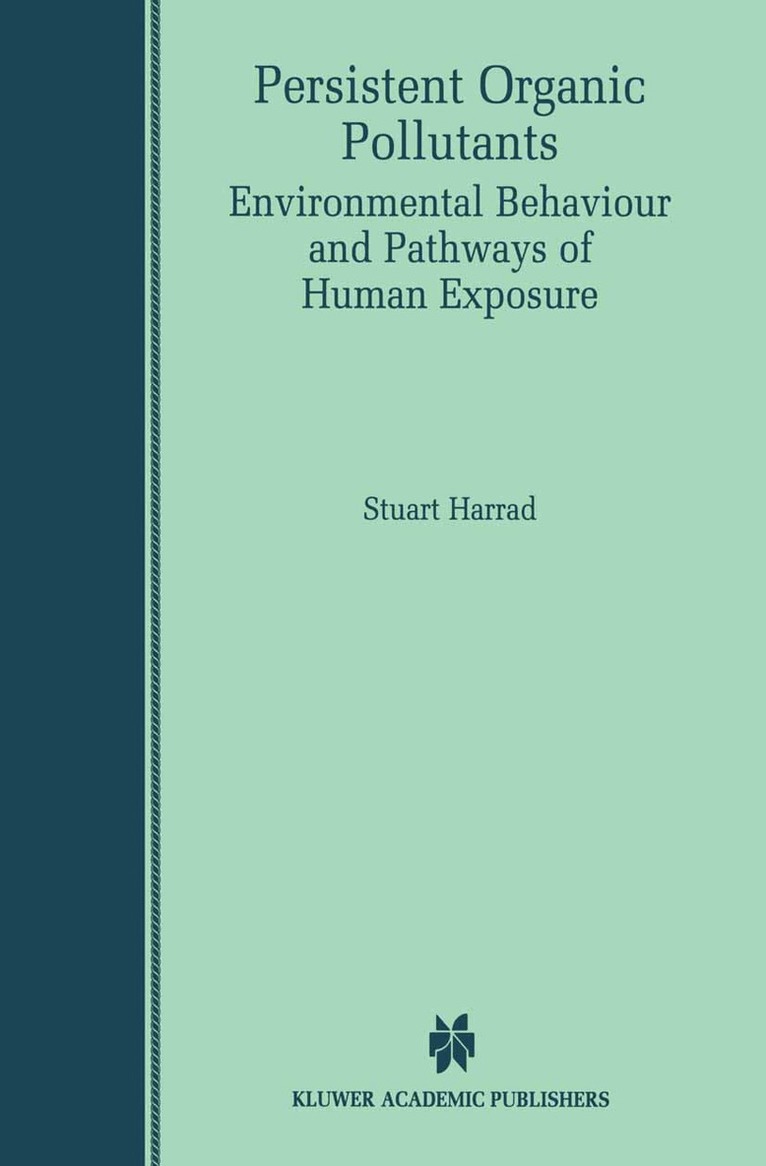
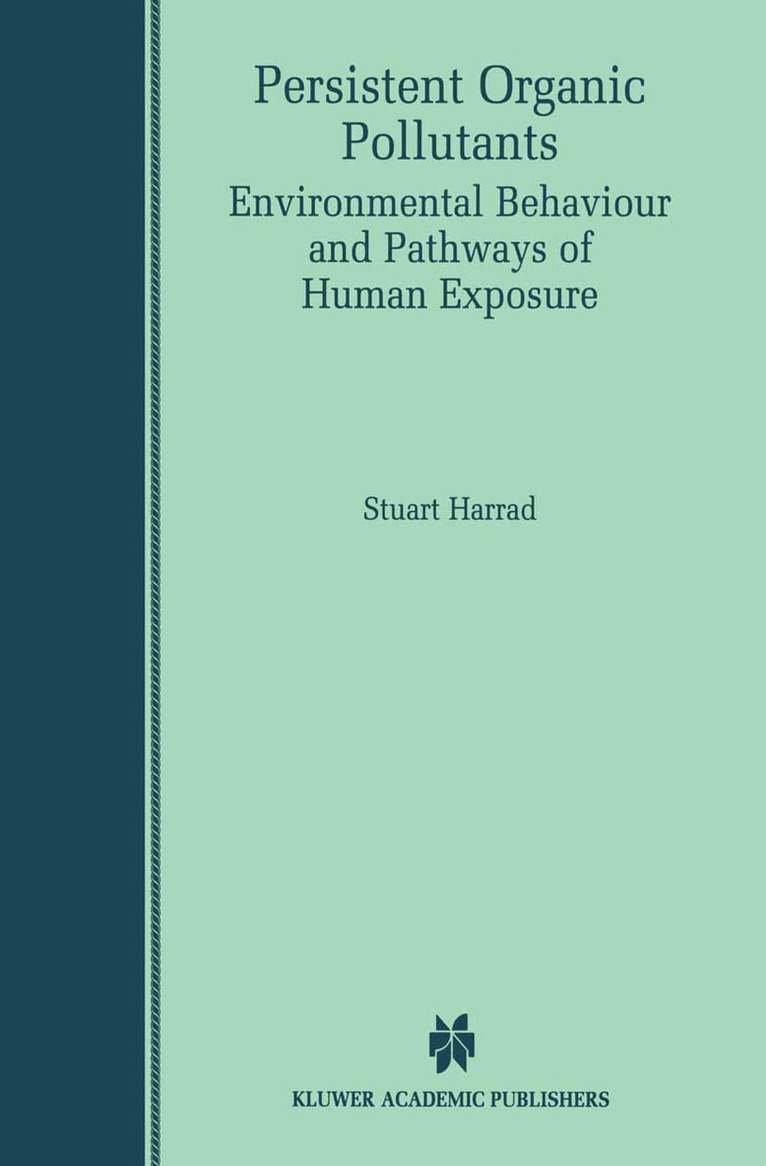
Persistent Organic Pollutants
Environmental Behaviour and Pathways of Human Exposure
Inbunden, 2000
1098 kr
Lägg i varukorg
Persistent Organic Pollutants (POPs) continue to be the subject of concern amongst the public, as well as the scientific and policy-making communities. These concerns are exemplified by the international efforts co-ordinated by the United Nations' Environment Programme and the Economic Commission …
Persistent Organic Pollutants
Inbunden, 2009
2085 kr
Lägg i varukorg
Persistent Organic Pollutants (POPs) are toxic, resistant to degradation, bioaccumulative, and display wide spatial distribution. They accumulate in humans and wildlife, and have been linked to cancer, as well as reproductive and immunological disorders. In 2001 a global treaty on POPs was agreed, …
Persistent Organic Pollutants
Environmental Behaviour and Pathways of Human Exposure
Häftad, 2012
1098 kr
Lägg i varukorg
Persistent Organic Pollutants (POPs) continue to be the subject of concern amongst the public, as well as the scientific and policy-making communities. These concerns are exemplified by the international efforts co-ordinated by the United Nations' Environment Programme and the +Economic Commission …
Persistent Organic Pollutants
Environmental Behaviour and Pathways of Human Exposure
E-bok, 2012
1459 kr
Lägg i varukorg
Persistent Organic Pollutants (POPs) continue to be the subject of concern amongst the public, as well as the scientific and policy-making communities. These concerns are exemplified by the international efforts co-ordinated by the United Nations'' Environment Programme and the +Economic Commission …
Persistent Organic Pollutants
2009
1460 kr
Tillfälligt slut
Persistent organic pollutants (POPs) are organic compounds that remain intact in the environment for long periods, become widely distributed geographically, accumulate in the fatty tissue of living organisms and are toxic to humans and wildlife. The Stockholm Convention on POPs is a global treaty …