Suresh D. Sharma – författare
Visar alla böcker från författaren Suresh D. Sharma. Handla med fri frakt och snabb leverans.
4 produkter
4 produkter
Häftad, Engelska, 2019
545 kr
Skickas inom 10-15 vardagar
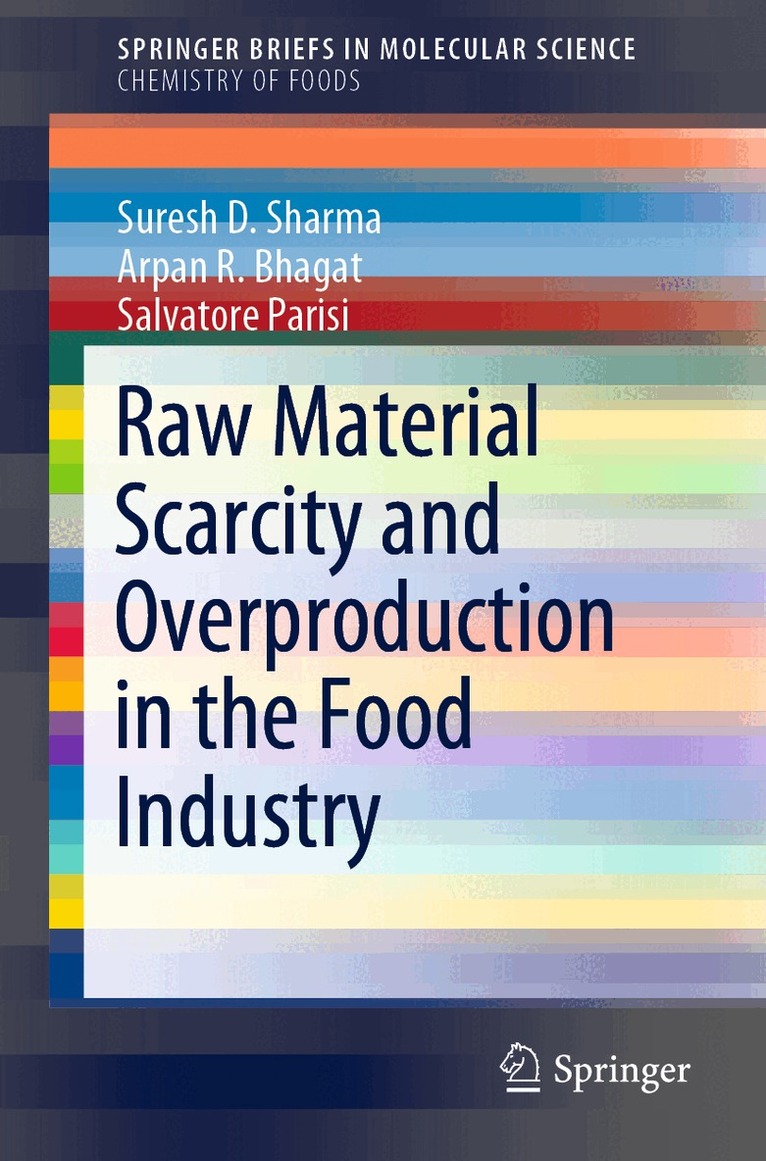
This book describes the consequences of an increased demand for food for human consumption for the global food industry. In four concise chapters, the authors explore the trend for the overproduction of food, the concomitant diminution of raw materials and the increase in environmental concerns. Chapter one describes the variations in biochemical properties of fishmeal depending on the season and geographical location. Chapter two discusses how the expansion of cropland and pastures to meet the rising demand for food is damaging the environment, while chapter three examines the impact of bee viruses on food crops and production. Lastly, the fourth chapter addresses the issue of food adulteration and provides specific examples of fraud in the American dairy industry. This book is of interest to researchers working in the area of food production in academia and industry, as well as certification and scientific bodies involved in food inspection.
E-bok
Engelska, 2019712 kr
Läs direkt efter köp
This book describes the consequences of an increased demand for food for human consumption for the global food industry. In four concise chapters, the authors explore the trend for the overproduction of food, the concomitant diminution of raw materials and the increase in environmental concerns. Chapter one describes the variations in biochemical properties of fishmeal depending on the season and geographical location. Chapter two discusses how the expansion of cropland and pastures to meet the rising demand for food is damaging the environment, while chapter three examines the impact of bee viruses on food crops and production. Lastly, the fourth chapter addresses the issue of food adulteration and provides specific examples of fraud in the American dairy industry. This book is of interest to researchers working in the area of food production in academia and industry, as well as certification and scientific bodies involved in food inspection.
Häftad, Engelska, 2019
617 kr
Skickas inom 10-15 vardagar
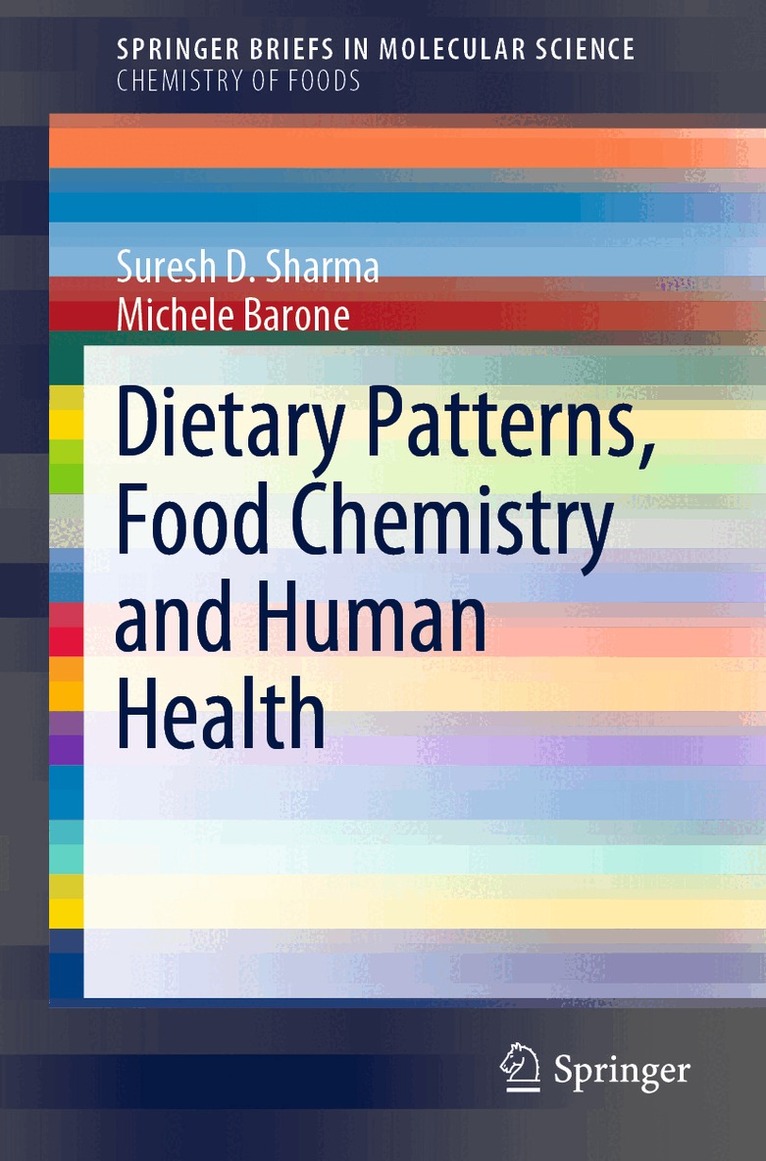
This brief discusses the influence of modern food production on dietary patterns and chronic diseases. In four concise chapters the authors explore different aspects of this topical issue. Chapter one highlights the importance of advanced glycation end products in food and describes how high levels of these complex molecules can lead to an increase in chronic diseases. Chapter two addresses the role of carbohydrates in inexpensive and tasty foods, while chapter three outlines how vegetable fats, notably palm oil, are used in selected industrial foods and explores their relation to hyper-palatability and other health issues. Lastly, the fourth chapter discusses the increasing demand for high-protein foods and the concomitant availability of vegan products. This brief is of interest to researchers in food production, food hygiene and public health, but is also relevant for certification bodies and specialists in the food industry.
E-bok
Engelska, 2019815 kr
Läs direkt efter köp
This brief discusses the influence of modern food production on dietary patterns and chronic diseases. In four concise chapters the authors explore different aspects of this topical issue. Chapter one highlights the importance of advanced glycation end products in food and describes how high levels of these complex molecules can lead to an increase in chronic diseases. Chapter two addresses the role of carbohydrates in inexpensive and tasty foods, while chapter three outlines how vegetable fats, notably palm oil, are used in selected industrial foods and explores their relation to hyper-palatability and other health issues. Lastly, the fourth chapter discusses the increasing demand for high-protein foods and the concomitant availability of vegan products. This brief is of interest to researchers in food production, food hygiene and public health, but is also relevant for certification bodies and specialists in the food industry.