Susan Schroeder – författare
Visar alla böcker från författaren Susan Schroeder. Handla med fri frakt och snabb leverans.
13 produkter
13 produkter
Häftad, Engelska, 1998
275 kr
Skickas inom 10-15 vardagar
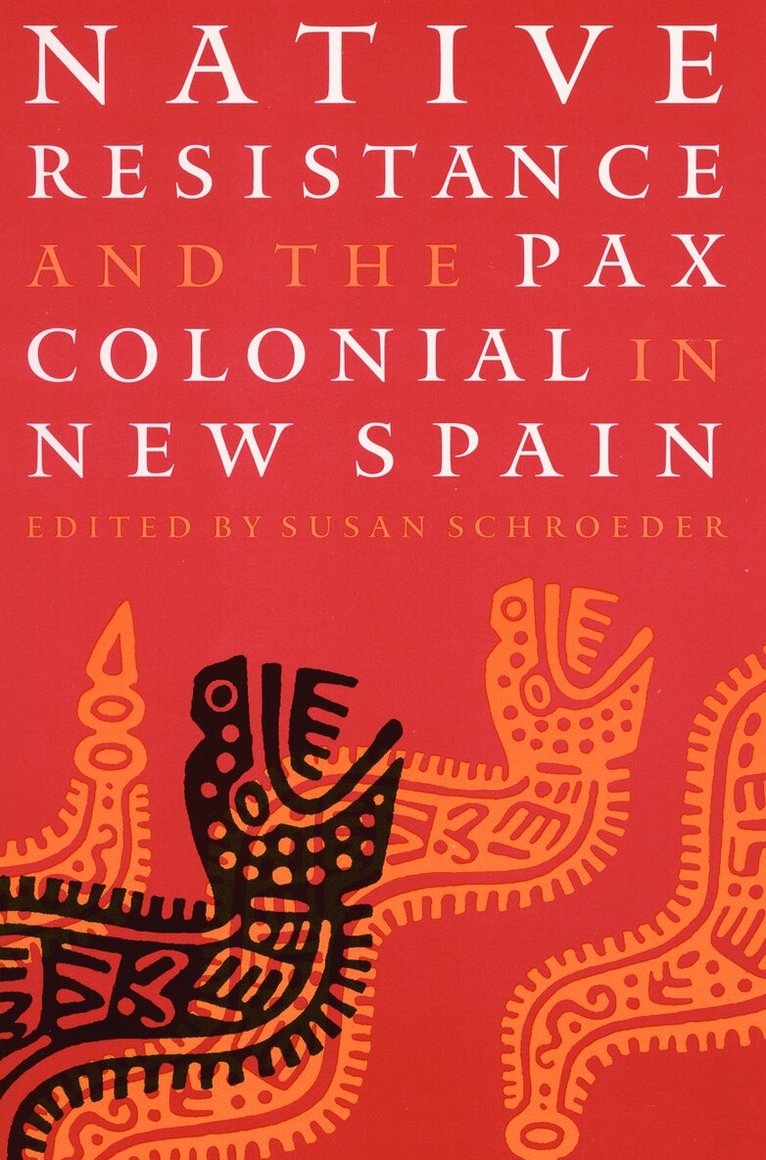
Ethnic rebellions continually disrupted the Pax Colonial, Spain's three-hundred-year rule over the Native peoples of Mexico. Although these uprisings varied considerably in cause, duration, consequences, and scale, they collectively served as a constant source of worry for the Spanish authorities. This meticulously researched volume provides both a valuable overview of Native uprisings in New Spain and a stimulating reevaluation of their significance.Running counter to the prevailing scholarly tendency to emphasize similarities among ethnic revolts, the seven contributors examine episodes of rebellion that are distinguished by their ethnic, geographical, and historical diversity, ranging culturally and geographically across colonial New Spain and spanning the last two centuries of Spanish rule. Unparalleled access to colonial archival sources also enables the writers to more fully consider indigenous perspectives on resistance and explore in greater detail than before the precipitating factors and effects of different forms of protest. A provocative concluding essay balances this line of inquiry by investigating how a shared cultural disposition toward violence in colonial New Spain contributed to the atmosphere of ethnic tension and rebellion.
Inbunden, Engelska, 2006
908 kr
Skickas inom 10-15 vardagar
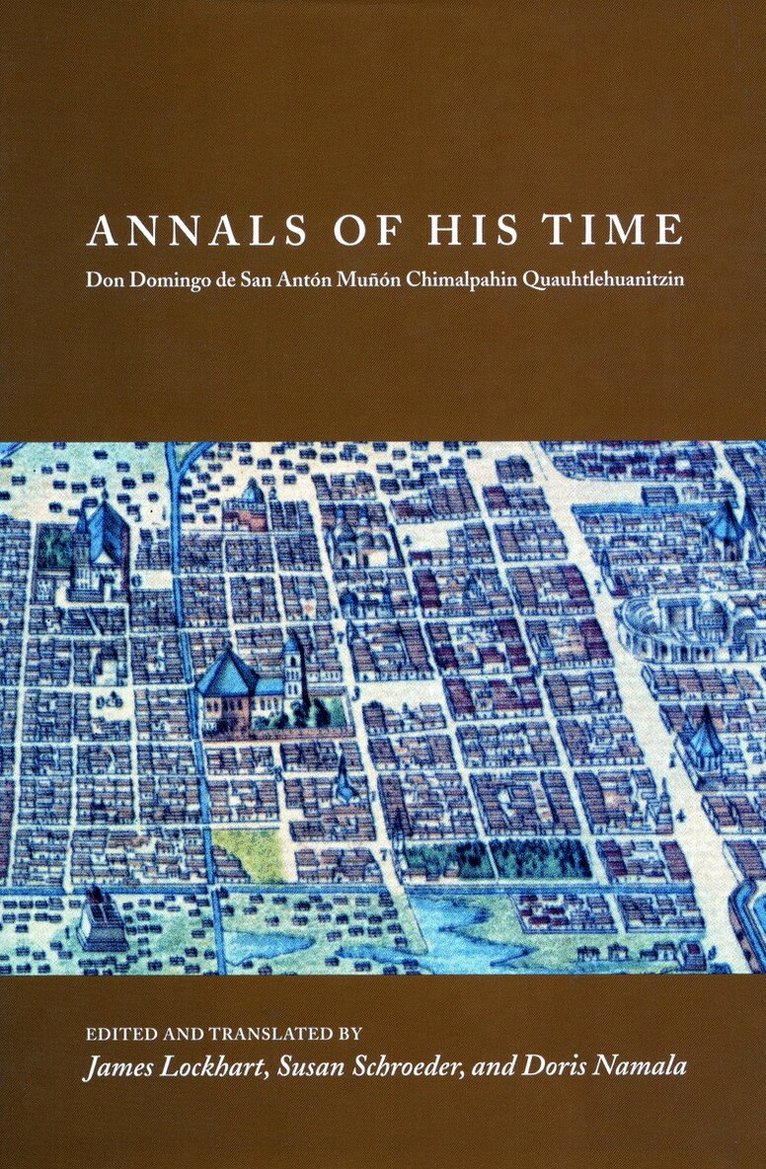
Among the native-language documents written by the Nahuas of central Mexico after Spanish contact, the annals genre gave them the freest rein in expressing themselves. The premier practitioner of the Nahuatl annals form was a writer of the early seventeenth century now known as Chimalpahin. Until recently, attention went primarily to his writings about precontact events.Now Chimalpahin's equally important writings about his own time have begun to come to the fore; the present volume is the first English edition of Chimalpahin's largest work, written during the first two decades of the seventeenth century. The great immediate value of the material is that it shows the Mexico City of the author's time, both Spanish and indigenous, as a cultured Nahua viewed it, and reveals the Nahuatl social and cultural vocabulary of that era. Among entries reporting run-of-the-mill events, the annals contain much color and humanity.The edition features a faithful transcription and a very readable translation. The apparatus includes telling new analysis of both language and content.
Inbunden, Engelska, 2010
852 kr
Skickas inom 10-15 vardagar
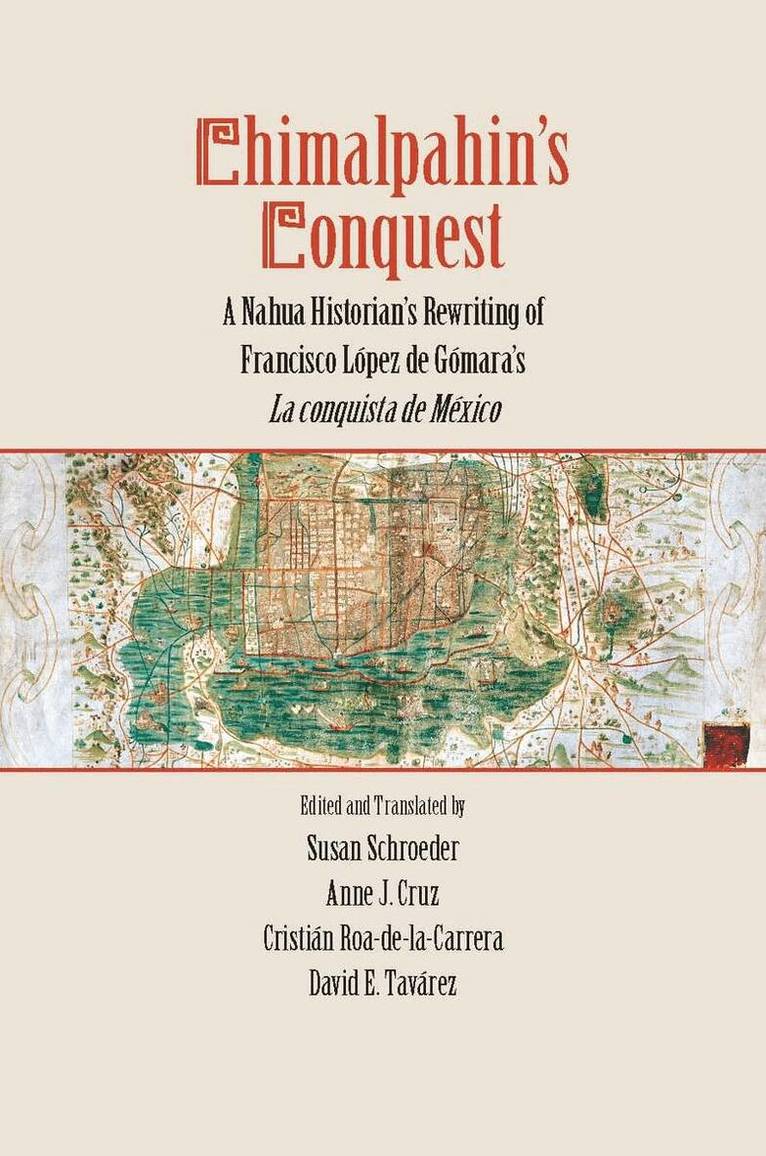
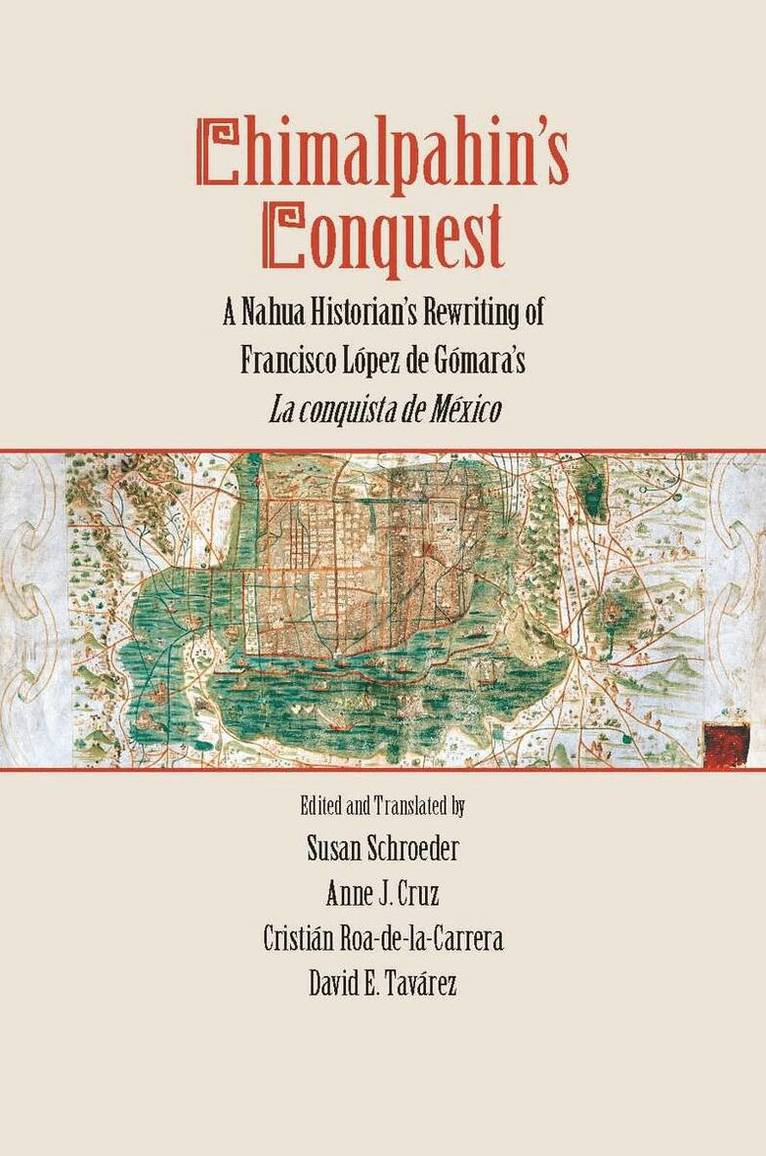
This volume presents the story of Hernando Cortés's conquest of Mexico, as recounted by a contemporary Spanish historian and edited by Mexico's premier Nahua historian. Francisco López de Gómara's monumental Historia de las Indias y Conquista de México was published in 1552 to instant success. Despite being banned from the Americas by Prince Philip of Spain, La conquista fell into the hands of the seventeenth-century Nahua historian Chimalpahin, who took it upon himself to make a copy of the tome. As he copied, Chimalpahin rewrote large sections of La conquista, adding information about Emperor Moctezuma and other key indigenous people who participated in those first encounters. Chialpahin's Conquest is thus not only the first complete modern English translation of López de Gómara's La conquista, an invaluable source in itself of information about the conquest and native peoples; it also adds Chimalpahin's unique perspective of Nahua culture to what has traditionally been a very Hispanic portrayal of the conquest.
Häftad, Engelska, 1999
275 kr
Skickas inom 10-15 vardagar
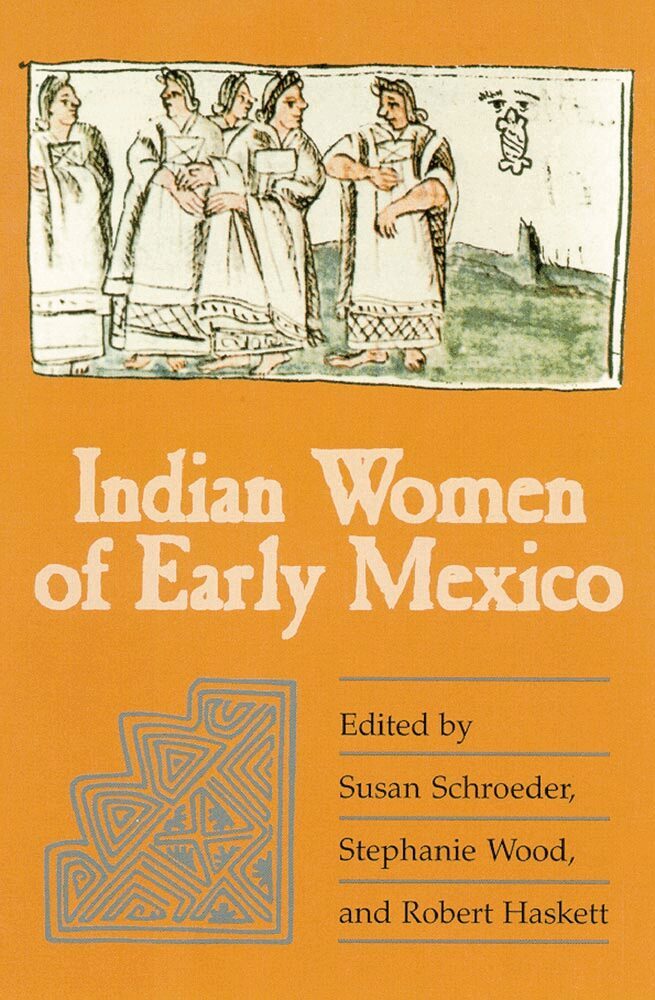
This volume counters the stereotype that Indian women are without history. Neither silent nor invisible, women of early Mexico were active participants in society and critically influenced the direction history would take. This collection of essays by leading scholars in Mexican ethnohistory, edited by Susan Schroeder, Stephanie Wood, and Robert Haskett, examines the life experiences of Indian women in preconquest and colonial Mexico.
Inbunden, Engelska, 2016
385 kr
Skickas inom 10-15 vardagar
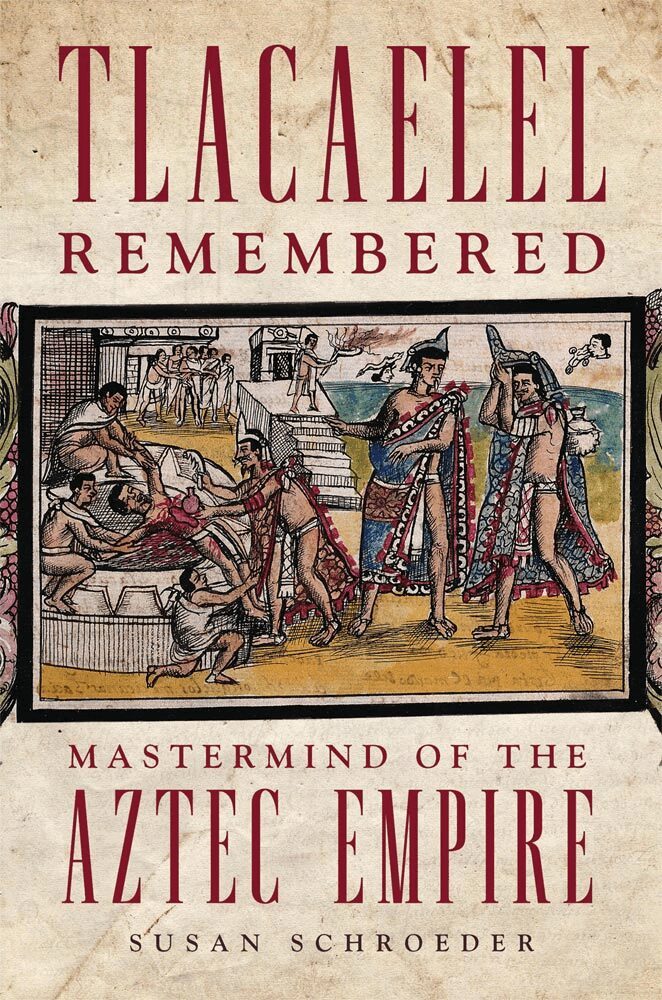
The enigmatic and powerful Tlacaelel (1398-1487), wrote annalist Chimalpahin, was ""the beginning and origin"" of the Mexica monarchy in fifteenth-century Mesoamerica. Brother of the first Moteuczoma, Tlacaelel would become ""the most powerful, feared, and esteemed man of all that the world had seen up to that time."" But this outsize figure of Aztec history has also long been shrouded in mystery. In Tlacaelel Remembered, the first biography of the Mexica nobleman, Susan Schroeder searches out the truth about his life and legacy.A century after Tlacaelel's death, in the wake of the conquistadors, Spaniards and natives recorded the customs, histories, and language of the Nahua, or Aztec, people. Three of these chroniclers - fray Diego Durán, don Hernando Alvarado Tezozomoc, and especially don Domingo de San Antón Muñón Chimalpahin Quauhtlehuanitzin - wrote of Tlacaelel. But the inaccessibility of Chimalpahin's annals has meant that for centuries of Aztec history, Tlacaelel has appeared, if at all, as a myth.Working from Chimalpahin's newly available writings and exploring connections and variances in other source materials, Schroeder draws the clearest possible portrait of Tlacaelel, revealing him as the architect of the Aztec empire's political power and its military might - a politician on par with Machiavelli. As the advisor to five Mexica rulers, Tlacaelel shaped the organization of the Mexica state and broadened the reach of its empire - feats typically accomplished with the spread of warfare, human sacrifice, and cannibalism. In the annals, he is considered the ""second king"" to the rulers who built the empire, and is given the title ""Cihuacoatl,"" used for the office of president and judge.As Schroeder traces Tlacaelel through the annals, she also examines how his story was transmitted and transformed in later histories. The resulting work is the most complete and comprehensive account ever given of this significant figure in Mesoamerican history.
Häftad, Engelska, 2023
246 kr
Skickas inom 10-15 vardagar
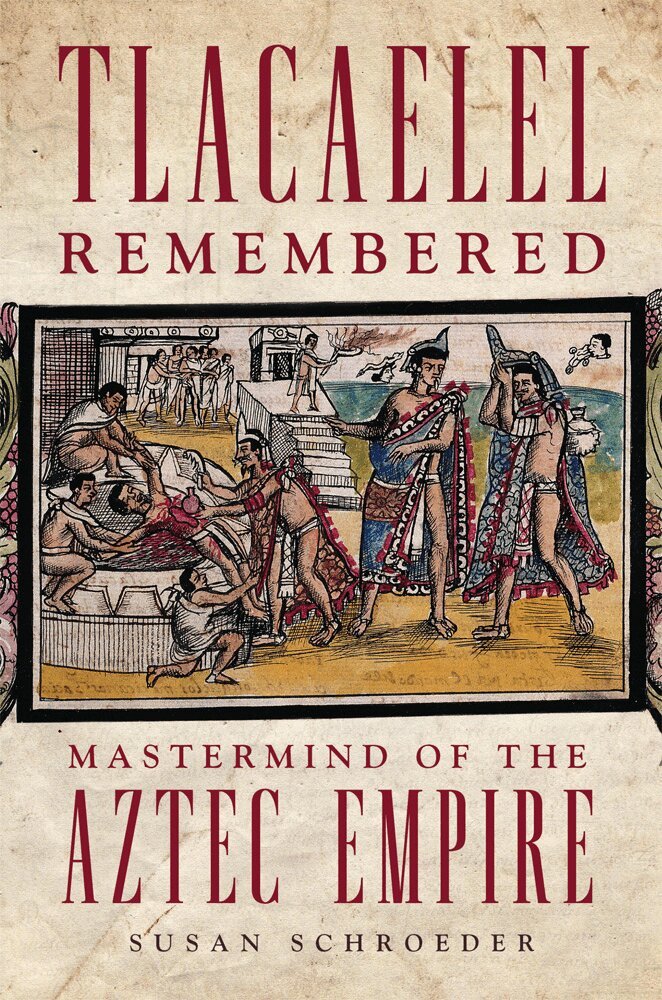
The enigmatic and powerful Tlacaelel (1398–1487), wrote annalist Chimalpahin, was “the beginning and origin” of the Mexica monarchy in fifteenth-century Mesoamerica. Brother of the first Moteuczoma, Tlacaelel would become “the most powerful, feared, and esteemed man of all that the world had seen up to that time.” But this outsize figure of Aztec history has also long been shrouded in mystery. In Tlacaelel Remembered, the first biography of the Mexica nobleman, Susan Schroeder searches out the truth about his life and legacy.A century after Tlacaelel’s death, in the wake of the conquistadors, Spaniards and natives recorded the customs, histories, and language of the Nahua, or Aztec, people. Three of these chroniclers—fray Diego DurÁn, don Hernando Alvarado Tezozomoc, and especially don Domingo de San AntÓn MuÑÓn Chimalpahin Quauhtlehuanitzin—wrote of Tlacaelel. But the inaccessibility of Chimalpahin’s annals has meant that for centuries of Aztec history, Tlacaelel has appeared, if at all, as a myth.Working from Chimalpahin’s newly available writings and exploring connections and variances in other source materials, Schroeder draws the clearest possible portrait of Tlacaelel, revealing him as the architect of the Aztec empire’s political power and its military might—a politician on par with Machiavelli. As the advisor to five Mexica rulers, Tlacaelel shaped the organization of the Mexica state and broadened the reach of its empire—feats typically accomplished with the spread of warfare, human sacrifice, and cannibalism. In the annals, he is considered the “second king” to the rulers who built the empire, and is given the title “Cihuacoatl,” used for the office of president and judge.As Schroeder traces Tlacaelel through the annals, she also examines how his story was transmitted and transformed in later histories. The resulting work is the most complete and comprehensive account ever given of this significant figure in Mesoamerican history.
Häftad, Engelska, 2015
648 kr
Skickas inom 3-6 vardagar
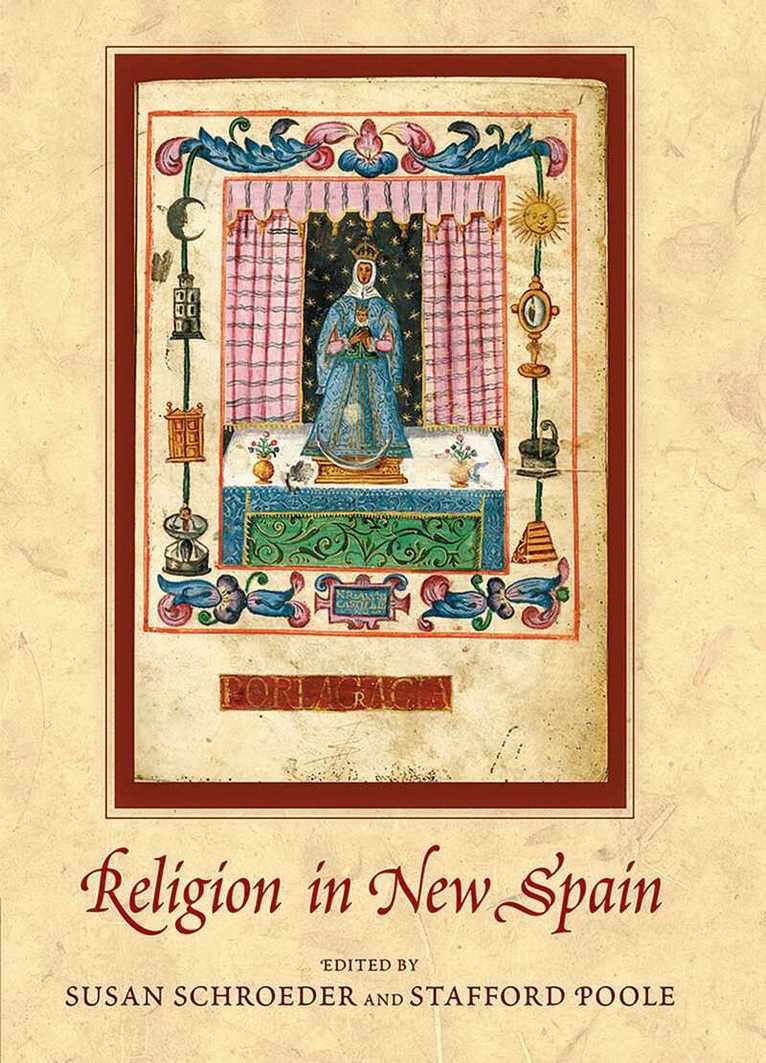
Religion in New Spain presents an overview of the history of colonial religious culture and encompasses aspects of religion in the many regions of New Spain. The contributors reveal that Spanish conquest was not the end-all of indigenous culture and that the Virgin of Guadalupe was a myth-in-the-making by locals as well as foreigners. Furthermore, nuns and priests had real lives and the institutional colonial church was seldom if ever immune to political or economic influence.The essays, while varying in subject and content, validate the sheer pervasiveness and importance of religion in colonial Latin America while reiterating its many manifestations. We can now better understand how it was particularized by individuals, groups, and institutions because of the rich, remarkable histories found in this collection.
Häftad, Engelska, 2008
229 kr
Skickas inom 5-8 vardagar
Inbunden, Engelska, 2010
1 801 kr
Skickas inom 5-8 vardagar
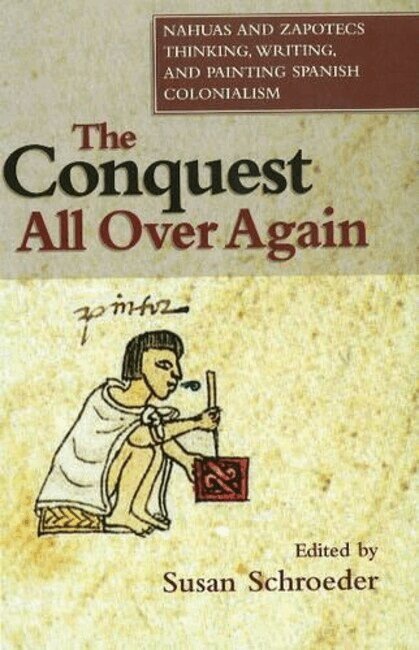
The Spaniards typically portrayed the conquest and fall of Mexico Tenochtitlan as Armageddon, while native peoples in colonial Mesoamerica continued to write and paint their histories and lives often without any mention of the foreigners in their midst. Their accounts took the form of annals, chronicles, religious treatises, tribute accounts, theatre pieces, and wills. Thousand of documents were produced, almost all of which served to preserve indigenous ways of doing things. But what provoked record keeping on such a grand scale? At what point did pre-contact sacred writing become utilitarian and quotidian? Were their texts documentaries, a form of boosterism, even ingenious intellectualism, or were they ultimately a literature of ruin? This volume seeks to address key aspects of indigenous perspectives of the conquest and Spanish colonialism by examining what they themselves recorded and why they did so.
Häftad, Engelska, 2011
530 kr
Skickas inom 5-8 vardagar
The Spaniards typically portrayed the conquest and fall of Mexico Tenochtitlan as Armageddon, while native peoples in colonial Mesoamerica continued to write and paint their histories and lives often without any mention of the foreigners in their midst. Their accounts took the form of annals, chronicles, religious treatises, tribute accounts, theatre pieces, and wills. Thousand of documents were produced, almost all of which served to preserve indigenous ways of doing things. But what provoked record keeping on such a grand scale? At what point did pre-contact sacred writing become utilitarian and quotidian? Were their texts documentaries, a form of boosterism, even ingenious intellectualism, or were they ultimately a literature of ruin? This volume seeks to address key aspects of indigenous perspectives of the conquest and Spanish colonialism by examining what they themselves recorded and why they did so.
Häftad, Tyska, 2013
352 kr
Skickas inom 3-6 vardagar
352 kr
Skickas inom 3-6 vardagar
Häftad, Tyska, 2020
153 kr
Skickas inom 3-6 vardagar