Tanja Skambraks – författare
Visar alla böcker från författaren Tanja Skambraks. Handla med fri frakt och snabb leverans.
14 produkter
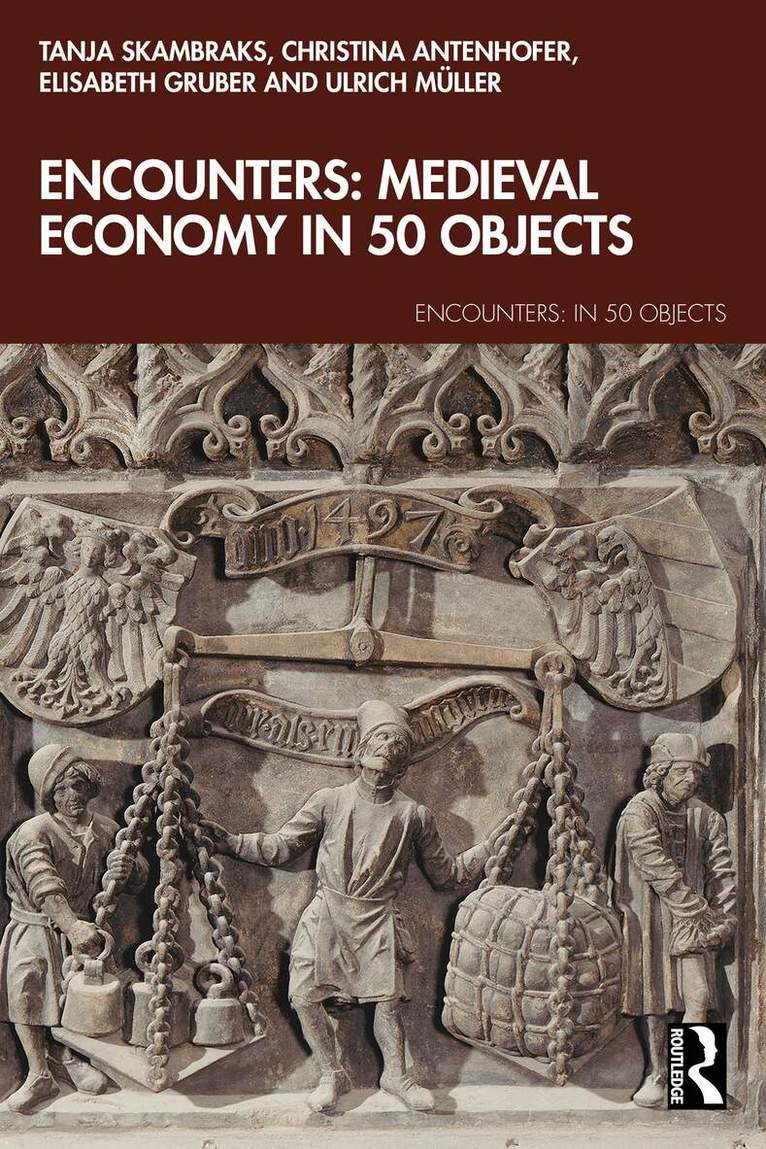
Encounters: Medieval Economy in 50 Objects
Av Tanja Skambraks, Christina Antenhofer m. fl.
Inbunden, 2026
2588 kr
Lägg i varukorg
Exploring medieval economy through its artifacts, this book presents 50 object biographies that illuminate daily life, economic ethics, production, trade, and finance, offering a tangible perspective on the systems of the long medieval period.Combining the expertise of three historians and an …
Encounters: Medieval Economy in 50 Objects
Av Tanja Skambraks, Christina Antenhofer m. fl.
Häftad, 2026
667 kr
Lägg i varukorg
Exploring medieval economy through its artifacts, this book presents 50 object biographies that illuminate daily life, economic ethics, production, trade, and finance, offering a tangible perspective on the systems of the long medieval period.Combining the expertise of three historians and an …
Encounters: Medieval Economy in 50 Objects
Av Elisabeth Gruber, Ulrich Muller m. fl.
E-bok, 2026
785 kr
Lägg i varukorg
Exploring medieval economy through its artifacts, this book presents 50 object biographies that illuminate daily life, economic ethics, production, trade, and finance, offering a tangible perspective on the systems of the long medieval period.Combining the expertise of three historians and an …
Encounters: Medieval Economy in 50 Objects
Av Elisabeth Gruber, Ulrich Muller m. fl.
E-bok, 2026
785 kr
Lägg i varukorg
Exploring medieval economy through its artifacts, this book presents 50 object biographies that illuminate daily life, economic ethics, production, trade, and finance, offering a tangible perspective on the systems of the long medieval period.Combining the expertise of three historians and an …
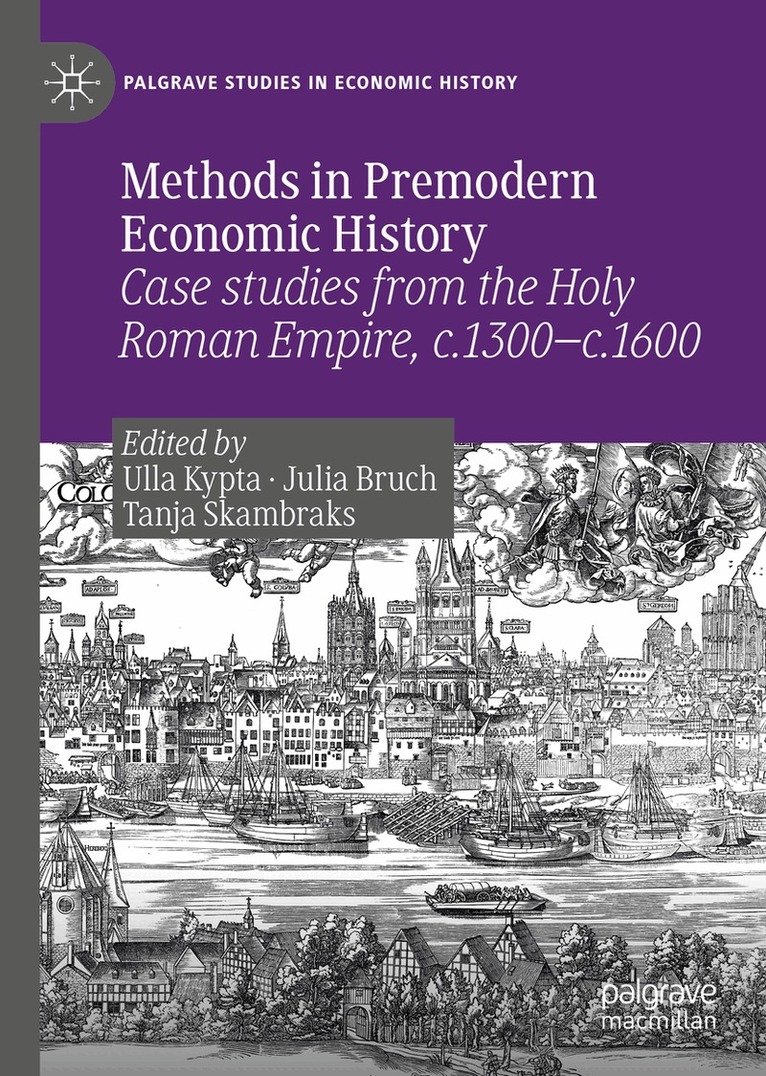
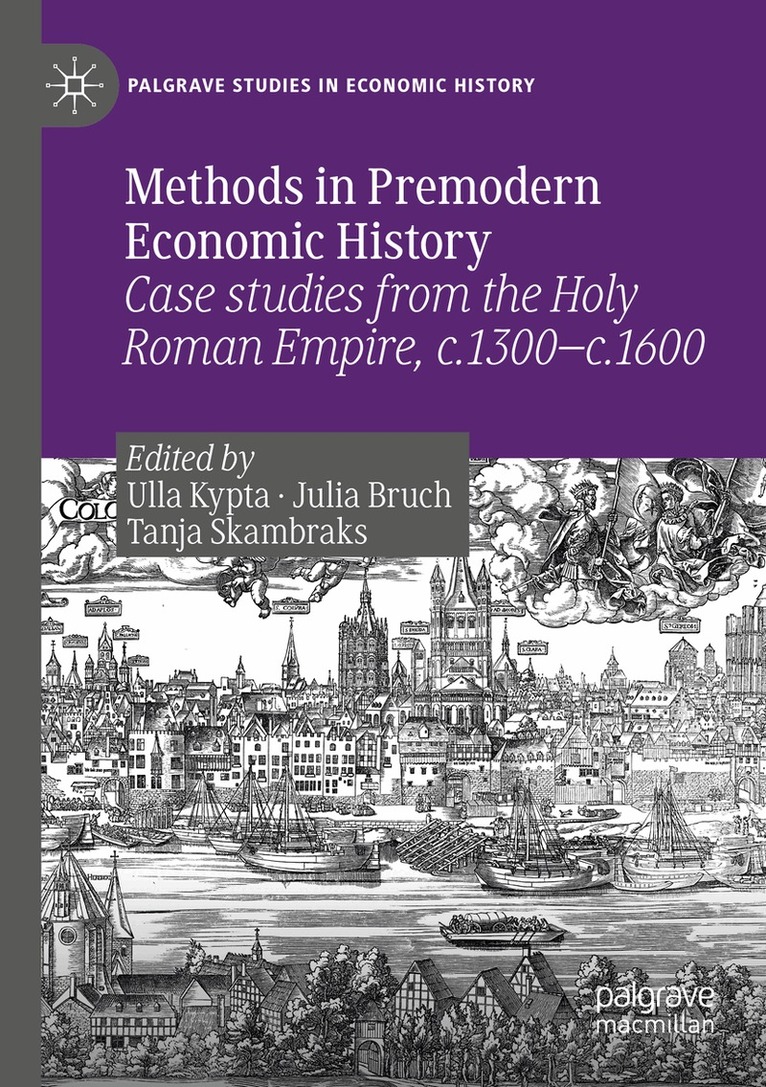
Methods in Premodern Economic History
Case studies from the Holy Roman Empire, c.1300-c.1600
Av Ulla Kypta, Julia Bruch m. fl.
Inbunden, 2019
1805 kr
Lägg i varukorg
This edited collection demonstrates how economic history can be analysed using both quantitative and qualitative methods, connecting statistical research with the social, cultural and psychological aspects of history. With their focus on the time between the end of the commercial revolution and the …
Methods in Premodern Economic History
Case studies from the Holy Roman Empire, c.1300-c.1600
Av Tanja Skambraks, Julia Bruch m. fl.
E-bok, 2019
2341 kr
Lägg i varukorg
This edited collection demonstrates how economic history can be analysed using both quantitative and qualitative methods, connecting statistical research with the social, cultural and psychological aspects of history. With their focus on the time between the end of the commercial revolution and the …
Methods in Premodern Economic History
Case studies from the Holy Roman Empire, c.1300-c.1600
Av Ulla Kypta, Julia Bruch m. fl.
Häftad, 2020
1805 kr
Lägg i varukorg
This edited collection demonstrates how economic history can be analysed using both quantitative and qualitative methods, connecting statistical research with the social, cultural and psychological aspects of history. With their focus on the time between the end of the commercial revolution and the …
Reassessing the Moral Economy
Religion and Economic Ethics from Ancient Greece to the 20th Century
Av Tanja Skambraks, Martin Lutz
Inbunden, 2023
1971 kr
Lägg i varukorg
This book examines the concept of moral economy originally established by E.P. Thompson, focusing on the impact of religious norms on economic practice. With each chapter discussing a different empirical case study, the interrelations of the economy and religion are explored from antiquity through …
Reassessing the Moral Economy
Religion and Economic Ethics from Ancient Greece to the 20th Century
Av Martin Lutz, Tanja Skambraks
E-bok, 2023
2677 kr
Lägg i varukorg
This book examines the concept of moral economy originally established by E.P. Thompson, focusing on the impact of religious norms on economic practice. With each chapter discussing a different empirical case study, the interrelations of the economy and religion are explored from antiquity through …
Reassessing the Moral Economy
Religion and Economic Ethics from Ancient Greece to the 20th Century
Av Tanja Skambraks, Martin Lutz
Häftad, 2024
1971 kr
Lägg i varukorg
This book examines the concept of moral economy originally established by E.P. Thompson, focusing on the impact of religious norms on economic practice. With each chapter discussing a different empirical case study, the interrelations of the economy and religion are explored from antiquity through …
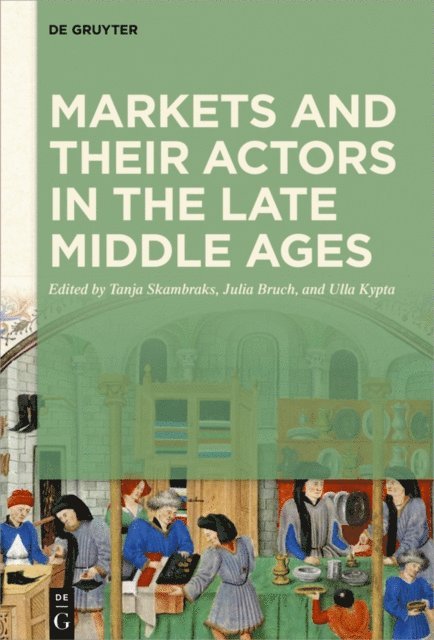
Markets and their Actors in the Late Middle Ages
Av Ulla Kypta, Julia Bruch m. fl.
E-bok, 2020
1271 kr
Lägg i varukorg
Markets feature prominently in recent research of premodern historians as well as economists. Discussions cover the questions, for example, how a market can be grasp as a place, an event or a mechanism of exchange, or whether premodern economies have just hosted markets or if some of them can even …
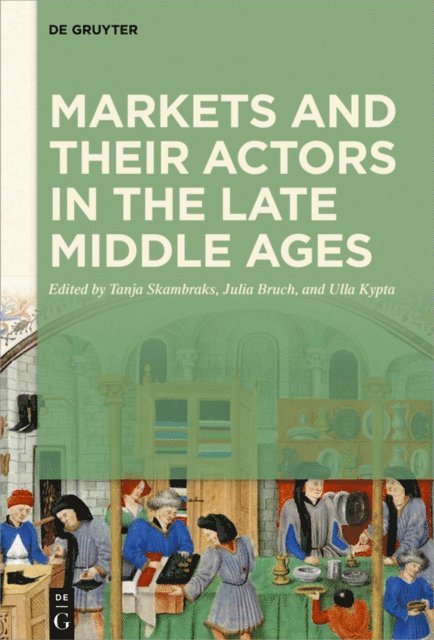
Markets and their Actors in the Late Middle Ages
Av Ulla Kypta, Julia Bruch m. fl.
E-bok, 2020
1243 kr
Lägg i varukorg
Markets feature prominently in recent research of premodern historians as well as economists. Discussions cover the questions, for example, how a market can be grasp as a place, an event or a mechanism of exchange, or whether premodern economies have just hosted markets or if some of them can even …
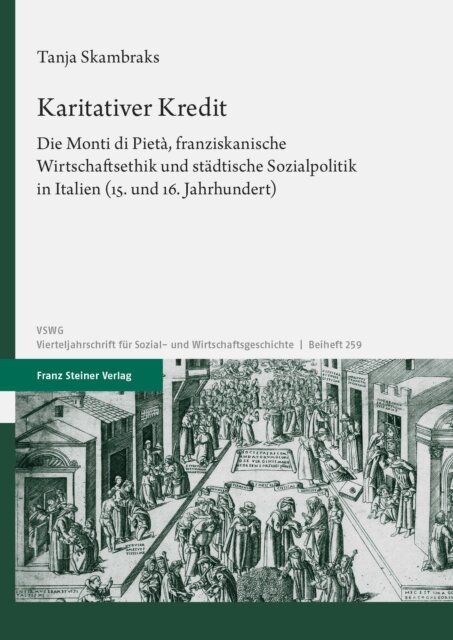
Karitativer Kredit
Die Monti di Pietà, franziskanische Wirtschaftsethik und städtische Sozialpolitik in Italien (15. und 16. Jahrhundert)
E-bok, 2023
826 kr
Lägg i varukorg
Mikrokredite sind keine Erfindung der Moderne. Sie gehörten bereits im Mittelalter zu den Instrumenten der erfolgreichen Armutsbekämpfung. Die Kreditwirtschaft basierte damals auf einer christlichen Wirtschaftsethik, vor allem auf den Ideen Nächstenliebe und Gemeinwohl. Inspiriert durch diese Ethik …
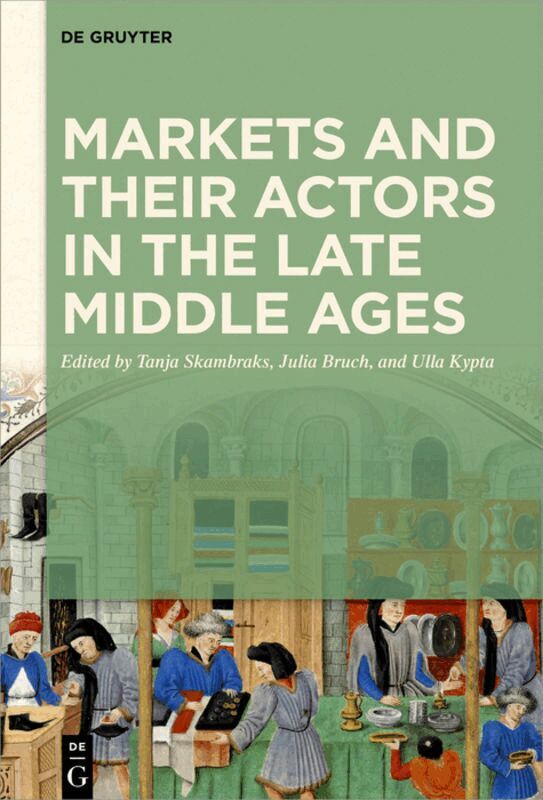
Markets and their Actors in the Late Middle Ages
Av Tanja Skambraks, Julia Bruch m. fl.
Inbunden, 2020
1450 kr
Tillfälligt slut
Markets feature prominently in recent research of premodern historians as well as economists. Discussions cover the questions, for example, how a market can be grasp as a place, an event or a mechanism of exchange, or whether premodern economies have just hosted markets or if some of them can even …