Thomas Michl – författare
2 321 kr
Skickas inom 10-15 vardagar
941 kr
Läs direkt efter köp
This volume brings together papers inspired by the work of Duncan Foley, an extraordinarily productive economist who has made seminal contributions to a wide variety of areas. Foley’s work cannot be easily classified, but one thread that runs through it is a critical examination (along both ethical and analytical lines) of conventional neoclassical economic theory, particularly involving general equilibrium theories of value and money. Foley was a pioneer of complexity economics as well, which adopts approaches to these questions drawn from natural sciences, so the collection therefore has an interdisciplinary quality that will interest a wide variety of readers.
Some of the chapters are intellectual biographies that contextualize and identify Foley’s contributions to Keynesian macroeconomics, Marxian value theory, and complexity theory in economics. The topics covered include the economics of complexity; the ethics of general equilibrium theory; the economics of climate change; applications of Keynesian, Marxian and Ricardian political economy; and money and financial crises.
The collection should be useful to scholars who work in various economic traditions critical of the currently dominant free-market approach, but it also speaks to scholars of critical theory in various disciplines beyond economics such as the mathematicians, physicists, and other natural scientists who are interested in understanding the complexity of social processes using their analytical frameworks. This book should also appeal to graduate students in economics who are working in these traditions, as well as scholars (including current graduate students in orthodox programs) who are dissatisfied with the current state of economic theory and would like to satisfy their intellectual curiosity by sampling the contributions of critical theorists.
941 kr
Läs direkt efter köp
This volume brings together papers inspired by the work of Duncan Foley, an extraordinarily productive economist who has made seminal contributions to a wide variety of areas. Foley’s work cannot be easily classified, but one thread that runs through it is a critical examination (along both ethical and analytical lines) of conventional neoclassical economic theory, particularly involving general equilibrium theories of value and money. Foley was a pioneer of complexity economics as well, which adopts approaches to these questions drawn from natural sciences, so the collection therefore has an interdisciplinary quality that will interest a wide variety of readers.
Some of the chapters are intellectual biographies that contextualize and identify Foley’s contributions to Keynesian macroeconomics, Marxian value theory, and complexity theory in economics. The topics covered include the economics of complexity; the ethics of general equilibrium theory; the economics of climate change; applications of Keynesian, Marxian and Ricardian political economy; and money and financial crises.
The collection should be useful to scholars who work in various economic traditions critical of the currently dominant free-market approach, but it also speaks to scholars of critical theory in various disciplines beyond economics such as the mathematicians, physicists, and other natural scientists who are interested in understanding the complexity of social processes using their analytical frameworks. This book should also appeal to graduate students in economics who are working in these traditions, as well as scholars (including current graduate students in orthodox programs) who are dissatisfied with the current state of economic theory and would like to satisfy their intellectual curiosity by sampling the contributions of critical theorists.
820 kr
Skickas inom 10-15 vardagar
506 kr
Skickas inom 3-6 vardagar
753 kr
Skickas inom 10-15 vardagar
794 kr
Läs direkt efter köp
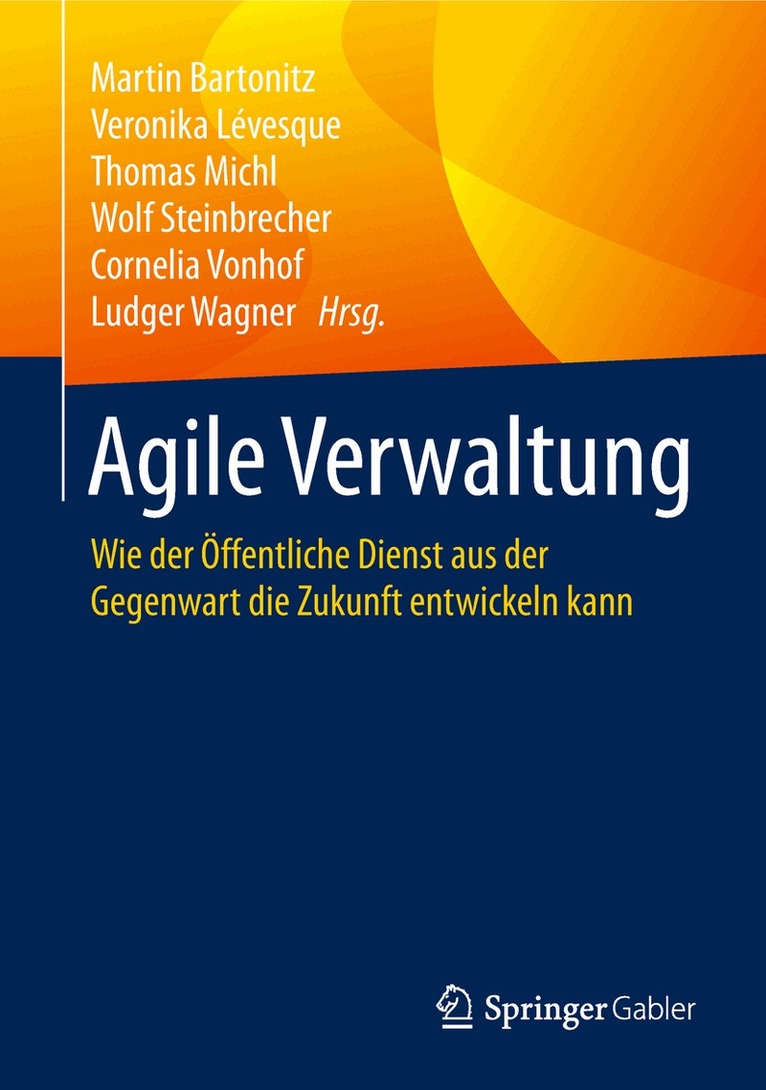
Der Begriff „agil“ erobert seit einigen Jahren ganz unterschiedliche Bereiche – von der Softwareentwicklung über das Unternehmensmanagement bis zur öffentlichen Verwaltung. Für öffentliche Institutionen und deren Verwaltungen sind sie ein Weg, sich neuen Anforderungen und ungewohnten Problemstellungen zu nähern. In dem Buch stellen die Autorinnen und Autoren agile Konzepte und Methoden im Detail vor und zeigen, wie sie in der Verwaltung öffentlicher Institutionen angewendet werden können.
Das Buch gliedert sich in drei Teile. Im ersten Teil wird erörtert, was Agilität in Bezug auf öffentliche Institutionen und ihre Verwaltung bedeutet. Aufbauend auf diesen grundsätzlichen Fragen führt der zweite Teil die Leser durch die Vielfalt der Methoden: vom Projektmanagement-Tool Scrum, agile Aufwandsschätzung und Retrospektiven über Teamorganisation mit Personal Kanban bis zur visuellen Methode des Storymapping – um nur einige Beispiele zu nennen. Im dritten Teil werden Fallbeispiele aus verschiedenen Bereichen der öffentlichen Verwaltung im In- und Ausland vorgestellt. Die Best-Practice-Beispiele berichten von der agilen Projektarbeit in der Bibliothek oder von der Organisationsentwicklung mit Scrum in der kirchlichen Verwaltung. Andere beschreiben Erfahrungen aus der Sozial- und Personalverwaltung und wie sich die Pflege oder das Lernen an Schulen und Hochschulen mit agilen Methoden zeitgemäß organisieren lässt.
Das Buch richtet sich an Experten und Praktiker auf dem Gebiet der öffentlichen Verwaltung, die einen kompakten Überblick zum Thema suchen und ihre fachliche Expertise erweitern wollen. Darüber hinaus ist es auch als Lehrbuch für Studierende geeignet, die eine Berufstätigkeit in der öffentlichen Verwaltung anstreben.
1 204 kr
Skickas inom 10-15 vardagar
1 152 kr
Skickas
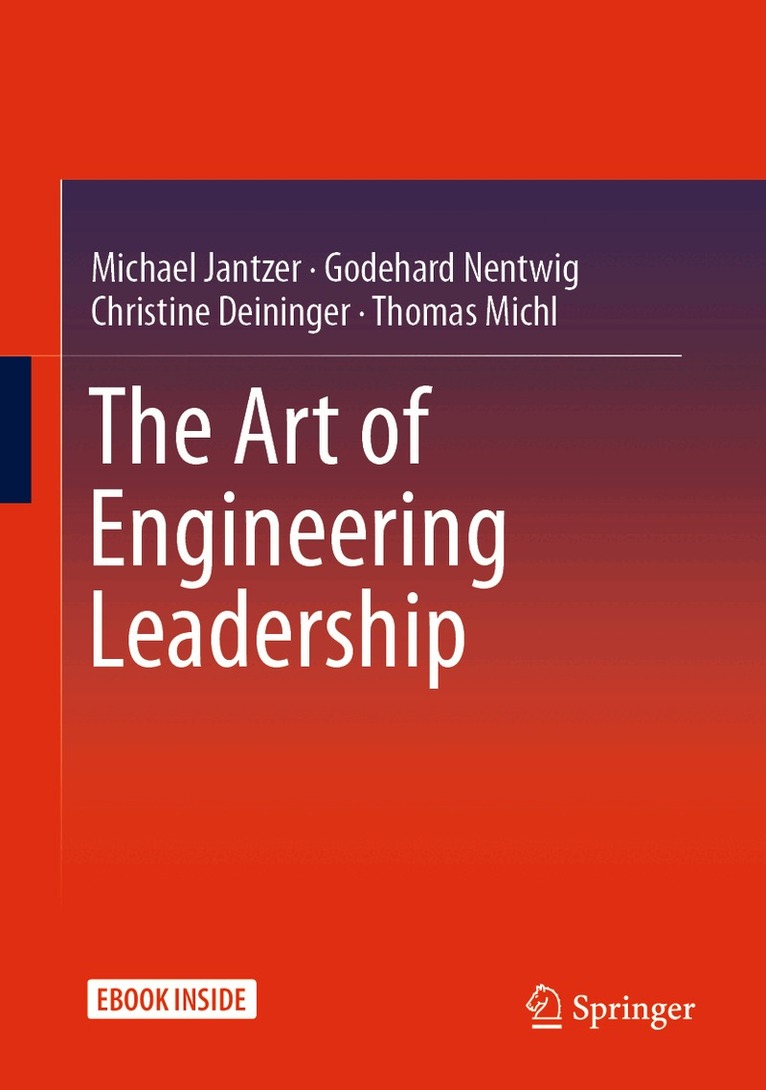
Wie lassen sich in Zeiten der Vernetzung und der wachsenden Bedeutung von Plattformökonomien Produkte und Dienstleistungen entwickeln, die Menschen begeistern? Welche Entwicklungsmethoden und Organisationsformen sind dafür erfolgversprechend? Antworten auf diese Fragen finden Führungskräfte und Entwickler in diesem Buch. Mit ihrem ganzheitlichen Ansatz nehmen die Autoren die sich wandelnden Führungsrollen in den Blick, die sich bei der Entwicklung von Produkten und Dienstleistungen ergeben: Geht es beispielsweise darum, neue Ideen oder noch unbekannte Technologien in qualitativ hochwertige Produkte zu übersetzen? Oder geht es darum, in einem internationalen Entwicklungsverbund effizient zusammenzuarbeiten? Die Vorgehensweisen und Modelle wurden in mehr als 10.000 Theorie- und Praxisworkshops mit Führungskräften im Unternehmen Bosch weltweit diskutiert und weiterentwickelt. Im Kern geht es um ein Führungsmodell, das Diskussionen ermöglicht und die Fähigkeiten zur Bewältigung technischer Fragestellungen mit denen zur Führung von Menschen verbindet.
Nach einem einführenden Kapitel zu grundlegenden Fragen wie Zweck, Werte und strategischen Zielen der Organisation werden wesentliche Elemente der Führung in der Systemgestaltung vorgestellt, darunter Requirements Engineering, Architekturgestaltung und modellbasierte Entwicklung. Die folgenden Kapitel diskutieren konkrete Vorgehensweisen und Strategien, um
- Qualitätsattribute umzusetzen,
- Risiken abzubauen,
- eine Review-Kultur einzuführen,
- Komplexität zu bewältigen
- Konflikte zu bearbeiten
- Rollen zu definieren
- Teams aufzubauen.
Die Struktur des Buchs folgt dem Prozess von Ausarbeitung und Umsetzung strategischer Ziele. Dennoch kann jedes Kapitel auch für sich gelesen werden, da es jeweils eine abgeschlossene Einheit bildet.
Dieses Buch macht die Führungsaufgabe für Entwickler verständlich, diskutierbar und erlernbar. Damit hilft es Führungskräften, den Wandel im eigenen Arbeitsfeld zu gestalten oder in eine neue Rolle hineinzuwachsen.
1 287 kr
Skickas inom 10-15 vardagar
1 078 kr
Läs direkt efter köp
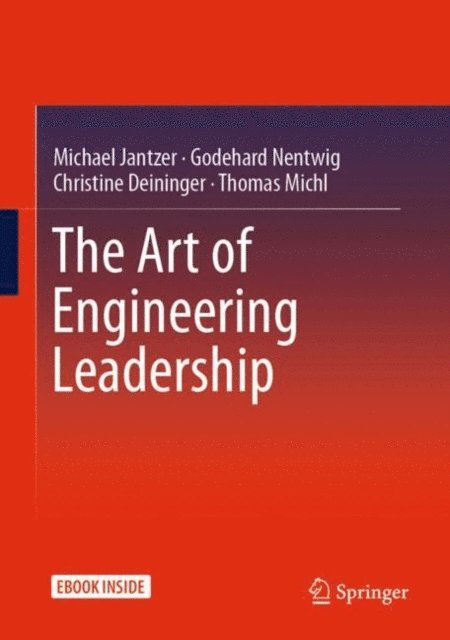
In times of networking and the growing importance of platform economies, how can products and services be developed that inspire people? Which development methods and organisational forms are promising for this? Leaders and developers will find answers to these questions in this book. With their holistic approach, the authors look at the changing leadership roles that arise in the development of products and services: Is it, for example, about translating new ideas or unknown technologies into high-quality products? Or is it about working efficiently together in an international development alliance? The procedures and models were discussed and further developed in more than 10,000 theoretical and practical workshops with managers at Bosch worldwide. At its core is a leadership model that facilitates discussion and combines the skills needed to master technical issues with those needed to lead people.
After an introductory chapter on fundamental questions such as the organization''s purpose, values, and strategic goals, key elements of leadership in systems design are introduced, including requirements engineering, architecture design, and model-based development. The following chapters discuss concrete approaches and strategies to
- Convert quality attributes,
- to reduce risks,
- to introduce a review culture,
- manage complexity
- Process conflicts
- Define roles
- to build teams.
The structure of the book follows the process of developing and implementing strategic goals. However, each chapter can also be read on its own, as it forms a self-contained unit.
This book makes the leadership task understandable, discussable and learnable for developers. It thus helps managers to shape change in their own field of work or to grow into a new role.
875 kr
Skickas inom 10-15 vardagar