Till Düppe – författare
Visar alla böcker från författaren Till Düppe. Handla med fri frakt och snabb leverans.
6 produkter
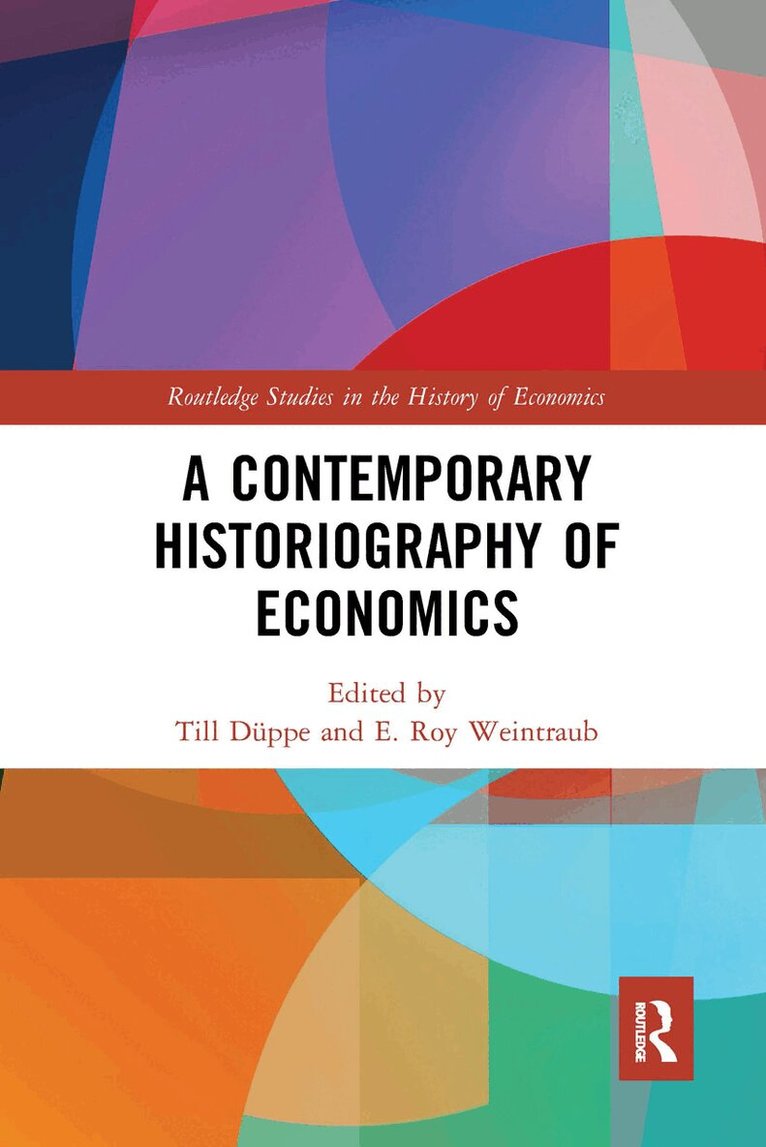
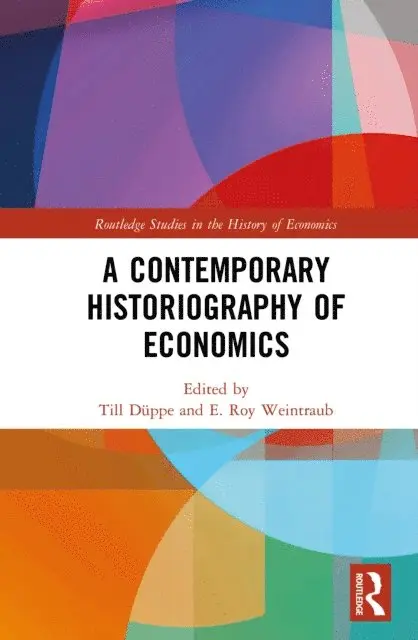
Contemporary Historiography of Economics
Av Till Düppe, E. Roy Weintraub
Häftad, 2020
741 kr
Lägg i varukorg
In recent years, the focus of historians of economic thought has changed to also include the ideas and practices of contemporary economists. This has opened up new questions regarding the utilization of sources, choice of method, narrative styles, and ethical issues, as well as a new awareness of …
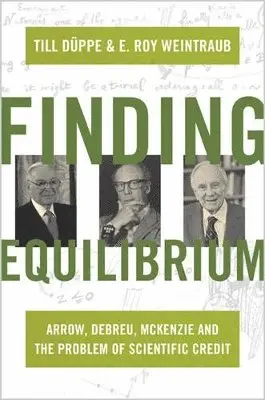
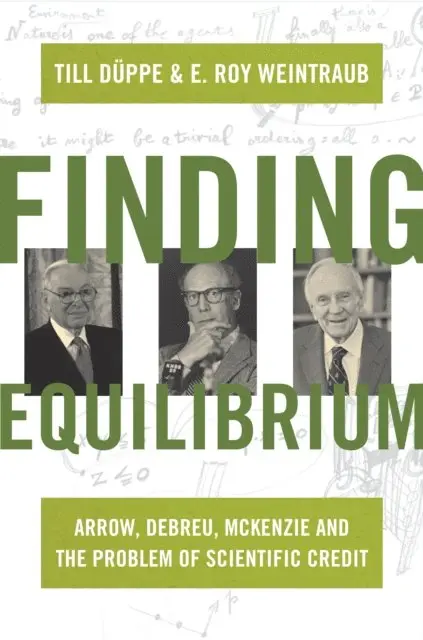
Finding Equilibrium
Arrow, Debreu, McKenzie and the Problem of Scientific Credit
Av Till Düppe, E. Roy Weintraub
Inbunden, 2014
458 kr
Lägg i varukorg
Finding Equilibrium explores the post-World War II transformation of economics by constructing a history of the proof of its central dogma--that a competitive market economy may possess a set of equilibrium prices. The model economy for which the theorem could be proved was mapped out in 1954 by …
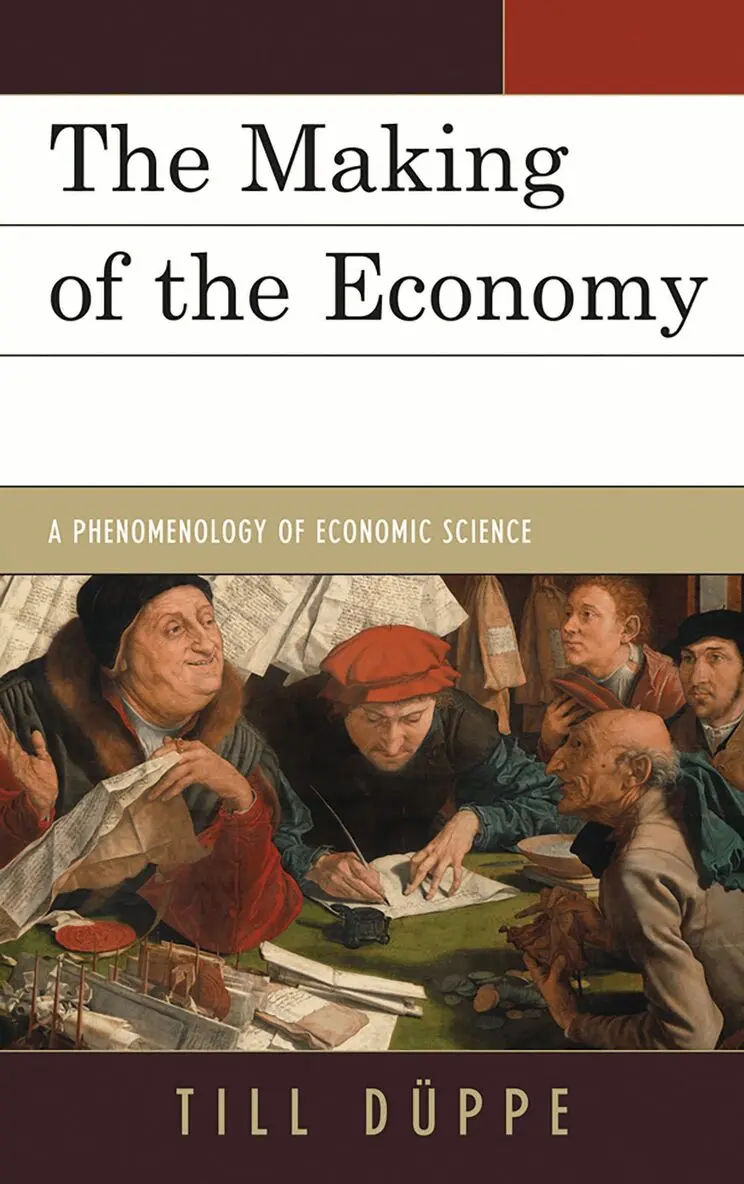
Making of the Economy
A Phenomenology of Economic Science
Av Till Düppe
Inbunden, 2011
1422 kr
Lägg i varukorg
How did modern man come to believe in the object of the economy? What hopes made us accept scientific authority about this illusive thing? What kinds of persons were attracted by objective knowledge in economic discourse? And how does this knowledge guide our economic life? The Making of the …
Contemporary Historiography of Economics
Av Till Düppe, E. Roy Weintraub
Inbunden, 2018
2590 kr
Lägg i varukorg
In recent years, the focus of historians of economic thought has changed to also include the ideas and practices of contemporary economists. This has opened up new questions regarding the utilization of sources, choice of method, narrative styles, and ethical issues, as well as a new awareness of …
Contemporary Historiography of Economics
Av E. Roy Weintraub, Till Duppe
E-bok, 2018
846 kr
Lägg i varukorg
In recent years, the focus of historians of economic thought has changed to also include the ideas and practices of contemporary economists. This has opened up new questions regarding the utilization of sources, choice of method, narrative styles, and ethical issues, as well as a new awareness of …
Finding Equilibrium
Arrow, Debreu, McKenzie and the Problem of Scientific Credit
Av E. Roy Weintraub, Till Duppe
E-bok, 2014
642 kr
Lägg i varukorg
The remarkable story and personalities behind one of the most important theories in modern economics Finding Equilibrium explores the post–World War II transformation of economics by constructing a history of the proof of its central dogma—that a competitive market economy may possess a set of …