Tilly Blyth – författare
Visar alla böcker från författaren Tilly Blyth. Handla med fri frakt och snabb leverans.
5 produkter
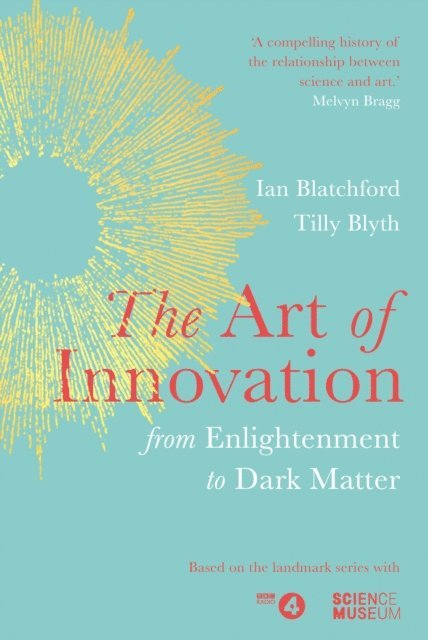
Art of Innovation
From Enlightenment to Dark Matter, as featured on Radio 4
Av Ian Blatchford, Tilly Blyth
E-bok, 2019
170 kr
Lägg i varukorg
Based on the landmark Radio 4 series, this beautifully illustrated modern history of the connections between science and art offers a new perspective on what that relationship has contributed to the world around us. __________Throughout history, artists and scientists have been driven by curiosity …
Art of Innovation
From Enlightenment to Dark Matter, as featured on Radio 4
Av Ian Blatchford, Tilly Blyth
Inbunden, 2019
280 kr
Lägg i varukorg
Based on the landmark Radio 4 series, this beautifully illustrated modern history of the connections between science and art offers a new perspective on what that relationship has contributed to the world around us. __________Throughout history, artists and scientists have been driven by curiosity …
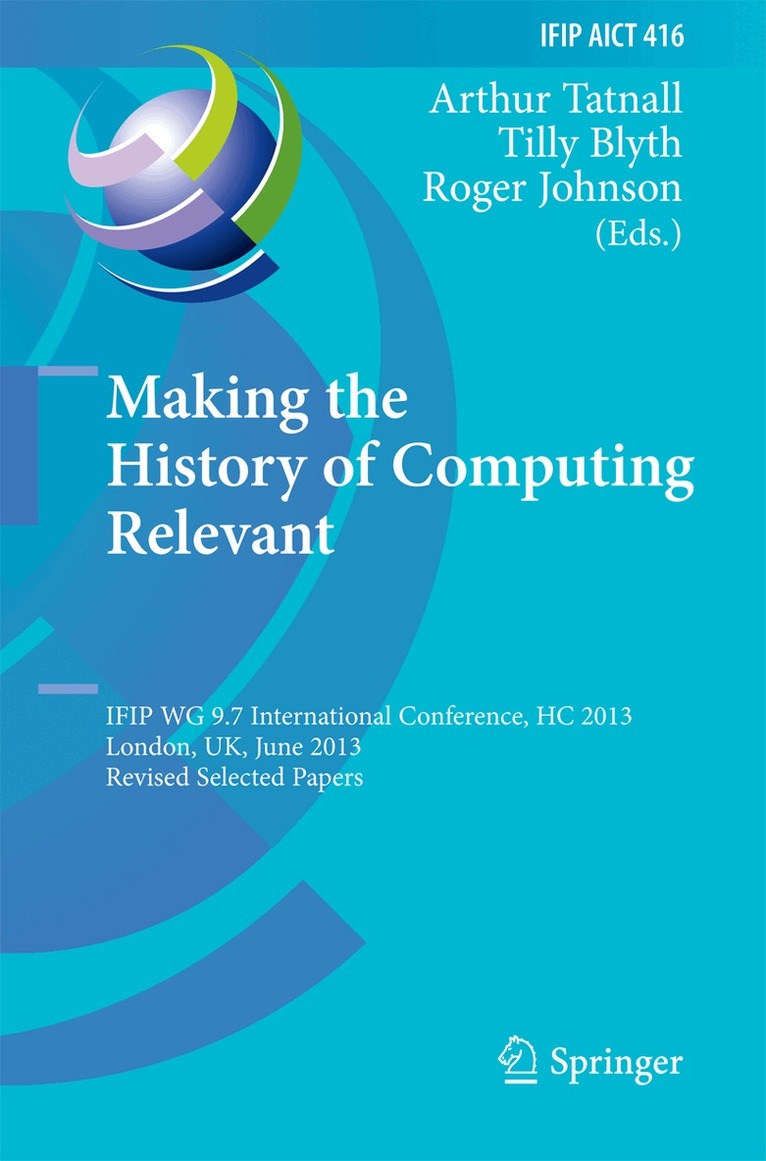
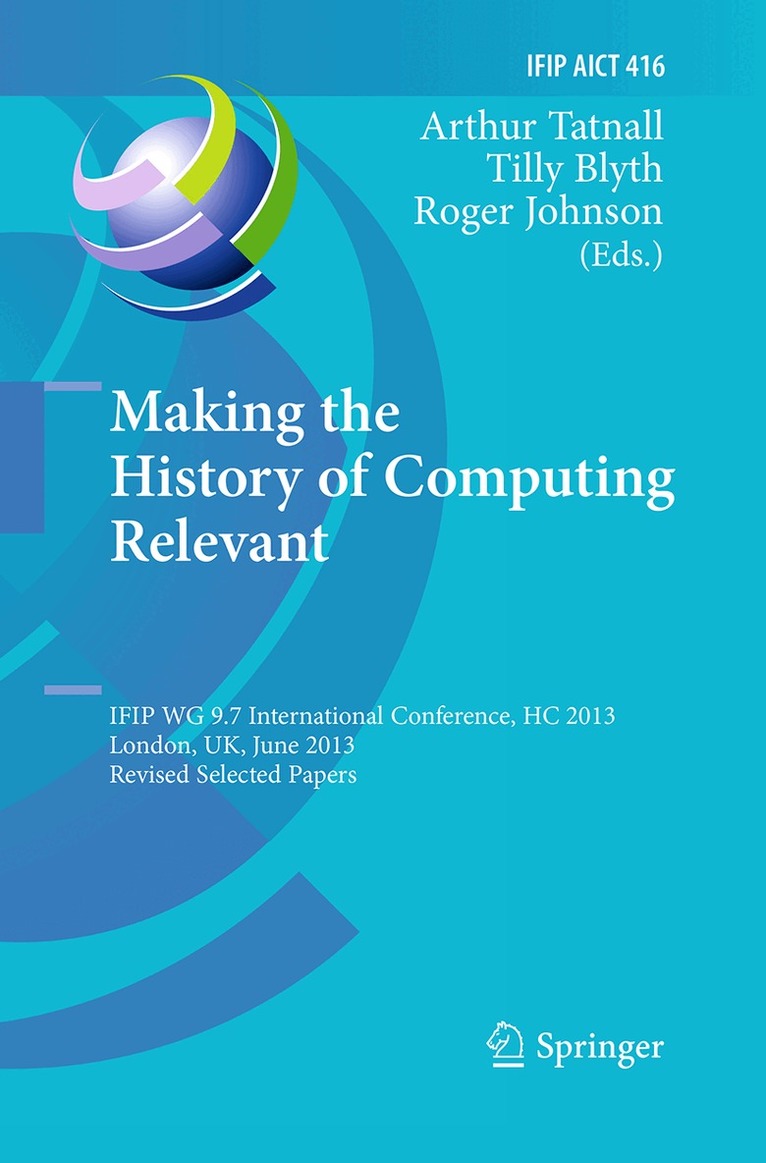
Making the History of Computing Relevant
IFIP WG 9.7 International Conference, HC 2013, London, UK, June 17-18, 2013, Revised Selected Papers
Av Arthur Tatnall, Tilly Blyth m. fl.
Inbunden, 2013
535 kr
Lägg i varukorg
This book constitutes the refereed post-proceedings of the IFIP WG 9.7 International Conference on the History of Computing, HC 2013, held in London, UK, in June 2013. The 29 revised full papers presented were carefully reviewed and selected from numerous submissions. The papers cover a wide range …
Making the History of Computing Relevant
IFIP WG 9.7 International Conference, HC 2013, London, UK, June 17-18, 2013, Revised Selected Papers
Av Roger Johnson, Tilly Blyth m. fl.
E-bok, 2013
734 kr
Lägg i varukorg
This book constitutes the refereed post-proceedings of the IFIP WG 9.7 International Conference on the History of Computing, HC 2013, held in London, UK, in June 2013. The 29 revised full papers presented were carefully reviewed and selected from numerous submissions. The papers cover a wide range …
Making the History of Computing Relevant
IFIP WG 9.7 International Conference, HC 2013, London, UK, June 17-18, 2013, Revised Selected Papers
Av Arthur Tatnall, Tilly Blyth m. fl.
Häftad, 2016
550 kr
Lägg i varukorg
This book constitutes the refereed post-proceedings of the IFIP WG 9.7 International Conference on the History of Computing, HC 2013, held in London, UK, in June 2013. The 29 revised full papers presented were carefully reviewed and selected from numerous submissions. The papers cover a wide range …