Tim Harte – författare
Visar alla böcker från författaren Tim Harte. Handla med fri frakt och snabb leverans.
11 produkter
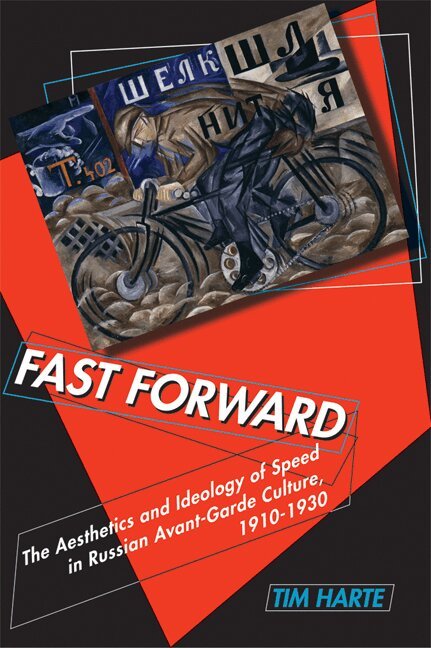
Fast Forward
The Aesthetics and Ideology of Speed in Russian Avant-garde Culture, 1910-1930
Av Tim Harte
Häftad, 2009
338 kr
Lägg i varukorg
Life in the modernist era not only moved, it sped. As automobiles, airplanes, and high-speed industrial machinery proliferated at the turn of the twentieth century, a fascination with speed influenced artists - from Moscow to Manhattan - working in a variety of media. Russian avant-garde literary, …
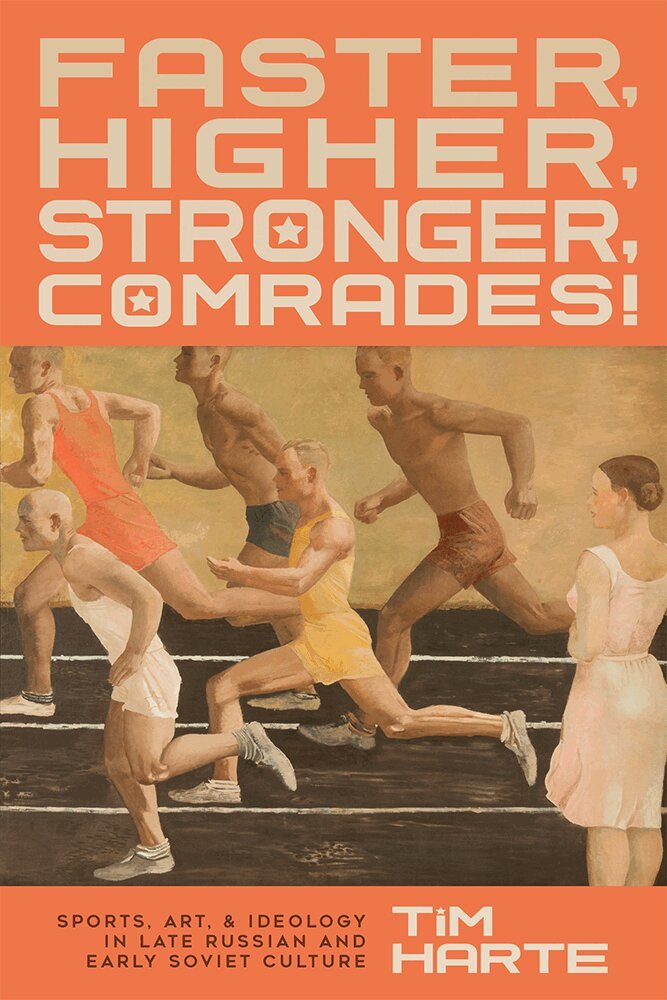
Faster, Higher, Stronger, Comrades!
Sports, Art, and Ideology in Late Russian and Early Soviet Culture
Av Tim Harte
Inbunden, 2020
935 kr
Lägg i varukorg
The revival of the Olympic games in 1896 and the subsequent rise of modern athletics prompted a new, energetic movement away from more sedentary habits. In Russia, this ethos soon became a key facet of the Bolsheviks' shared vision for the future. In the aftermath of the revolution, glorification …
Soviet Auteur Cinema After the Thaw
Inbunden, 2027
1042 kr
Kommande
Following Stalin's death, Soviet film—like Soviet culture—changed in meaningful ways. Emerging from a system that had stymied individual, creative voices, prominent directors now found their own respective styles, as they embraced their personal visions to produce works that diverged significantly …
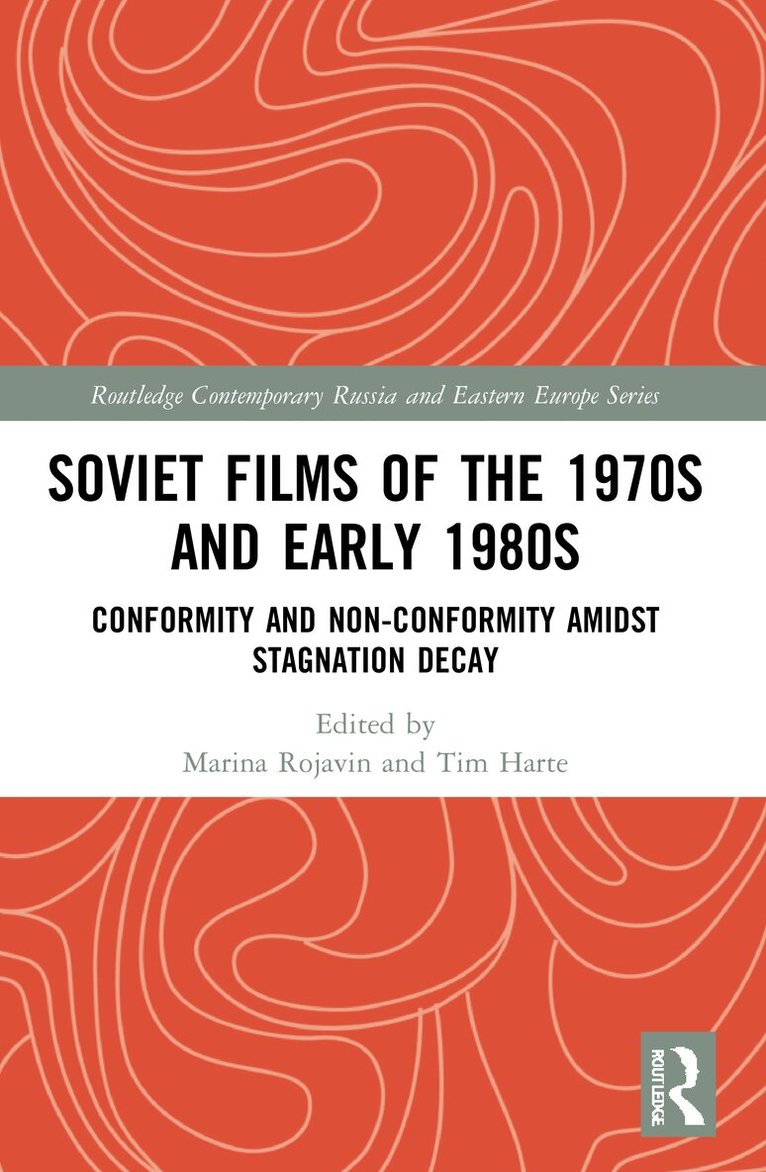
Soviet Films of the 1970s and Early 1980s
Conformity and Non-Conformity Amidst Stagnation Decay
Inbunden, 2021
2504 kr
Lägg i varukorg
This book explores a new character archetype that permeated Soviet film during what became known as the era of Stagnation, a stark period of loneliness, disappointment, and individual despair. This new type of character was neither negative nor positive, but nevertheless systematically undermined …
Soviet Films of the 1970s and Early 1980s
Conformity and Non-Conformity Amidst Stagnation Decay
Häftad, 2023
646 kr
Lägg i varukorg
This book explores a new character archetype that permeated Soviet film during what became known as the era of Stagnation, a stark period of loneliness, disappointment, and individual despair. This new type of character was neither negative nor positive, but nevertheless systematically undermined …
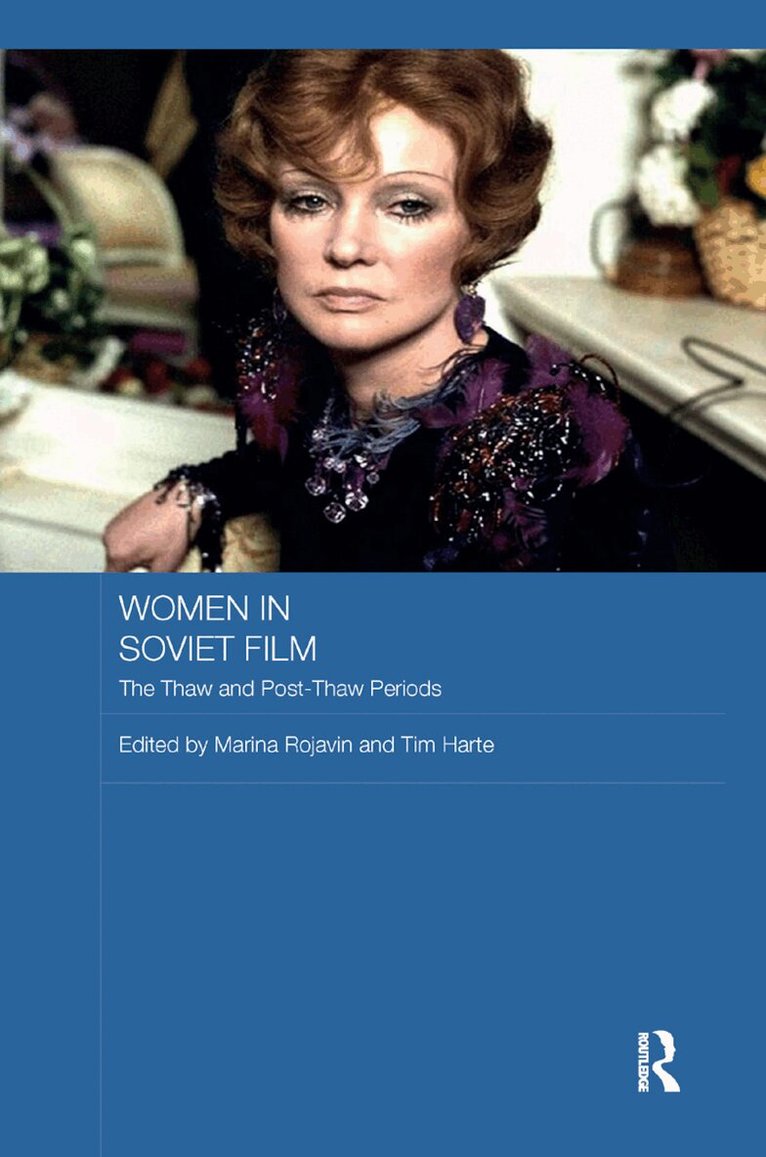
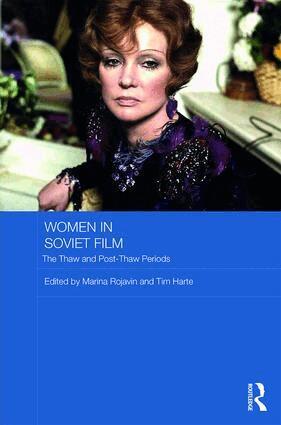
Women in Soviet Film
The Thaw and Post-Thaw Periods
Häftad, 2019
762 kr
Lägg i varukorg
This book illuminates and explores the representation of women in Soviet cinema from the late 1950s, through the 1960s, and into the 1970s, a period when Soviet culture shifted away, to varying degrees, from the well-established conventions of socialist realism. Covering films about working class …
Soviet Films of the 1970s and Early 1980s
Conformity and Non-Conformity Amidst Stagnation Decay
E-bok, 2021
809 kr
Lägg i varukorg
This book explores a new character archetype that permeated Soviet film during what became known as the era of Stagnation, a stark period of loneliness, disappointment, and individual despair. This new type of character was neither negative nor positive, but nevertheless systematically undermined …
Soviet Films of the 1970s and Early 1980s
Conformity and Non-Conformity Amidst Stagnation Decay
E-bok, 2021
791 kr
Lägg i varukorg
This book explores a new character archetype that permeated Soviet film during what became known as the era of Stagnation, a stark period of loneliness, disappointment, and individual despair. This new type of character was neither negative nor positive, but nevertheless systematically undermined …
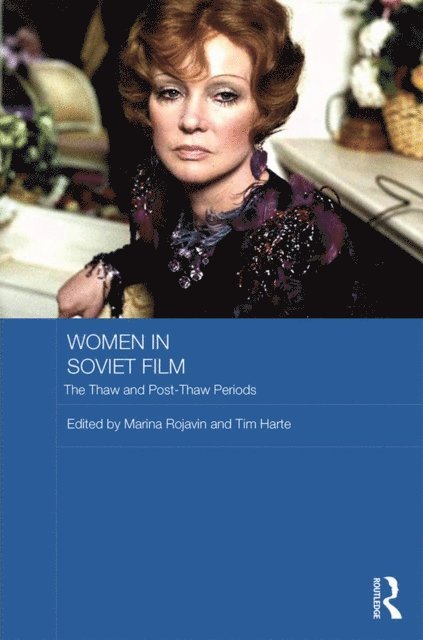
Women in Soviet Film
The Thaw and Post-Thaw Periods
Inbunden, 2017
2504 kr
Lägg i varukorg
This book illuminates and explores the representation of women in Soviet cinema from the late 1950s, through the 1960s, and into the 1970s, a period when Soviet culture shifted away, to varying degrees, from the well-established conventions of socialist realism. Covering films about working class …
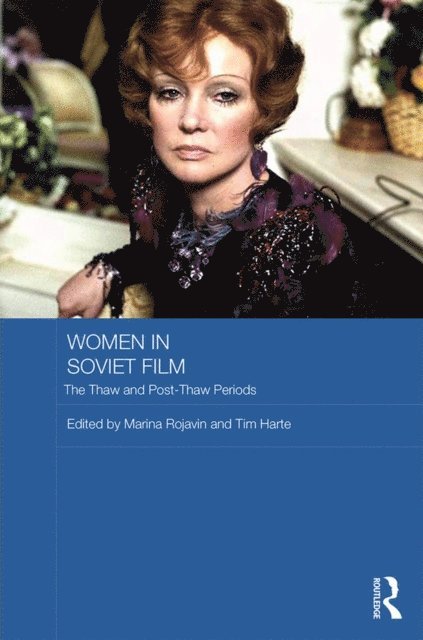
Women in Soviet Film
The Thaw and Post-Thaw Periods
E-bok, 2017
830 kr
Lägg i varukorg
This book illuminates and explores the representation of women in Soviet cinema from the late 1950s, through the 1960s, and into the 1970s, a period when Soviet culture shifted away, to varying degrees, from the well-established conventions of socialist realism. Covering films about working class …
Women in Soviet Film
The Thaw and Post-Thaw Periods
E-bok, 2017
849 kr
Lägg i varukorg
This book illuminates and explores the representation of women in Soviet cinema from the late 1950s, through the 1960s, and into the 1970s, a period when Soviet culture shifted away, to varying degrees, from the well-established conventions of socialist realism. Covering films about working class …