Tim Lang – författare
917 kr
Läs direkt efter köp
1 474 kr
Skickas inom 7-10 vardagar
156 kr
Skickas
118 kr
Läs direkt efter köp
3 045 kr
Skickas inom 10-15 vardagar
759 kr
Skickas inom 10-15 vardagar
918 kr
Läs direkt efter köp
What is public health? To some, it is about drains, water, food and housing, all requiring engineering and expert management. To others, it is the State using medicine or health education and tackling unhealthy lifestyles.
This book argues that public health thinking needs an overhaul, a return to and modernisation around ecological principles. Ecological Public Health thinking, outlined here, fits the twenty-first century’s challenges. It integrates what the authors call the four dimensions of existence: the material, biological, social and cultural aspects of life. Public health becomes the task of transforming the relationship between people, their circumstances and the biological world of nature and bodies. For Geof Rayner and Tim Lang, this is about facing a number of long-term transitions, some well recognized, others not. These transitions are Demographic, Epidemiological, Urban, Energy, Economic, Nutrition, Biological, Cultural and Democracy itself.
The authors argue that identifying large scale transitions such as these refocuses public health actions onto the conditions on which human and eco-systems health interact. Making their case, Rayner and Lang map past confusions in public health images, definitions and models. This is an optimistic book, arguing public health can be rescued from its current dilemmas and frustrations. This century’s agenda is unavoidably complex, however, and requires stronger and more daring combinations of interdisciplinary work, movements and professions locally, nationally and globally. Outlining these in the concluding section, the book charts a positive and reinvigorated institutional purpose.
918 kr
Läs direkt efter köp
What is public health? To some, it is about drains, water, food and housing, all requiring engineering and expert management. To others, it is the State using medicine or health education and tackling unhealthy lifestyles.
This book argues that public health thinking needs an overhaul, a return to and modernisation around ecological principles. Ecological Public Health thinking, outlined here, fits the twenty-first century’s challenges. It integrates what the authors call the four dimensions of existence: the material, biological, social and cultural aspects of life. Public health becomes the task of transforming the relationship between people, their circumstances and the biological world of nature and bodies. For Geof Rayner and Tim Lang, this is about facing a number of long-term transitions, some well recognized, others not. These transitions are Demographic, Epidemiological, Urban, Energy, Economic, Nutrition, Biological, Cultural and Democracy itself.
The authors argue that identifying large scale transitions such as these refocuses public health actions onto the conditions on which human and eco-systems health interact. Making their case, Rayner and Lang map past confusions in public health images, definitions and models. This is an optimistic book, arguing public health can be rescued from its current dilemmas and frustrations. This century’s agenda is unavoidably complex, however, and requires stronger and more daring combinations of interdisciplinary work, movements and professions locally, nationally and globally. Outlining these in the concluding section, the book charts a positive and reinvigorated institutional purpose.
3 045 kr
Skickas inom 10-15 vardagar
687 kr
Skickas inom 10-15 vardagar
730 kr
Läs direkt efter köp
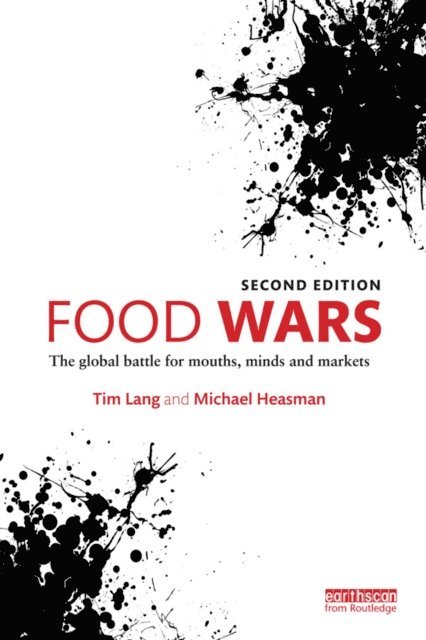
In the years since publication of the first edition of Food Wars much has happened in the world of food policy. This new edition brings these developments fully up to date within the original analytical framework of competing paradigms or worldviews shaping the direction and decision-making within food politics and policy.
The key theme of the importance of integrating human and environmental health has become even more pressing. In the first edition the authors set out and brought together the different strands of emerging agendas and competing narratives. The second edition retains the same core structure and includes updated examples, case studies and the new issues which show how these conflicting tendencies have played out in practice over recent years and what this tells us about the way the global food system is heading. Examples of key issues given increased attention include:
nutrition, including the global rise in obesity, as well as chronic conditions, hunger and under-nutrition the environment, particularly the challenges of climate change, biodiversity loss, water stress and food security food industry concentration and market power volatility and uncertainty over food prices and policy responses tensions over food, democracy and citizenship social and cultural aspects impacting food and nutrition policies.757 kr
Läs direkt efter köp
In the years since publication of the first edition of Food Wars much has happened in the world of food policy. This new edition brings these developments fully up to date within the original analytical framework of competing paradigms or worldviews shaping the direction and decision-making within food politics and policy.
The key theme of the importance of integrating human and environmental health has become even more pressing. In the first edition the authors set out and brought together the different strands of emerging agendas and competing narratives. The second edition retains the same core structure and includes updated examples, case studies and the new issues which show how these conflicting tendencies have played out in practice over recent years and what this tells us about the way the global food system is heading. Examples of key issues given increased attention include:
nutrition, including the global rise in obesity, as well as chronic conditions, hunger and under-nutrition the environment, particularly the challenges of climate change, biodiversity loss, water stress and food security food industry concentration and market power volatility and uncertainty over food prices and policy responses tensions over food, democracy and citizenship social and cultural aspects impacting food and nutrition policies.841 kr
Läs direkt efter köp
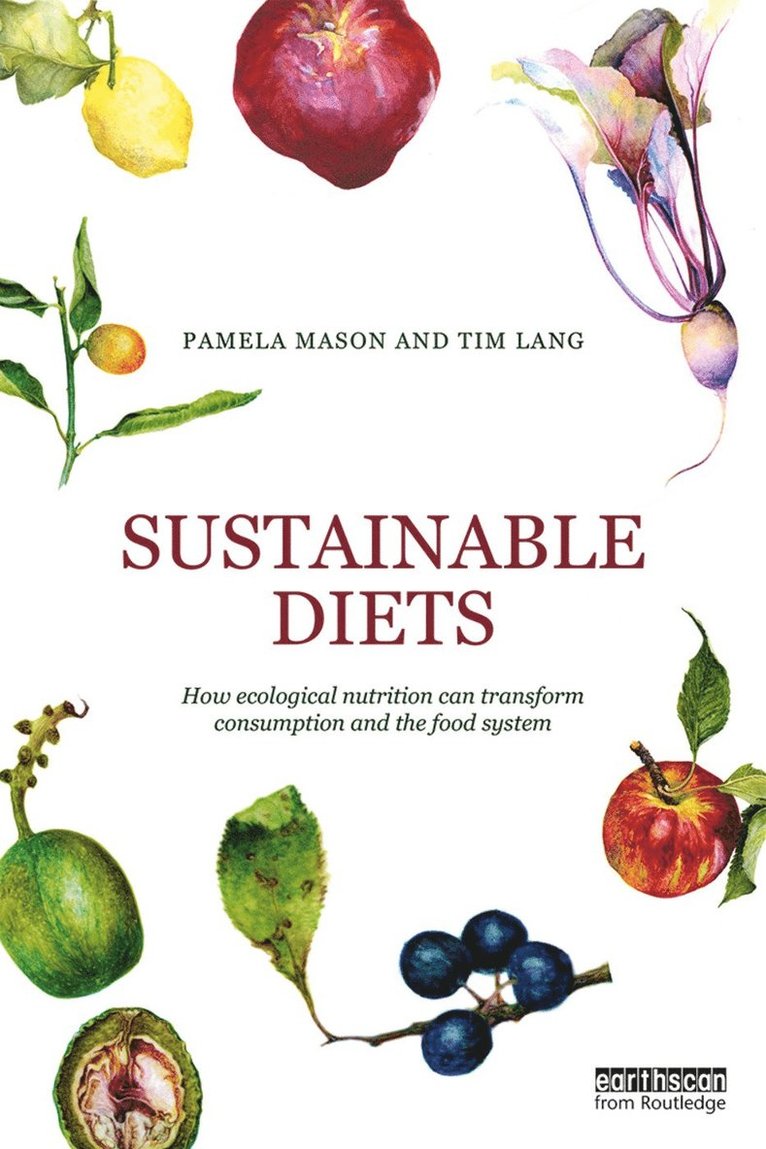
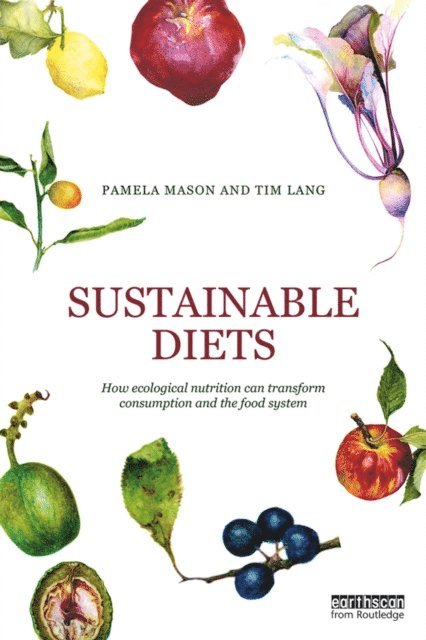
How can huge populations be fed healthily, equitably and affordably while maintaining the ecosystems on which life depends? The evidence of diet’s impact on public health and the environment has grown in recent decades, yet changing food supply, consumer habits and economic aspirations proves hard.
This book explores what is meant by sustainable diets and why this has to be the goal for the Anthropocene, the current era in which human activities are driving the mismatch of humans and the planet. Food production and consumption are key drivers of transitions already underway, yet policy makers hesitate to reshape public eating habits and tackle the unsustainability of the global food system.
The authors propose a multi-criteria approach to sustainable diets, giving equal weight to nutrition and public health, the environment, socio-cultural issues, food quality, economics and governance. This six-pronged approach to sustainable diets brings order and rationality to what either is seen as too complex to handle or is addressed simplistically and ineffectually. The book provides a major overview of this vibrant issue of interdisciplinary and public interest. It outlines the reasons for concern and how actors throughout the food system (governments, producers, civil society and consumers) must engage with (un)sustainable diets.
841 kr
Läs direkt efter köp
How can huge populations be fed healthily, equitably and affordably while maintaining the ecosystems on which life depends? The evidence of diet’s impact on public health and the environment has grown in recent decades, yet changing food supply, consumer habits and economic aspirations proves hard.
This book explores what is meant by sustainable diets and why this has to be the goal for the Anthropocene, the current era in which human activities are driving the mismatch of humans and the planet. Food production and consumption are key drivers of transitions already underway, yet policy makers hesitate to reshape public eating habits and tackle the unsustainability of the global food system.
The authors propose a multi-criteria approach to sustainable diets, giving equal weight to nutrition and public health, the environment, socio-cultural issues, food quality, economics and governance. This six-pronged approach to sustainable diets brings order and rationality to what either is seen as too complex to handle or is addressed simplistically and ineffectually. The book provides a major overview of this vibrant issue of interdisciplinary and public interest. It outlines the reasons for concern and how actors throughout the food system (governments, producers, civil society and consumers) must engage with (un)sustainable diets.
2 744 kr
Skickas
‘The Unmanageable Consumer has long been one of my favorite books in the sociology of consumption. This long overdue third edition has updated and revised the basic argument in many ways. Most importantly, it now offers a new chapter on the consumer as worker or, more generally, the prosumer. Assign it to your classes (I have…and will again) and read it for your edification.’ - George Ritzer, Distinguished University Professor, University of Maryland, USA
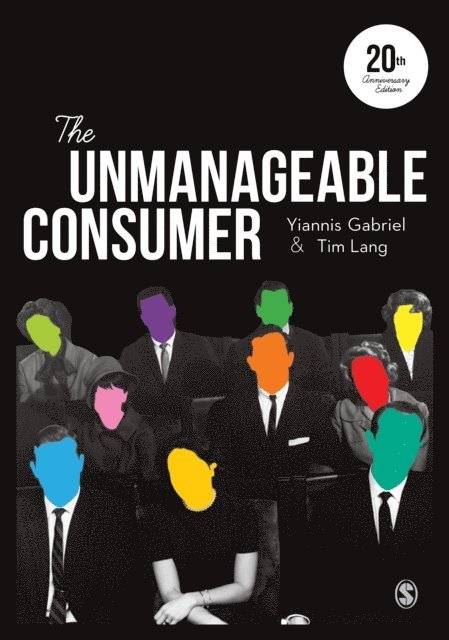
Western-style consumerism is often presented as unstoppable, yet its costs mount and its grip on consumer reality weakens. In this 20th Anniversary edition, Gabriel and Lang restate their thesis that consumerism is more fragile and unmanageable than is assumed by its proponents.
Consumerism has been both stretched and undermined by globalization, the internet, social media and other cultural changes. Major environmental threats, debt, squeezed incomes and social inequalities now temper Western consumers' appetite for spending. The 20th century Deal, first championed by Henry Ford, of more consumption from higher waged work looks tattered. This edition of The Unmanageable Consumer continues to explore 10 different consumer models, and encourages analysis of contemporary consumerism. It looks at the spread of consumerism to developing countries like India and China and considers the effects of demographic changes and migration, and points to new features such as consumers taking on unwaged work.
New to this edition:
Coverage of new phenomenon such as social media and emerging markets Explores contemporary topics including the occupy movement and horsemeat scandal A new chapter on the consumer as worker.
'This is a remarkable and important book. The new edition updates consumer cultural studies to take into account austerity politics and the economic crisis, and the impact these have had on how we think about and experience everyday practices of shopping and consuming. The authors also build on and maintain the lively and challenging argument from the previous volumes which sees the consumer as an unstable space for a multiplicity of often contradictory responses which can unsettle the various strategies on the part of contemporary capitalism to have us buy more.' - Angela McRobbie, Goldsmiths, University of London
‘The book exemplifies how social science should be: engaged, insightful, imaginative, scholarly and highly socially and politically relevant. Strongly recommended to students, academics as well as all people interested in understanding our time and themselves in an age of consumerism and false promises.’ - Mats Alvesson, Professor of Business Administration, Lund University, Sweden
1 777 kr
Skickas inom 3-6 vardagar
‘The Unmanageable Consumer has long been one of my favorite books in the sociology of consumption. This long overdue third edition has updated and revised the basic argument in many ways. Most importantly, it now offers a new chapter on the consumer as worker or, more generally, the prosumer. Assign it to your classes (I have…and will again) and read it for your edification.’ - George Ritzer, Distinguished University Professor, University of Maryland, USA
Western-style consumerism is often presented as unstoppable, yet its costs mount and its grip on consumer reality weakens. In this 20th Anniversary edition, Gabriel and Lang restate their thesis that consumerism is more fragile and unmanageable than is assumed by its proponents.
Consumerism has been both stretched and undermined by globalization, the internet, social media and other cultural changes. Major environmental threats, debt, squeezed incomes and social inequalities now temper Western consumers' appetite for spending. The 20th century Deal, first championed by Henry Ford, of more consumption from higher waged work looks tattered. This edition of The Unmanageable Consumer continues to explore 10 different consumer models, and encourages analysis of contemporary consumerism. It looks at the spread of consumerism to developing countries like India and China and considers the effects of demographic changes and migration, and points to new features such as consumers taking on unwaged work.
New to this edition:
Coverage of new phenomenon such as social media and emerging markets Explores contemporary topics including the occupy movement and horsemeat scandal A new chapter on the consumer as worker.
'This is a remarkable and important book. The new edition updates consumer cultural studies to take into account austerity politics and the economic crisis, and the impact these have had on how we think about and experience everyday practices of shopping and consuming. The authors also build on and maintain the lively and challenging argument from the previous volumes which sees the consumer as an unstable space for a multiplicity of often contradictory responses which can unsettle the various strategies on the part of contemporary capitalism to have us buy more.' - Angela McRobbie, Goldsmiths, University of London
‘The book exemplifies how social science should be: engaged, insightful, imaginative, scholarly and highly socially and politically relevant. Strongly recommended to students, academics as well as all people interested in understanding our time and themselves in an age of consumerism and false promises.’ - Mats Alvesson, Professor of Business Administration, Lund University, Sweden
760 kr
Läs direkt efter köp
‘The Unmanageable Consumer has long been one of my favorite books in the sociology of consumption. This long overdue third edition has updated and revised the basic argument in many ways. Most importantly, it now offers a new chapter on the consumer as worker or, more generally, the prosumer. Assign it to your classes (I have…and will again) and read it for your edification.’ - George Ritzer, Distinguished University Professor, University of Maryland, USA
Western-style consumerism is often presented as unstoppable, yet its costs mount and its grip on consumer reality weakens. In this 20th Anniversary edition, Gabriel and Lang restate their thesis that consumerism is more fragile and unmanageable than is assumed by its proponents.
Consumerism has been both stretched and undermined by globalization, the internet, social media and other cultural changes. Major environmental threats, debt, squeezed incomes and social inequalities now temper Western consumers′ appetite for spending. The 20th century Deal, first championed by Henry Ford, of more consumption from higher waged work looks tattered. This edition of The Unmanageable Consumer continues to explore 10 different consumer models, and encourages analysis of contemporary consumerism. It looks at the spread of consumerism to developing countries like India and China and considers the effects of demographic changes and migration, and points to new features such as consumers taking on unwaged work.
New to this edition:
Coverage of new phenomenon such as social media and emerging markets Explores contemporary topics including the occupy movement and horsemeat scandal A new chapter on the consumer as worker.
′This is a remarkable and important book. The new edition updates consumer cultural studies to take into account austerity politics and the economic crisis, and the impact these have had on how we think about and experience everyday practices of shopping and consuming. The authors also build on and maintain the lively and challenging argument from the previous volumes which sees the consumer as an unstable space for a multiplicity of often contradictory responses which can unsettle the various strategies on the part of contemporary capitalism to have us buy more.′ - Angela McRobbie, Goldsmiths, University of London
‘The book exemplifies how social science should be: engaged, insightful, imaginative, scholarly and highly socially and politically relevant. Strongly recommended to students, academics as well as all people interested in understanding our time and themselves in an age of consumerism and false promises.’ - Mats Alvesson, Professor of Business Administration, Lund University, Sweden
2 684 kr
Skickas inom 10-15 vardagar
774 kr
Skickas inom 10-15 vardagar