Timothy D. Veenstra – författare
1 890 kr
Läs direkt efter köp
1 689 kr
Skickas inom 10-15 vardagar
Proteomic and Metabolomic Approaches to Biomarker Discovery, Second Edition covers techniques from both proteomics and metabolomics and includes all steps involved in biomarker discovery, from study design to study execution. The book describes methods and presents a standard operating procedure for sample selection, preparation and storage, as well as data analysis and modeling. This new standard effectively eliminates the differing methodologies used in studies and creates a unified approach. Readers will learn the advantages and disadvantages of the various techniques discussed, as well as potential difficulties inherent to all steps in the biomarker discovery process.
This second edition has been fully updated and revised to address recent advances in MS and NMR instrumentation, high-field NMR, proteomics and metabolomics for biomarker validation, clinical assays of biomarkers and clinical MS and NMR, identifying microRNAs and autoantibodies as biomarkers, MRM-MS assay development, top-down MS, glycosylation-based serum biomarkers, cell surface proteins in biomarker discovery, lipodomics for cancer biomarker discovery, and strategies to design studies to identify predictive biomarkers in cancer research.
Addresses the full range of proteomic and metabolomic methods and technologies used for biomarker discovery and validation Covers all steps involved in biomarker discovery, from study design to study execution Serves as a vital resource for biochemists, biologists, analytical chemists, bioanalytical chemists, clinical and medical technicians, researchers in pharmaceuticals and graduate students2 319 kr
Läs direkt efter köp
1 101 kr
Skickas inom 5-8 vardagar
1 465 kr
Skickas inom 5-8 vardagar
1 287 kr
Läs direkt efter köp
Helps researchers in proteomics and oncology work together to understand, prevent, and cure cancer
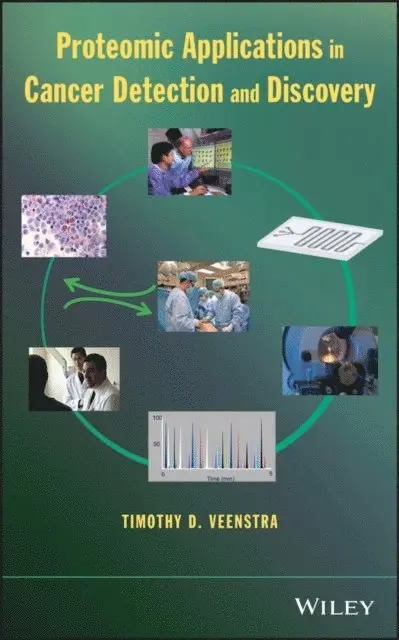
Proteomic data is increasingly important to understanding the origin and progression of cancer; however, most oncologic researchers who depend on proteomics for their studies do not collect the data themselves. As a result, there is a knowledge gap between scientists, who devise proteomic techniques and collect the data, and the oncologic researchers, who are expected to interpret and apply proteomic data. Bridging the gap between proteomics and oncology research, this book explains how proteomic technology can be used to address some of the most important questions in cancer research.
Proteomic Applications in Cancer Detection and Discovery enables readers to understand how proteomic data is acquired and analyzed and how it is interpreted. Author Timothy Veenstra has filled the book with examplesmany based on his own firsthand research experiencethat clearly demonstrate the application of proteomic technology in oncology research, including the discovery of novel biomarkers for different types of cancers.
The book begins with a brief introduction to systems biology, explaining why cancer is a systems biology disease. Next, it covers such topics as:
Mass spectrometry in cancer research Application of proteomics to global phosphorylation analysis Search for biomarkers in biofluids Rise and fall of proteomic patterns for cancer diagnostics Emergence of protein arrays Role of proteomics in personalized medicineThe final chapter is dedicated to the future prospects of proteomics in cancer research.
By guiding readers through the latest proteomic technologies and their applications in cancer research, Proteomic Applications in Cancer Detection and Discovery enhances the ability of researchers in proteomics and researchers in oncology to collaborate in order to better understand cancer and develop strategies to prevent and treat it.
1 242 kr
Läs direkt efter köp
Helps researchers in proteomics and oncology work together to understand, prevent, and cure cancer
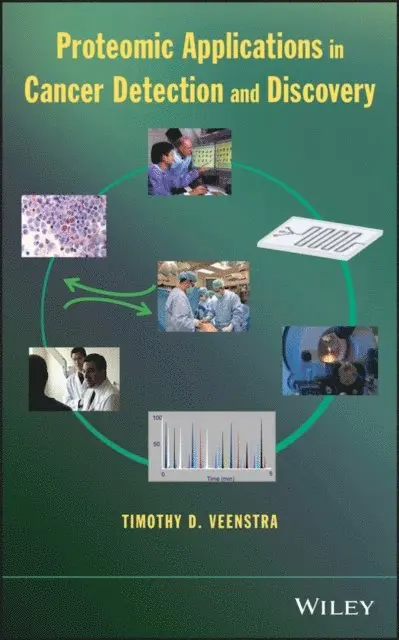
Proteomic data is increasingly important to understanding the origin and progression of cancer; however, most oncologic researchers who depend on proteomics for their studies do not collect the data themselves. As a result, there is a knowledge gap between scientists, who devise proteomic techniques and collect the data, and the oncologic researchers, who are expected to interpret and apply proteomic data. Bridging the gap between proteomics and oncology research, this book explains how proteomic technology can be used to address some of the most important questions in cancer research.
Proteomic Applications in Cancer Detection and Discovery enables readers to understand how proteomic data is acquired and analyzed and how it is interpreted. Author Timothy Veenstra has filled the book with examplesmany based on his own firsthand research experiencethat clearly demonstrate the application of proteomic technology in oncology research, including the discovery of novel biomarkers for different types of cancers.
The book begins with a brief introduction to systems biology, explaining why cancer is a systems biology disease. Next, it covers such topics as:
Mass spectrometry in cancer research Application of proteomics to global phosphorylation analysis Search for biomarkers in biofluids Rise and fall of proteomic patterns for cancer diagnostics Emergence of protein arrays Role of proteomics in personalized medicineThe final chapter is dedicated to the future prospects of proteomics in cancer research.
By guiding readers through the latest proteomic technologies and their applications in cancer research, Proteomic Applications in Cancer Detection and Discovery enhances the ability of researchers in proteomics and researchers in oncology to collaborate in order to better understand cancer and develop strategies to prevent and treat it.
1 633 kr
Läs direkt efter köp
An update to the popular guide to proteomics technology applications in biomedical research
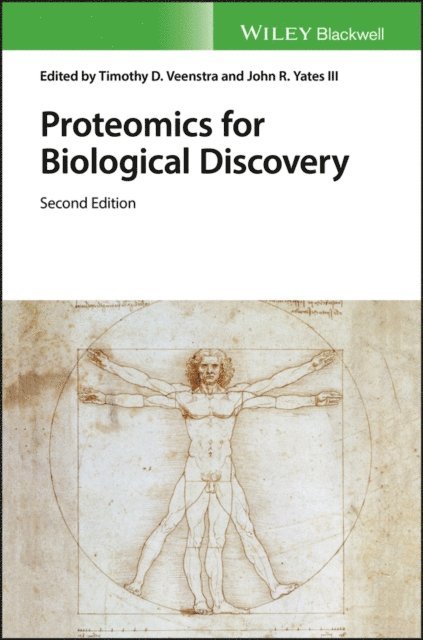
Building on the strength of the original edition, this book presents the state of the art in the field of proteomics and offers students and scientists new tools and techniques to advance their own research. Written by leading experts in the field, it provides readers with an understanding of new and emerging directions for proteomics research and applications.
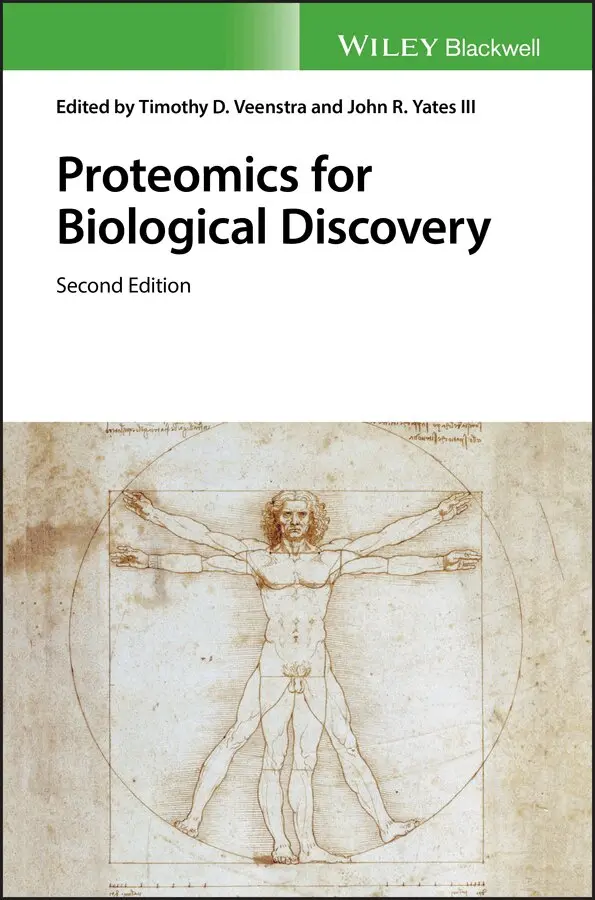
Proteomics for Biological Discovery begins by discussing the emergence of proteomics technologies and summarizing the potential insights to be gained from proteome-level research. The tools of proteomics, from conventional to novel techniques, are thoroughly covered, from underlying concepts to limitations and future directions. Later chapters provide an overview of the current developments in post-translational modification studies, structural proteomics, biochemical proteomics, applied proteomics, and bioinformatics relevant to proteomics. Chapters cover: Quantitative Proteomics for Differential Protein Expression Profiling; Protein Microarrays; Protein Biomarker Discovery; Biomarker Discovery using Mass Spectrometry Imaging; Protein-Protein Interactions; Mass Spectrometry Of Intact Protein Complexes; Crosslinking Applications in Structural Proteomics; Functional Proteomics; High Resolution Interrogation of Biological Systems via Mass Cytometry; Characterization of Drug-Protein Interactions by Chemoproteomics; Phosphorylation; Large-Scale Phosphoproteomics; and Probing Glycoforms of Individual Proteins Using Antibody-Lectin Sandwich Arrays.
Presents a comprehensive and coherent review of the major issues in proteomic technology development, bioinformatics, strategic approaches, and applications Chapters offer a rigorous overview with summary of limitations, emerging approaches, questions, and realistic future industry and basic science applications Features new coverage of mass spectrometry for high throughput proteomic measurements, and novel quantitation strategies such as spectral counting and stable isotope labeling Discusses higher level integrative aspects, including technical challenges and applications for drug discovery Offers new chapters on biomarker discovery, global phosphorylation analysis, proteomic profiling using antibodies, and single cell mass spectrometryProteomics for Biological Discovery is an excellent advanced resource for graduate students, postdoctoral fellows, and scientists across all the major fields of biomedical science.
1 633 kr
Läs direkt efter köp
An update to the popular guide to proteomics technology applications in biomedical research
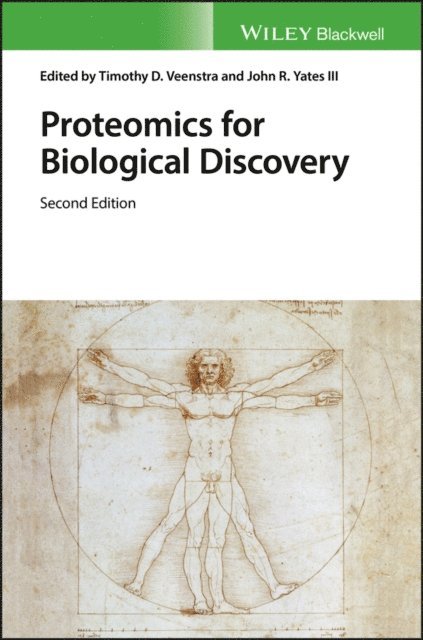
Building on the strength of the original edition, this book presents the state of the art in the field of proteomics and offers students and scientists new tools and techniques to advance their own research. Written by leading experts in the field, it provides readers with an understanding of new and emerging directions for proteomics research and applications.
Proteomics for Biological Discovery begins by discussing the emergence of proteomics technologies and summarizing the potential insights to be gained from proteome-level research. The tools of proteomics, from conventional to novel techniques, are thoroughly covered, from underlying concepts to limitations and future directions. Later chapters provide an overview of the current developments in post-translational modification studies, structural proteomics, biochemical proteomics, applied proteomics, and bioinformatics relevant to proteomics. Chapters cover: Quantitative Proteomics for Differential Protein Expression Profiling; Protein Microarrays; Protein Biomarker Discovery; Biomarker Discovery using Mass Spectrometry Imaging; Protein-Protein Interactions; Mass Spectrometry Of Intact Protein Complexes; Crosslinking Applications in Structural Proteomics; Functional Proteomics; High Resolution Interrogation of Biological Systems via Mass Cytometry; Characterization of Drug-Protein Interactions by Chemoproteomics; Phosphorylation; Large-Scale Phosphoproteomics; and Probing Glycoforms of Individual Proteins Using Antibody-Lectin Sandwich Arrays.
Presents a comprehensive and coherent review of the major issues in proteomic technology development, bioinformatics, strategic approaches, and applications Chapters offer a rigorous overview with summary of limitations, emerging approaches, questions, and realistic future industry and basic science applications Features new coverage of mass spectrometry for high throughput proteomic measurements, and novel quantitation strategies such as spectral counting and stable isotope labeling Discusses higher level integrative aspects, including technical challenges and applications for drug discovery Offers new chapters on biomarker discovery, global phosphorylation analysis, proteomic profiling using antibodies, and single cell mass spectrometryProteomics for Biological Discovery is an excellent advanced resource for graduate students, postdoctoral fellows, and scientists across all the major fields of biomedical science.