Timothy G. Reagan – författare
619 kr
Skickas inom 10-15 vardagar
2 115 kr
Skickas inom 10-15 vardagar
1 072 kr
Skickas inom 3-6 vardagar
576 kr
Skickas inom 3-6 vardagar
391 kr
Skickas inom 5-8 vardagar
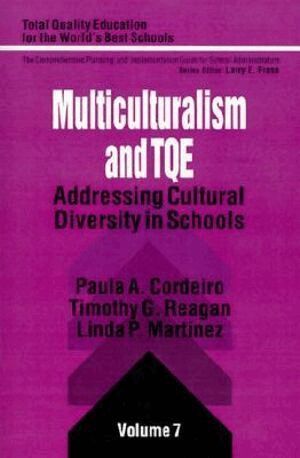
Multiculturalism and TQE
Addressing Cultural Diversity in Schools
550 kr
Skickas inom 3-6 vardagar
714 kr
Skickas inom 10-15 vardagar
710 kr
Läs direkt efter köp
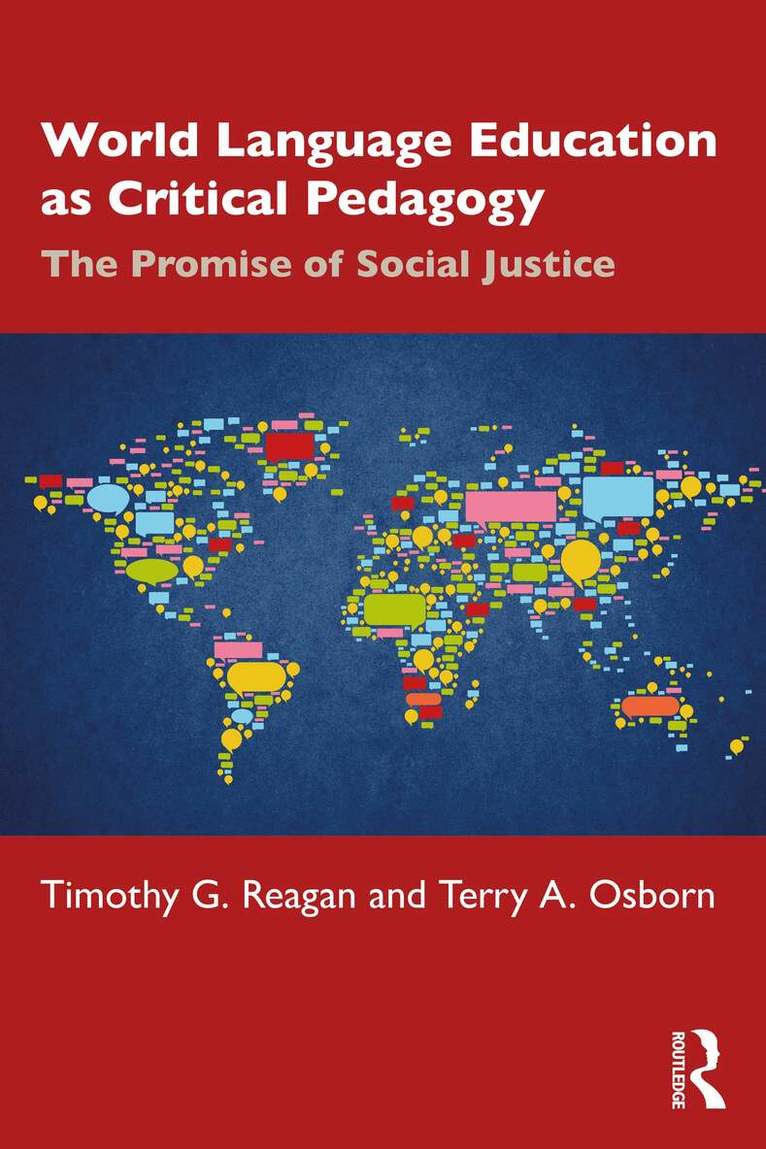
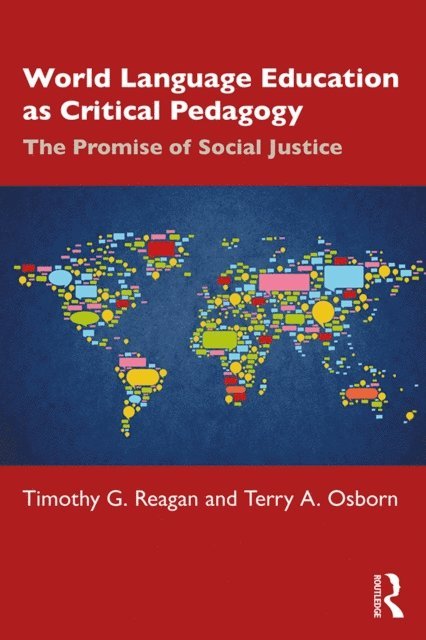
Accessible and cutting-edge, this text is a pivotal update to the field and offers a much-needed critical perspective on world language education. Building off their classic 2002 book, The Foreign Language Educator in Society, Timothy G. Reagan and Terry A. Osborn address major issues facing the world language educator today, including language myths, advocacy, the perceived and real benefits of language learning, linguistic human rights, constructivism, learning theories, language standards, monolingualism, bilingualism and multiculturalism.
Organized into three parts – "Knowing Language," "Learning Language," and "Teaching Language" – this book applies a critical take on conventional wisdom on language education, evaluates social and political realities, assumptions, and controversies in the field. Each chapter includes questions for reflection and discussion to support students and educators in developing their own perspectives on teaching and learning languages. With a critical pedagogy and social justice lens, this book is ideal for scholars and students in foreign/world language education, social justice education, and language teaching methodology courses, as well as pre- and in-service teachers.
710 kr
Läs direkt efter köp
Accessible and cutting-edge, this text is a pivotal update to the field and offers a much-needed critical perspective on world language education. Building off their classic 2002 book, The Foreign Language Educator in Society, Timothy G. Reagan and Terry A. Osborn address major issues facing the world language educator today, including language myths, advocacy, the perceived and real benefits of language learning, linguistic human rights, constructivism, learning theories, language standards, monolingualism, bilingualism and multiculturalism.
Organized into three parts – "Knowing Language," "Learning Language," and "Teaching Language" – this book applies a critical take on conventional wisdom on language education, evaluates social and political realities, assumptions, and controversies in the field. Each chapter includes questions for reflection and discussion to support students and educators in developing their own perspectives on teaching and learning languages. With a critical pedagogy and social justice lens, this book is ideal for scholars and students in foreign/world language education, social justice education, and language teaching methodology courses, as well as pre- and in-service teachers.
820 kr
Läs direkt efter köp
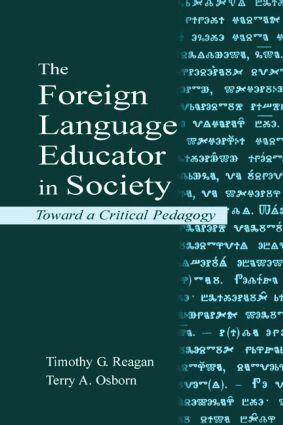
This text brings together two significant domains of educational practice: foreign language education and critical pedagogy--linking them in a way that can help foreign language educators develop a critical awareness of the nature, purposes, and challenges facing foreign language pedagogy. Unique among texts in the field, this is the first to deal explicitly with the social, political, ideological, and economic aspects of language, language learning, and language teaching in our society and to connect the practice of foreign language education with these critical, and crucial, aspects of language and language use. The Foreign Language Educator in Society: Toward A Critical Pedagogy: *emphasizes what teachers and future teachers of foreign languages in this country ought to know and understand about language-- language attitudes, practices, rights, and policy-- and related issues; *focuses on helping students to move beyond pragmatic pedagogical concerns to the social and political concerns relevant to their teaching; and *provides students with the opportunity to develop critical perspectives on the central facets of the language education process. Intended for foreign language education programs at both basic and advanced levels, as well as courses in critical pedagogy, critical language awareness, sociolinguistics, and social and cultural foundations of education, the text provides helpful pedagogical features to direct the reader in applying the content of each chapter to his or her own context.
820 kr
Läs direkt efter köp
This text brings together two significant domains of educational practice: foreign language education and critical pedagogy--linking them in a way that can help foreign language educators develop a critical awareness of the nature, purposes, and challenges facing foreign language pedagogy. Unique among texts in the field, this is the first to deal explicitly with the social, political, ideological, and economic aspects of language, language learning, and language teaching in our society and to connect the practice of foreign language education with these critical, and crucial, aspects of language and language use. The Foreign Language Educator in Society: Toward A Critical Pedagogy: *emphasizes what teachers and future teachers of foreign languages in this country ought to know and understand about language-- language attitudes, practices, rights, and policy-- and related issues; *focuses on helping students to move beyond pragmatic pedagogical concerns to the social and political concerns relevant to their teaching; and *provides students with the opportunity to develop critical perspectives on the central facets of the language education process. Intended for foreign language education programs at both basic and advanced levels, as well as courses in critical pedagogy, critical language awareness, sociolinguistics, and social and cultural foundations of education, the text provides helpful pedagogical features to direct the reader in applying the content of each chapter to his or her own context.
2 319 kr
Skickas inom 10-15 vardagar
1 072 kr
Skickas inom 3-6 vardagar
"Because the authors are critically aware of even the smallest detail and its ultimate effects on policy and stakeholders, their conclusions are not only logical but very well thought out and can be applied for maximum benefit."—Michael Fisher, Critical Thinking SpecialistStarpoint Middle School, Lockport, NY
"The authors do an excellent job of recommending practical strategies to help school leaders reason through policy dilemmas. As an academic, a former practitioner, and former member of an educational policy and advocacy organization, I give a 'hats off' to the authors for approaching educational policy and school leadership in this way."—Carri A. Schneider, Adjunct Faculty Urban Educational Leadership Program University of Cincinnati
A practical guide for creating, implementing, and evaluating school policy.
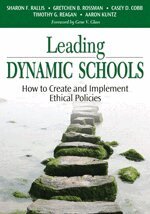
This companion book to Principals of Dynamic Schools and Dynamic Teachers brings to life the process of making and enacting educational policy and helps decision makers evaluate, interpret, and analyze the policies that govern their schools.
In accessible language, Leading Dynamic Schools presents educational leaders with a conceptual framework for developing effective and ethical school policies. Organized by key issues such as English Language Learners, inclusion, and bullying, the text incorporates vignettes, research, and relevant theories to illustrate how readers can:
Create a dialogue that represents the needs of all stakeholdersDefine relevant policies that are ethically soundIntegrate legally mandated policies with schoolwide resolutionsProviding a forum for critical reflection and community deliberation, this insightful resource offers a practical policy-making process that encourages thoughtful leadership and schoolwide collaboration.
550 kr
Skickas inom 3-6 vardagar
"Because the authors are critically aware of even the smallest detail and its ultimate effects on policy and stakeholders, their conclusions are not only logical but very well thought out and can be applied for maximum benefit."—Michael Fisher, Critical Thinking SpecialistStarpoint Middle School, Lockport, NY
"The authors do an excellent job of recommending practical strategies to help school leaders reason through policy dilemmas. As an academic, a former practitioner, and former member of an educational policy and advocacy organization, I give a 'hats off' to the authors for approaching educational policy and school leadership in this way."—Carri A. Schneider, Adjunct Faculty Urban Educational Leadership Program University of Cincinnati
A practical guide for creating, implementing, and evaluating school policy.
This companion book to Principals of Dynamic Schools and Dynamic Teachers brings to life the process of making and enacting educational policy and helps decision makers evaluate, interpret, and analyze the policies that govern their schools.
In accessible language, Leading Dynamic Schools presents educational leaders with a conceptual framework for developing effective and ethical school policies. Organized by key issues such as English Language Learners, inclusion, and bullying, the text incorporates vignettes, research, and relevant theories to illustrate how readers can:
Create a dialogue that represents the needs of all stakeholdersDefine relevant policies that are ethically soundIntegrate legally mandated policies with schoolwide resolutionsProviding a forum for critical reflection and community deliberation, this insightful resource offers a practical policy-making process that encourages thoughtful leadership and schoolwide collaboration.
567 kr
Skickas inom 5-8 vardagar
1 056 kr
Skickas inom 5-8 vardagar