Tom Nichols – författare
Visar alla böcker från författaren Tom Nichols. Handla med fri frakt och snabb leverans.
31 produkter
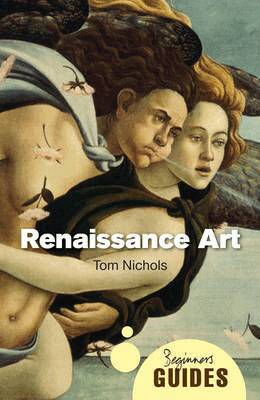
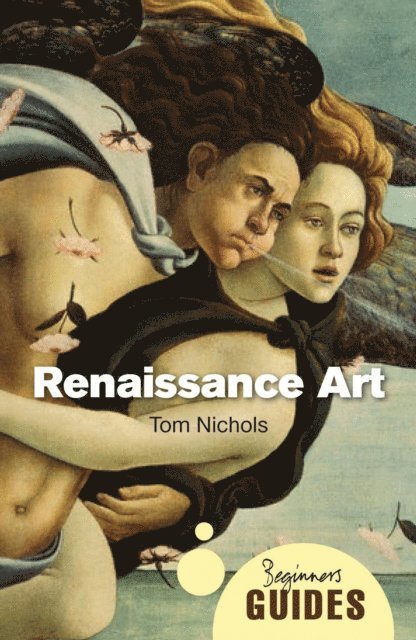
Renaissance Art
A Beginner's Guide
Av Tom Nichols
Häftad, 2010
147 kr
Lägg i varukorg
The fifteenth century saw the evolution of a distinct and powerfully influential European artistic culture. But what does the familiar phrase Renaissance Art actually refer to? Through engaging discussion of timeless works by artists such as Jan van Eyck, Leonardo da Vinci, and Michelangelo, and …
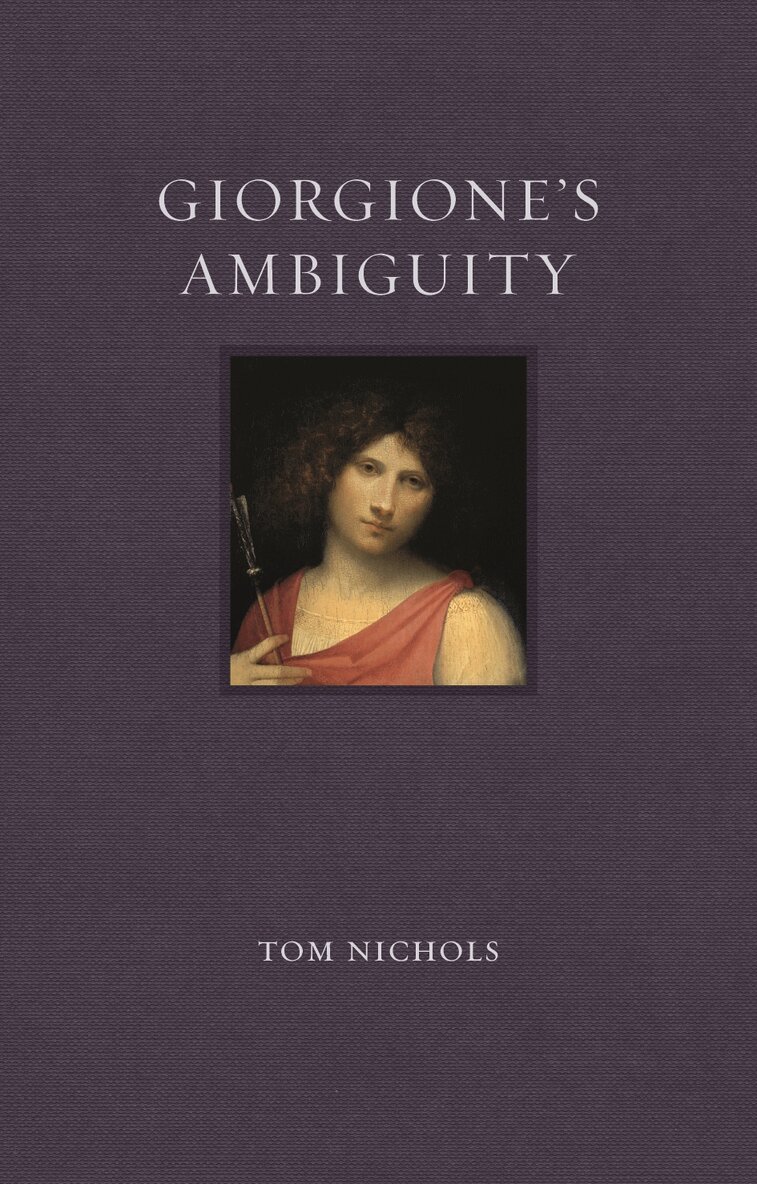
Giorgione’s Ambiguity
Av Tom Nichols
Inbunden, 2021
220 kr
Lägg i varukorg
The Venetian painter known as Giorgione or ‘big George’ died at a young age in the dreadful plague of 1510, possibly having painted fewer than 25 works. But many of these are among the most mysterious and alluring in the history of art. Paintings such as the Three Philosophers and The Tempest …
The Death of Expertise
The Campaign against Established Knowledge and Why it Matters
Av Tom Nichols
Häftad, 2019
4,0 utav 5 stjärnor. Totalt antal röster: (1)
153 kr
Lägg i varukorg
People are now exposed to more information than ever before, provided both by technology and by increasing access to every level education. These societal gains, however, have also helped fuel a surge in narcissistic and misguided intellectual egalitarianism that has crippled informed debates on …
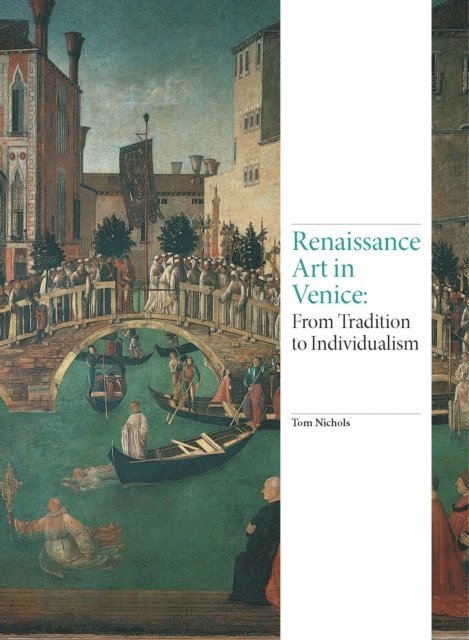
Renaissance Art in Venice
From Tradition to Individualism
Av Tom Nichols
E-bok, 2012
45 kr
Lägg i varukorg
This book examines how sustainability has the potential to transform both the fashion system and the innovators who work within it. Sustainability is arguably the defining theme of the twenty-first century. The issues in fashion are broad-ranging and include labour abuses, toxic chemicals use and …
The Death of Expertise
The Campaign Against Established Knowledge and Why it Matters
Av Tom Nichols
Inbunden, 2017
3,0 utav 5 stjärnor. Totalt antal röster: (1)
250 kr
Lägg i varukorg
People are now exposed to more information than ever before, provided both by technology and by increasing access to every level of education. These societal gains, however, have also helped fuel a surge in narcissistic and misguided intellectual egalitarianism that has crippled informed debates on …
Death of Expertise
The Campaign against Established Knowledge and Why it Matters
Av Tom Nichols
E-bok, 2017
110 kr
Lägg i varukorg
Technology and increasing levels of education have exposed people to more information than ever before. These societal gains, however, have also helped fuel a surge in narcissistic and misguided intellectual egalitarianism that has crippled informed debates on any number of issues. Today, everyone …
Death of Expertise
The Campaign against Established Knowledge and Why it Matters
Av Tom Nichols
E-bok, 2017
110 kr
Lägg i varukorg
Technology and increasing levels of education have exposed people to more information than ever before. These societal gains, however, have also helped fuel a surge in narcissistic and misguided intellectual egalitarianism that has crippled informed debates on any number of issues. Today, everyone …
Our Own Worst Enemy
The Assault from within on Modern Democracy
Av Tom Nichols
Inbunden, 2021
271 kr
Lägg i varukorg
A contrarian yet highly engaging account of the spread of illiberal and anti-democratic sentiment throughout our culture that places responsibility on the citizens themselves.Over the past three decades, citizens of democracies who claim to value freedom, tolerance, and the rule of law have …
Our Own Worst Enemy
The Assault from within on Modern Democracy
Av Tom Nichols
E-bok, 2021
110 kr
Lägg i varukorg
A contrarian yet highly engaging account of the spread of illiberal and anti-democratic sentiment throughout our culture that places responsibility on the citizens themselves. Over the past three decades, citizens of democracies who claim to value freedom, tolerance, and the rule of law have …
Our Own Worst Enemy
The Assault from within on Modern Democracy
Av Tom Nichols
E-bok, 2021
110 kr
Lägg i varukorg
A contrarian yet highly engaging account of the spread of illiberal and anti-democratic sentiment throughout our culture that places responsibility on the citizens themselves. Over the past three decades, citizens of democracies who claim to value freedom, tolerance, and the rule of law have …
Our Own Worst Enemy
The Assault from within on Modern Democracy
Av Tom Nichols
Häftad, 2023
213 kr
Lägg i varukorg
A contrarian yet highly engaging account of the spread of illiberal and anti-democratic sentiment throughout our culture that places responsibility on the citizens themselves.Over the past three decades, citizens of democracies who claim to value freedom, tolerance, and the rule of law have …
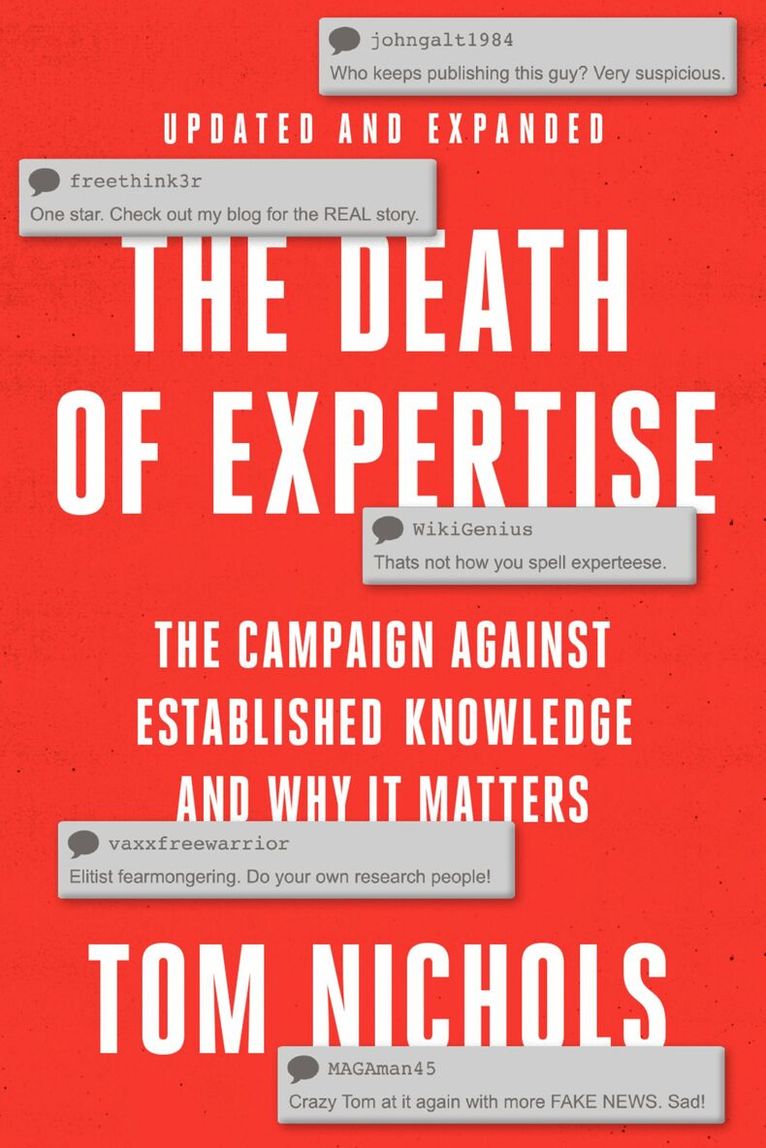
The Death of Expertise
The Campaign against Established Knowledge and Why it Matters
Av Tom Nichols
Inbunden, 2024
858 kr
Lägg i varukorg
Building on his enormously successful first edition, Tom Nichols confirms his thesis that events, such as the COVID pandemic, prove that the assault on expertise has only intensified.Fully updated chapters continue to address how technology and increasing levels of education have exposed people to …
The Death of Expertise
The Campaign against Established Knowledge and Why it Matters
Av Tom Nichols
Häftad, 2024
200 kr
Lägg i varukorg
Building on his enormously successful first edition, Tom Nichols confirms his thesis that events, such as the COVID pandemic, prove that the assault on expertise has only intensified.Fully updated chapters continue to address how technology and increasing levels of education have exposed people to …
Death of Expertise
The Campaign against Established Knowledge and Why it Matters
Av Tom Nichols
E-bok, 2024
196 kr
Lägg i varukorg
Building on his enormously successful first edition, Tom Nichols confirms his thesis that events, such as the COVID pandemic, prove that the assault on expertise has only intensified. Fully updated chapters continue to address how technology and increasing levels of education have exposed people to …
Death of Expertise
The Campaign against Established Knowledge and Why it Matters
Av Tom Nichols
E-bok, 2024
196 kr
Lägg i varukorg
Building on his enormously successful first edition, Tom Nichols confirms his thesis that events, such as the COVID pandemic, prove that the assault on expertise has only intensified. Fully updated chapters continue to address how technology and increasing levels of education have exposed people to …
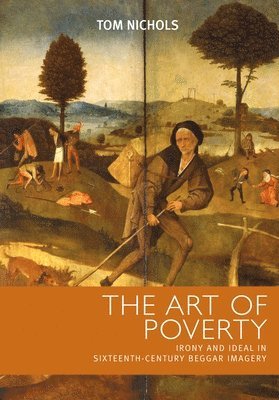
Art of Poverty
Irony and Ideal in Sixteenth-Century Beggar Imagery
Av Tom Nichols
Inbunden, 2007
1236 kr
Lägg i varukorg
The art of poverty is the first book in English to analyse depictions of beggars in sixteenth-century European art. Featuring works from Germany, the Low Countries, Britain, France and Italy, it discusses a diverse body of imagery in many different media, from crude woodcuts to monumental church …
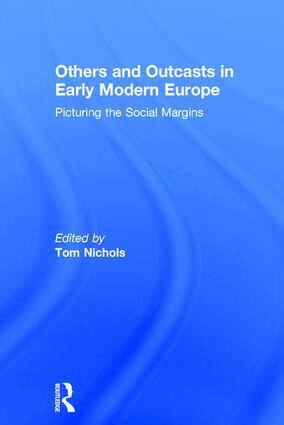
Others and Outcasts in Early Modern Europe
Picturing the Social Margins
Av Tom Nichols
Inbunden, 2007
2588 kr
Lägg i varukorg
Others and Outcasts in Early Modern Europe is the first book to focus directly on the visual representation of marginal and outcast people in early modern Europe. The volume offers a comprehensive and groundbreaking analysis of a wide range of images featuring Jews and Turks, roguish beggars, …
Tactical Nuclear Weapons and NATO
Av Tom Nichols, Douglas Stuart m. fl.
Inbunden, 2025
461 kr
Lägg i varukorg
Tactical Nuclear Weapons and NATO
Av Tom Nichols, Douglas Stuart m. fl.
Häftad, 2025
356 kr
Lägg i varukorg
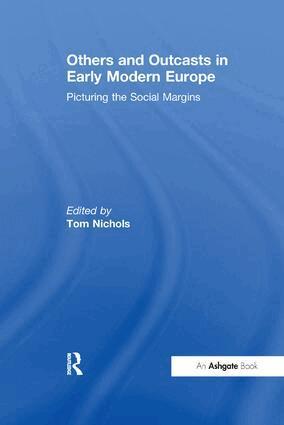
Others and Outcasts in Early Modern Europe
Picturing the Social Margins
Av Tom Nichols
Häftad, 2017
894 kr
Lägg i varukorg
Others and Outcasts in Early Modern Europe is the first book to focus directly on the visual representation of marginal and outcast people in early modern Europe. The volume offers a comprehensive and groundbreaking analysis of a wide range of images featuring Jews and Turks, roguish beggars, …
Tactical Nuclear Weapons and NATO
Av Tom Nichols, Douglas Stuart m. fl.
Häftad, 2012
448 kr
Lägg i varukorg
Her Majesty's Yankee
Av Tom Nichols
Ljudbok, 2012
364 kr
Lägg i varukorg
This is the prequel to PINKERTON'S GOLD, and is the first book in the series featuring the American West adventures of John Whyte, an ex-officer from the British Army. John arrives in America just in time for the Civil War and joins the Union side working directly for Abe Lincoln. His first …
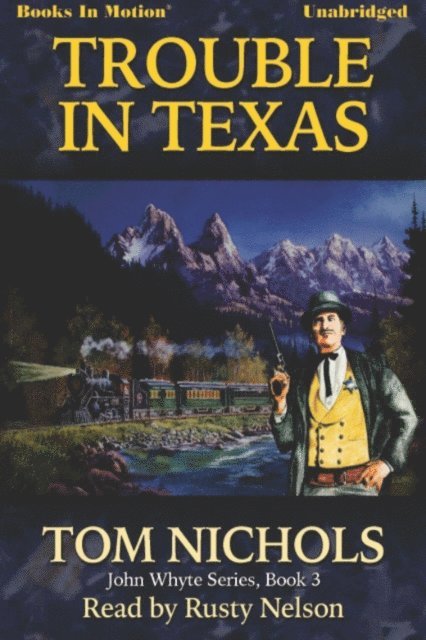
Trouble in Texas
Av Tom Nichols
Ljudbok, 2012
372 kr
Lägg i varukorg
John Whyte, the estranged, youngest brother of the Duke of Bransworth, and late Colonel of the Ist Brigade, Michigan Volunteer Cavalry during the Civil War, is at loose ends. The war has ended and he has tragically lost his fiancee to a needless attack by a wayward confederate soldier. He decides …
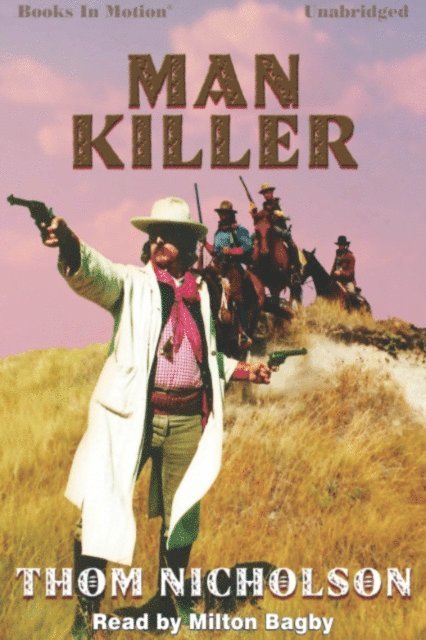
Man Killer
Av Tom Nichols
Ljudbok, 2013
372 kr
Lägg i varukorg
Out of the ashes of a Confederate defeat, soldier Martin Keller heads west for a new life as a rancher. But hard times like these call for more practical means of survival - such as riding posse alongside the Texas Rangers. It's not a job that comes without risk or enemies, as Keller discovers the …
Tactical Nuclear Weapons and NATO
Av Strategic Studies Institute, Tom Nichols m. fl.
Häftad, 2012
275 kr
Lägg i varukorg
Renaissance Art
A Beginner''s Guide
Av Tom Nichols
E-bok, 2012
80 kr
Lägg i varukorg
The fifteenth century saw the evolution of a distinct and powerfully influential European artistic culture. But what does the familiar phrase Renaissance Art actually refer to? Through engaging discussion of timeless works by artists such as Jan van Eyck, Leonardo da Vinci, and Michelangelo, and …
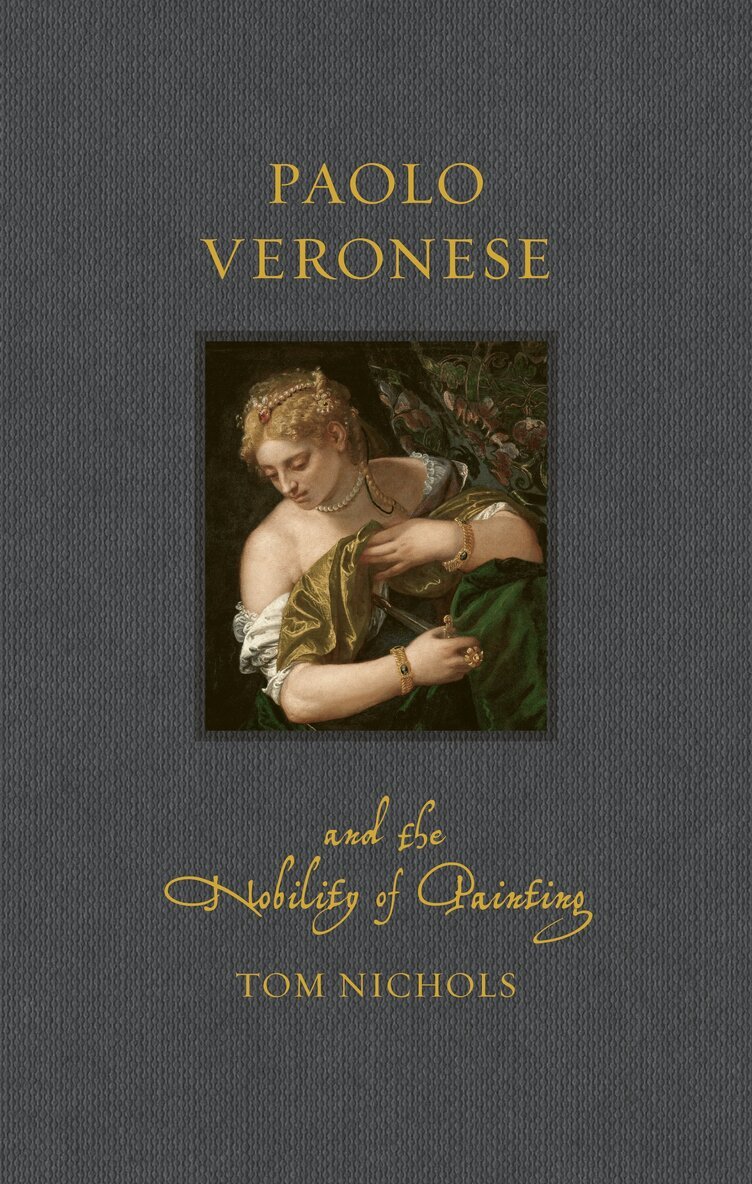
Paolo Veronese and the Nobility of Painting
Av Tom Nichols
Inbunden, 2026
203 kr
Lägg i varukorg
Paolo Veronese’s sumptuous paintings, with their vibrant colours and theatrical elegance, have often been admired for their surface beauty but also questioned for perceived excess and detachment. In this incisive study, Tom Nichols reconsiders Veronese’s pictorial language not as superficial …
Tactical Nuclear Weapons and NATO (Enlarged Edition)
Av Tom Nichols, Douglas Stuart m. fl.
Häftad, 2013
464 kr
Tillfälligt slut
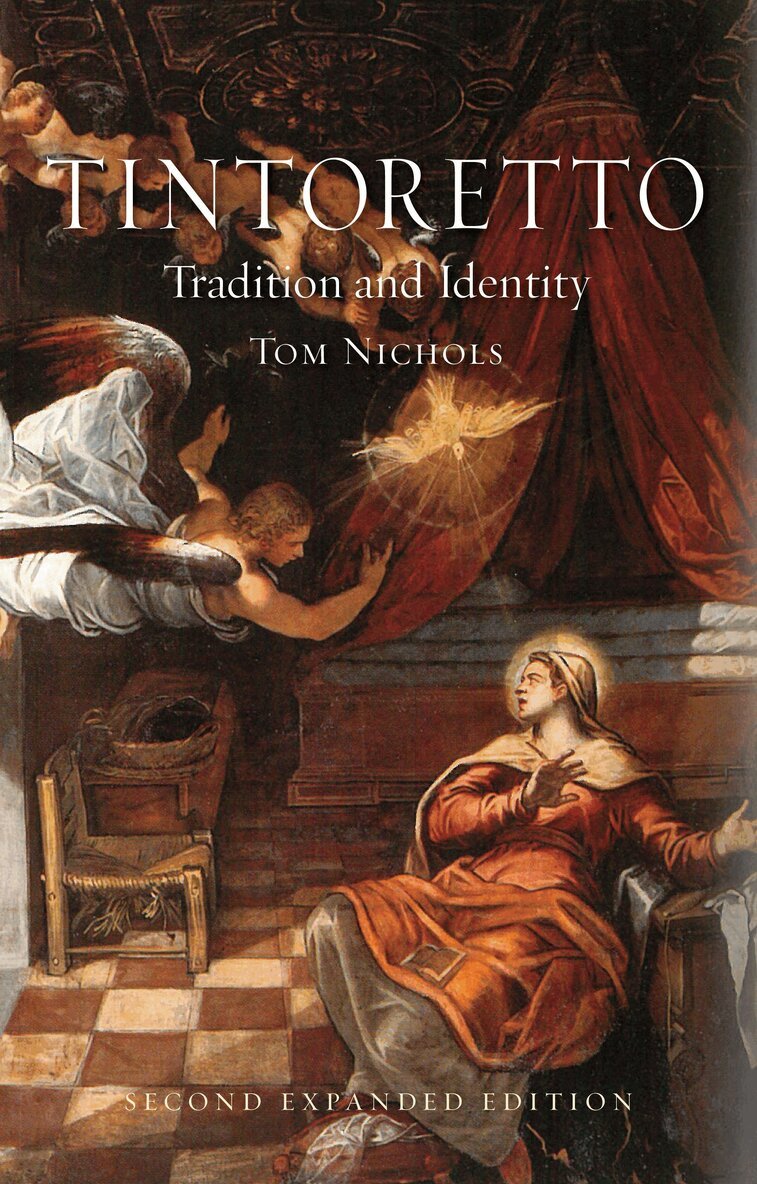
Tintoretto
Tradition and Identity, Second Expanded Edition
Av Tom Nichols
Häftad, 2015
314 kr
Tillfälligt slut
The Venetian painter Jacopo Tintoretto (1518–1594) is an ambiguous figure in the history of art. Critics and writers such as Vasari, Ruskin and Sartre all placed him in opposition to the established artistic practice of his time, noting that he had abandoned the values that typified the venerable …