Tove Skutnabb-Kangas – författare
Visar alla böcker från författaren Tove Skutnabb-Kangas. Handla med fri frakt och snabb leverans.
24 produkter
Language Rights
Av Tove Skutnabb-Kangas, Robert Phillipson
2016
21406 kr
Lägg i varukorg
Research on Language Rights has produced an enormous—and unwieldy—corpus of literature. Such work often has limitations because scholars from different disciplinary traditions have seldom coordinated their concerns or integrated the conceptual traditions of particular fields. To enable researchers …
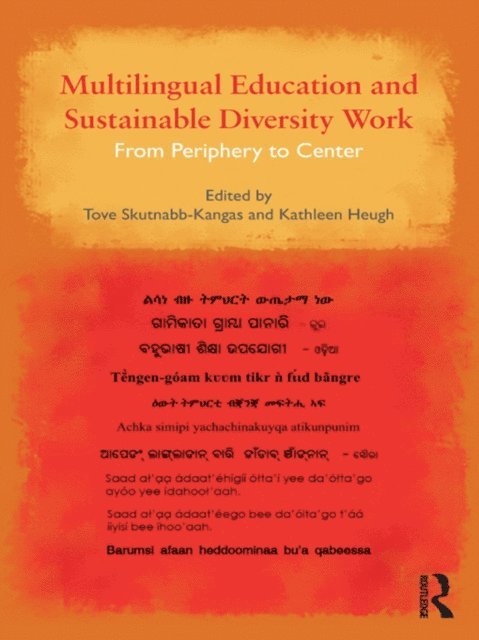
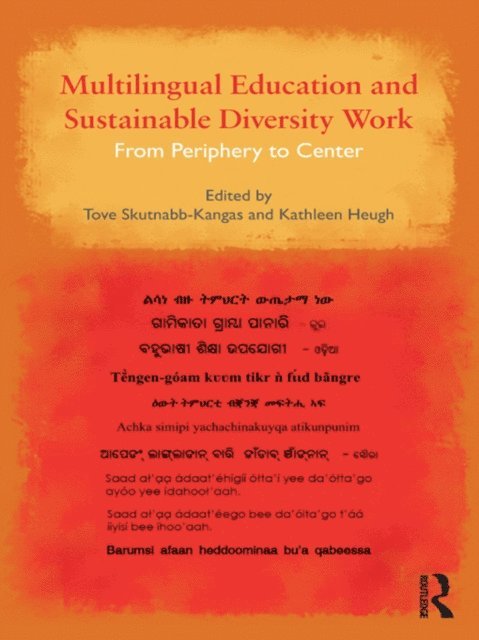
Multilingual Education and Sustainable Diversity Work
From Periphery to Center
Av Tove Skutnabb-Kangas, Kathleen Heugh
Inbunden, 2011
2659 kr
Lägg i varukorg
This very original, inspirational book globalises our understanding of languages in education and changes our understanding of bilingual and multilingual education from something mostly western to being truly transnational: it spotlights the small, celebrates African and Asian cases of multilingual …
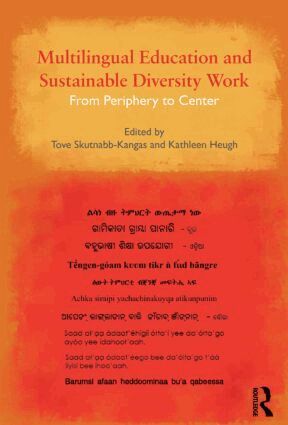
Multilingual Education and Sustainable Diversity Work
From Periphery to Center
Av Tove Skutnabb-Kangas, Kathleen Heugh
Häftad, 2011
867 kr
Lägg i varukorg
This very original, inspirational book globalises our understanding of languages in education and changes our understanding of bilingual and multilingual education from something mostly western to being truly transnational: it spotlights the small, celebrates African and Asian cases of multilingual …
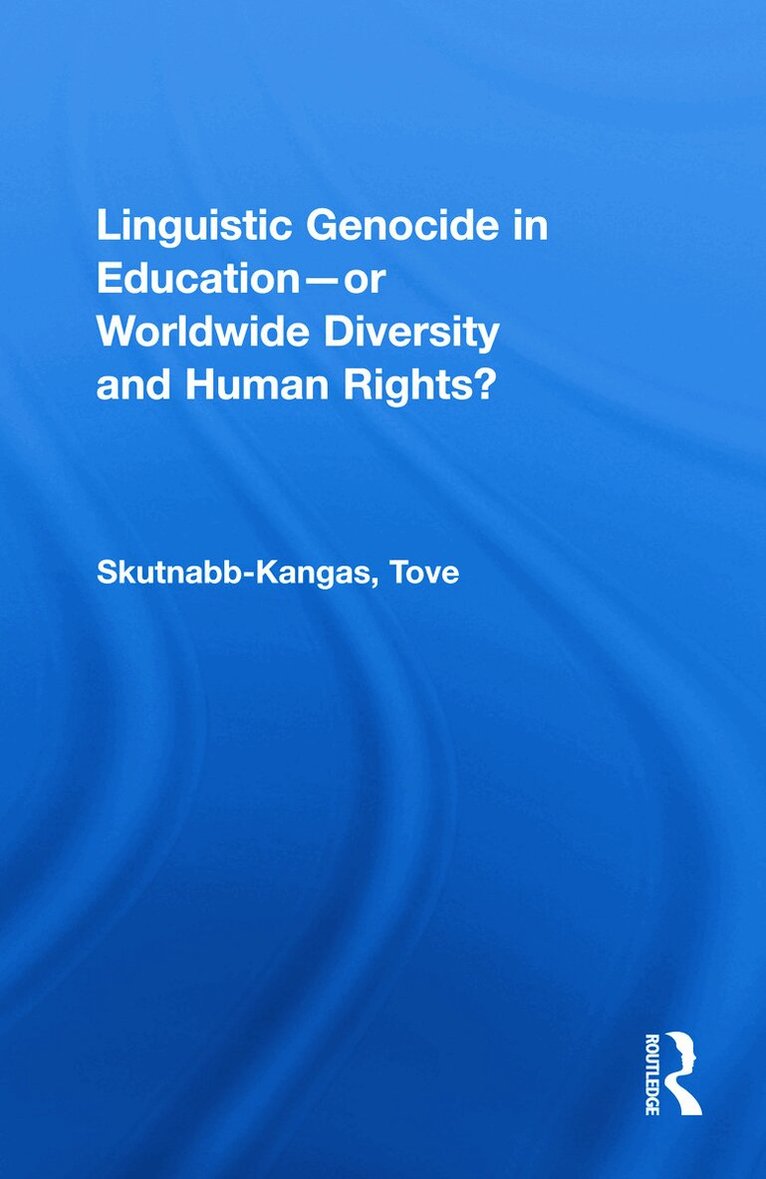
Linguistic Genocide in Education--or Worldwide Diversity and Human Rights?
Inbunden, 2000
2969 kr
Lägg i varukorg
In this powerful, multidisciplinary book, Tove Skutnabb-Kangas shows how most indigenous and minority education contributes to linguistic genocide according to United Nations definitions. Theory is combined with a wealth of factual encyclopedic information and with many examples and vignettes. The …
Linguistic Genocide in Education--or Worldwide Diversity and Human Rights?
Häftad, 2000
1925 kr
Lägg i varukorg
In this powerful, multidisciplinary book, Tove Skutnabb-Kangas shows how most indigenous and minority education contributes to linguistic genocide according to United Nations definitions. Theory is combined with a wealth of factual encyclopedic information and with many examples and vignettes. The …
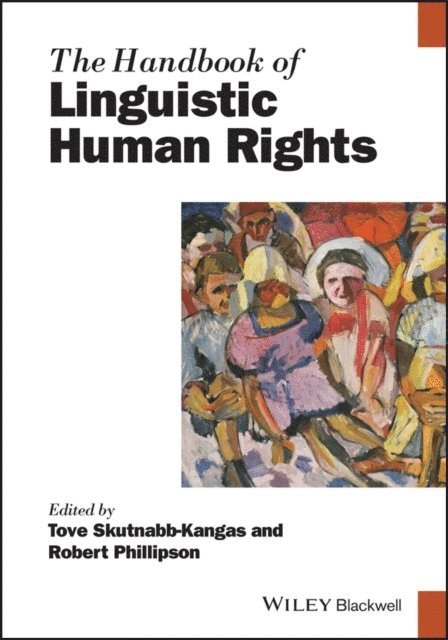
Handbook of Linguistic Human Rights
Av Tove Skutnabb-Kangas, Robert Phillipson
Häftad, 2024
581 kr
Lägg i varukorg
A groundbreaking new work that sheds light on case studies of linguistic human rights around the world, raising much-needed awareness of the struggles of many peoples and communities The first book of its kind, the Handbook of Linguistic Human Rights presents a diverse range of theoretically …
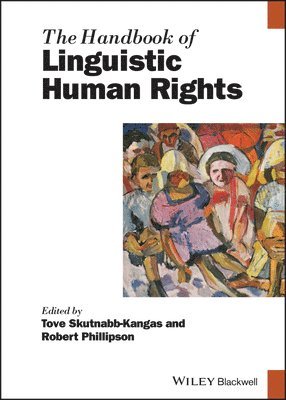
Handbook of Linguistic Human Rights
Av Tove Skutnabb-Kangas, Tove Skutnabb-Kangas m. fl.
Inbunden, 2022
2144 kr
Lägg i varukorg
A groundbreaking new work that sheds light on case studies of linguistic human rights around the world, raising much-needed awareness of the struggles of many peoples and communities The first book of its kind, the Handbook of Linguistic Human Rights presents a diverse range of theoretically …
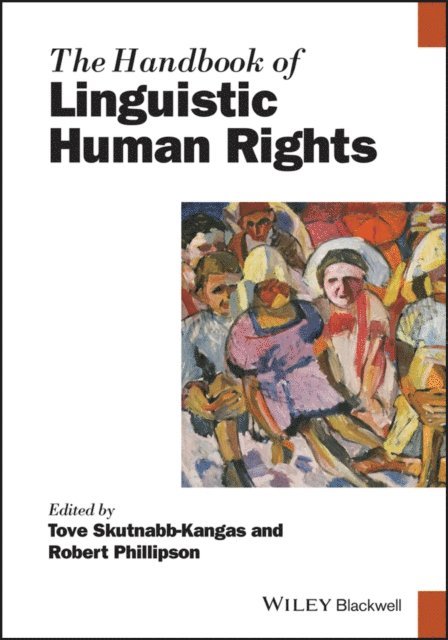
Handbook of Linguistic Human Rights
Av Robert Phillipson, Tove Skutnabb-Kangas
E-bok, 2022
2446 kr
Lägg i varukorg
A groundbreaking new work that sheds light on case studies of linguistic human rights around the world, raising much-needed awareness of the struggles of many peoples and communities The first book of its kind, the Handbook of Linguistic Human Rights presents a diverse range of theoretically …
Handbook of Linguistic Human Rights
Av Robert Phillipson, Tove Skutnabb-Kangas
E-bok, 2022
671 kr
Lägg i varukorg
A groundbreaking new work that sheds light on case studies of linguistic human rights around the world, raising much-needed awareness of the struggles of many peoples and communities The first book of its kind, the Handbook of Linguistic Human Rights presents a diverse range of theoretically …
Linguistic Genocide in Education--or Worldwide Diversity and Human Rights?
E-bok, 2013
2222 kr
Lägg i varukorg
In this powerful, multidisciplinary book, Tove Skutnabb-Kangas shows how most indigenous and minority education contributes to linguistic genocide according to United Nations definitions. Theory is combined with a wealth of factual encyclopedic information and with many examples and vignettes. The …
Linguistic Genocide in Education--or Worldwide Diversity and Human Rights?
E-bok, 2013
2289 kr
Lägg i varukorg
In this powerful, multidisciplinary book, Tove Skutnabb-Kangas shows how most indigenous and minority education contributes to linguistic genocide according to United Nations definitions. Theory is combined with a wealth of factual encyclopedic information and with many examples and vignettes. The …
Multilingual Education and Sustainable Diversity Work
From Periphery to Center
Av Kathleen Heugh, Tove Skutnabb-Kangas
E-bok, 2013
1064 kr
Lägg i varukorg
This very original, inspirational book globalises our understanding of languages in education and changes our understanding of bilingual and multilingual education from something mostly western to being truly transnational: it spotlights the small, celebrates African and Asian cases of multilingual …
Multilingual Education and Sustainable Diversity Work
From Periphery to Center
Av Kathleen Heugh, Tove Skutnabb-Kangas
E-bok, 2013
1088 kr
Lägg i varukorg
This very original, inspirational book globalises our understanding of languages in education and changes our understanding of bilingual and multilingual education from something mostly western to being truly transnational: it spotlights the small, celebrates African and Asian cases of multilingual …
Social Justice through Multilingual Education
Av Tove Skutnabb-Kangas, Robert Phillipson m. fl.
Häftad, 2009
485 kr
Lägg i varukorg
The principles for enabling children to become fully proficient multilinguals through schooling are well known. Even so, most indigenous/tribal, minority and marginalised children are not provided with appropriate mother-tongue-based multilingual education (MLE) that would enable them to succeed in …
Revitalising Indigenous Languages
How to Recreate a Lost Generation
Av Marja-Liisa Olthuis, Suvi Kivelä m. fl.
Häftad, 2013
485 kr
Lägg i varukorg
The book tells the story of the Indigenous Aanaar Saami language (around 350 speakers) and cultural revitalisation in Finland. It offers a new language revitalisation method that can be used with Indigenous and minority languages, especially in cases where the native language has been lost among …
Revitalising Indigenous Languages
How to Recreate a Lost Generation
Av Marja-Liisa Olthuis, Suvi Kivelä m. fl.
Inbunden, 2013
1677 kr
Lägg i varukorg
The book tells the story of the Indigenous Aanaar Saami language (around 350 speakers) and cultural revitalisation in Finland. It offers a new language revitalisation method that can be used with Indigenous and minority languages, especially in cases where the native language has been lost among …
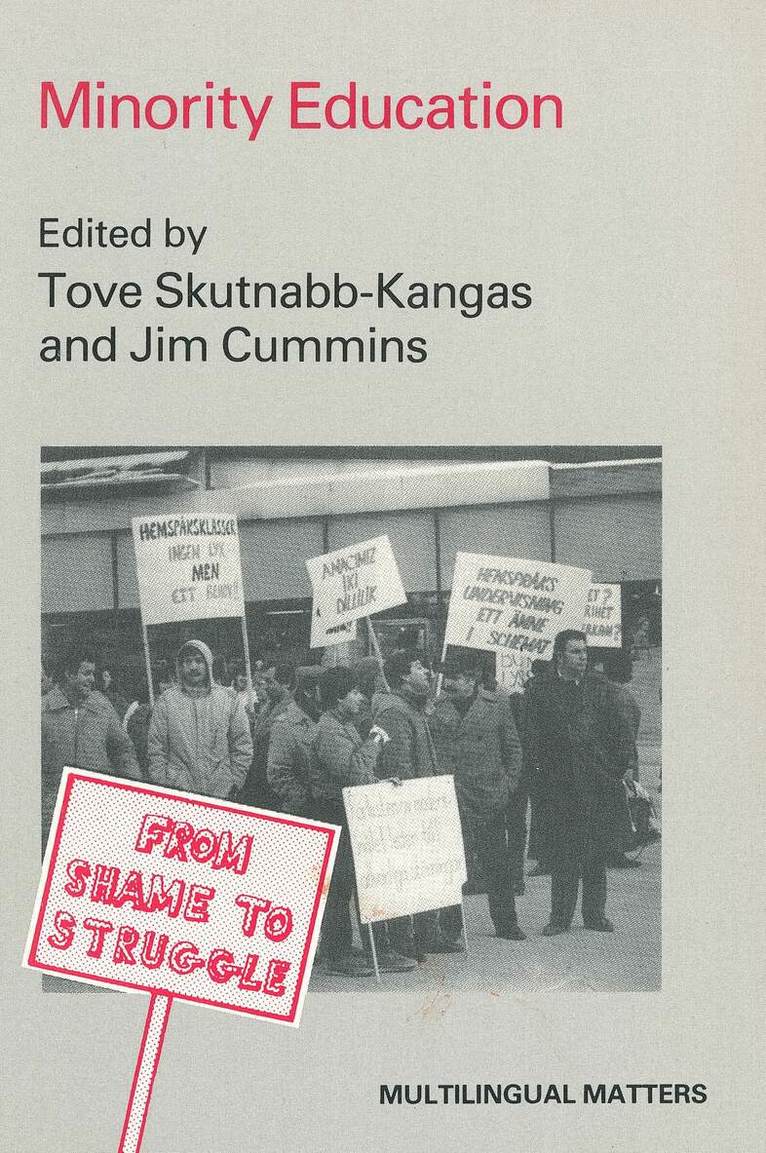
Minority Education: From Shame to Struggle
Av Tove Skutnabb-Kangas, Jim Cummins
Häftad, 1988
416 kr
Lägg i varukorg
In both Europe and North America during the past 20 years, controversy has surrounded the education of children from linguistic minority backgrounds. An increasing number of minority children are experiencing difficulties at school and many leave school with no formal qualifications. There are …
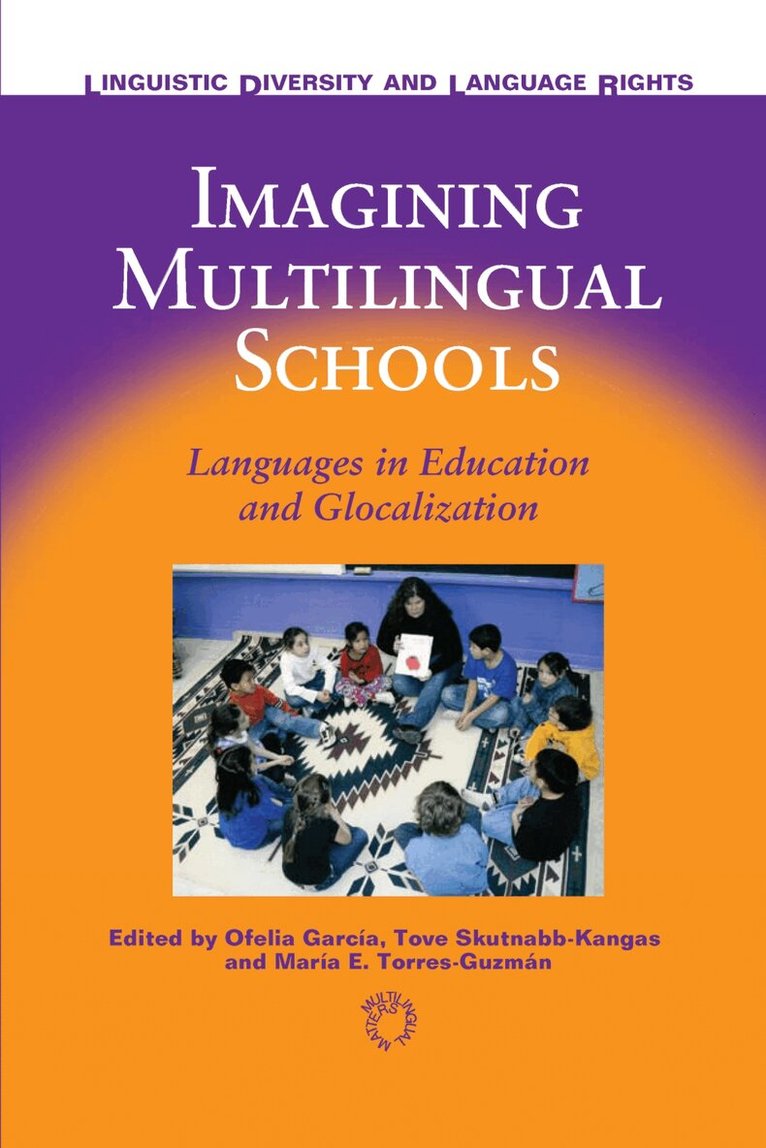
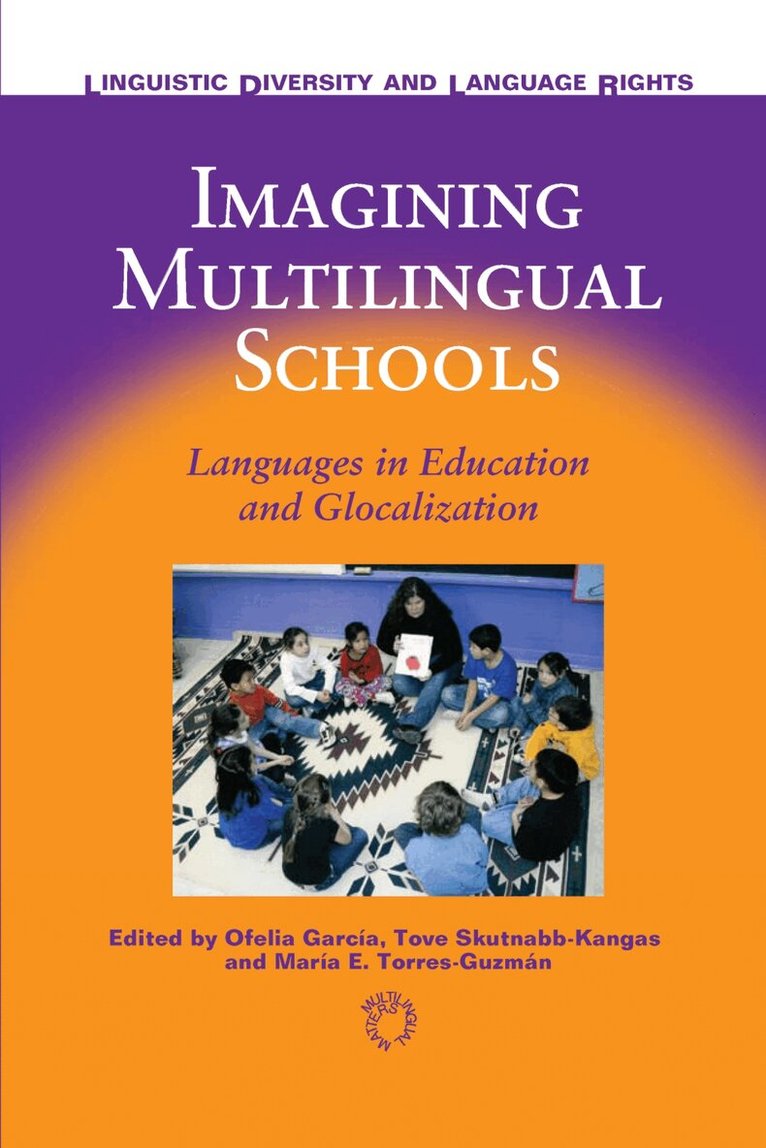
Imagining Multilingual Schools
Languages in Education and Glocalization
Av Ofelia García, Tove Skutnabb-Kangas m. fl.
Häftad, 2006
475 kr
Lägg i varukorg
This book brings together visions and realities of multilingual schools throughout the world in order to examine the pedagogical, socioeducational, and sociopolitical issues that impact on their development and success. The chapters describe and analyze pedagogical, instructional, and policy …
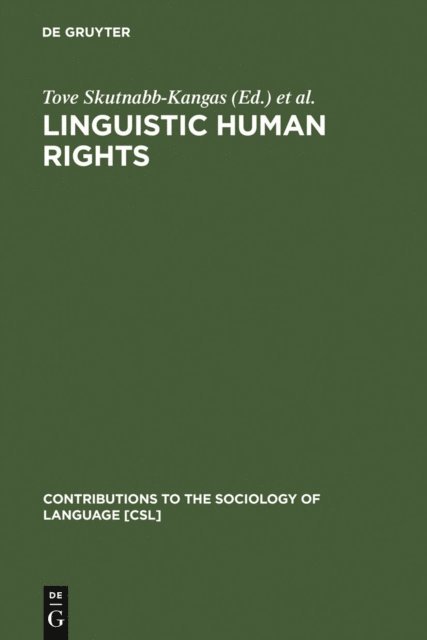
Linguistic Human Rights
Overcoming Linguistic Discrimination
Av Tove Skutnabb-Kangas, Robert Phillipson
Inbunden, 1995
2386 kr
Lägg i varukorg
No detailed description available for "Linguistic Human Rights".
Linguistic Human Rights
Overcoming Linguistic Discrimination
Av Tove Skutnabb-Kangas, Robert Phillipson
Häftad, 1995
816 kr
Lägg i varukorg
Only a few hundred of the world's 6,000-7,000 languages have any kind of official status, and it is only speakers of official languages (speakers of dominant majority languages) who enjoy all linguistic human rights. As many of the collected papers in this book document, most linguistic minorities …
Linguistic Human Rights
Overcoming Linguistic Discrimination
Av Robert Phillipson, Tove Skutnabb-Kangas
E-bok, 2010
2182 kr
Lägg i varukorg
No detailed description available for "e;Linguistic Human Rights"e;.
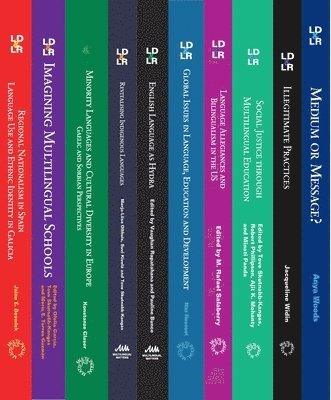
Linguistic Diversity and Language Rights Collection (Vols 1-10)
Inbunden, 2016
8762 kr
Tillfälligt slut
Social Justice through Multilingual Education
Av Tove Skutnabb-Kangas, Robert Phillipson m. fl.
Inbunden, 2009
1439 kr
Tillfälligt slut
The principles for enabling children to become fully proficient multilinguals through schooling are well known. Even so, most indigenous/tribal, minority and marginalised children are not provided with appropriate mother-tongue-based multilingual education (MLE) that would enable them to succeed in …
Imagining Multilingual Schools
Languages in Education and Glocalization
Av Ofelia García, Tove Skutnabb-Kangas m. fl.
Inbunden, 2006
1439 kr
Tillfälligt slut
This book brings together visions and realities of multilingual schools throughout the world in order to examine the pedagogical, socioeducational, and sociopolitical issues that impact on their development and success. The chapters describe and analyze pedagogical, instructional, and policy …