Ulrike Grote – författare
Visar alla böcker från författaren Ulrike Grote. Handla med fri frakt och snabb leverans.
5 produkter
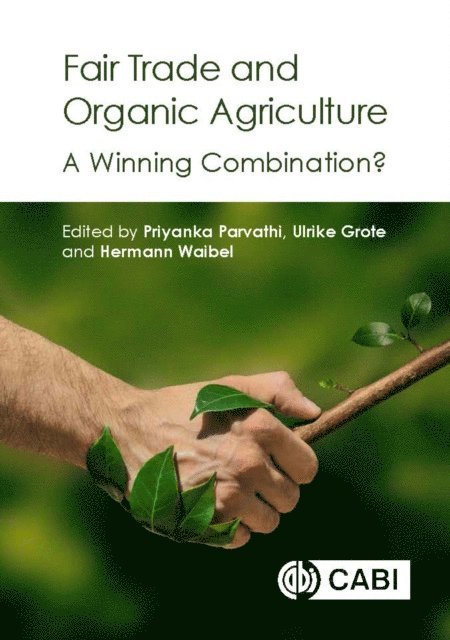
Fair Trade and Organic Agriculture
A Winning Combination?
Av Priyanka Parvathi, Ulrike Grote m. fl.
Inbunden, 2017
1451 kr
Lägg i varukorg
The markets for organic and fair trade certified commodities are growing rapidly, with environmentally sound and more equitable certification systems likely to offer benefits for both small-scale farmers and society at large. Despite much debate about their contribution to sustainability, there has …
Fair Trade and Organic Agriculture
A Winning Combination?
Av Priyanka Parvathi, Ulrike Grote m. fl.
E-bok, 2017
1498 kr
Lägg i varukorg
The markets for organic and fair trade certified commodities are growing rapidly, with environmentally sound and more equitable certification systems likely to offer benefits for both small-scale farmers and society at large. Despite much debate about their contribution to sustainability, there has …
Fair Trade and Organic Agriculture
A Winning Combination?
Av Priyanka Parvathi, Ulrike Grote m. fl.
E-bok, 2017
1498 kr
Lägg i varukorg
The markets for organic and fair trade commodities are growing rapidly, so it is vital to assess if it is feasible to meet growing demands regarding food safety, quality and ethics through smallholder and marginal producers. This book analyses sustainable development and poverty reduction through …
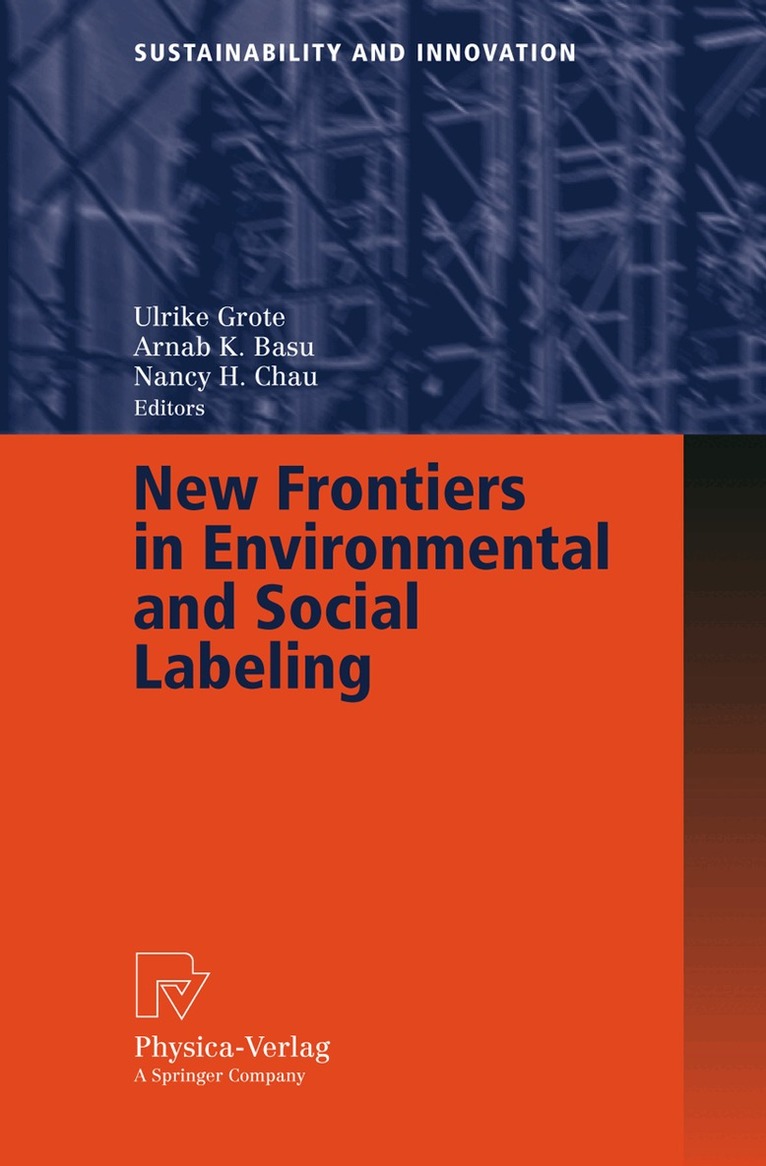
New Frontiers in Environmental and Social Labeling
Av Ulrike Grote, Arnab K. Basu m. fl.
Häftad, 2006
1098 kr
Lägg i varukorg
The attractiveness of product labeling stems from their voluntary nature to achieve environmental and social goals. It is argued that through product price premia which reflect the willingness of consumers to pay more for green and socially conscious products, labels have the potential to generate …
New Frontiers in Environmental and Social Labeling
Av Nancy H. Chau, Arnab K. Basu m. fl.
E-bok, 2007
1459 kr
Lägg i varukorg
The attractiveness of product labeling stems from their voluntary nature to achieve environmental and social goals. It is argued that through product price premia which reflect the willingness of consumers to pay more for green and socially conscious products, labels have the potential to generate …