Ulrike Zitzlsperger – författare
Visar alla böcker från författaren Ulrike Zitzlsperger. Handla med fri frakt och snabb leverans.
9 produkter
9 produkter
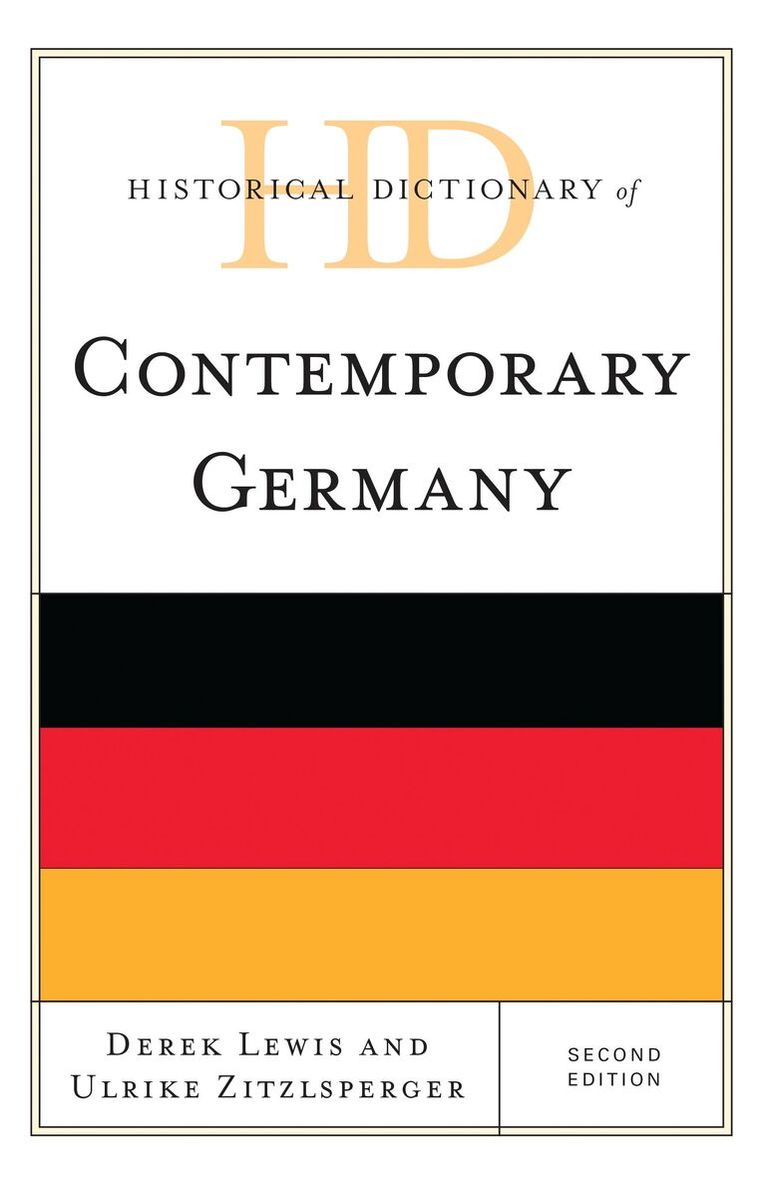
Inbunden, Engelska, 2016
2 671 kr
Skickas inom 10-15 vardagar
This second edition of Historical Dictionary of Contemporary Germanyprovides a comprehensive overview of most aspects of life and institutions in contemporary Germany. It also introduces the reader to the historical development of both East and West Germany between 1949 and 1990, and addresses the various issues arising from reunification. This second edition of Historical Dictionary of Contemporary Germany contains a chronology, an introduction, appendixes, and an extensive bibliography. The dictionary section has over 500 cross-referenced entries on important personalities, politics, economy, foreign relations, religion, and culture. This book is an excellent access point for students, researchers, and anyone wanting to know more about Germany.
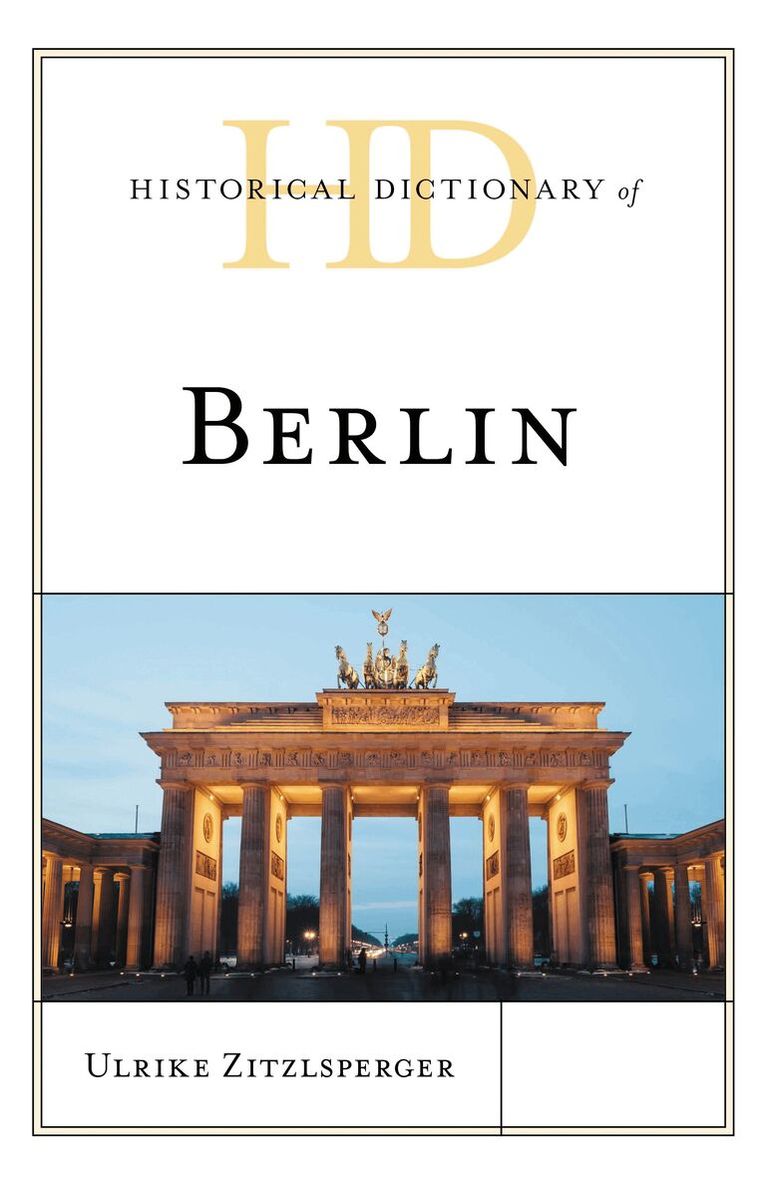
Inbunden, Engelska, 2021
1 549 kr
Skickas inom 10-15 vardagar
After World War II Berlin became one of the playgrounds of the Cold War; the Berlin Wall made the division between East and West, between ‘capitalism’ and ‘communism’ in 1961 highly visible, though it did remove Berlin from front-line politics. East and West Berlin had turned into shop-windows of ideologies – West Berlin representing the lure of a market economy, East Berlin the promise of socialism. It is, then, fitting that the fall of the Wall in 1989 awarded Berlin such a prominent role. It was here that the development after Reunification of East and West became a closely observed event – and, well beyond Germany, Berlin appeared to represent fundamental developments throughout Europe at the time. Today, Berlin is the capital of reunified Germany and therefore one of the key political players in the European Union (EU) and it’s now a desirable destination for young entrepreneurs. The Historical Dictionary of Berlin contains a chronology, an introduction, and an extensive bibliography. The dictionary section has more than 300 cross-referenced entries on important personalities, places, institutions, and events. This book is an excellent resource for students, researchers, and anyone wanting to know more about Berlin.
Häftad, Tyska, 2013
863 kr
Skickas inom 5-8 vardagar
Del 11 - Cultural History and Literary Imagination
Zeitgeschichten: Die Berliner Uebergangsjahre
Zur Verortung Der Stadt Nach Der Mauer
Häftad, Tyska, 2007
1 017 kr
Skickas inom 3-6 vardagar
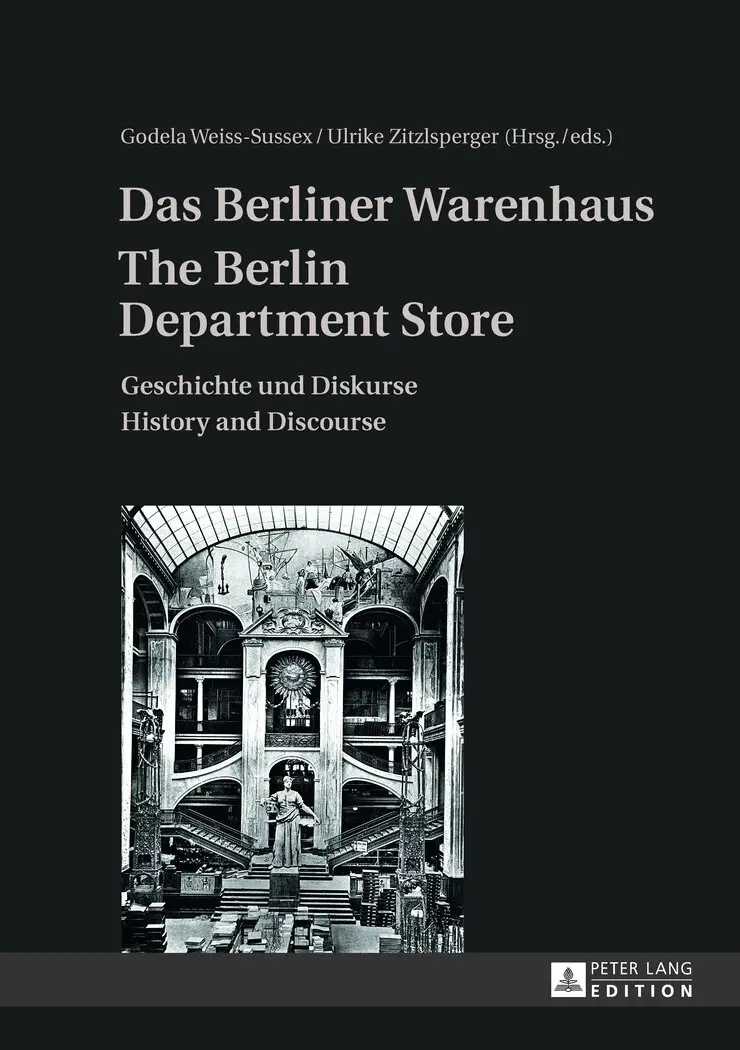
Inbunden, Engelska, 2013
844 kr
Skickas inom 5-8 vardagar
Dieser Band widmet sich dem Berliner Warenhaus des späten 19. und frühen 20. Jahrhunderts. Die interdisziplinären Beiträge behandeln das Thema im Rahmen der Ökonomiegeschichte, der Frauen- und Antisemitismusforschung, sowie im Hinblick auf Aspekte der Werbung, Stadtplanung und Architektur. Im Zentrum steht die Analyse zeitgenössischer Diskurse und Debatten um das Warenhaus als Symbol der Moderne.This interdisciplinary volume explores the history of Berlin department stores in the late 19th and early 20th centuries. The contributions consider aspects of economic history, gender-related and Jewish studies, advertising, town-planning, design and architecture. All articles focus on contemporary discourses and debates on the department store as a symbol of modernity.
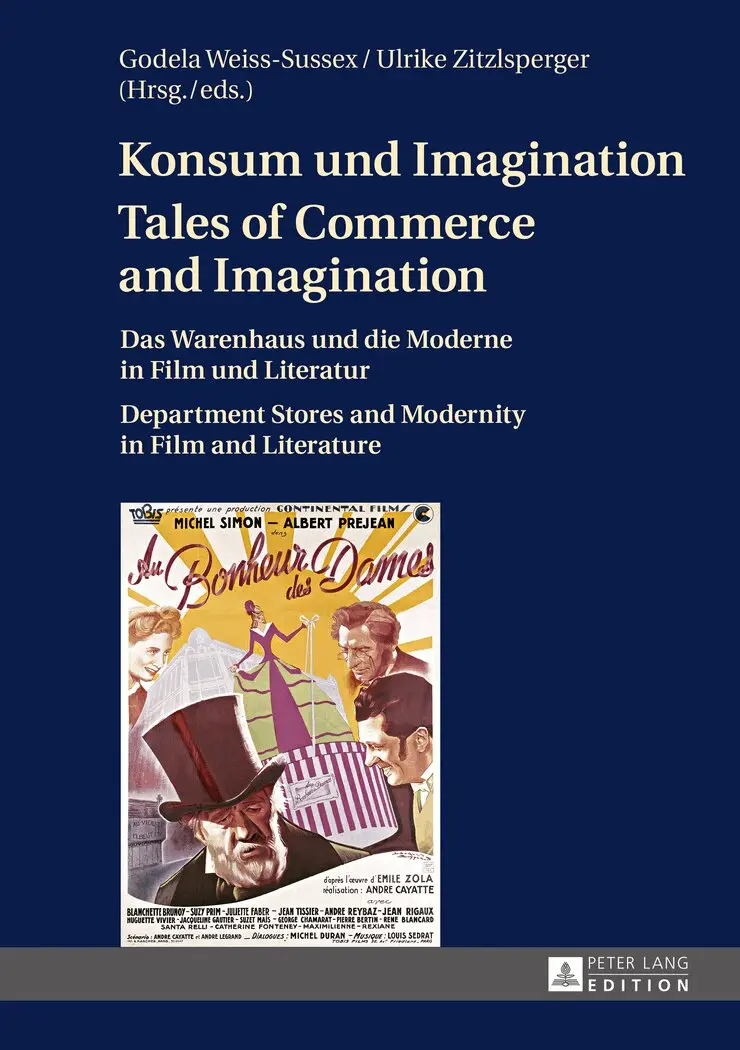
Inbunden, Engelska, 2015
980 kr
Skickas inom 5-8 vardagar
Das Warenhaus war über Deutschland hinaus bis in die 1930er-Jahre einer der kulturgeschichtlich bedeutendsten Ansatzpunkte für die Auseinandersetzung mit der Moderne und der Konsumkultur. Die Autoren und Autorinnen dieses Bandes zeigen sowohl den Facettenreichtum des Warenhaus-Diskurses in der Literatur, dem Feuilleton, in Musicals und im Film als auch die Bandbreite der teils sozial-und kulturkritischen, teils fortschrittsorientierten Thematisierungen auf. Dabei kommen Romane von Zola, Brecht und Fallada sowie Schriften weniger bekannter Autoren zur Sprache. Das emanzipatorische Potenzial des Warenhausthemas findet ebenso Beachtung wie waren- und konsumästhetische Strategien, die in Literatur, Film und anderen Medien reflektiert werden.Until the 1930s department stores provided, in Germany as elsewhere, one of the focal points of cultural and critical engagement with modernity and consumer culture. The authors of this volume explore the diversity of the discourse on department stores in literature, the feuilleton, musicals and film. They demonstrate the scope of the discourse from cultural criticism to more progress-oriented examinations of the theme. Novels by Zola, Brecht and Fallada are discussed, as well as writings by lesser known authors. Attention is paid to the emancipatory potential of department stores as well as to the aesthetics of consumption as reflected in literature, film and other media.
E-bok
PDF, Tyska, 2018148 kr
Läs direkt efter köp
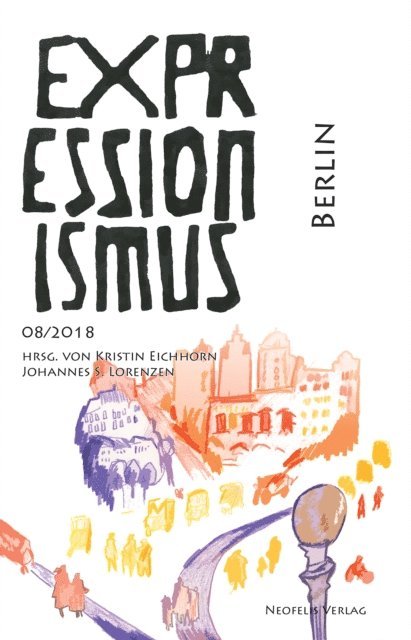
Als Prototyp der modernen Großstadt ist Berlin häufig Gegenstand expressionistischer Kunst gewesen, sei es im Film, in der Literatur oder in der bildenden Kunst: Walther Ruttmanns Berlin. Die Sinfonie der Großstadt, Alfred Döblins Berlin Alexanderplatz sowie die Werke von Ernst Ludwig Kirchner oder George Grosz sind berühmte Beispiele für diese Tendenz. Außerdem zieht Berlin als Wohn- und Wirkungsort zahlreiche Künstler*innen an, die sich oft bewusst dort niederlassen und sich mit Gleichgesinnten vernetzen. So verlagerte bekanntlich die Brücke ihr Zentrum von Dresden nach Berlin. Im literarischen Bereich ist vor allem an das Neopathetische Cabaret bzw. den Neuen Club um Kurt Hiller zu erinnern. Hinzu kommt, dass für den Expressionismus wichtige Verlage wie S. Fischer, daneben aber auch Neugründungen (z.B. Heinrich F.S. Bachmair oder Die Schmiede) in Berlin ansässig waren und zentrale expressionistische Zeitschriften wie Der Sturm oder Die Aktion gleichfalls von Berlin ausgingen.Das Heft geht diesem Phänomen aus verschiedenen Perspektiven nach. Die Beiträge beschäftigen sich exemplarisch mit der Darstellung Berlins im Werk einzelner Künstlerinnen und Künstler (Fritz Ascher, Kurt Kroner, Else Lasker-Schüler, Paul Gurk). Hinzu kommen Untersuchungen zur Darstellung Berlins in Film und Fotografie, zu expressionistischen Bauten in Berlin sowie zur belgischen Perspektive auf Berlin.
E-bok
PDF, Tyska, 2023209 kr
Läs direkt efter köp
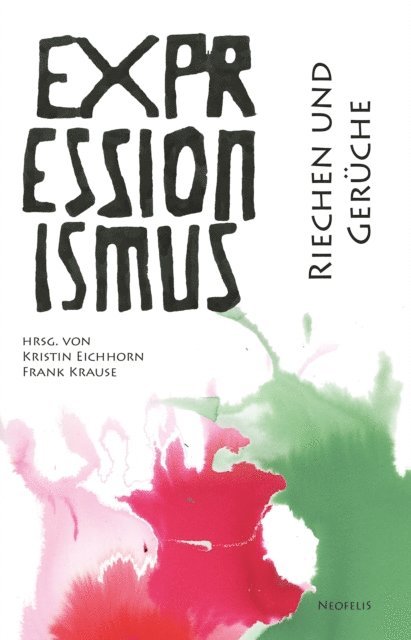
Seit den frühen 1980er Jahren hat sich die Forschung zur Kulturgeschichte des Geruchssinns vom Nischenansatz zu einem gewichtigen Zweig der Historiografie entwickelt, der auch die Medien, Projekte, Themen und Tropen der Kunst, Musik und Literatur in ein neues Licht rückt. Der Expressionismus, der häufig als spezifisch deutsche Bewegung gilt, hat in der einschlägigen Forschung, die vor allem im anglo- und frankophonen Sprachraum betrieben wird, bislang zu Unrecht nur wenig Beachtung gefunden. Die expressionistische Zivilisations- und Kulturkritik in Literatur, Kunst und Film thematisiert oft geruchsintensive Erfahrungen von Krieg, Tod und Verfall, und sie stellt den Versuch einer hygienischen Desodorierung sozialer Räume zum Teil kritisch dar.Für manche messianische Expressionist*innen ist das Riechen als Modus einer ekstatischen Welterfahrung interessant, der topophile oder sexuelle Entgrenzungen ermöglicht oder intensiviert, und im Zusammenhang mit den rituellen Ansprüchen des Expressionismus werden kultische Gerüche und religiöse Geruchssymbole bedeutsam. Dabei stellt die Frage, wie Gerüche und Geruchsvorstellungen suggeriert, thematisiert oder evoziert werden können, die jeweilige Kunstgattung und ihre Medien vor besondere Herausforderungen; die expressionistische Architektur arbeitet sich zudem an der Aufgabe ab, Räume auch unter olfaktorischen Gesichtspunkten menschengerecht zu gestalten.Der Band möchte das Verständnis der Geruchskultur des Expressionismus schlaglichtartig erweitern und vertiefen. Er geht der Vielfalt olfaktorischer Wahrnehmungen nach – vom Erotischen über den Leichengeruch bis hin zu Zukunftsvisionen über ein medientechnisch erweitertes Riechen.Mit Beiträgen von Uwe Czier, Andreas Kramer, Frank Krause, Sergej Rickenbacher und Ulrike Zitzlsperger.
Häftad, Engelska, 2010
468 kr
Tillfälligt slut
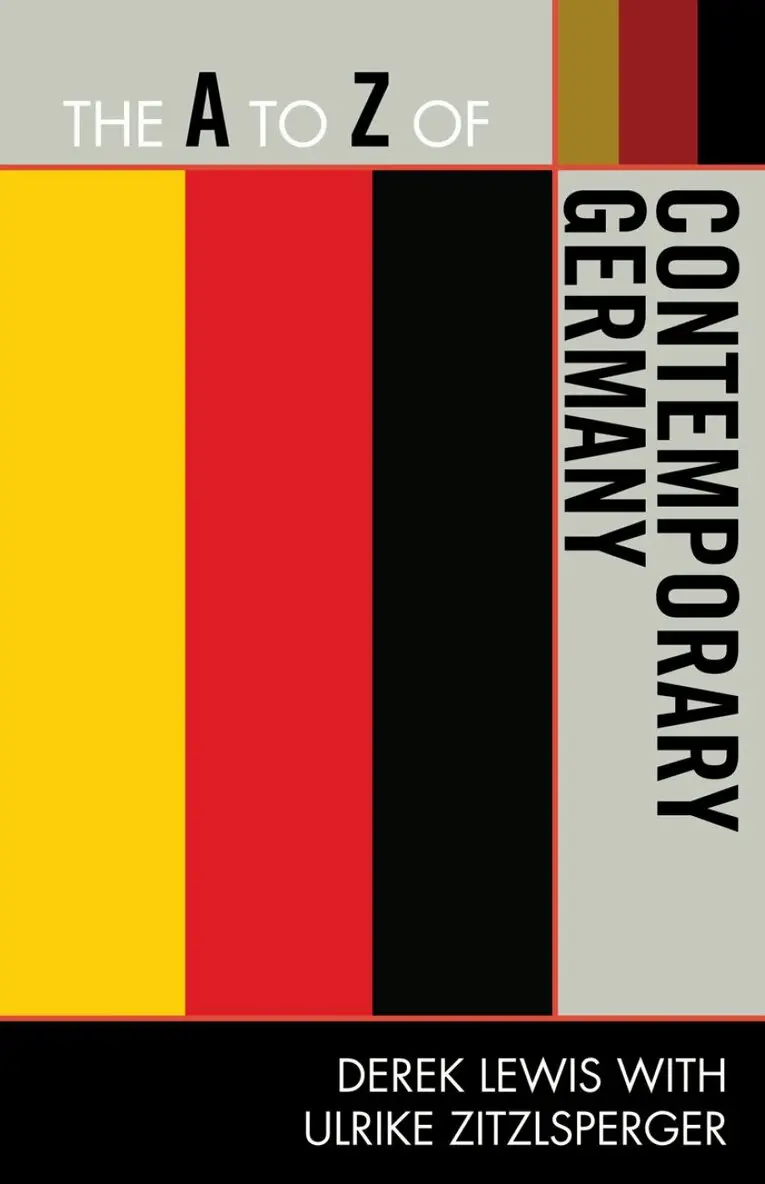
This book is designed as a reference work on the main historical, cultural, and social developments of the Federal Republic of Germany (FRG), also with some coverage of the German Democratic Republic (GDR). It covers the period from the Grand Coalition (1966-69) to the present day. (West) Germany has remained remarkably stable since the foundation of the FRG in 1949 and has become something of a model state in many respects: it is widely admired for the "social partnership" between industry and government that has promoted economic success alongside democratic structures, for its role of quiet leadership within Europe, and for its pioneering measures to improve and sustain the environment. The third largest country in Europe, as well as the most populous, Germany is regarded as a cornerstone of the expanding European Union (EU), a reliable partner in the North Atlantic Treaty Organization (NATO), and a democracy in which civil and human rights are respected. The A to Z of Contemporary Germany details the many changes that have occurred in the country since the end of World War II and the collapse of the Nazi regime in 1945. This is done through a detailed chronology, an introduction, appendixes, a bibliography, and hundreds of cross-referenced dictionary entries on some of the more significant persons, places, events, institutions, and organizations, as well as the political, economic, social, cultural, and religious facets.