Uriel Simonsohn – författare
Visar alla böcker från författaren Uriel Simonsohn. Handla med fri frakt och snabb leverans.
6 produkter
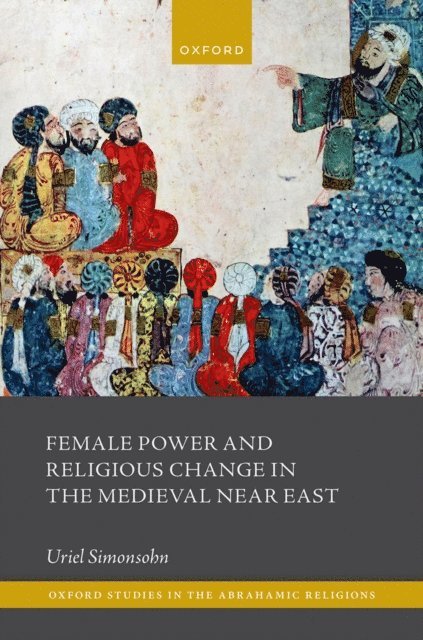
Female Power and Religious Change in the Medieval Near East
E-bok, 2023
1375 kr
Lägg i varukorg
Female Power and Religious Change in the Medieval Near East engages with two levels of scholarly discussion that are all too often dealt with separately in modern scholarship: the Islamization of the Near East and the place of women in pre-modern Near Eastern societies. It outlines how these two …
Female Power and Religious Change in the Medieval Near East
E-bok, 2023
1375 kr
Lägg i varukorg
Female Power and Religious Change in the Medieval Near East engages with two levels of scholarly discussion that are all too often dealt with separately in modern scholarship: the Islamization of the Near East and the place of women in pre-modern Near Eastern societies. It outlines how these two …
Female Power and Religious Change in the Medieval Near East
Inbunden, 2023
1540 kr
Lägg i varukorg
Female Power and Religious Change in the Medieval Near East engages with two levels of scholarly discussion that are all too often dealt with separately in modern scholarship: the Islamization of the Near East and the place of women in pre-modern Near Eastern societies. It outlines how these two …
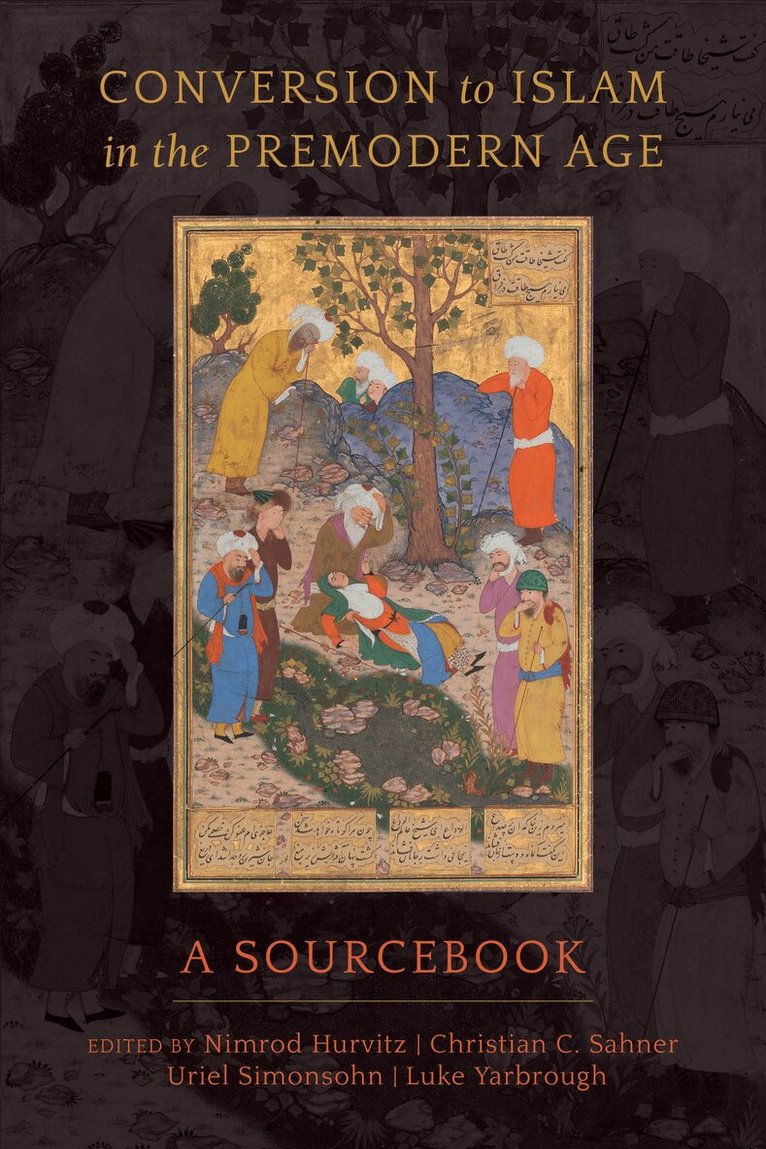
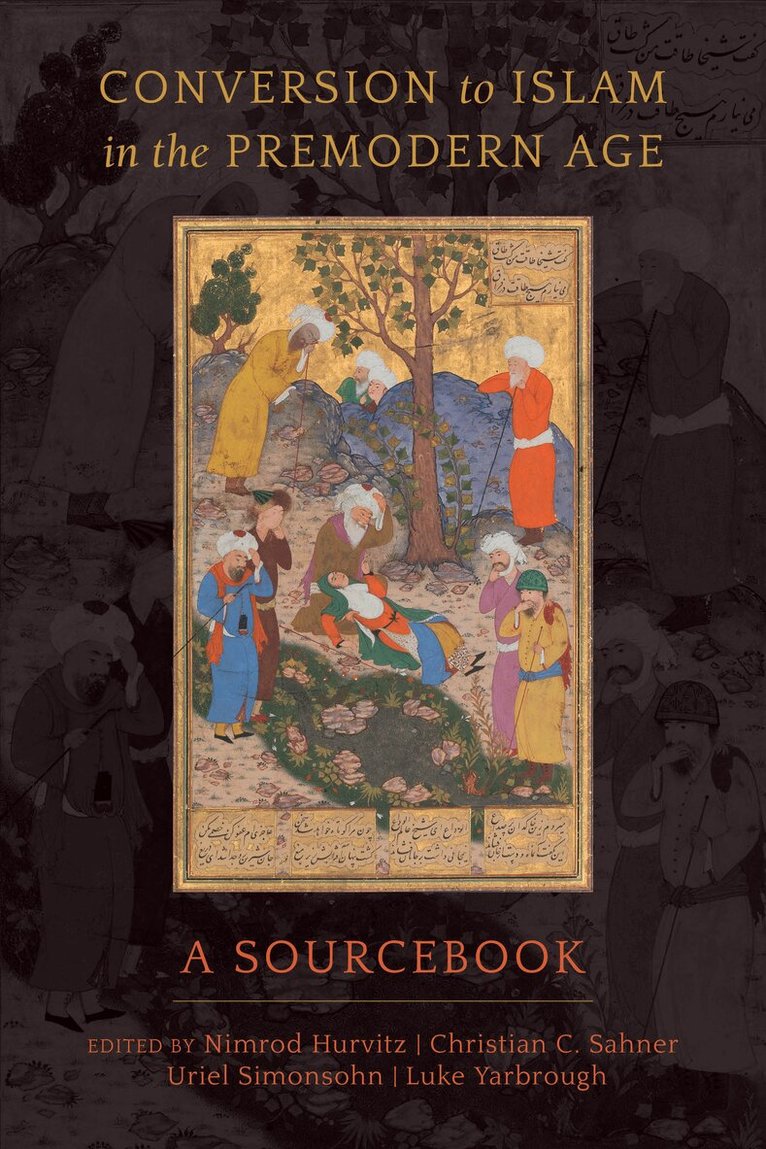
Conversion to Islam in the Premodern Age
A Sourcebook
Av Nimrod Hurvitz, Christian C. Sahner m. fl.
Inbunden, 2020
819 kr
Lägg i varukorg
Conversion to Islam is a phenomenon of immense significance in human history. At the outset of Islamic rule in the seventh century, Muslims constituted a tiny minority in most areas under their control. But by the beginning of the modern period, they formed the majority in most territories from …
Conversion to Islam in the Premodern Age
A Sourcebook
Av Nimrod Hurvitz, Christian C. Sahner m. fl.
Häftad, 2020
349 kr
Lägg i varukorg
Conversion to Islam is a phenomenon of immense significance in human history. At the outset of Islamic rule in the seventh century, Muslims constituted a tiny minority in most areas under their control. But by the beginning of the modern period, they formed the majority in most territories from …
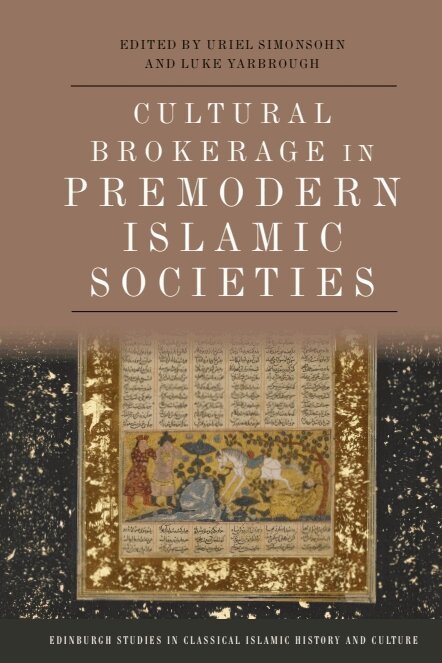
Cultural Brokerage in Premodern Islamic Societies
Av Uriel Simonsohn, Luke Yarbrough
Inbunden, 2026
2483 kr
Lägg i varukorg
When we speak of 'Islamic societies' or 'Islamic civilisation', we often imply that there is something distinctive about cultures wherever Islam is prominent. Yet historians have rarely examined in detail how these cultures that we call 'Islamic' were formed in relation to neighbouring ones. This …