Vasso Apostolopoulos – författare
2 034 kr
Läs direkt efter köp
1 431 kr
Skickas inom 10-15 vardagar
Exercise to Prevent and Manage Chronic Disease Across the Lifespan provides evidence-based insights into the clinical utility of exercise in the management of disease across a broad range of specialties and diseases. The book offers research informed strategies for the integration of exercise into standard practice in fields such as neurology, endocrinology, psychiatry and oncology, as well as decision-making pathways and clinical scenarios to advance patient care. The book is divided by specialty and includes clinical scenarios to allow for the integration of information within practice.
The book's synthesized research evidence allows practitioners to safely and effectively begin to capitalize on the benefits of exercise in their patients.
Provides broad insights into the evidence-based underpinnings of the use of exercise in a range of common diseases Coverage includes the immune system, musculoskeletal disease, oncology, endocrinology, cardiology, respiratory diseases, and more Includes a glossary, bibliography and summary figures for quick reference of information1 666 kr
Skickas inom 10-15 vardagar
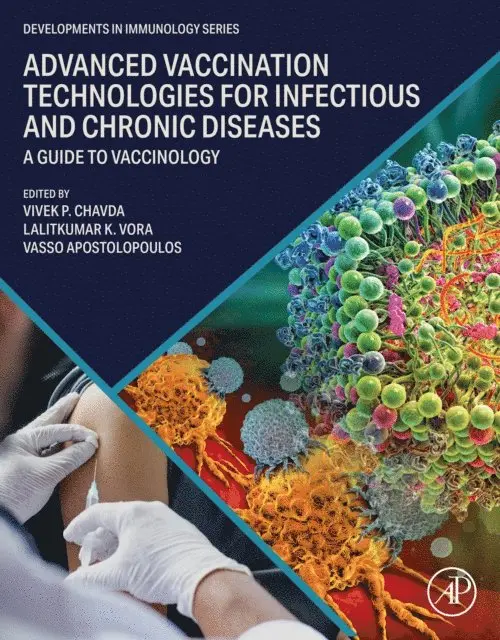
Advanced Vaccination Technologies for Infectious and Chronic Diseases is a comprehensive guide that delves into the intricate details of vaccine design, development across various platforms, and the path to commercialization. This book provides an introductory overview of vaccines, covering various types, developmental methodologies, delivery systems, adjuvants, immunization, and measurement of vaccine efficacy. It also showcases examples of vaccine research efforts targeting infectious diseases, autoimmune disorders, and cancer. The book concludes by exploring cutting-edge advances in proteogenomics, immunopeptidomics, and future vaccine technologies.The primary objective of this book is to inform a broad scientific audience about the fundamental concepts underlying vaccine and immunology. Further, it serves as an invaluable reference for understanding the critical steps in the journey from discovery to regulatory processes for human clinical trials, addressing common misconceptions and presenting factual information about vaccinations. Advanced Vaccination Technologies for Infectious and Chronic Diseases is a requisite reference for occupational health professionals whose roles involve supervision of immunization programs such as those working within the National Health Service, some sectors of higher education, or the pharmaceutical industry. It also caters to those researchers engaged in vaccine development and all who want to learn the processes involved from laboratory research to final product.
Offers comprehensive coverage of different vaccine platforms and their developmentIncludes information on the regulatory perspective of vaccine developmentDescribes different delivery approaches for vaccinologyExplains the clinical development of vaccines along with novel platformsCovers all recent developments of vaccine production technologies, new types of vaccines, and ongoing research that could prevent future pandemics2 370 kr
Läs direkt efter köp
1 716 kr
Kommande
2 437 kr
Skickas inom 5-8 vardagar
2 757 kr
Läs direkt efter köp
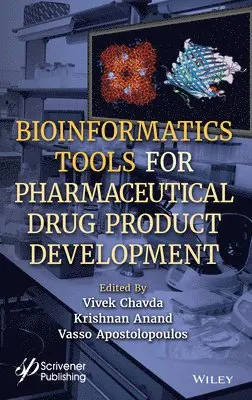
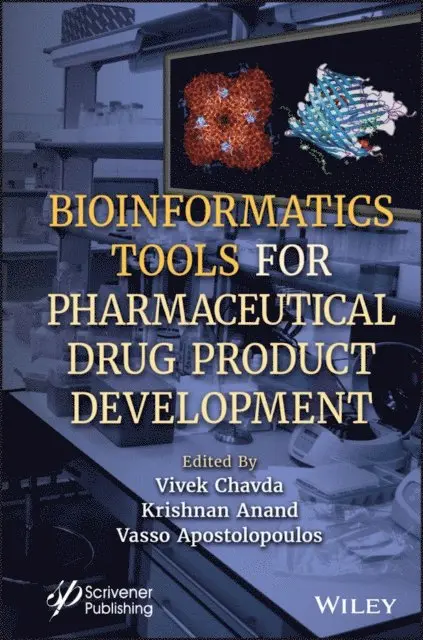
A timely book that details bioinformatics tools, artificial intelligence, machine learning, computational methods, protein interactions, peptide-based drug design, and omics technologies, for drug development in the pharmaceutical and medical sciences industries.
The book contains 17 chapters categorized into 3 sections. The first section presents the latest information on bioinformatics tools, artificial intelligence, machine learning, computational methods, protein interactions, peptide-based drug design, and omics technologies. The following 2 sections include bioinformatics tools for the pharmaceutical sector and the healthcare sector. Bioinformatics brings a new era in research to accelerate drug target and vaccine design development, improving validation approaches as well as facilitating and identifying side effects and predicting drug resistance. As such, this will aid in more successful drug candidates from discovery to clinical trials to the market, and most importantly make it a more cost-effective process overall.
Readers will find in this book:
Applications of bioinformatics tools for pharmaceutical drug product development like process development, pre-clinical development, clinical development, commercialization of the product, etc.; The ever-expanding application of this novel technology and discusses some of the unique challenges associated with such an approach; The broad and deep background, as well as updates, on recent advances in both medicine and AI/ML that enable the application of these cutting-edge bioinformatics tools.Audience
The book will be used by researchers and scientists in academia and industry including drug developers, computational biochemists, bioinformaticians, immunologists, pharmaceutical and medical sciences, as well as those in artificial intelligence and machine learning.
2 732 kr
Läs direkt efter köp
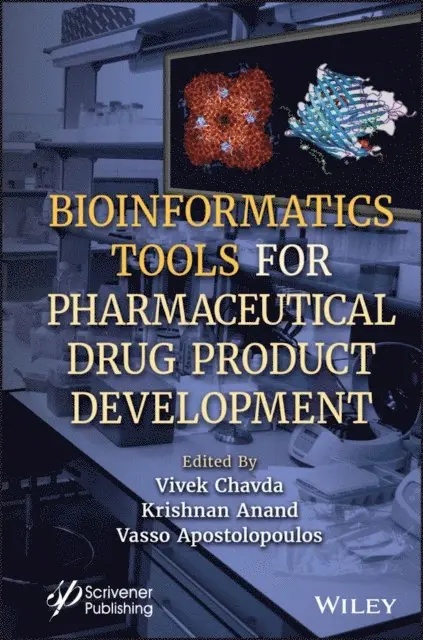
A timely book that details bioinformatics tools, artificial intelligence, machine learning, computational methods, protein interactions, peptide-based drug design, and omics technologies, for drug development in the pharmaceutical and medical sciences industries.
The book contains 17 chapters categorized into 3 sections. The first section presents the latest information on bioinformatics tools, artificial intelligence, machine learning, computational methods, protein interactions, peptide-based drug design, and omics technologies. The following 2 sections include bioinformatics tools for the pharmaceutical sector and the healthcare sector. Bioinformatics brings a new era in research to accelerate drug target and vaccine design development, improving validation approaches as well as facilitating and identifying side effects and predicting drug resistance. As such, this will aid in more successful drug candidates from discovery to clinical trials to the market, and most importantly make it a more cost-effective process overall.
Readers will find in this book:
Applications of bioinformatics tools for pharmaceutical drug product development like process development, pre-clinical development, clinical development, commercialization of the product, etc.; The ever-expanding application of this novel technology and discusses some of the unique challenges associated with such an approach; The broad and deep background, as well as updates, on recent advances in both medicine and AI/ML that enable the application of these cutting-edge bioinformatics tools.Audience
The book will be used by researchers and scientists in academia and industry including drug developers, computational biochemists, bioinformaticians, immunologists, pharmaceutical and medical sciences, as well as those in artificial intelligence and machine learning.
2 437 kr
Skickas inom 5-8 vardagar
2 732 kr
Läs direkt efter köp
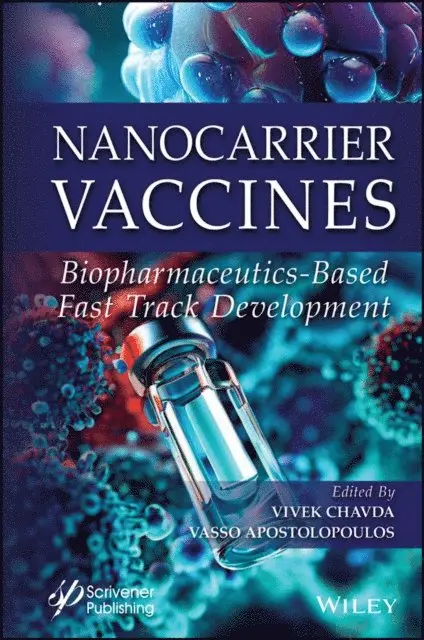
This book details the benefits, restrictions, and types of nanoparticles used in the creation of vaccines for the treatment and prevention of illnesses.
In nanomedicine and nano-delivery systems, materials in the nanoscale range are used as diagnostic instruments or to administer therapeutic compounds to particular targeted regions in a controlled manner. By delivering precise medications to specified locations and targets, nanotechnology provides several advantages in treating chronic human illnesses. The use of nanomedicine (including chemotherapeutic medicines, biological agents, immunotherapeutic agents, etc.) in the treatment of various diseases has recently seen many notable applications. This book aims to be a single source material for understanding all the current and novel advancements in the field of nanotechnology.
In this groundbreaking book the reader will find:
biodegradable and non-biodegradable formulations and properties such as size, shape, charge, inertness, efficacy, morphology, and more; show how different nanoparticles, such as lipid-based, viral vector-based, and metal, uphold very significant properties individually, suggesting applicability in various management tactics; examines how genetic information-carrying entities are becoming the norm for eradicating some diseases; gathers an exhaustive amount of information on routes of administration such as the oral route, mucosal immunity, intramuscular, subcutaneous, and intradermal; explores the legal regulations for nanotechnology-based approaches.Audience
Researchers and pharmacy students in biomedical engineering and chemical engineering, biotechnology, as well as pharmaceutical and biopharmaceutical industry engineers working in drug discovery, chemical biology, computational chemistry, medicinal chemistry, and bioinformatics.
2 732 kr
Läs direkt efter köp
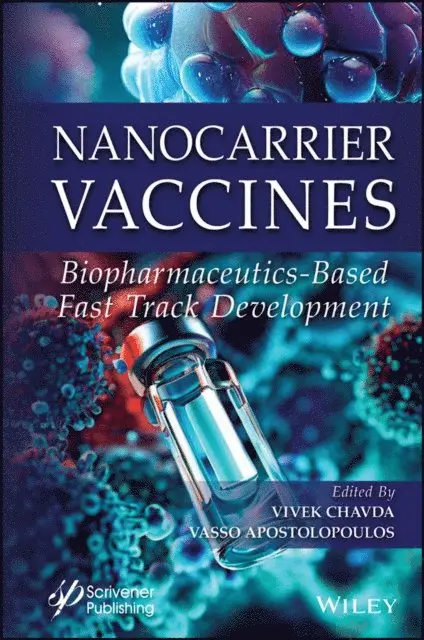
This book details the benefits, restrictions, and types of nanoparticles used in the creation of vaccines for the treatment and prevention of illnesses.
In nanomedicine and nano-delivery systems, materials in the nanoscale range are used as diagnostic instruments or to administer therapeutic compounds to particular targeted regions in a controlled manner. By delivering precise medications to specified locations and targets, nanotechnology provides several advantages in treating chronic human illnesses. The use of nanomedicine (including chemotherapeutic medicines, biological agents, immunotherapeutic agents, etc.) in the treatment of various diseases has recently seen many notable applications. This book aims to be a single source material for understanding all the current and novel advancements in the field of nanotechnology.
In this groundbreaking book the reader will find:
biodegradable and non-biodegradable formulations and properties such as size, shape, charge, inertness, efficacy, morphology, and more; show how different nanoparticles, such as lipid-based, viral vector-based, and metal, uphold very significant properties individually, suggesting applicability in various management tactics; examines how genetic information-carrying entities are becoming the norm for eradicating some diseases; gathers an exhaustive amount of information on routes of administration such as the oral route, mucosal immunity, intramuscular, subcutaneous, and intradermal; explores the legal regulations for nanotechnology-based approaches.Audience
Researchers and pharmacy students in biomedical engineering and chemical engineering, biotechnology, as well as pharmaceutical and biopharmaceutical industry engineers working in drug discovery, chemical biology, computational chemistry, medicinal chemistry, and bioinformatics.
2 119 kr
Skickas inom 5-8 vardagar
3 942 kr
Läs direkt efter köp
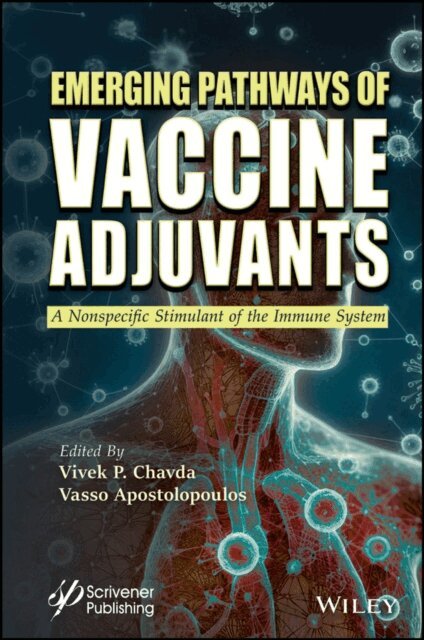
The book presents invaluable insights into the latest advancements, challenges, and research on vaccine adjuvants, which are key to developing more effective and safer vaccines essential for tackling pressing global health challenges.
Emerging Pathways of Vaccine Adjuvants: A Nonspecific Stimulant of the Immune System aims to drive progress in vaccine research, paving the way for the development of more potent and safer vaccines to address global health threats. This volume provides a comprehensive overview of the evolving landscape of vaccine adjuvants, encompassing a wide range of topics critical to their design, development, and application. Adjuvants play a crucial role in vaccine formulations by boosting the immunogenicity of antigens, thereby enhancing vaccine efficacy. While antigens can initiate immune responses independently, adjuvants amplify these responses. Extensive research efforts are focused on the formulation of adjuvants to establish accurate, efficient, and safe manufacturing techniques. This book provides a clear explanation of the strict regulatory issues, making it an essential resource for students, businesspeople, and academics across the globe.
Readers will find the book:
Encompasses current adjuvant usage and possible tactics to ensure effective production and delivery of the active constituent; Presents challenges and innovations with implications to provide cheaper, more efficient solutions in the industry; Prepares students for work in the industry, refining their skills for the production of critical medications.Audience
Researchers and pharmacy students in biomedical engineering and chemical engineering, biotechnology, as well as pharmaceutical and biopharmaceutical industry engineers working in drug discovery, chemical biology, computational chemistry, medicinal chemistry, and bioinformatics.
3 908 kr
Läs direkt efter köp
The book presents invaluable insights into the latest advancements, challenges, and research on vaccine adjuvants, which are key to developing more effective and safer vaccines essential for tackling pressing global health challenges.
Emerging Pathways of Vaccine Adjuvants: A Nonspecific Stimulant of the Immune System aims to drive progress in vaccine research, paving the way for the development of more potent and safer vaccines to address global health threats. This volume provides a comprehensive overview of the evolving landscape of vaccine adjuvants, encompassing a wide range of topics critical to their design, development, and application. Adjuvants play a crucial role in vaccine formulations by boosting the immunogenicity of antigens, thereby enhancing vaccine efficacy. While antigens can initiate immune responses independently, adjuvants amplify these responses. Extensive research efforts are focused on the formulation of adjuvants to establish accurate, efficient, and safe manufacturing techniques. This book provides a clear explanation of the strict regulatory issues, making it an essential resource for students, businesspeople, and academics across the globe.
Readers will find the book:
Encompasses current adjuvant usage and possible tactics to ensure effective production and delivery of the active constituent; Presents challenges and innovations with implications to provide cheaper, more efficient solutions in the industry; Prepares students for work in the industry, refining their skills for the production of critical medications.Audience
Researchers and pharmacy students in biomedical engineering and chemical engineering, biotechnology, as well as pharmaceutical and biopharmaceutical industry engineers working in drug discovery, chemical biology, computational chemistry, medicinal chemistry, and bioinformatics.
2 182 kr
Skickas inom 5-8 vardagar
2 503 kr
Läs direkt efter köp
The book is essential for anyone interested in vaccine development, as it highlights the unique advantages of viral vector vaccines in triggering robust, long-lasting immunity and provides an in-depth exploration of the technology and advancements shaping the future of healthcare.
Viral vector vaccines have several unique advantages when compared to other vaccine platforms. These powerful vaccines are capable of triggering long-lasting cellular responses, such as cytotoxic T-lymphocytes, that eradicate virus-infected cells. Viral vector-based vaccines use a harmless virus to smuggle the instructions for making antigens from the disease-causing virus into cells, triggering protective immunity against them. In contrast to conventional antigen-containing vaccines, these vaccines use the body’s natural defense system to produce antigens by using a modified virus to deliver genetic code for an antigen. Viral Vectors for Vaccine Delivery provides a comprehensive overview of viral vectors and their applications in vaccine delivery. Its chapters explore various aspects of viral vector technology, from the basic principles of viral vector construction to the latest advancements in gene editing and manufacturing.
Readers will find that the book
Offers a deep dive into the world of viral vectors, covering their principles, applications, and potential impact on healthcare; Explores how viral vectors are revolutionizing vaccine development, providing a more effective and targeted approach to disease prevention; Discusses the potential of viral vectors to address emerging health challenges and contribute to a healthier world.Audience
Research scholars, pharma-process engineers, research scientists, pharmacy students and professionals from the pharmaceutical and biopharmaceutical industry interested in drug discovery, chemical biology, computational chemistry, medicinal chemistry, and bioinformatics
2 503 kr
Läs direkt efter köp
The book is essential for anyone interested in vaccine development, as it highlights the unique advantages of viral vector vaccines in triggering robust, long-lasting immunity and provides an in-depth exploration of the technology and advancements shaping the future of healthcare.
Viral vector vaccines have several unique advantages when compared to other vaccine platforms. These powerful vaccines are capable of triggering long-lasting cellular responses, such as cytotoxic T-lymphocytes, that eradicate virus-infected cells. Viral vector-based vaccines use a harmless virus to smuggle the instructions for making antigens from the disease-causing virus into cells, triggering protective immunity against them. In contrast to conventional antigen-containing vaccines, these vaccines use the body’s natural defense system to produce antigens by using a modified virus to deliver genetic code for an antigen. Viral Vectors for Vaccine Delivery provides a comprehensive overview of viral vectors and their applications in vaccine delivery. Its chapters explore various aspects of viral vector technology, from the basic principles of viral vector construction to the latest advancements in gene editing and manufacturing.
Readers will find that the book
Offers a deep dive into the world of viral vectors, covering their principles, applications, and potential impact on healthcare; Explores how viral vectors are revolutionizing vaccine development, providing a more effective and targeted approach to disease prevention; Discusses the potential of viral vectors to address emerging health challenges and contribute to a healthier world.Audience
Research scholars, pharma-process engineers, research scientists, pharmacy students and professionals from the pharmaceutical and biopharmaceutical industry interested in drug discovery, chemical biology, computational chemistry, medicinal chemistry, and bioinformatics