Victor W. Geraci – författare
Visar alla böcker från författaren Victor W. Geraci. Handla med fri frakt och snabb leverans.
6 produkter
6 produkter
1 142 kr
Skickas inom 10-15 vardagar
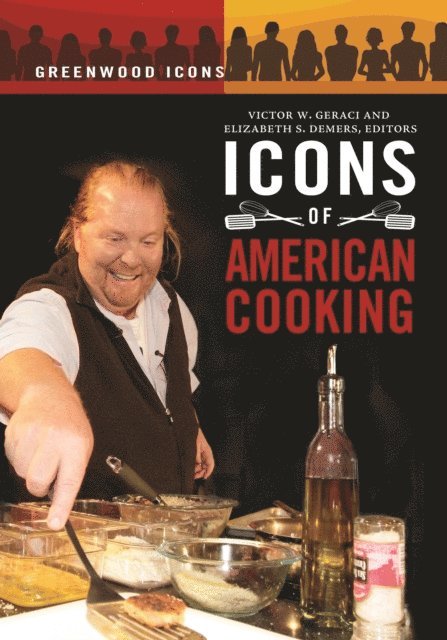
Discover how these contemporary food icons changed the way Americans eat through the fascinating biographical profiles in this book.Before 1946 and the advent of the first television cooking show, James Beard's I Love to Eat, not many Americans were familiar with the finer aspects of French cuisine. Today, food in the United States has experienced multiple revolutions, having received—and embraced—influences from not only Europe, but cultures ranging from the Far East to Latin America. This expansion of America's appreciation for food is largely the result of a number of well-known food enthusiasts who forever changed how we eat. Icons of American Cooking examines the giants of American food, cooking, and cuisine through 24 biographical profiles of contemporary figures, covering all regions, cooking styles, and ethnic origins. This book fills a gap by providing behind-the-scenes insights into the biggest names in American food, past and present.
374 kr
Skickas inom 7-10 vardagar
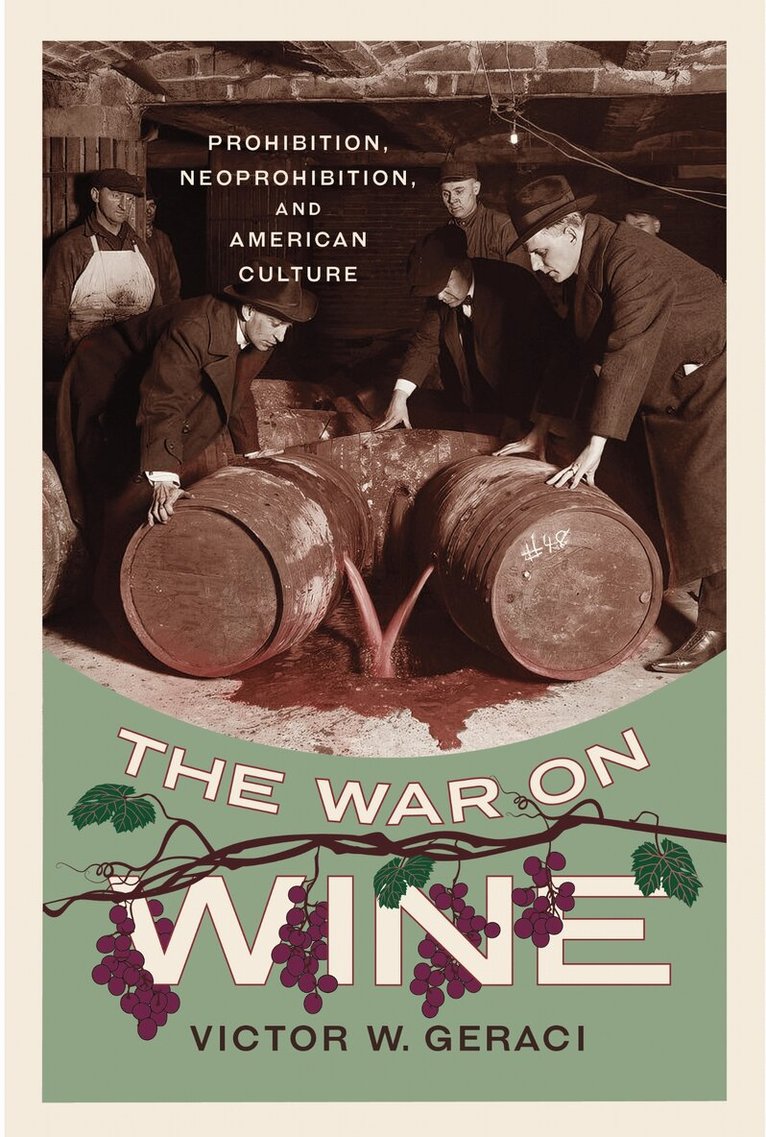
Throughout American history the prohibition and restriction of alcohol, including wine, has been part of what we now call culture wars. After losing the Prohibition Constitutional Amendment, anti-alcohol forces rebranded themselves as neoprohibitionists dedicated to the restriction of alcohol usage and they touted themselves as the counter-voice to alcohol organizations like the Wine Institute led by John A. De l.uca from 1976 to 2013.
265 kr
Skickas inom 7-10 vardagar
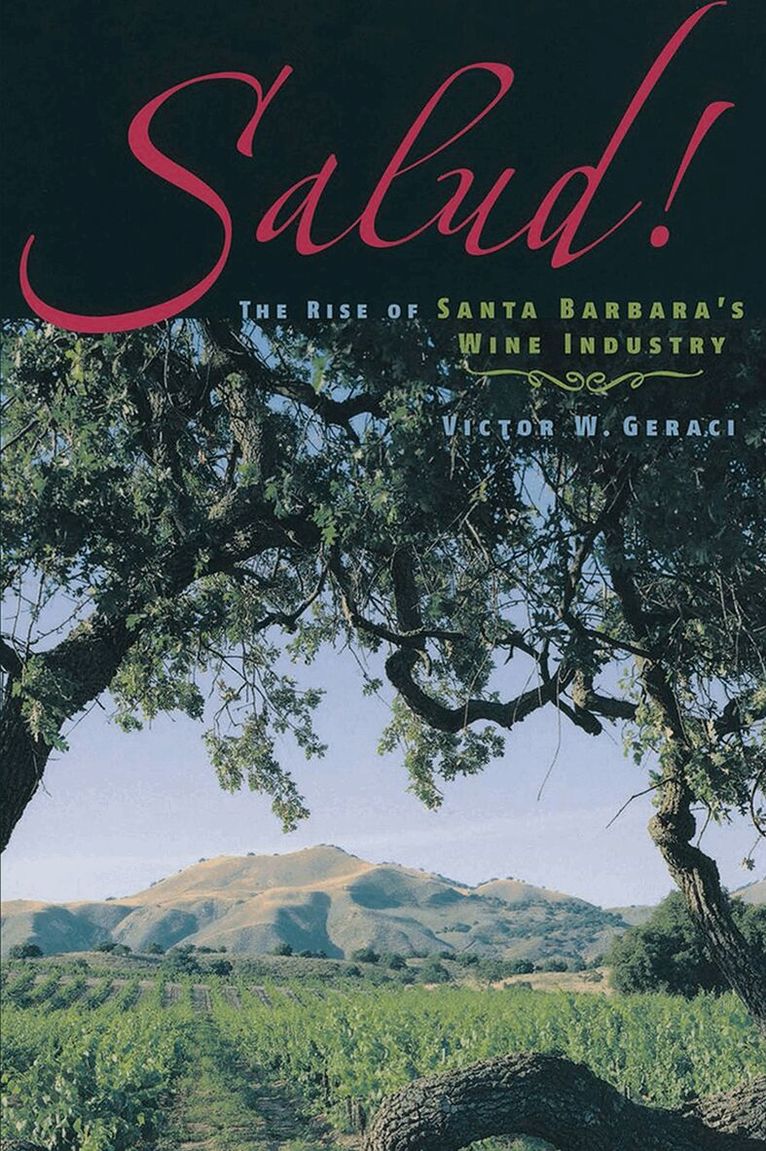
In 1965, soil and climatic studies indicated that the Santa Ynez and Santa Maria valleys of Santa Barbara County, California, offered suitable conditions for growing high-quality wine grapes. Thus was launched a revival of the area’s two-centuries-old wine industry that by 1995 made Santa Barbara County an internationally prominent wine region. Salud! traces the evolution of Santa Barbara viticulture in the larger context of California’s history and economy, offering insight into one of the state’s most important industries. California has produced wine since Spanish missionaries first planted grapes to make sacramental wines, but it was not until the late twentieth century that changing consumer tastes and a flourishing national economy created the conditions that led to the state’s wine boom. Historian Victor W. Geraci uses the Santa Barbara wine industry as a case study to analyze the history and evolution of American viticulture from its obscure colonial beginnings to its current international acclaim. As elsewhere in the state, Santa Barbara County vintners faced the multiple challenges of selecting grape varieties appropriate to their unique conditions, protecting their crops from disease and insects, developing local wineries, and of marketing their products in a highly competitive national and international market. Geraci gives careful attention to all the details of this production: agriculture, science, and technology; capitalization and investment; land-use issues; politics; the specter posed by the behemoth Napa and multinational wine corporations; and the social and personal consequences of creating and supporting an industry vulnerable to so many natural and economic crises. His extensive research includes interviews with many industry professionals. California is today one of the world’s major wine producers, and Santa Barbara County contributes significantly to the volume and renowned quality of this wine production. Salud! offers a highly engaging overview of an industry in which the ancient romance of wine too often obscures a complex and diverse modern vintibusiness that for better, and sometimes for worse, has shaped the regions it dominates.
416 kr
Skickas inom 7-10 vardagar
From its eighteenth-century beginnings, the Santa Barbara wine industry achieved success by embracing a 'wine by design' model. In this process farmers, wine makers, and entrepreneurs overcome roadblocks like diseases, government policies and regulations, and environmental concerns by utilizing the latest technological advances coupled with agribusiness capitalism.As the American demand for premium wine-grapes intensified in the late twentieth century, the Northern California wine industry rapidly grew its boutique and innovative local designer winemaking to increase profit to meet demand and compete on a global scale. Set in the context of the regional, national, and global wine community, this story illuminates a regional story of how the Santa Barbara wine industry found solutions to current market conditions while utilizing local traditions to develop a new version of local wine terroir. An accomplishment that allowed them to compete in the global marketplace yet develop highly specialized wine that is unique to the region.By employing leading-edge technology and entrepreneurship, the California Central Coast region of Santa Barbara became a model for the American vision of agricultural innovation and an integral part of the international wine trade, developing a personalized version of local wine terroir.
956 kr
Skickas inom 10-15 vardagar
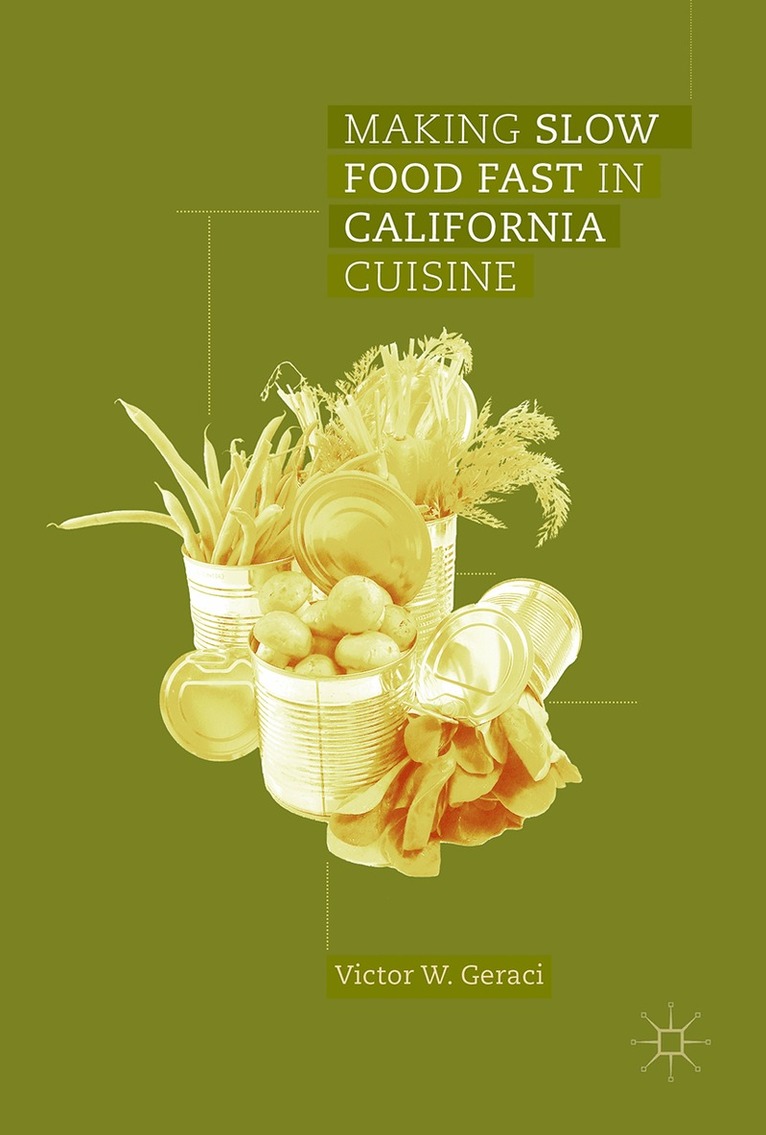
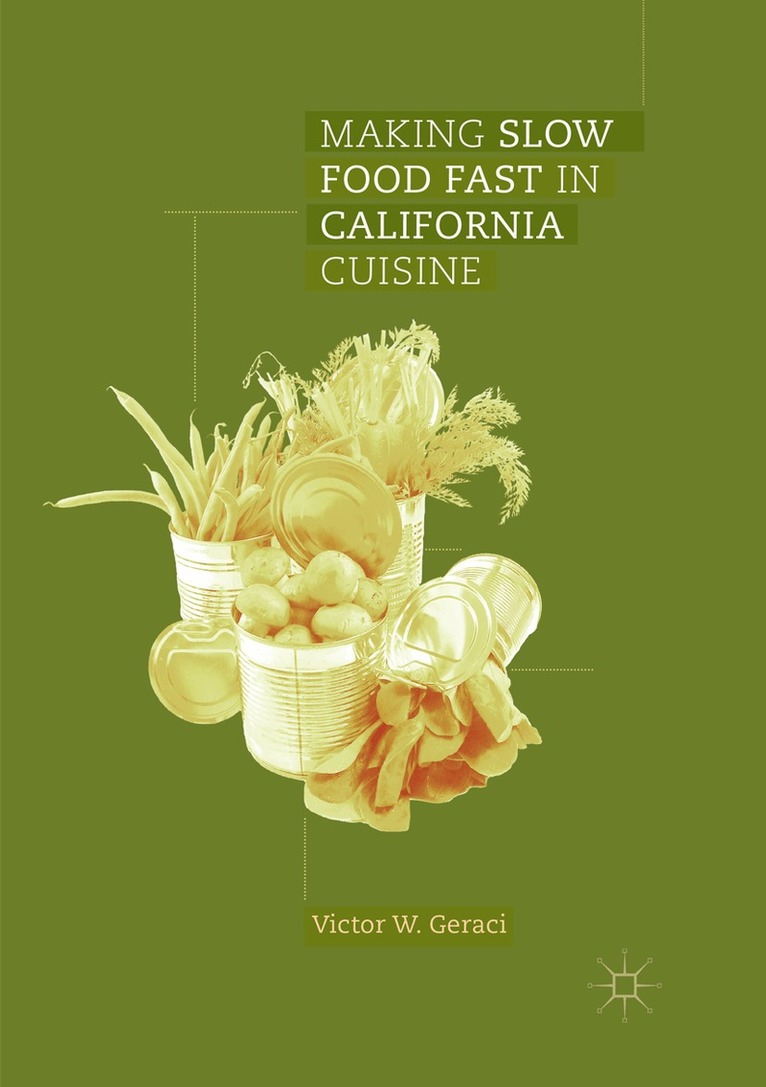
This book follows the development of industrial agriculture in California and its influence on both regional and national eating habits. To this end, California agribusiness played a major role in national food policies and subsequently produced a bifurcated California Cuisine that sustained both Slow and Fast Food proponents.
956 kr
Skickas inom 10-15 vardagar
This book follows the development of industrial agriculture in California and its influence on both regional and national eating habits. To this end, California agribusiness played a major role in national food policies and subsequently produced a bifurcated California Cuisine that sustained both Slow and Fast Food proponents.