Vidhu Verma – författare
Visar alla böcker från författaren . Handla med fri frakt och snabb leverans.
8 produkter
8 produkter
Inbunden, Engelska, 2018
567 kr
Skickas inom 5-8 vardagar
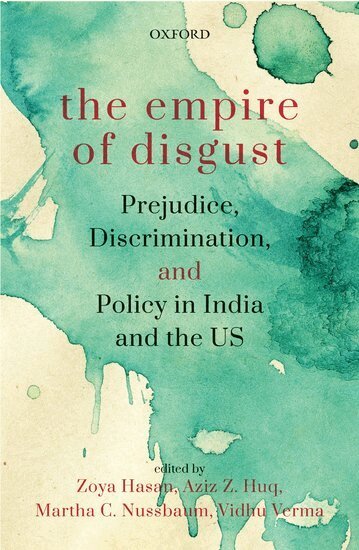
All known societies exclude and stigmatize one or more minority groups. Frequently, these exclusions are underwritten with a rhetoric of disgust. People of certain groups, it is alleged, are filthy, hyper-animal, or not fit to share such facilities as drinking water, food, and public swimming pools with the 'clean' and 'fully human' majority. But exclusions vary in their scope and also in the specific disgust-ideologies underlying them. In this volume, interdisciplinary scholars from India and the United States present a detailed comparative study of the varieties of prejudice and stigma that pervade contemporary social and political life. These include prejudice along the axes of caste, race, gender identity, age, sexual orientation, disability, ethnicity, religion, and economic class. In examining these forms of stigma and their intersections, the authors present theoretically pluralistic and empirically sensitive accounts that both explain group-based stigma and suggest ways forward. These forward-looking remedies, including group resistance to subordination as well as institutional and legal change, point the way towards a public culture that is informed by our diverse histories of discrimination and therefore equipped to eliminate stigma in all of its multifaceted forms.
Inbunden, Engelska, 2020
782 kr
Skickas inom 5-8 vardagar
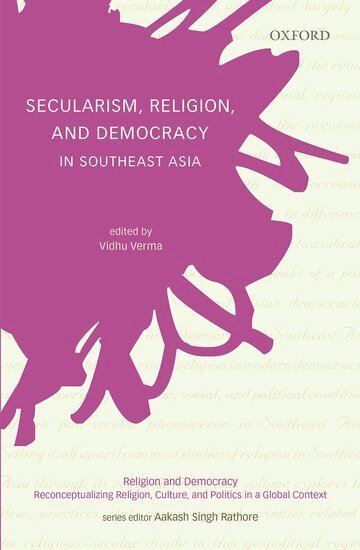
Until two decades ago, the social sciences adhered to the secularisation thesis that stressed the gradual obliteration of religion in the public domain. Recent events show the re-emergence of religions world-wide that has led scholars in challenging the narrative of the modern state and its progress from the religious to the secular domains. The changing place of religion in contemporary politics challenges older notions and concepts of the secular and secularisation process. Yet many initiatives and scholarly works have failed to assess the rise of religion in the context of democratic processes. This volume sets out to fill this scholarly lacuna by offering a conceptual, historical and empirical examination of some of these developments. In trying to map this terrain and spell out the close links between religion, secularism and democracy, this volume examines the developments and challenges of secularism in select countries of Southeast Asia. The fundamental tenets of liberal democracies - rule of law, popular sovereignty, constitutionalism - undergo several configurations in the context of religious pluralism. The aim is to reframe the basic issues of religion and secularisation in a way that their complex reality will be visible in different contexts where the frequency of conflicts related to religion have sharply increased although they may reflect other cultural, political, and socio-economic phenomena.
Inbunden, Engelska, 2011
2 267 kr
Skickas inom 10-15 vardagar
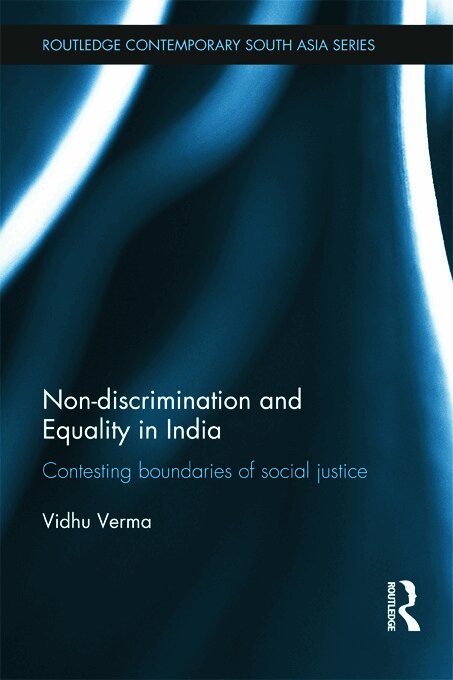
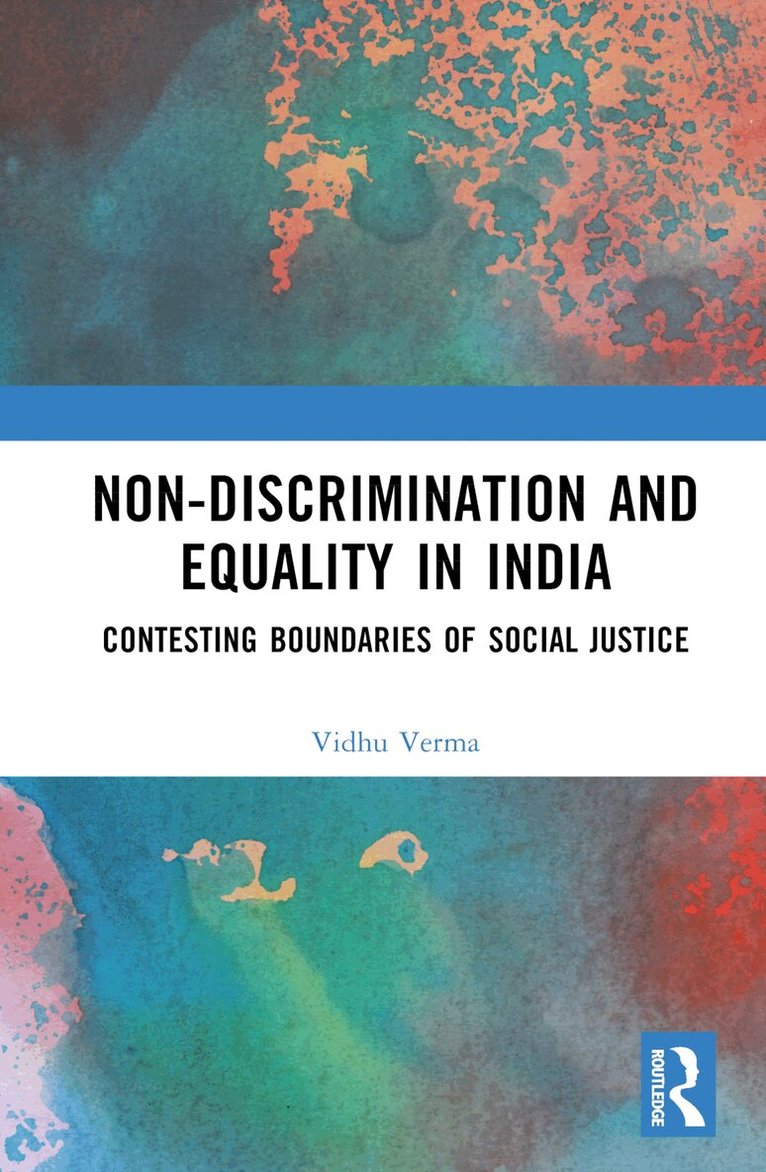
Social Justice is a concept familiar to most Indians but one whose meaning is not always understood as it signifies a variety of government strategies designed to enhance opportunities for underprivileged groups. By tracing the trajectory of social justice from the colonial period to the present, this book examines how it informs ideas, practices and debates on discrimination and disadvantage today.After outlining the historical context for reservations for scheduled castes and scheduled tribes that began under British colonial rule, the book examines the legal and moral strands of demands raised by newer groups since 1990. In addition the book shows how the development of quota policies has been significantly influenced by the nature and operation of democracy in India. It describes the recent proliferation of quota demands for reservations in higher education, private sector and for women and religious minorities in legislative assemblies. The book goes on to argue that while proliferation of demands address unequal incidence of poverty, deprivation and inequalities across social groups and communities, care has to be taken to ensure that existing justifications for quotas for discriminated groups due to caste hierarchies are not undermined. Providing a rich historical background to the subject, the book is a useful contribution to the study on the evolution of multiple conceptions of social justice in contemporary India.
Inbunden, Engelska, 2026
2 232 kr
Kommande
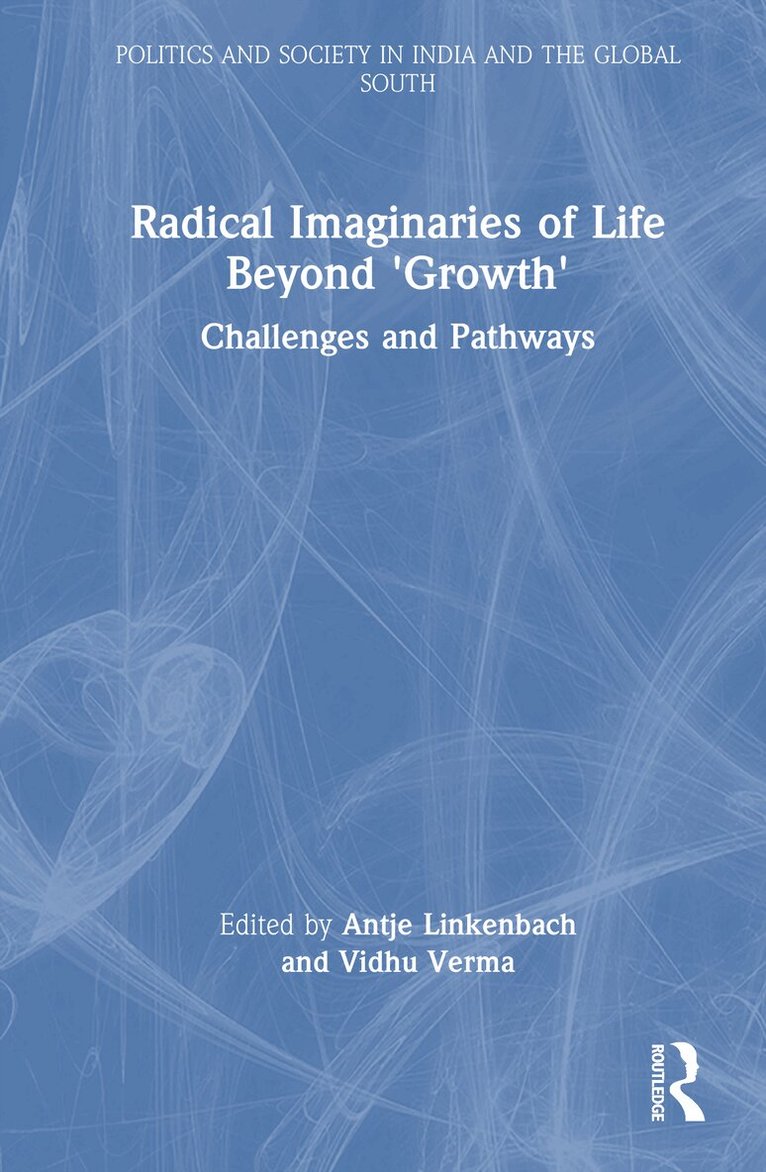
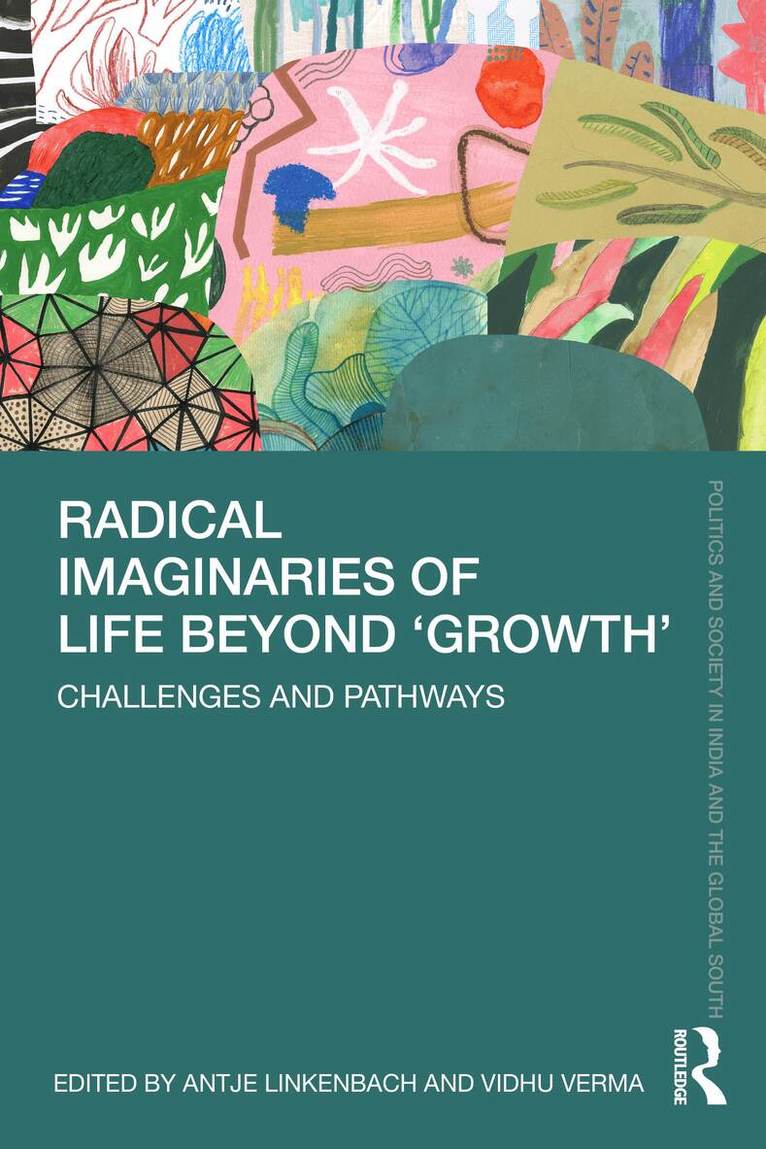
This book offers a compelling rethinking of de/post-growth as a holistic concept, a critical discourse, and a transformative practice. Bringing together interdisciplinary and global perspectives, the volume is situated at the intersection of debates on modernity, decolonization, ecological economics and sustainability. It challenges the dominant social imaginary of limitless growth, bringing forward instead diverse visions and creative experiments that seek to reimagine what it means to live well in more equitable, convivial, and ecologically sustainable ways within a pluriversal world.The volume brings into conversation scholars from the Global South and the Global North, fostering a productive, polyvocal dialogue on alternative futures beyond growth. It will be indispensable to students and researchers of social sciences, international politics, sustainability and development, development economics, environmental economics, and business studies. It will also be of interest to NGOs, activists, policymakers, and anyone interested in creating a sustainable future.
Häftad, Engelska, 2026
630 kr
Kommande
This book offers a compelling rethinking of de/post-growth as a holistic concept, a critical discourse, and a transformative practice. Bringing together interdisciplinary and global perspectives, the volume is situated at the intersection of debates on modernity, decolonization, ecological economics and sustainability. It challenges the dominant social imaginary of limitless growth, bringing forward instead diverse visions and creative experiments that seek to reimagine what it means to live well in more equitable, convivial, and ecologically sustainable ways within a pluriversal world.The volume brings into conversation scholars from the Global South and the Global North, fostering a productive, polyvocal dialogue on alternative futures beyond growth. It will be indispensable to students and researchers of social sciences, international politics, sustainability and development, development economics, environmental economics, and business studies. It will also be of interest to NGOs, activists, policymakers, and anyone interested in creating a sustainable future.
824 kr
Läs direkt efter köp
Social Justice is a concept familiar to most Indians but one whose meaning is not always understood as it signifies a variety of government strategies designed to enhance opportunities for underprivileged groups. By tracing the trajectory of social justice from the colonial period to the present, this book examines how it informs ideas, practices and debates on discrimination and disadvantage today.After outlining the historical context for reservations for scheduled castes and scheduled tribes that began under British colonial rule, the book examines the legal and moral strands of demands raised by newer groups since 1990. In addition the book shows how the development of quota policies has been significantly influenced by the nature and operation of democracy in India. It describes the recent proliferation of quota demands for reservations in higher education, private sector and for women and religious minorities in legislative assemblies. The book goes on to argue that while proliferation of demands address unequal incidence of poverty, deprivation and inequalities across social groups and communities, care has to be taken to ensure that existing justifications for quotas for discriminated groups due to caste hierarchies are not undermined. Providing a rich historical background to the subject, the book is a useful contribution to the study on the evolution of multiple conceptions of social justice in contemporary India.
E-bok
PDF, Engelska, 2011824 kr
Läs direkt efter köp
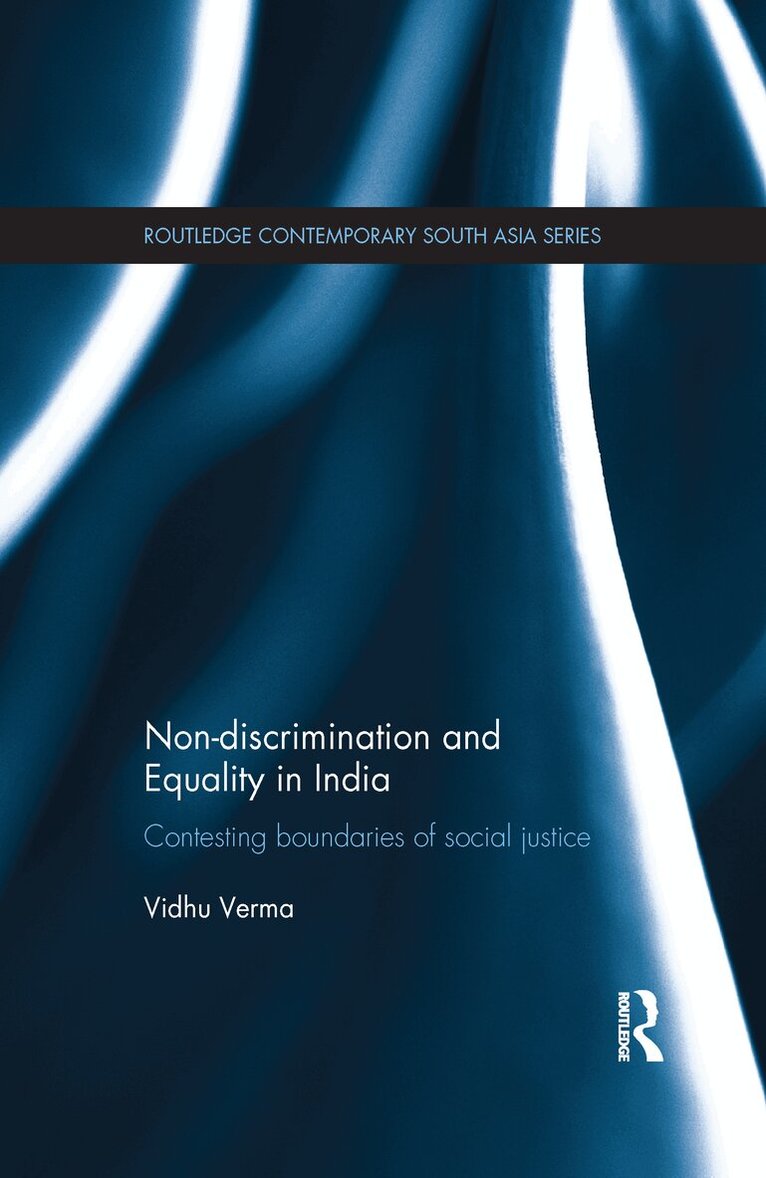
Social Justice is a concept familiar to most Indians but one whose meaning is not always understood as it signifies a variety of government strategies designed to enhance opportunities for underprivileged groups. By tracing the trajectory of social justice from the colonial period to the present, this book examines how it informs ideas, practices and debates on discrimination and disadvantage today.After outlining the historical context for reservations for scheduled castes and scheduled tribes that began under British colonial rule, the book examines the legal and moral strands of demands raised by newer groups since 1990. In addition the book shows how the development of quota policies has been significantly influenced by the nature and operation of democracy in India. It describes the recent proliferation of quota demands for reservations in higher education, private sector and for women and religious minorities in legislative assemblies. The book goes on to argue that while proliferation of demands address unequal incidence of poverty, deprivation and inequalities across social groups and communities, care has to be taken to ensure that existing justifications for quotas for discriminated groups due to caste hierarchies are not undermined. Providing a rich historical background to the subject, the book is a useful contribution to the study on the evolution of multiple conceptions of social justice in contemporary India.
Häftad, Engelska, 2017
643 kr
Skickas inom 10-15 vardagar
Social Justice is a concept familiar to most Indians but one whose meaning is not always understood as it signifies a variety of government strategies designed to enhance opportunities for underprivileged groups. By tracing the trajectory of social justice from the colonial period to the present, this book examines how it informs ideas, practices and debates on discrimination and disadvantage today.After outlining the historical context for reservations for scheduled castes and scheduled tribes that began under British colonial rule, the book examines the legal and moral strands of demands raised by newer groups since 1990. In addition the book shows how the development of quota policies has been significantly influenced by the nature and operation of democracy in India. It describes the recent proliferation of quota demands for reservations in higher education, private sector and for women and religious minorities in legislative assemblies. The book goes on to argue that while proliferation of demands address unequal incidence of poverty, deprivation and inequalities across social groups and communities, care has to be taken to ensure that existing justifications for quotas for discriminated groups due to caste hierarchies are not undermined. Providing a rich historical background to the subject, the book is a useful contribution to the study on the evolution of multiple conceptions of social justice in contemporary India.