Wang Gungwu – författare
Visar alla böcker från författaren Wang Gungwu. Handla med fri frakt och snabb leverans.
27 produkter
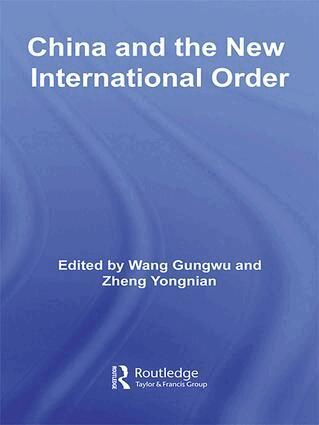
China and the New International Order
Av Wang Gungwu, Zheng Yongnian
Inbunden, 2008
1826 kr
Lägg i varukorg
This book explores China's place in the ‘new international order’, from both the international perspective and from the perspective within China. It discusses how far the new international order, as outlined by George Bush in 1991 after the collapse of the Soviet Union and the liberation of Kuwait …
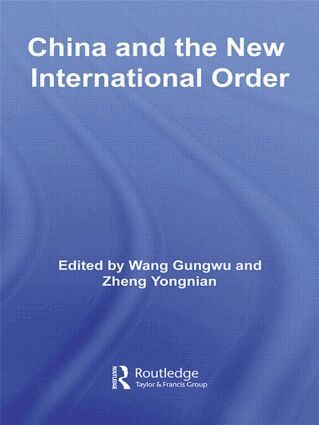
China and the New International Order
Av Wang Gungwu, Zheng Yongnian
Häftad, 2009
589 kr
Lägg i varukorg
This book explores China's place in the ‘new international order’, from both the international perspective and from the perspective within China. It discusses how far the new international order, as outlined by George Bush in 1991 after the collapse of the Soviet Union and the liberation of Kuwait …
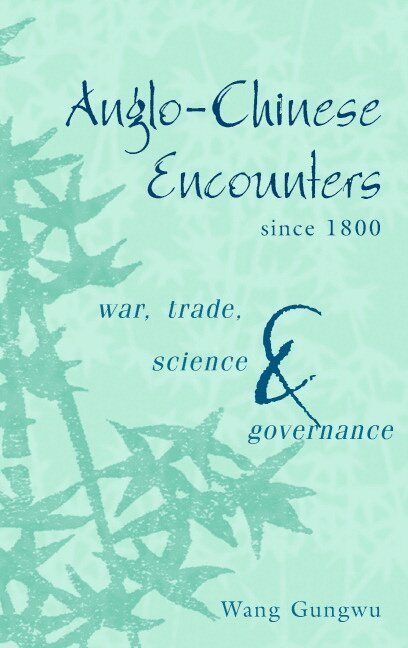
Anglo-Chinese Encounters since 1800
War, Trade, Science and Governance
Av Wang Gungwu
Häftad, 2003
485 kr
Lägg i varukorg
Chinese encounters with the British were more than merely those between two great powers. There was the larger canvas of the Empire and Commonwealth where the two peoples traded and interacted. In China, officials and merchants had to place the British beside other enterprising foreign peoples who …
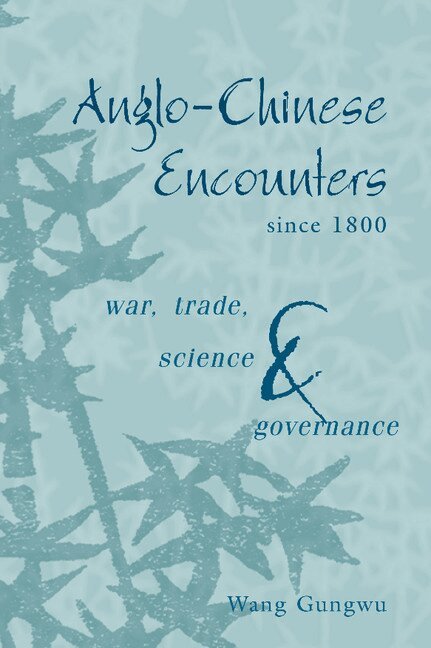
Anglo-Chinese Encounters since 1800
War, Trade, Science and Governance
Av Wang Gungwu
Inbunden, 2003
1307 kr
Lägg i varukorg
Chinese encounters with the British were more than merely those between two great powers. There was the larger canvas of the Empire and Commonwealth where the two peoples traded and interacted. In China, officials and merchants had to place the British beside other enterprising foreign peoples who …
China and the New International Order
Av Zheng Yongnian, Wang Gungwu
E-bok, 2008
693 kr
Lägg i varukorg
This book explores China''s place in the ‘new international order’, from both the international perspective and from the perspective within China. It discusses how far the new international order, as outlined by George Bush in 1991 after the collapse of the Soviet Union and the liberation of …
China and the New International Order
Av Zheng Yongnian, Wang Gungwu
E-bok, 2008
671 kr
Lägg i varukorg
This book explores China''s place in the ‘new international order’, from both the international perspective and from the perspective within China. It discusses how far the new international order, as outlined by George Bush in 1991 after the collapse of the Soviet Union and the liberation of …
Renewal
The Chinese State in the Global Age
Av Wang Gungwu
Inbunden, 2013
353 kr
Lägg i varukorg
The Chinese state has been the subject of fierce debates since reformers and revolutionaries first fought to redefine it at the end of the Qing dynasty. After the 1912 Revolution, when the idea of “empire” gave way to that of “nation-state,” the Chinese people sought a modern identity, re-designed …
Nation Building
Five Southeast Asian Histories
Av Wang Gungwu
Häftad, 2005
338 kr
Lägg i varukorg
The book addresses questions such as, how should historians treat the earlier pasts of each country and the nationalism that guided the nation-building tasks? Where did political culture come in, especially when dealing with modern challenges of class, secularism and ethnicity? What part do …
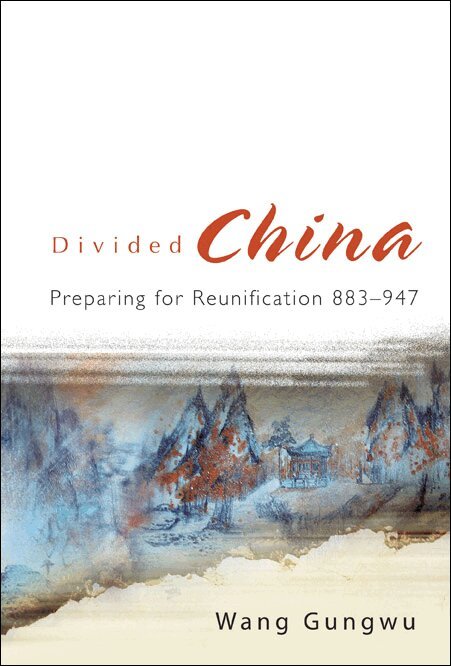
DIVIDED CHINA: PREPARING FOR REUNIFICATION 883-947
Av Wang Gungwu
Inbunden, 2007
1509 kr
Lägg i varukorg
The oneness of China is the norm. Periods of divisions are aberrations. This is how Chinese thinkers, leaders and ultimately the majority of Chinese people have regarded Chinese politics and history for more than 2,000 years.The oneness was never perfect. As long as certain minimal conditions were …
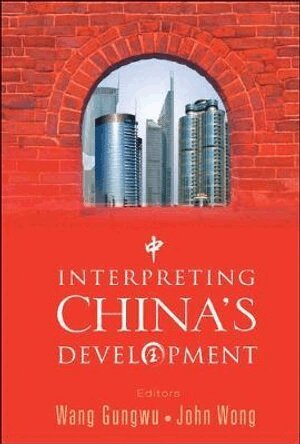
INTERPRETING CHINA'S DEVELOPMENT
Av GUNGWU WANG, Wang Gungwu m. fl.
Inbunden, 2007
1859 kr
Lägg i varukorg
In Interpreting China's Development, leading experts on China provide an overview of this growing superpower, highlighting key issues in the country's political, economic and social development.Underpinned by up-to-date scholarly research yet written in a readable and concise style, this volume of …
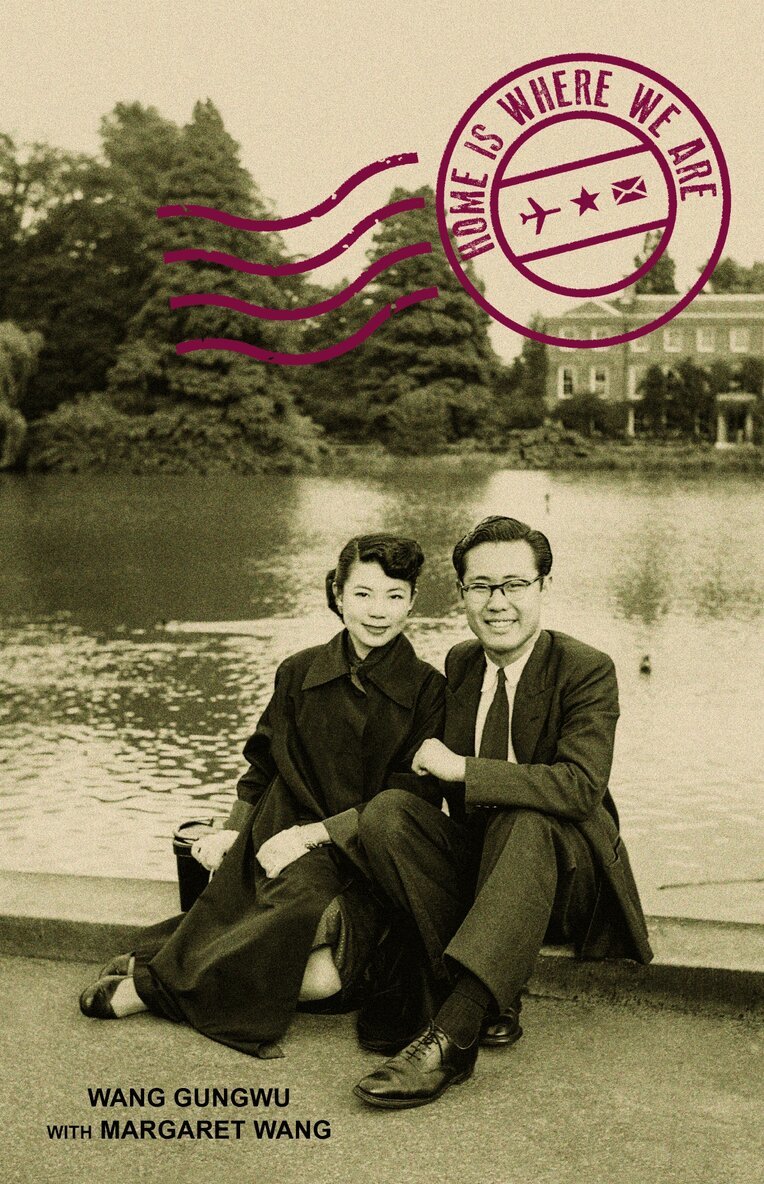
Home Is Where We Are
E-bok, 2021
243 kr
Lägg i varukorg
Does home have to be a country or a city?... Or is home this house or that? We have been fortunate.... We seemed always to have been home. Wang Gungwu’s account of his university education in Singapore and the UK, and the early years of his career as an academic in Malaysia captures the excitement, …
Home Is not Here
Av Wang Gungwu
Häftad, 2025
215 kr
Lägg i varukorg
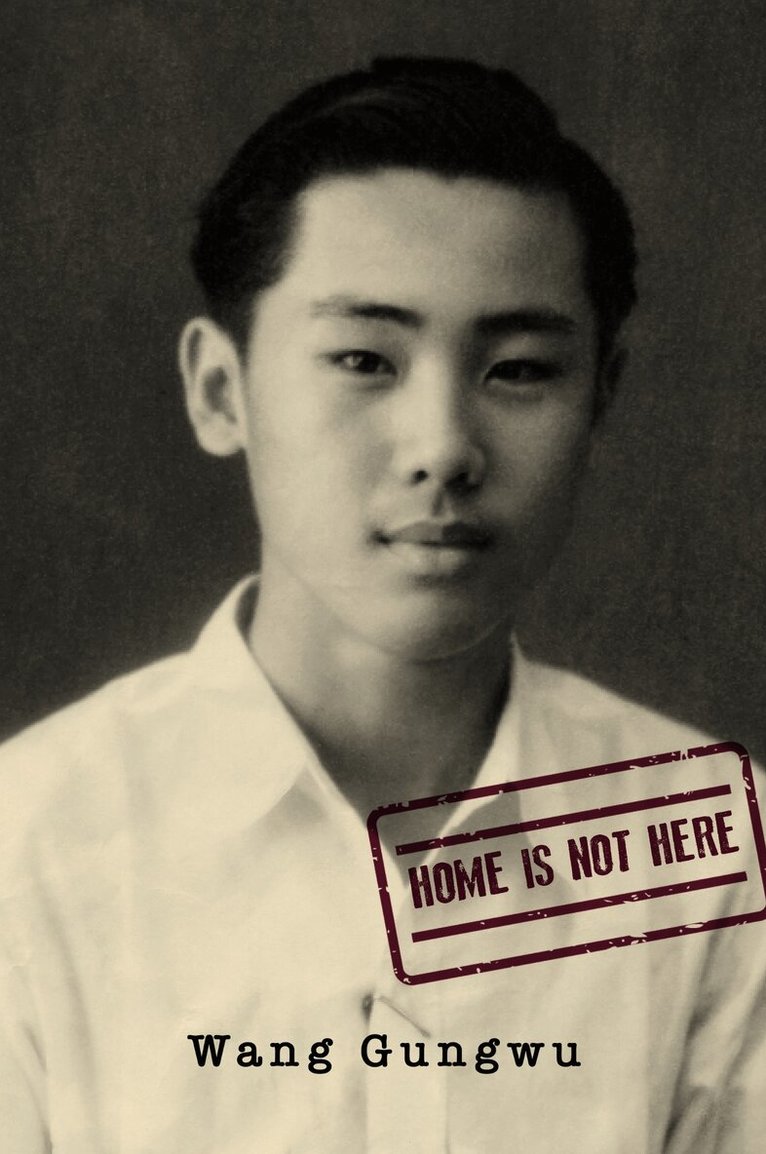
As someone who has studied history for much of my life, I have found the past fascinating. But it has always been some grand and even intimidating universe that I wanted to unpick and explain to myself.Wang Gungwu is one of Asia's most important public intellectuals. He is best-known for his …
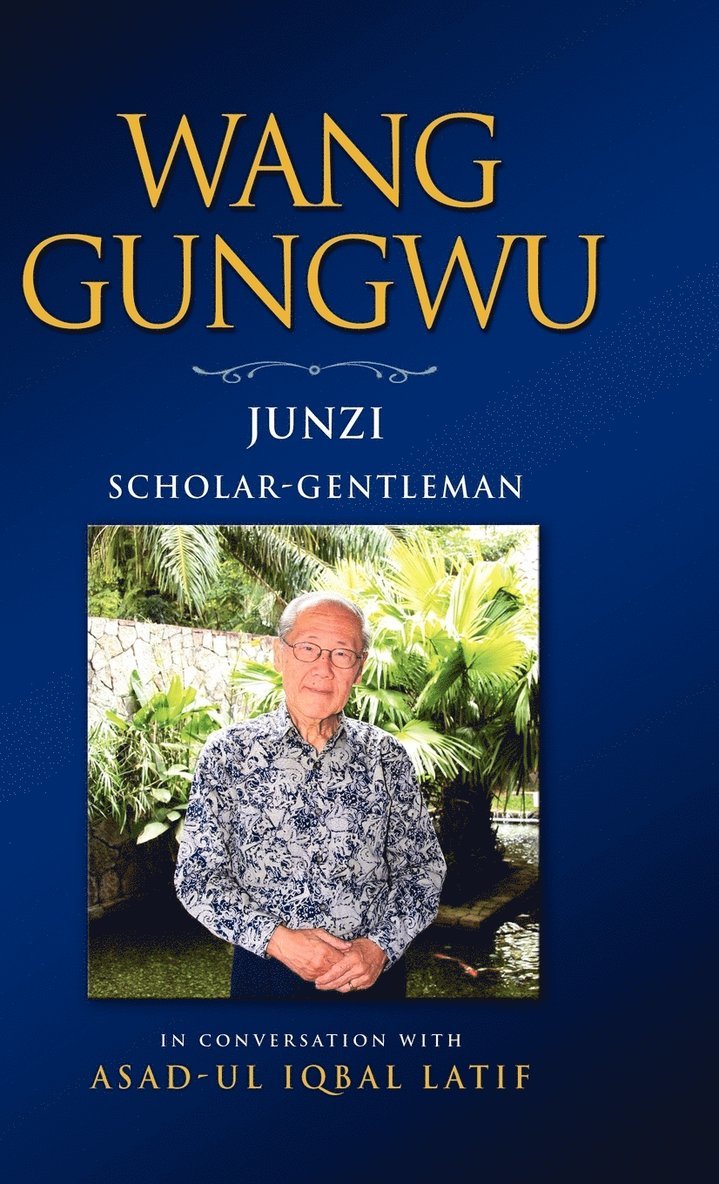
Wang Gungwu
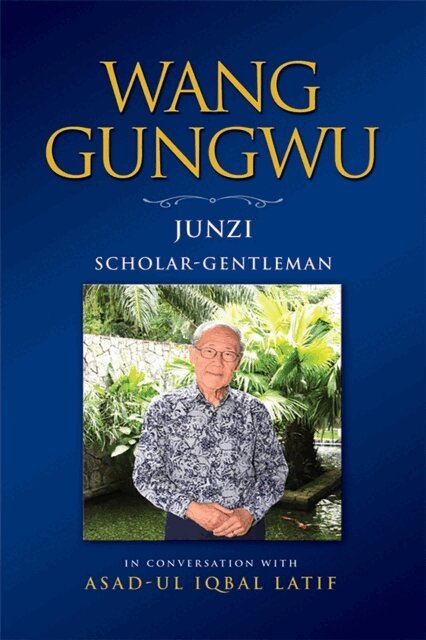
Junzi: Scholar-Gentleman in Conversation with Asad-UL Iqbal Latif
Av Wang Gungwu
Inbunden, 2010
607 kr
Lägg i varukorg
Wang Gungwu
Junzi: Scholar-Gentleman in Conversation with Asad-ul Iqbal Latif
Av Wang Gungwu
E-bok, 2018
530 kr
Lägg i varukorg
No detailed description available for "Wang Gungwu".
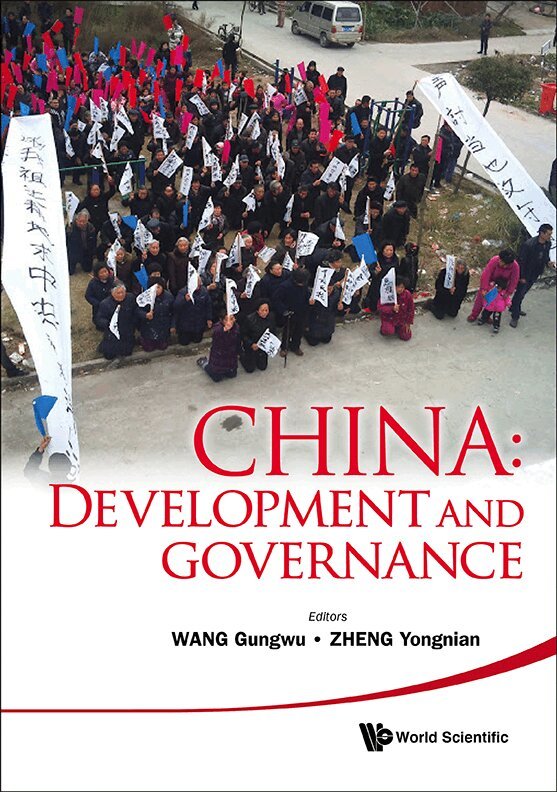
CHINA: DEVELOPMENT AND GOVERNANCE
Av WANG GUNGWU, Gungwu Wang m. fl.
Häftad, 2012
724 kr
Lägg i varukorg
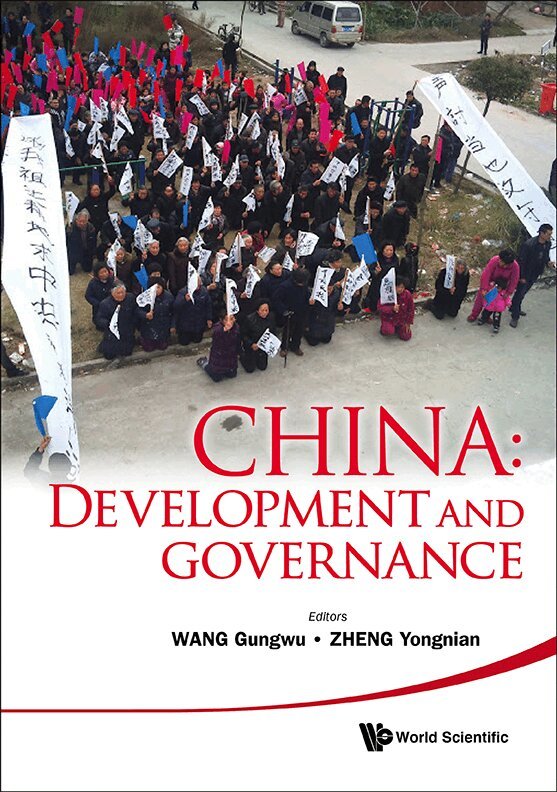
China has achieved significant socio-economic progress and has become a key player on the international stage after several decades of open-door and reform policy. Looking beyond China's transformation, this book focusses on the theme of governance which is widely regarded as the next most critical …
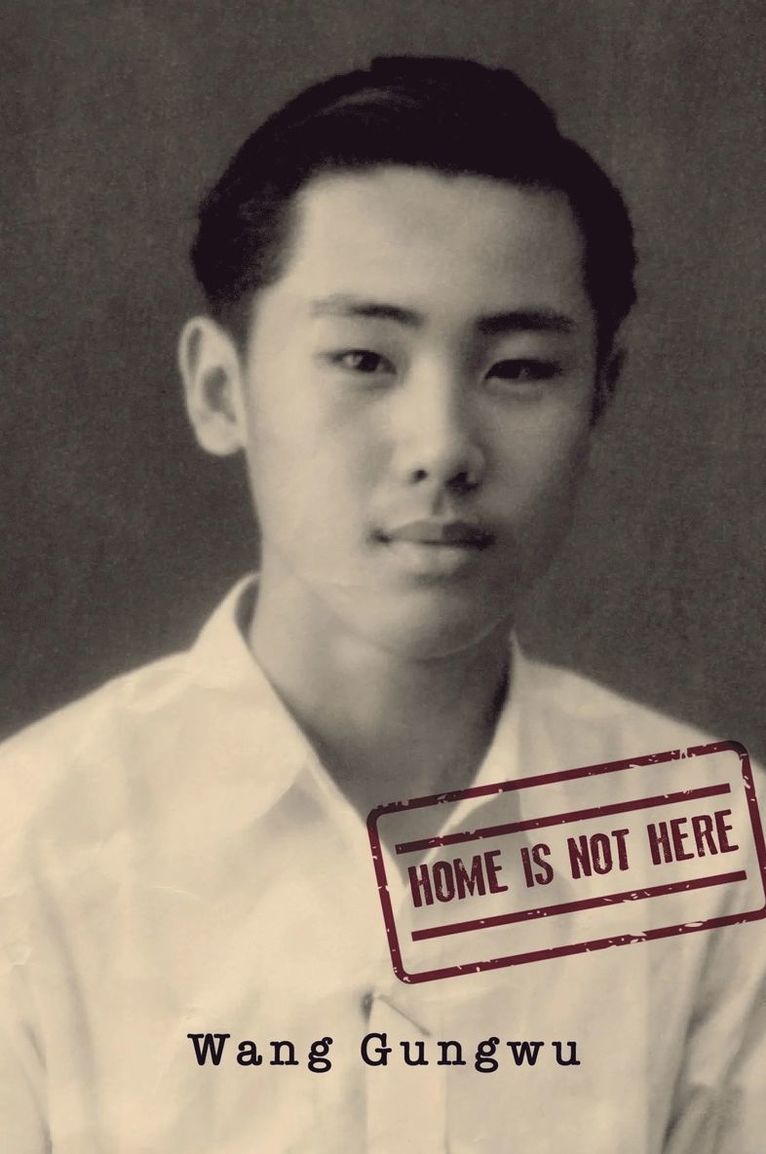
Home Is not Here
Av Wang Gungwu
Inbunden, 2018
280 kr
Lägg i varukorg
One of Asia’s most important public intellectuals, Wang Gungwu is best-known for his explorations of Chinese history in the long view, and for his writings on the Chinese overseas. Here the historian of grand themes turns to the intimate scale of a single life history: his own. "As someone who has …
Nanyang
Essays on Heritage
Av Wang Gungwu
Inbunden, 2018
356 kr
Lägg i varukorg
This volume is a book of reflections and encounters about the region that the Chinese knew as Nanyang. The essays in it look back at the years of uncertainty after the end of World War II and explore the period largely through images of mixed heritages in Malaysia and Singapore. They also look at …
ISEAS at 50
Understanding Southeast Asia Past and Present
Av Lee Hsien Loong, Wang Gungwu m. fl.
Inbunden, 2018
386 kr
Lägg i varukorg
2018 marks the 50th anniversary of the ISEAS – Yusof Ishak Institute. The Institute of Southeast Asian Studies, as it was then called, was established in 1968 by then Deputy Prime Minister Dr Goh Keng Swee in order to enable the newly independent city-state better understand the region and its …
The Structure of Power in North China During the Five Dynasties
Av Wang Gungwu
Inbunden
466 kr
Tillfälligt slut
CHINA'S POLITICAL ECONOMY
Av GUNGWU WANG, Wang Gungwu m. fl.
Inbunden, 1998
2207 kr
Tillfälligt slut
1997 was truly an eventful year for China, with many momentous happenings. In February of that year Deng Xiaoping passed away, thus marking the end of an era. Shortly after, the post-Deng Chinese leadership under Jiang Zemin had to mobilise great efforts to ensure the smooth resumption of …
REFORM, LEGITIMACY AND DILEMMAS: CHINA'S POLITICS AND SOCIETY
Av Wang Gungwu, Zheng Yongnian
Inbunden, 2001
2349 kr
Tillfälligt slut
How has China's post-Deng leadership governed the country? How have the changing social and political environments shifted the bases of political legitimacy? What strategies has Jiang Zemin adopted to cope with new circumstances in order to strengthen his leadership? What are the challenges these …
JOINING THE MODERN WORLD: INSIDE AND OUTSIDE CHINA
Av Wang Gungwu
Häftad, 2000
494 kr
Tillfälligt slut
For the past century, all kinds of Chinese people seemed to have tried to be “modern”. At the same time, the standards of modernity have been set elsewhere and they seem always to be higher than what has been achieved. That makes most Chinese work harder, but some may well wonder if standards rise …
DIVIDED CHINA: PREPARING FOR REUNIFICATION 883-947
Av Wang Gungwu
Häftad, 2007
855 kr
Tillfälligt slut
The oneness of China is the norm. Periods of divisions are aberrations. This is how Chinese thinkers, leaders and ultimately the majority of Chinese people have regarded Chinese politics and history for more than 2,000 years.The oneness was never perfect. As long as certain minimal conditions were …
INTERPRETING CHINA'S DEVELOPMENT
Av GUNGWU WANG, Wang Gungwu m. fl.
Häftad, 2007
1121 kr
Tillfälligt slut
In Interpreting China's Development, leading experts on China provide an overview of this growing superpower, highlighting key issues in the country's political, economic and social development.Underpinned by up-to-date scholarly research yet written in a readable and concise style, this volume of …
Home Is Where We Are
Inbunden, 2021
275 kr
Tillfälligt slut
Does home have to be a country or a city? ... Or is home this house or that? We have been fortunate...We seemed always to have been home.Wang Gungwu, historian of grand themes and broad perspectives, has held positions in universities around the world, from London and Cambridge to Kuala Lumpur, …
CHINA: DEVELOPMENT AND GOVERNANCE
Av WANG GUNGWU, Gungwu Wang m. fl.
Inbunden, 2012
3187 kr
Tillfälligt slut
China has achieved significant socio-economic progress and has become a key player on the international stage after several decades of open-door and reform policy. Looking beyond China's transformation, this book focusses on the theme of governance which is widely regarded as the next most critical …
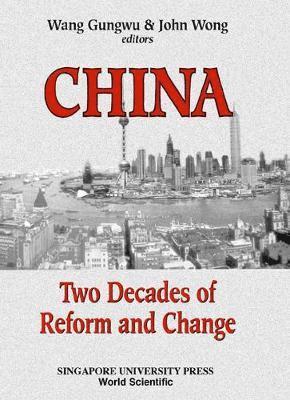
CHINA: TWO DECADES OF REFORM AND CHANGE
Av GUNGWU WANG, Wang Gungwu m. fl.
Häftad, 1999
232 kr
Tillfälligt slut
Since the start of reform two decades ago, China's economy has experienced spectacular growth. Today China has grown to be the world's seventh largest economy — or the world's second largest after the USA in terms of purchasing power parity. China's society and its political landscape have also …