William C. Mann - Böcker
Visar alla böcker från författaren William C. Mann. Handla med fri frakt och snabb leverans.
3 produkter
3 produkter
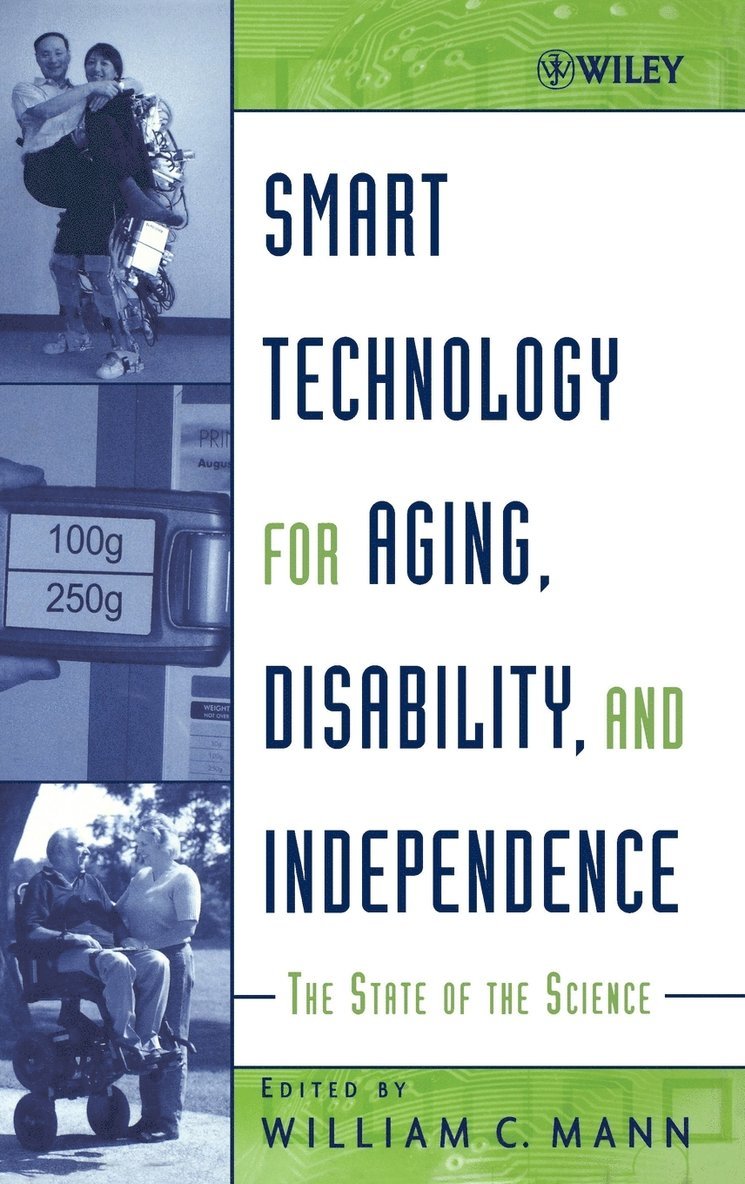
Smart Technology for Aging, Disability, and Independence
The State of the Science
Inbunden, Engelska, 2005
1 499 kr
Skickas inom 7-10 vardagar
Independent living with smart technologies Smart Technology for Aging, Disability, and Independence: The State of the Science brings together current research and technological developments from engineering, computer science, and the rehabilitation sciences, detailing how its applications can promote continuing independence for older persons and those with disabilities. Leading experts from multiple disciplines worldwide have contributed to this volume, making it the definitive resource. The text begins with a thorough introduction that presents important concepts, defines key terms, and identifies demographic trends at work. Using detailed product descriptions, photographs and illustrations, and case studies, subsequent chapters discuss cutting-edge technologies, including:* Wearable systems* Human-computer interactions* Assisted vision and hearing* Smart wheelchairs* Handheld devices and smart phones* Visual sensors* Home automation* Assistive robotics* In-room monitoring systems* Telehealth After considering specific high-technology solutions, the text examines recent trends in other critical areas, such as basic assistive technologies, driving, transportation and community mobility, home modifications and design, and changing standards of elder care. Students and professionals in the rehabilitation sciences, health care providers, researchers in computer science and engineering, and non-expert readers will all appreciate this text's thorough coverage and clear presentation of the state of the science.
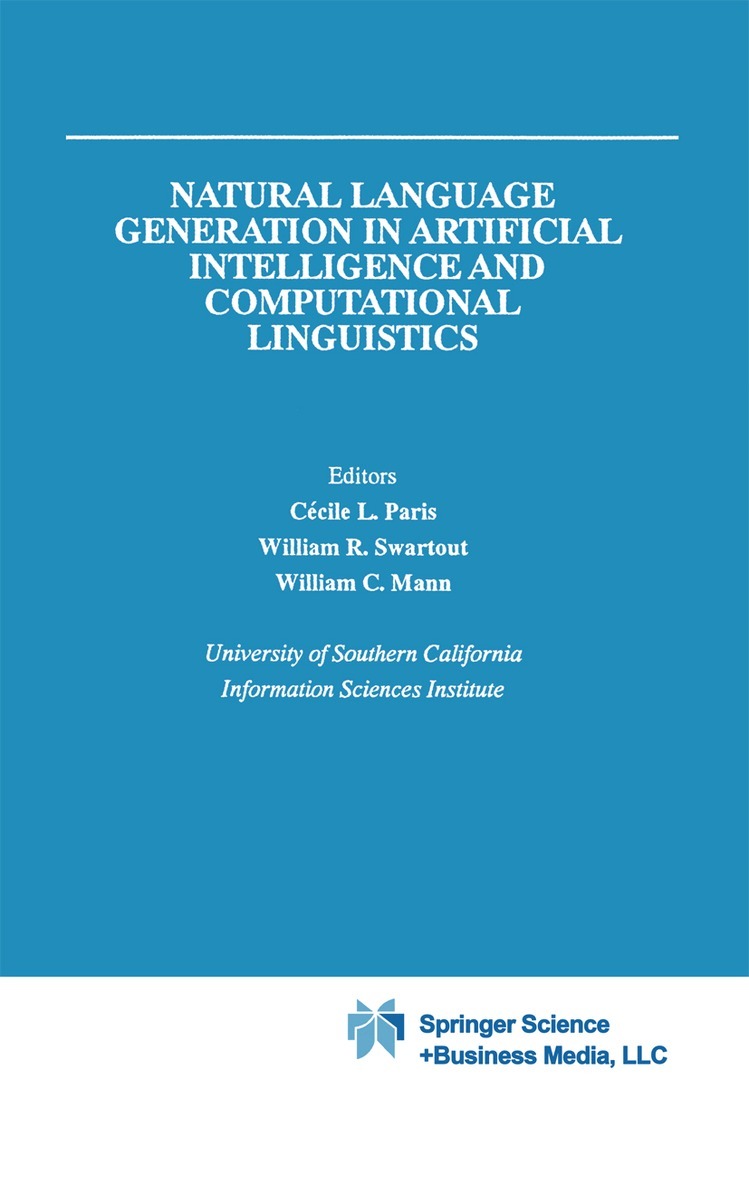
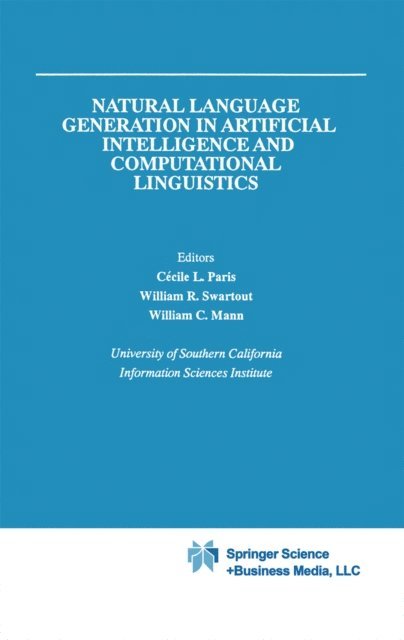
Natural Language Generation in Artificial Intelligence and Computational Linguistics
Inbunden, Engelska, 1990
2 173 kr
Skickas inom 10-15 vardagar
One of the aims of Natural Language Processing is to facilitate .the use of computers by allowing their users to communicate in natural language. There are two important aspects to person-machine communication: understanding and generating. While natural language understanding has been a major focus of research, natural language generation is a relatively new and increasingly active field of research. This book presents an overview of the state of the art in natural language generation, describing both new results and directions for new research. The principal emphasis of natural language generation is not only to facili tate the use of computers but also to develop a computational theory of human language ability. In doing so, it is a tool for extending, clarifying and verifying theories that have been put forth in linguistics, psychology and sociology about how people communicate. A natural language generator will typically have access to a large body of knowledge from which to select information to present to users as well as numer of expressing it. Generating a text can thus be seen as a problem of ous ways decision-making under multiple constraints: constraints from the propositional knowledge at hand, from the linguistic tools available, from the communicative goals and intentions to be achieved, from the audience the text is aimed at and from the situation and past discourse. Researchers in generation try to identify the factors involved in this process and determine how best to represent the factors and their dependencies.
Natural Language Generation in Artificial Intelligence and Computational Linguistics
Häftad, Engelska, 2010
2 173 kr
Skickas inom 10-15 vardagar
One of the aims of Natural Language Processing is to facilitate .the use of computers by allowing their users to communicate in natural language. There are two important aspects to person-machine communication: understanding and generating. While natural language understanding has been a major focus of research, natural language generation is a relatively new and increasingly active field of research. This book presents an overview of the state of the art in natural language generation, describing both new results and directions for new research. The principal emphasis of natural language generation is not only to facili tate the use of computers but also to develop a computational theory of human language ability. In doing so, it is a tool for extending, clarifying and verifying theories that have been put forth in linguistics, psychology and sociology about how people communicate. A natural language generator will typically have access to a large body of knowledge from which to select information to present to users as well as numer of expressing it. Generating a text can thus be seen as a problem of ous ways decision-making under multiple constraints: constraints from the propositional knowledge at hand, from the linguistic tools available, from the communicative goals and intentions to be achieved, from the audience the text is aimed at and from the situation and past discourse. Researchers in generation try to identify the factors involved in this process and determine how best to represent the factors and their dependencies.