William F. Felice - Böcker
Visar alla böcker från författaren William F. Felice. Handla med fri frakt och snabb leverans.
7 produkter
7 produkter
595 kr
Skickas inom 10-15 vardagar
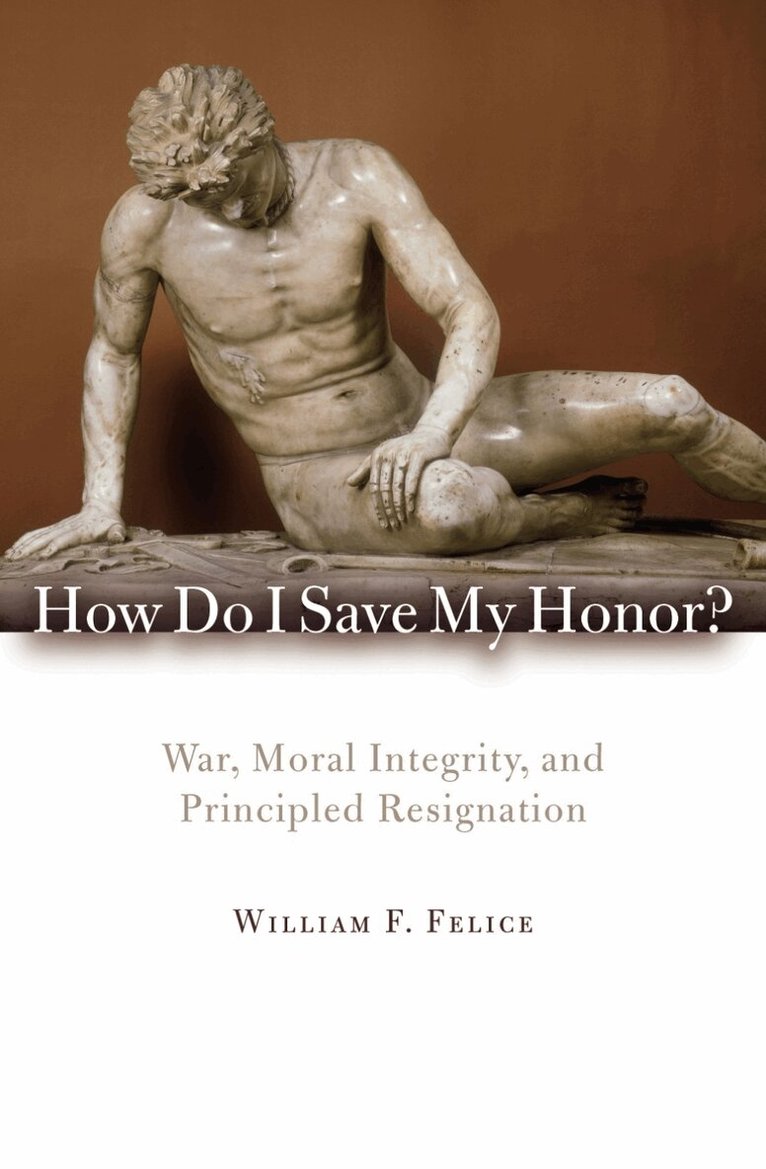
How Do I Save My Honor? is a powerful exploration of individual moral responsibility in a time of war. When people decide that the actions of their government have violated basic norms of ethics and justice, what are they to do? Are there degrees of moral responsibility that public officials, soldiers, and private citizens bear for unethical actions of their leaders and government? William F. Felice considers these central ethical questions through the compelling stories of individuals in the U.S. and British government and military who struggled to protect their moral integrity during the Iraq war and occupation. Some came to the difficult conclusion that resignation from their post was necessary to maintain their responsibility to the truth and to uphold their honor. Others decided to work from within to try to correct what they perceived as misguided policies. Examining the struggles of these contemporary men and women, as well as of historical figures facing similar dilemmas, William Felice weighs the profound difficulties of overcoming the intense pressures of misguided loyalty, patriotism, and groupthink that predominate during war.
566 kr
Skickas inom 3-6 vardagar
Examines the evolution of collective human rights in international relations and argues that the concept of human rights must integrate group rights based on race/ethnicity, gender, class, and sexuality.Taking Suffering Seriously examines the evolution and development of the concept of collective human rights in international relations. Focusing on the tension between the rights of the individual member of society and the collective rights of certain groups, Felice argues that the protection of human dignity requires an expansion of our understanding of human rights to include those collective group rights often violated by state and global structures. He advocates a third way, between liberalism and Marxism, to move toward a world in which decision-making is based on norms of meeting basic human needs and true equality.
1 142 kr
Skickas inom 10-15 vardagar
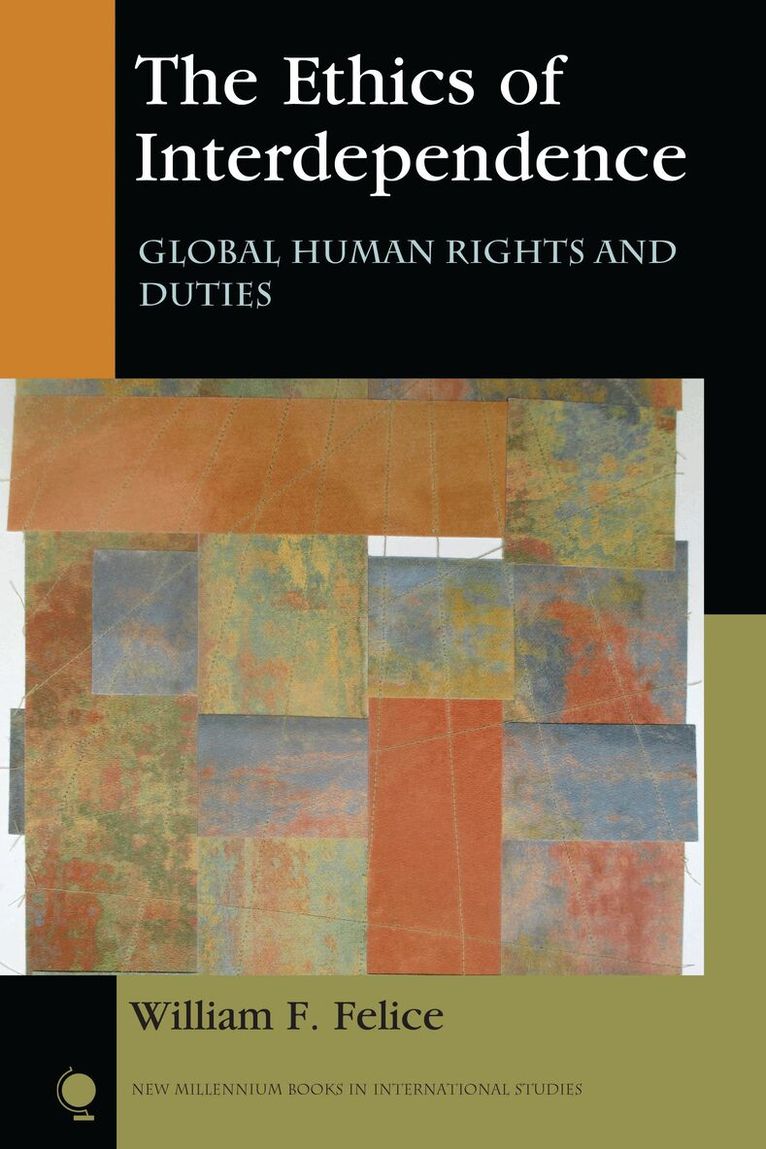
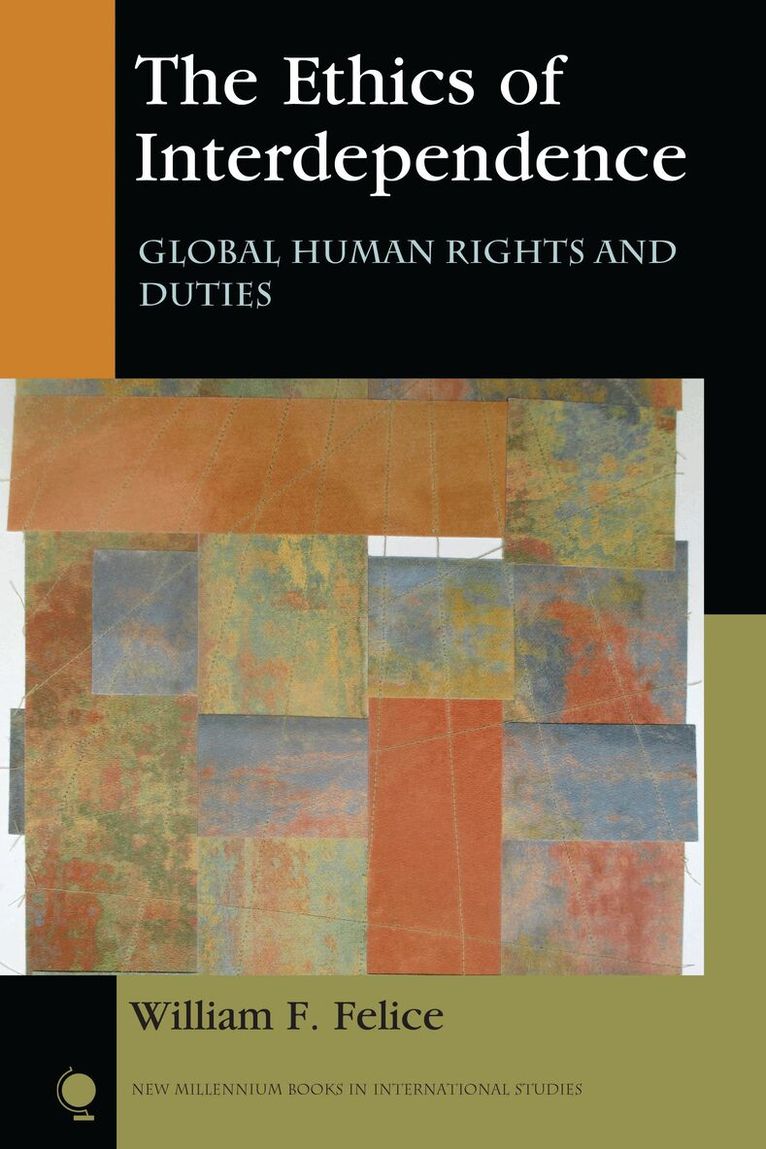
In this powerful book, William F. Felice argues that a new range of human rights duties for individuals, nation-states, and global institutions has emerged in our modern interconnected era. He investigates the compelling ideas of ethical interdependence and new global human rights duties in four case studies: mass incarceration in the United States, LGBT rights in Africa, women’s rights in Saudi Arabia, and environmental rights in China. Felice argues that in all four cases a “human rights threshold” has been surpassed, and urgent action is needed to address unacceptable levels of human suffering. Beginning with a primer on how the international community through the United Nations has codified international human rights law, Felice explores the conflicts between rights, problems of compliance, and the difficulties that emerge when cultural and religious rights are privileged over the rights of individuals and groups. He shows that a robust normative framework of global governance and global citizenship is central to the actualization of human rights protection for all.
434 kr
Skickas inom 10-15 vardagar
In this powerful book, William F. Felice argues that a new range of human rights duties for individuals, nation-states, and global institutions has emerged in our modern interconnected era. He investigates the compelling ideas of ethical interdependence and new global human rights duties in four case studies: mass incarceration in the United States, LGBT rights in Africa, women’s rights in Saudi Arabia, and environmental rights in China. Felice argues that in all four cases a “human rights threshold” has been surpassed, and urgent action is needed to address unacceptable levels of human suffering. Beginning with a primer on how the international community through the United Nations has codified international human rights law, Felice explores the conflicts between rights, problems of compliance, and the difficulties that emerge when cultural and religious rights are privileged over the rights of individuals and groups. He shows that a robust normative framework of global governance and global citizenship is central to the actualization of human rights protection for all.
761 kr
Skickas
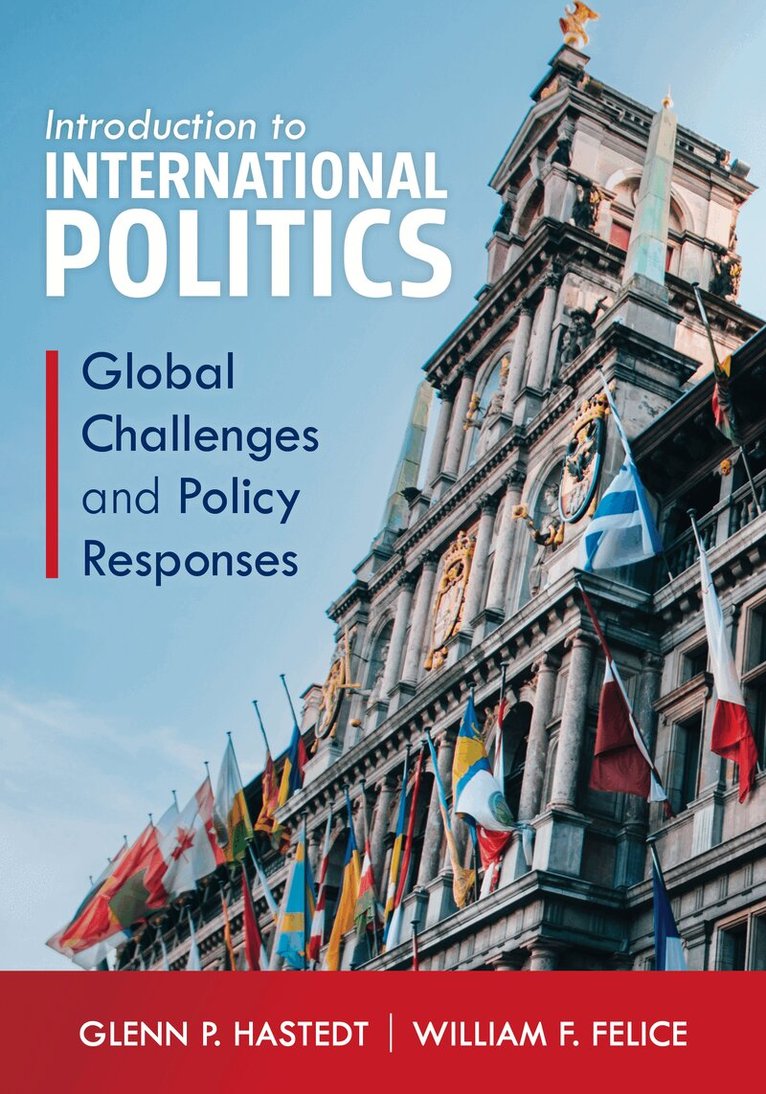
Introduction to International Politics makes systematic linkages between theory and policy that do not ignore or slight the conceptual discussion of international relations or simply chase newspaper headlines. Chapters are organized around “Global Challenges and Policy Responses.” The challenges are presented as concrete policy problems relevant to the theme of the chapter. The discussion of responses emphasize concrete actions taken or proposed by international organizations, the foreign policies of key states, international agreements, and actions taken by NGOs. Theoretical insights are used to help students understand challenges, think about solutions, and learn from the past. Based on a combined fifty years of classroom teaching, Hastedt and Felice possess the uncanny ability to boil down complex ideas and make them meaningful for students. Written in a style that is direct and accessible, Introduction to International Politics offers a concise foundation for any introductory-level student taking an international relations or world politics course. The text offers students a full suite of pedagogical features and learning aids, including a box program consisting of Policy Spotlights, Theory Spotlights, and Regional Spotlights. Each chapter opens with a Historical Perspective case study of a policy challenge, and closes with a related Contemporary Perspectivecase study of a similar challenge. Chapter study aids include learning objective at the outset, with a list of key terms and critical thinking questions provided at the end.A full suite of teaching and learning ancillaries include a companion website with self-study quizzes, a test bank, testing software, PowerPoint lecture slides that are WCAG 2.0-compliant, and an E-book with links to the companion website.
1 476 kr
Skickas inom 10-15 vardagar
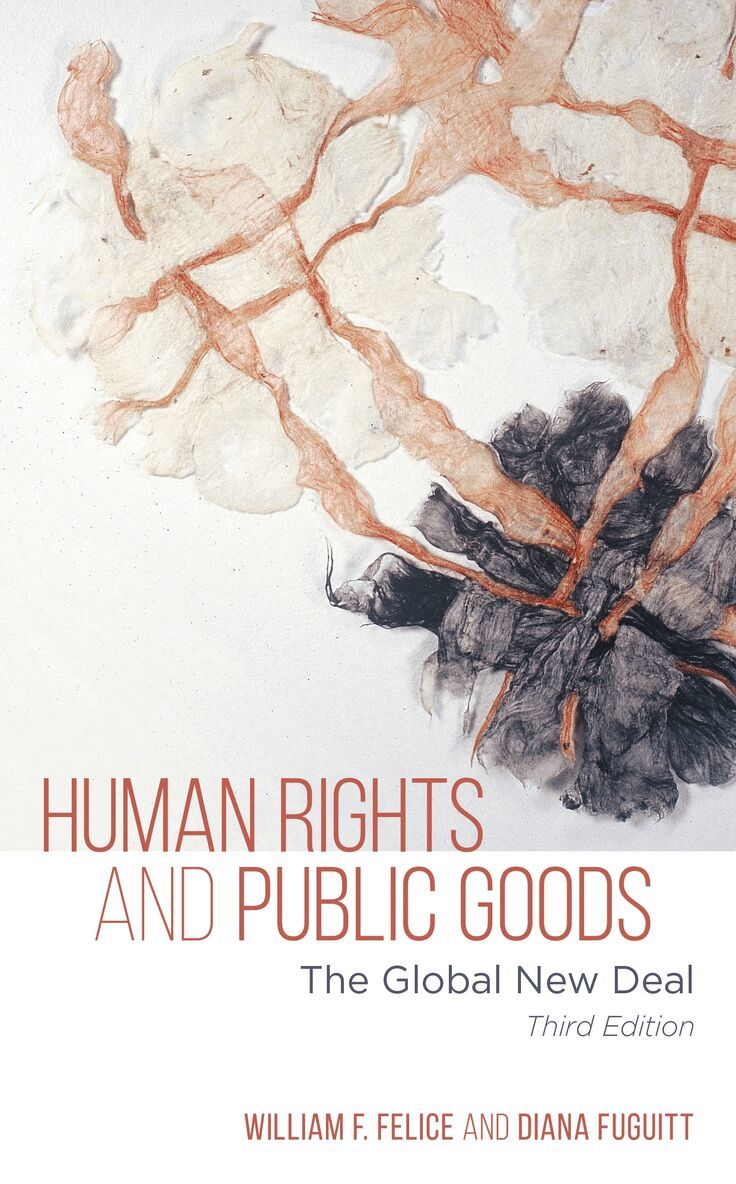
This powerful and empowering text offers a way forward for alleviating human suffering, presenting a realistic roadmap for enhanced global governance that can create workable solutions to mass poverty. William Felice and Diana Fuguitt emphasize the critical links between international human rights law, international political economy, and global organizations to formulate effective public policy to alleviate human suffering and protect basic human rights for all. They introduce students to the key legal and economic concepts central to economic and social human rights, including the right to education, a healthy environment, food, basic health care, housing, and clean water. They analyze the legal approaches undertaken by the United Nations and explain the key theories of international political economy (including liberalism, nationalism, and structuralism) and central economic concepts (including global public goods, economic equality, and the capabilities approach). In the last decade, a backlash against economic globalization has been fueled by a variety of politicians around the world. A resurgent nationalism is often pitted against international organizations and frameworks for global cooperation. In this new edition, Felice and Fuguitt account for how the current global political climate has affected national and global policies for the provision of public goods and the protection of human rights. They focus on practical policies and actions that both state and nonstate actors can take to uphold economic and social rights. As the first book to integrate these legal and economic approaches, it provides a practical path to action for students, academics, and policy makers alike.
568 kr
Skickas inom 10-15 vardagar
This powerful and empowering text offers a way forward for alleviating human suffering, presenting a realistic roadmap for enhanced global governance that can create workable solutions to mass poverty. William Felice and Diana Fuguitt emphasize the critical links between international human rights law, international political economy, and global organizations to formulate effective public policy to alleviate human suffering and protect basic human rights for all. They introduce students to the key legal and economic concepts central to economic and social human rights, including the right to education, a healthy environment, food, basic health care, housing, and clean water. They analyze the legal approaches undertaken by the United Nations and explain the key theories of international political economy (including liberalism, nationalism, and structuralism) and central economic concepts (including global public goods, economic equality, and the capabilities approach). In the last decade, a backlash against economic globalization has been fueled by a variety of politicians around the world. A resurgent nationalism is often pitted against international organizations and frameworks for global cooperation. In this new edition, Felice and Fuguitt account for how the current global political climate has affected national and global policies for the provision of public goods and the protection of human rights. They focus on practical policies and actions that both state and nonstate actors can take to uphold economic and social rights. As the first book to integrate these legal and economic approaches, it provides a practical path to action for students, academics, and policy makers alike.