William M. Keith – författare
Visar alla böcker från författaren William M. Keith. Handla med fri frakt och snabb leverans.
7 produkter
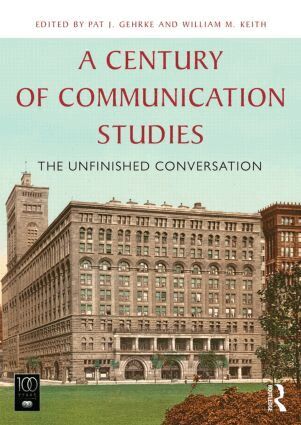
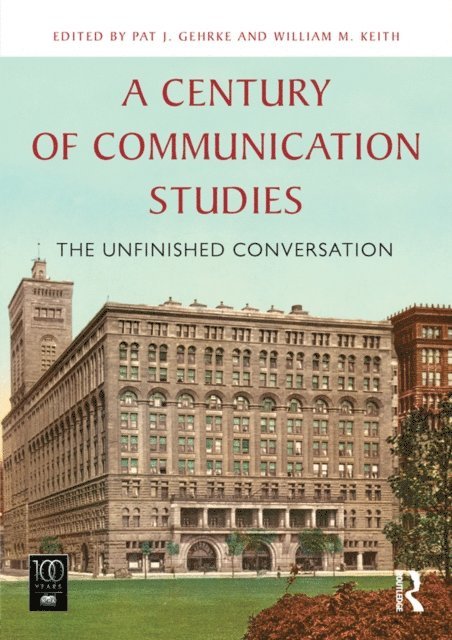
Century of Communication Studies
The Unfinished Conversation
Av Pat J. Gehrke, William M. Keith
Häftad, 2014
949 kr
Lägg i varukorg
This volume chronicles the development of communication studies as a discipline, providing a history of the field and identifying opportunities for future growth. Editors Pat J. Gehrke and William M. Keith have assembled an exceptional list of communication scholars who, in the thirteen chapters …
Century of Communication Studies
The Unfinished Conversation
Av Pat J. Gehrke, William M. Keith
Inbunden, 2014
4312 kr
Lägg i varukorg
This volume chronicles the development of communication studies as a discipline, providing a history of the field and identifying opportunities for future growth. Editors Pat J. Gehrke and William M. Keith have assembled an exceptional list of communication scholars who, in the thirteen chapters …
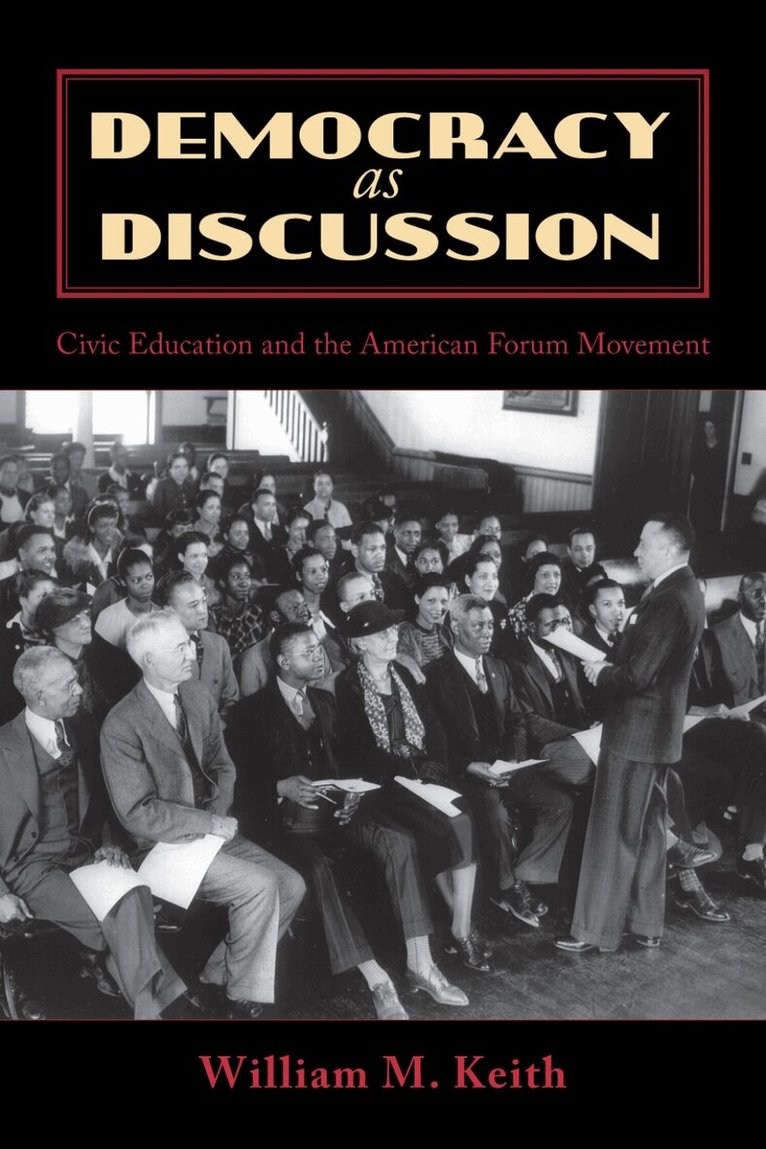
Democracy as Discussion
Civic Education and the American Forum Movement
Inbunden, 2007
1697 kr
Lägg i varukorg
As Americans worry ever more about the effects of media on the quality of public deliberation, they have developed a renewed interest in public discussion, especially face-to-face public discussion. Over a century ago, public forums—organized and widespread—provided a place where citizens could …
Democracy as Discussion
Civic Education and the American Forum Movement
Häftad, 2007
782 kr
Lägg i varukorg
As Americans worry ever more about the effects of media on the quality of public deliberation, they have developed a renewed interest in public discussion, especially face-to-face public discussion. Over a century ago, public forums—organized and widespread—provided a place where citizens could …
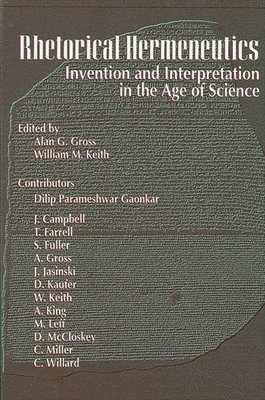
Rhetorical Hermeneutics
Invention and Interpretation in the Age of Science
Av Alan G. Gross, William M. Keith
Häftad, 1996
502 kr
Lägg i varukorg
Examines the nature of rhetorical theory and criticism, the rhetoric of science, and the impact of poststructuralism and postmodernism on contemporary accounts of rhetoric.Rhetorical Hermeneutics asks whether rhetorical theory can function as a general hermeneutic, a master key to texts. The …
Century of Communication Studies
The Unfinished Conversation
Av Pat J. Gehrke, William M. Keith
E-bok, 2014
1124 kr
Lägg i varukorg
This volume chronicles the development of communication studies as a discipline, providing a history of the field and identifying opportunities for future growth. Editors Pat J. Gehrke and William M. Keith have assembled an exceptional list of communication scholars who, in the thirteen chapters …
Century of Communication Studies
The Unfinished Conversation
Av Pat J. Gehrke, William M. Keith
E-bok, 2014
1088 kr
Lägg i varukorg
This volume chronicles the development of communication studies as a discipline, providing a history of the field and identifying opportunities for future growth. Editors Pat J. Gehrke and William M. Keith have assembled an exceptional list of communication scholars who, in the thirteen chapters …