Wouter van der Brug – författare
Visar alla böcker från författaren Wouter van der Brug. Handla med fri frakt och snabb leverans.
10 produkter
(Un)intended Consequences of EU Parliamentary Elections
Av Claes H. de Vreese, Wouter van der Brug
E-bok, 2016
972 kr
Lägg i varukorg
When direct elections for the European Parliament were first organized in 1979, the idea was that such direct elections would increase the democratic legitimacy and accountability of the Parliament. Moreover, the elections were expected to raise public interest, engagement and support for the …
(Un)intended Consequences of EU Parliamentary Elections
Av Claes H. de Vreese, Wouter van der Brug
E-bok, 2016
972 kr
Lägg i varukorg
When direct elections for the European Parliament were first organized in 1979, the idea was that such direct elections would increase the democratic legitimacy and accountability of the Parliament. Moreover, the elections were expected to raise public interest, engagement and support for the …
(Un)intended Consequences of EU Parliamentary Elections
Av Wouter van der Brug, Claes H. de Vreese
Inbunden, 2016
1755 kr
Lägg i varukorg
When direct elections for the European Parliament were first organized in 1979, the idea was that such direct elections would increase the democratic legitimacy and accountability of the Parliament. Moreover, the elections were expected to raise public interest, engagement and support for the …
European Elections and Domestic Politics
Lessons from the Past and Scenarios for the Future
Av Wouter van der Brug, Cees van der Eijk
Häftad, 2007
758 kr
Lägg i varukorg
Analyzes how the behavior of voters, parties, and the mass media in European Parliament elections affects domestic politics and how, in turn, domestic politics affects those behaviors. This book discusses election turnout and party choice, and the contract between the European Parliament and …
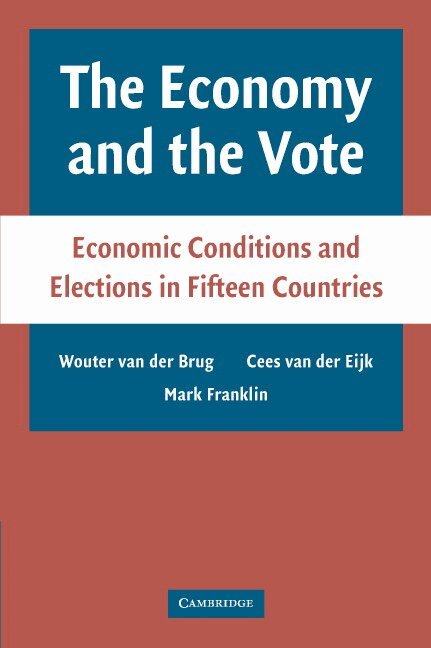
The Economy and the Vote
Economic Conditions and Elections in Fifteen Countries
Av Wouter van der Brug, Cees van der EijK m. fl.
Häftad, 2007
471 kr
Lägg i varukorg
Economic conditions are said to affect election outcomes, but past research has produced unstable and contradictory findings. This book argues that these problems are caused by the failure to take account of electoral competition between parties. A research strategy to correct this problem is …
The Economy and the Vote
Economic Conditions and Elections in Fifteen Countries
Av Wouter van der Brug, Cees van der EijK m. fl.
Inbunden, 2007
1302 kr
Lägg i varukorg
Economic conditions are said to affect election outcomes, but past research has produced unstable and contradictory findings. This book argues that these problems are caused by the failure to take account of electoral competition between parties. A research strategy to correct this problem is …
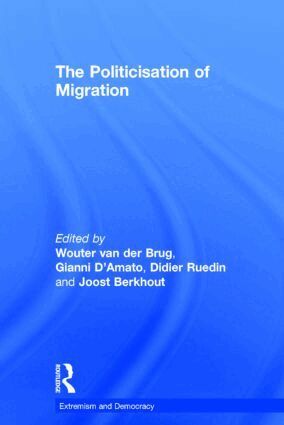
Politicisation of Migration
Av Wouter van der Brug, Gianni D'Amato m. fl.
Inbunden, 2015
2516 kr
Lägg i varukorg
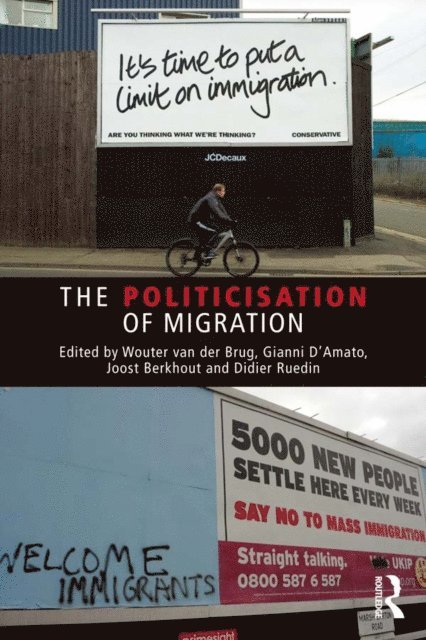
Why are migration policies sometimes heavily contested and high on the political agenda? And why do they, at other moments and in other countries, hardly lead to much public debate? The entrance and settlement of migrants in Western Europe has prompted various political reactions. In some countries …
Politicisation of Migration
Av Wouter van der Brug, Gianni D'Amato m. fl.
Häftad, 2015
824 kr
Lägg i varukorg
Why are migration policies sometimes heavily contested and high on the political agenda? And why do they, at other moments and in other countries, hardly lead to much public debate? The entrance and settlement of migrants in Western Europe has prompted various political reactions. In some countries …
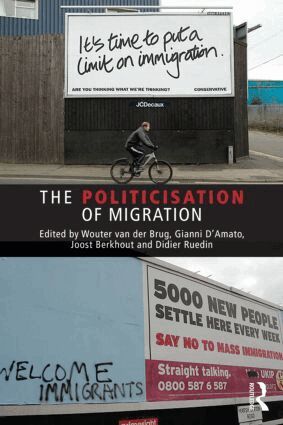
Politicisation of Migration
Av Joost Berkhout, Didier Ruedin m. fl.
E-bok, 2015
970 kr
Lägg i varukorg
Why are migration policies sometimes heavily contested and high on the political agenda? And why do they, at other moments and in other countries, hardly lead to much public debate? The entrance and settlement of migrants in Western Europe has prompted various political reactions. In some countries …
Politicisation of Migration
Av Joost Berkhout, Didier Ruedin m. fl.
E-bok, 2015
949 kr
Lägg i varukorg
Why are migration policies sometimes heavily contested and high on the political agenda? And why do they, at other moments and in other countries, hardly lead to much public debate? The entrance and settlement of migrants in Western Europe has prompted various political reactions. In some countries …